Polyester Board for Construction
CN → US| HS Code | Tariff Rate | Origin | Destination | Doc |
|---|---|---|---|---|
| 3921131950 | 40.3% | CN | US | Official Doc |
| 5903202000 | 35.0% | CN | US | Official Doc |
| 3921131500 | 41.5% | CN | US | Official Doc |
| 5903202500 | 42.5% | CN | US | Official Doc |
| 6810990080 | 35.0% | CN | US | Official Doc |
Product Images
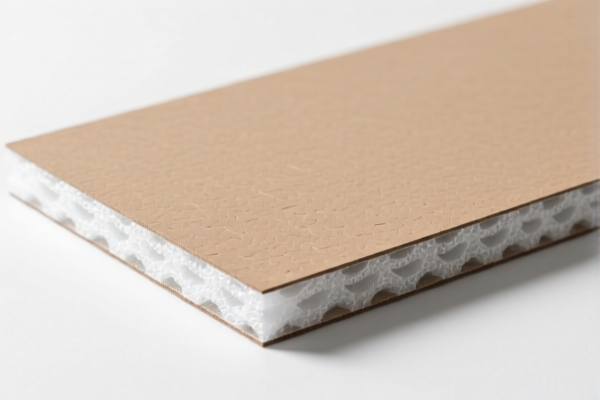
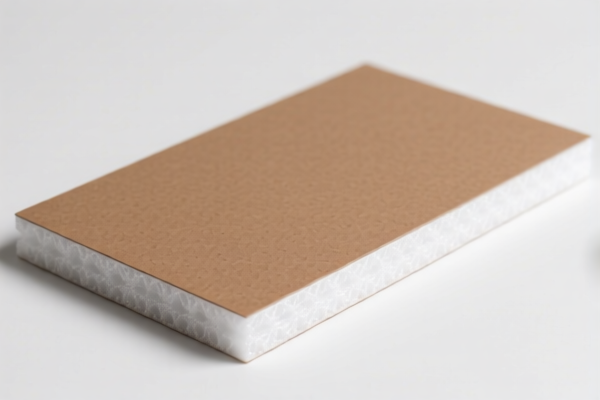
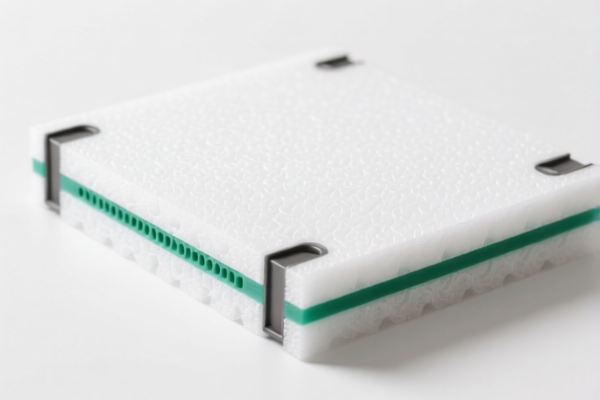
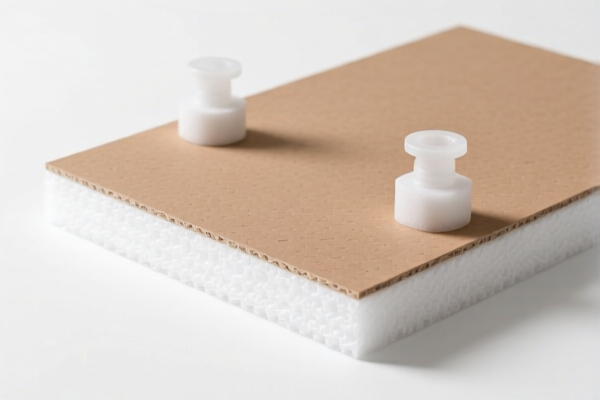
AI Analysis
🏗️ Polyester & PU Composite Construction Boards: The HS Code Classification Maze
🌐 HS Code Reference & Customs Clearance Guide | 2026 Latest Tariff Analysis | Strategic Duty Optimization
📌 I. Product Definition: Are You Sure It’s Just "Polyester"?
"Polyester Board for Construction" is a generic trade term that hides significant technical differences. In international trade, the classification depends heavily on the material composition, structural form, and surface treatment.
While the user input suggests "Polyester," the provided data (<DATA>) exclusively references Polyurethane (PU) composite boards or cementitious materials. This discrepancy is critical:
- If the product is truly Polyester Resin-based, it may fall under different headings (e.g., 3920/3921 without specific PU references).
- However, based strictly on the provided <DATA>, we are analyzing Polyurethane (PU) Textile Composite Construction Boards or Cement-based Boards.
- ⚠️ Critical Warning: Misidentifying "Polyester" as "Polyurethane" (or vice versa) can lead to incorrect HS Codes and severe penalties. The following analysis is based on the provided HS Codes which describe Polyurethane composites.
⚠️ Key Distinction:
- Polyurethane (PU) Textile Composite: A board made by impregnating/coating textile fabric with PU. This is treated as a "Laminated Textile Product" or "Plastic Board" depending on the dominant characteristic.
- Cement/Concrete Board: Inferred as a mineral product if PU is merely a surface coating on a rigid mineral core.
📦 二、HS Code Classification Matrix (Based on Provided Data)
The following HS Codes are derived strictly from the <DATA> provided. They represent different interpretations of a "Polyurethane Textile Composite Construction Board."
| HS Code | Product Description | Key Classification Criteria | Total Tax Rate |
|---|---|---|---|
| 3921.13.19.50 | PU Textile Composite Board | Material: Polyurethane Form: Board Use: Construction Note: Classified as a general plastic plate/sheet/board. |
40.3% |
| 5903.20.20.00 | PU-Treated Textile Fabric | Feature: Textile fabric impregnated/coated/laminated with PU. Note: Classified under "Textile products impregnated with plastics." |
35.0% |
| 3921.13.15.00 | PU Composite Building Board | Material: Polyurethane Form: Composite Plate Use: Construction Note: Specific sub-category for composite plates. |
41.5% |
| 5903.20.25.00 | PU-Treated Artificial Fiber Fabric | Feature: Artificial fiber textile treated with PU. Note: Classified under specific artificial fiber textile categories. |
42.5% |
| 6810.99.00.80 | Cement/Concrete Construction Board | Inference: If the board is primarily cement/concrete or artificial stone, with PU only as a minor surface layer. Note: Classified under "Other articles of cement, concrete, or artificial stone." |
35.0% |
🔍 Critical Insight:
- The lowest tax rate (35.0%) is available under 5903.20.20.00 (Textile-based) or 6810.99.00.80 (Cement-based).
- The highest tax rate (42.5%) is under 5903.20.25.00 (Artificial Fiber Textile).
- 3921.13.xx codes are generally applied when the plastic component is considered the essential character of the board.
💰 三、2026 Tariff Rate Breakdown (US Imports from China)
✅ Applicable Country: United States (US)
✅ Origin: China (CN)
✅ Effective Date: 2025/2026 (Current Trade Policy)
🎯 1. 5903.20.20.00 & 6810.99.00.80 —— The 35.0% Bracket
| Item | Details |
|---|---|
| Base Duty | 0.0% |
| Section 301 Duty | +25.0% |
| Section 122 Duty (IEEPA) | +10.0% |
| Total Effective Rate | 35.0% |
| Calculation | CIF Value × 35% |
| De Minimis Eligibility | ❌ NO (deny_de_minimis) |
| Legal Basis | USITC:5903.20.20.00 / USITC:6810.99.00.80 + FOOTNOTE:301 + FOOTNOTE:122 |
📌 Explanation:
- Base Duty 0%: These HS Codes are often classified under categories that have no base MFN (Most Favored Nation) duty.
- Section 301 (25%): Applies to a broad range of Chinese manufactured goods.
- Section 122 (10%): A specific additional tariff on certain Chinese imports under the International Emergency Economic Powers Act.
🎯 2. 3921.13.19.50 —— The 40.3% Bracket
| Item | Details |
|---|---|
| Base Duty | 5.3% |
| Section 301 Duty | +25.0% |
| Section 122 Duty (IEEPA) | +10.0% |
| Total Effective Rate | 40.3% |
| Calculation | CIF Value × 40.3% |
| De Minimis Eligibility | ❌ NO |
📌 Explanation:
- The 5.3% base duty is inherent to heading 3921 (Plastic plates, sheets, etc.).
- Adding 35% in surcharges results in a higher total than the textile/cement alternatives.
🎯 3. 3921.13.15.00 —— The 41.5% Bracket
| Item | Details |
|---|---|
| Base Duty | 6.5% |
| Section 301 Duty | +25.0% |
| Section 122 Duty (IEEPA) | +10.0% |
| Total Effective Rate | 41.5% |
| Calculation | CIF Value × 41.5% |
| De Minimis Eligibility | ❌ NO |
🎯 4. 5903.20.25.00 —— The 42.5% Bracket (Highest)
| Item | Details |
|---|---|
| Base Duty | 7.5% |
| Section 301 Duty | +25.0% |
| Section 122 Duty (IEEPA) | +10.0% |
| Total Effective Rate | 42.5% |
| Calculation | CIF Value × 42.5% |
| De Minimis Eligibility | ❌ NO |
📌 Warning: This code carries the highest base duty (7.5%) within the textile-imregnated category. Avoid this classification unless the product strictly meets the "artificial fiber" criteria and no other option applies.
🛠️ IV. Customs Clearance Strategy & Practical Advice
✅ 1. Pre-Shipment Documentation Checklist
| Document | Required? | Purpose |
|---|---|---|
| Product Specification Sheet | ✅ Yes | Must detail: Base material (PU vs. Polyester), Fabric type (Artificial/Natural), Lamination process. |
| Composition Breakdown | ✅ Yes | Percentage by weight of PU, Textile, and any core material (e.g., Cement). |
| Photos (Clear & Labeled) | ✅ Yes | Show cross-section (layers) and surface texture. |
| Commercial Invoice | ✅ Yes | Must match HS Code description exactly (e.g., "PU-Impregnated Textile Board" not just "Construction Board"). |
| Bill of Lading | ✅ Yes | Ensure no conflicting marks. |
✅ 2. Classification Optimization: How to Lower Duty?
| Strategy | Action | Result |
|---|---|---|
Opt for 5903.20.20.00 |
Ensure the product is primarily textile fabric impregnated with PU, not a rigid plastic board. | Saves 5.3% - 7.5% compared to 3921 codes. |
Argue for 6810.99.00.80 |
If the board is cement-based with a thin PU coating, argue that the cement core defines the character. | Saves 4.5% - 7.5% compared to 3921 codes. |
Avoid 5903.20.25.00 |
Do not classify as "Artificial Fiber" if natural fibers are used, or if PU treatment is not the primary feature. | Prevents 42.5% rate. |
🔥 Golden Rule:
"Textile/水泥 Base (5903/6810) is cheaper than Plastic Base (3921)."
Focus on proving the product is a treated textile or a cement article, not a plastic board.
✅ 3. Common Pitfalls & Risk Mitigation
| Pitfall | Consequence | Solution |
|---|---|---|
| Mislabeling as "Polyester" | Customs may reject if HS Codes in data are for PU. | Clarify if it is Polyester (different HS, e.g., 3921.11 or 5903.10) or Polyurethane. If Polyester, this data is not applicable; consult new HS codes. |
| Over-declaring as Plastic | Higher base duty (5.3%-7.5%) on top of 35% surcharges. | Provide evidence of textile layer or cement core dominance. |
| Ignoring Section 122 | Underpayment by 10%. | Always include 10% IEEPA in cost calculations. |
| Assuming De Minimis | Packages < $800 may be seized. | ALL these HS Codes are denied de minimis. Full duty applies regardless of value. |
🌍 V. Global Market Comparison (2026)
| Market | Recommended HS Code (Best Fit) | Est. Total Duty | Notes |
|---|---|---|---|
| 🇺🇸 USA | 5903.20.20.00 or 6810.99.00.80 |
35.0% | Avoid 3921 codes to save ~5-7.5%. |
| 🇨🇳 China | Local HS (e.g., 3921/5903) | Varies | Check MOFCOM latest tariff schedule. No US surcharges. |
| 🇪🇺 EU | 5903 / 3921 | Varies (0-6%) | No Section 301/122. Standard EU Common Customs Tariff applies. |
| 🇨🇦 Canada | 5903 / 3921 | Varies | CUSMA may allow duty-free if local content rules met. |
📌 Conclusion for US Importers:
- Target HS Code:5903.20.20.00(35.0%) or6810.99.00.80(35.0%).
- Avoid:3921.13.15.00(41.5%) and5903.20.25.00(42.5%) unless technically required.
- Critical: Confirm if the material is truly Polyurethane. If it is Polyester, these codes are incorrect, and a different tariff analysis is needed.
📌 VI. Final Checklist for Importers
- Material Verification: Is it PU or Polyester? (The data provided is for PU).
- Structure Verification: Is it a Textile Board, Plastic Board, or Cement Board?
- Duty Calculation: Use 35% as the baseline target (Base 0% + 30% surcharges).
- Documentation: Prepare cross-section photos and material composition sheets.
- Pre-Ruling: Consider filing for an Advance Ruling with CBP to lock in the 35% rate and avoid post-entry audits.
🎯 Pro Tip:
"If it’s a textile with PU, declare as 5903. If it’s cement, declare as 6810. If you declare it as Plastic (3921), you pay more for the same product!"
✨ Accurate Classification Saves Money. Wrong Classification Delays Cargo.
💼 Consult a Licensed Customs Broker for Final Determination.
Customer Reviews
About HS Code Classification
The Harmonized System (HS) is an internationally standardized nomenclature developed by the World Customs Organization (WCO) to classify traded products. Over 200 countries use the HS system as the basis for customs tariffs, trade statistics, and import/export regulations.
Each HS code follows a hierarchical structure:
- Chapter (2 digits) — Broad category of goods (e.g., Chapter 84: Machinery and Mechanical Appliances)
- Heading (4 digits) — More specific grouping within the chapter
- Subheading (6 digits) — Internationally standardized breakdown, used by all WCO member countries
- National subdivisions (8-10 digits) — Country-specific extensions for further classification, such as US HTSUS 10-digit codes
Correct HS code classification is essential for smooth customs clearance, accurate duty payment, and compliance with trade regulations. Misclassification can lead to customs delays, overpayment of duties, or penalties.
When importing from CN to US, the applicable tariff rates may include:
- Most-Favored-Nation (MFN) rate — The standard duty rate applied to WTO members
- General rate — Applied to countries without trade agreements
- Trade remedy duties — Additional tariffs such as Section 301 (anti-dumping), Section 232 (national security), or countervailing duties
The information provided on this page is for reference purposes only. For official classification, please consult with your local customs authority or a licensed customs broker.