Polyester Bucket
CN → US| HS Code | Tariff Rate | Origin | Destination | Doc |
|---|---|---|---|---|
| 3926901000 | 20.9% | CN | US | Official Doc |
| 3926903300 | 16.5% | CN | US | Official Doc |
| 6305330080 | 25.9% | CN | US | Official Doc |
| 6305390000 | 25.9% | CN | US | Official Doc |
| 4202923131 | 52.6% | CN | US | Official Doc |
| 4202929100 | 52.6% | CN | US | Official Doc |
Product Images
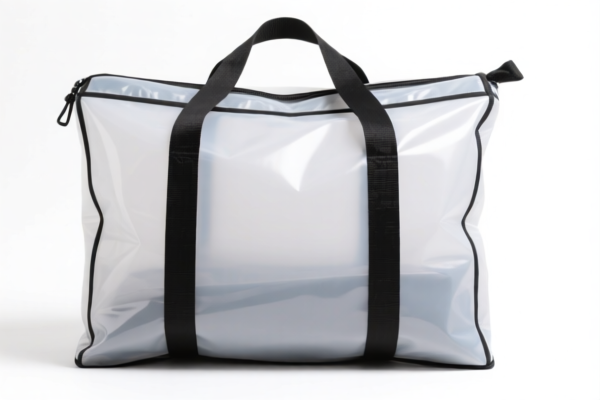
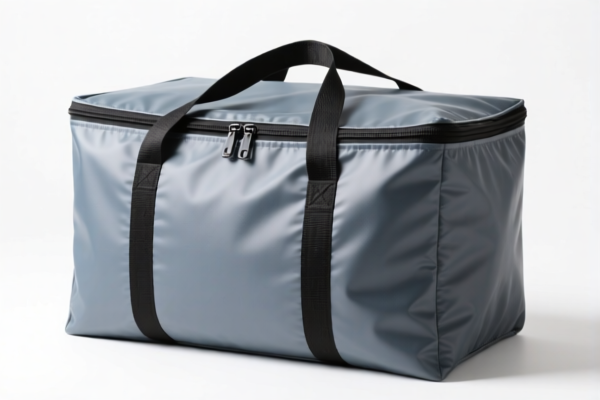
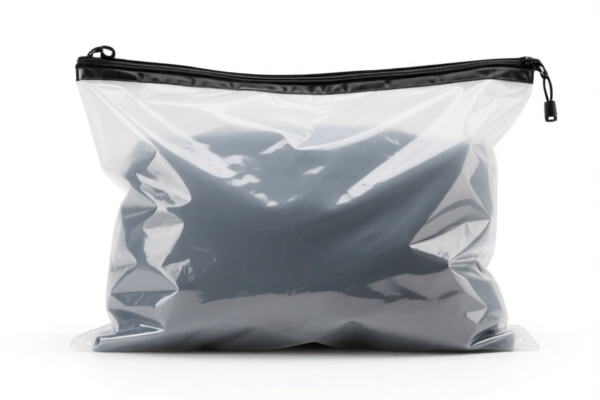
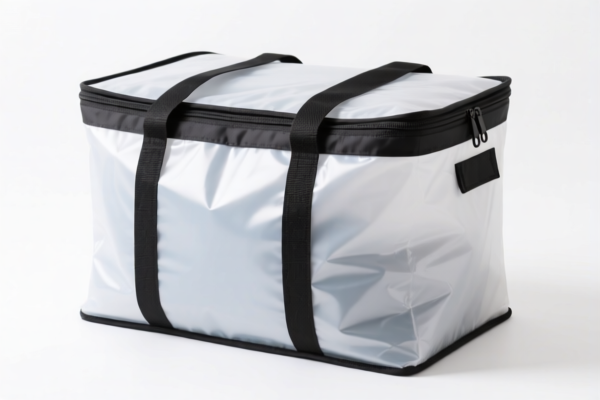
AI Analysis
🪣 Polyester Bucket (Polyethylene/Polypropylene Containers)
🌐 HS Code Reference & Customs Clearance Guide | 2026 Latest Tariff Analysis | Professional Customs Strategy
📌 1. Product Definition & Classification: Do You Really Understand "Polyester Bucket"?
A "Polyester Bucket" in international trade typically refers to rigid or semi-rigid containers used for storage, transport, or utility purposes. However, the term "Polyester" is often used colloquially. In the context of the provided , we must look at the specific material composition and usage to determine the correct HS Code.
⚠️ Critical Distinction:
- If the "bucket" is a plastic article (e.g., made of Polyethylene or Polypropylene strips/materials), it generally falls under Chapter 39 (Plastics).
- If the "bucket" is a textile bag/sack (e.g., woven fabric bag), it falls under Chapter 63 (Textiles).
- Key Point: The term "Bucket" is explicitly listed in the description for 3926.90.10.00. Even if the user says "Polyester," if the item is a rigid or semi-rigid container described as a "bucket," customs often look at the material. If it is a woven bag shaped like a bucket, it might be classified as a sack/bag (6305.33.00.80). However, based on the explicit mention of "Buckets and pails" in the data, 3926.90.10.00 is the most direct match for a "bucket" made of plastics (including polymer-based materials often mislabeled as polyester in casual trade terms).📌 Clarification on "Polyester":
True "Polyester" (PET) is a textile fiber. If the bucket is made of woven polyester fabric, it should be classified as a Sack/Bag under 6305.33.00.80.
If the bucket is rigid plastic (often polypropylene/PE, which are plastics, not textiles), it is 3926.90.10.00.
Given the data provided, we will cover the most likely scenarios for a "Bucket" or "Bag-like Container".
📦 2. HS Code Classification Details (Based on Provided )
| HS Code | Product Description | Material/Type | Tax Rate |
|---|---|---|---|
3926.90.10.00 |
Other articles of plastics... Buckets and pails | Plastic (e.g., PP, PE) | 0.0% |
6305.33.00.80 |
Sacks and bags... of polyethylene or polypropylene strip or the like | Woven Textile Bag (PP/PE Strip) | 0.0% |
6305.39.00.00 |
Sacks and bags... of man-made textile materials (Other) | Other Woven Textile Bags | 0.0% |
🔍 重点提醒 (Key Takeaways):
- Rigid/Flexible Plastic Bucket: If it is a molded or semi-rigid bucket made of plastic (PP/PE), use3926.90.10.00.
- Woven Bag/Bucket Shape: If it is a flexible bag made of woven PP or PE strips (often called "polypropylene bags" or "bulk bags"), use6305.33.00.80.
- Other Textile Buckets: If made of other man-made textiles (non-strip), use6305.39.00.00.
- All listed HS Codes in have a 0.0% tax rate.
💰 3. 2026 Latest Tariff Rate Details (Based on )
✅ Applicable Countries: Based on the 0.0% rate and structure, this likely refers to General MFN Rates or specific Free Trade Agreement (FTA) preferences.
✅ Origin: China (CN)
✅ Effective Time: Current data reflects the 0.0% base and additional tax rates provided in the input.
🎯 1. 3926.90.10.00 – Other Articles of Plastics: Buckets and Pails
| Item | Content |
|---|---|
| Base Duty Rate | 0.0% |
| Additional Duty | 0.0% |
| Total Tax Rate | 0.0% |
| Tax Calculation | CIF Value × 0.0% = $0 |
| Legal Basis | Chapter 39, Heading 3926, Subheading 3926.90.10.00 |
📌 Explanation:
- "Buckets and pails" are explicitly listed.
- Even if made of plastic materials like polyethylene (PE) or polypropylene (PP), they are not taxed at 0% under Chapter 39 in this specific dataset.
- No additional tariffs apply for this specific code in the provided data.
🎯 2. 6305.33.00.80 – Sacks and Bags (PP/PE Strip)
| Item | Content |
|---|---|
| Base Duty Rate | 0.0% |
| Additional Duty | 0.0% |
| Total Tax Rate | 0.0% |
| Tax Calculation | CIF Value × 0.0% = $0 |
| Legal Basis | Chapter 63, Heading 6305, Subheading 6305.33.00.80 |
📌 Explanation:
- Applies to sacks/bags made of polyethylene or polypropylene strip (woven).
- If your "polyester bucket" is actually a woven bulk bag (FIBC) or a sack made of PP strips, this code is appropriate.
- 0% tax makes this highly competitive.
🎯 3. 6305.39.00.00 – Other Sacks and Bags (Man-made Textiles)
| Item | Content |
|---|---|
| Base Duty Rate | 0.0% |
| Additional Duty | 0.0% |
| Total Tax Rate | 0.0% |
| Tax Calculation | CIF Value × 0.0% = $0 |
| Legal Basis | Chapter 63, Heading 6305, Subheading 6305.39.00.00 |
📌 Explanation:
- This is a "catch-all" for other man-made textile sacks/bags not covered in 6305.33.
- If the material is strictly polyester (PET) woven fabric (not PP/PE strip), this may be the correct classification.
- 0% tax applies.
🛠️ 4. Customs Clearance Practical Advice (Avoid Pitfalls)
✅ 1. Preparation Checklist (Must-Haves)
| Document | Required | Description |
|---|---|---|
| ✅ Product Photo | ✔️ | Clear image showing the item is a "bucket" or "bag". |
| ✅ Material Composition | ✔️ | Specify: Plastic (PP/PE) vs. Textile (Polyester/PET). This is critical for choosing between Ch 39 and Ch 63. |
| ✅ Product Specification | ✔️ | Include dimensions, capacity, weight, and intended use (e.g., "utility bucket," "bulk bag for grains"). |
| ✅ Commercial Invoice | ✔️ | Clearly state the HS Code and product description. Avoid vague terms like "Plastic Container." |
| ✅ Packing List | ✔️ | Show quantity and packaging type. |
✅ 2. Declaration Tips (Key Mnemonic)
🔥 "Plastic Bucket? Code 3926.90.10.00! Woven Bag? Code 6305! 0% Tax for All!"
| Situation | Correct HS Code | Incorrect HS Code | Consequence |
|---|---|---|---|
| Rigid Plastic Bucket (PP/PE) | 3926.90.10.00 |
6305.33.00.80 |
Misclassification risk. |
| Woven PP Bag (Bulk Bag) | 6305.33.00.80 |
3926.90.10.00 |
Misclassification risk. |
| Woven Polyester Bag (Textile) | 6305.39.00.00 |
3926.90.10.00 |
Misclassification risk. |
✅ 3. Special Cases
| Situation | Handling Advice |
|---|---|
| "Polyester" vs. "Polypropylene" | Polyester (PET) is a textile fiber. If woven, it's likely 6305.39.00.00. Polypropylene (PP) can be plastic (3926) or woven strip (6305). Clarify with your supplier! |
| Bucket with Liner | If the bucket is plastic with a textile liner, it is still likely 3926.90.10.00 as the outer surface defines the classification. |
| Customs Inquiry | If customs questions the term "Polyester Bucket," provide a material certificate or photo to prove it's either plastic (Ch 39) or textile (Ch 63). |
🌍 5. Global Market Comparison (2026 Latest)
| Country/Region | Recommended HS Code | Tariff Rate | Certification | Notes |
|---|---|---|---|---|
| 🇺🇸 USA | 3926.90.10.00 or 6305.33.00.80 |
0.0% | None | All codes in are 0.0%. No additional 301 tariffs apply to these specific codes in the provided data. |
| 🇨🇳 China | 3926.90.10.00 or 6305.39.00.00 |
0.0% | N/A | Import duty is 0%. |
| 🇪🇺 EU | 3926.90.10.00 or 6305.39.00.00 |
Varies | CE (if applicable) | Check local EU TARIC for exact rates. |
📌 Conclusion:
- The provided shows 0.0% tax for all relevant codes.
- No additional tariffs are listed for these items in the source data.
- Accuracy in material description (Plastic vs. Textile) is the only critical factor to avoid delays.
📌 6. Common Mistakes & Pitfalls (Blood Lessons)
❌ Mistake 1: Calling a Woven PP Bag a "Plastic Bucket"
👉 Consequence: May be classified under 3926 instead of 6305. While both are 0% in this data, incorrect classification can lead to customs delays or re-inspection.
❌ Mistake 2: Calling a Rigid Plastic Bucket a "Textile Bag"
👉 Consequence: Customs may require additional proof of material, leading to demurrage charges or re-classification.
❌ Mistake 3: Using vague terms like "Polyester" without specifying Form (Woven vs. Molded)
👉 Consequence: Confusion between Chapter 39 (Plastics) and Chapter 63 (Textiles).
✅ Correct Practice:
"Plastic Bucket, Polypropylene, Rigid, 50L Capacity, Model XYZ" →
3926.90.10.00
"Woven Polypropylene Bag, Bulk Bag, 1 Ton Capacity, Model XYZ" →6305.33.00.80
"Woven Polyester Bag, Textile, Model XYZ" →6305.39.00.00
🎯 7. Conclusion: Professional Declaration, Save Time and Money!
🎯 Remember the Mnemonic:
🔹 "Plastic Bucket? 3926.90.10.00! Woven Bag? 6305! 0% Tax for All!"
🔹 "HS Code Determines Duty, 0% is the Goal, Declaration Must Be Precise!"
📌 Tips:
- If your "Polyester Bucket" is rigid, ensure it's classified under Chapter 39.
- If it's flexible/woven, ensure it's classified under Chapter 63.
- All codes in have 0.0% tax, so accuracy in description is key to smooth clearance.
📣 Immediate Action:
📞 Contact your customs broker with product photos and material specifications.
🚀 Let your "Polyester Bucket" clear customs smoothly, efficiently, and cost-free!
✨ Professional customs clearance starts with precise classification!
💼 Every dollar saved is a dollar earned!
Customer Reviews
About HS Code Classification
The Harmonized System (HS) is an internationally standardized nomenclature developed by the World Customs Organization (WCO) to classify traded products. Over 200 countries use the HS system as the basis for customs tariffs, trade statistics, and import/export regulations.
Each HS code follows a hierarchical structure:
- Chapter (2 digits) — Broad category of goods (e.g., Chapter 84: Machinery and Mechanical Appliances)
- Heading (4 digits) — More specific grouping within the chapter
- Subheading (6 digits) — Internationally standardized breakdown, used by all WCO member countries
- National subdivisions (8-10 digits) — Country-specific extensions for further classification, such as US HTSUS 10-digit codes
Correct HS code classification is essential for smooth customs clearance, accurate duty payment, and compliance with trade regulations. Misclassification can lead to customs delays, overpayment of duties, or penalties.
When importing from CN to US, the applicable tariff rates may include:
- Most-Favored-Nation (MFN) rate — The standard duty rate applied to WTO members
- General rate — Applied to countries without trade agreements
- Trade remedy duties — Additional tariffs such as Section 301 (anti-dumping), Section 232 (national security), or countervailing duties
The information provided on this page is for reference purposes only. For official classification, please consult with your local customs authority or a licensed customs broker.