Polyester Composite Film
CN → US| HS Code | Tariff Rate | Origin | Destination | Doc |
|---|---|---|---|---|
| 3907992000 | 35.0% | CN | US | Official Doc |
| 3926909989 | 22.8% | CN | US | Official Doc |
| 3926904590 | 13.5% | CN | US | Official Doc |
| 3907995050 | 41.5% | CN | US | Official Doc |
| 3005901000 | 10.0% | CN | US | Official Doc |
Product Images
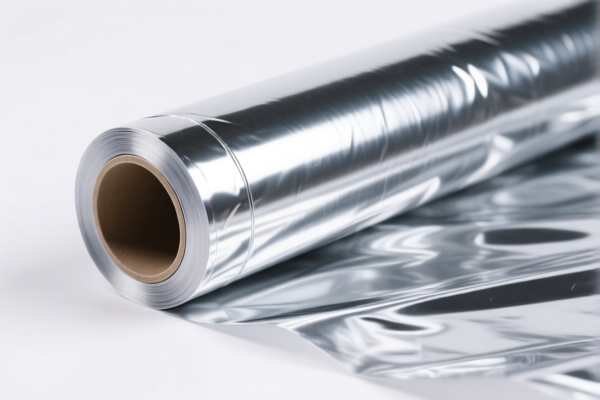
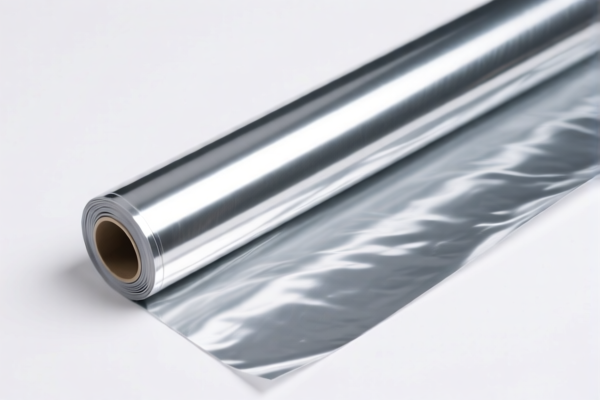
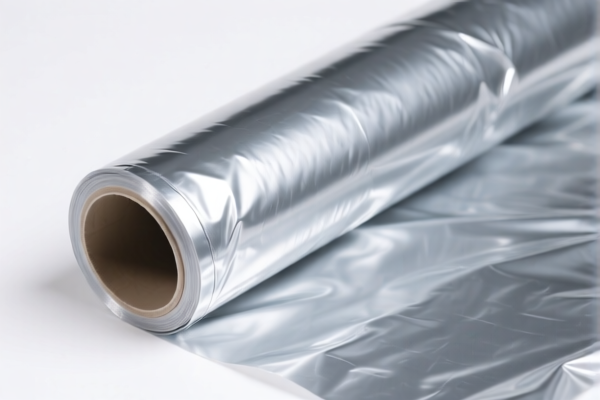
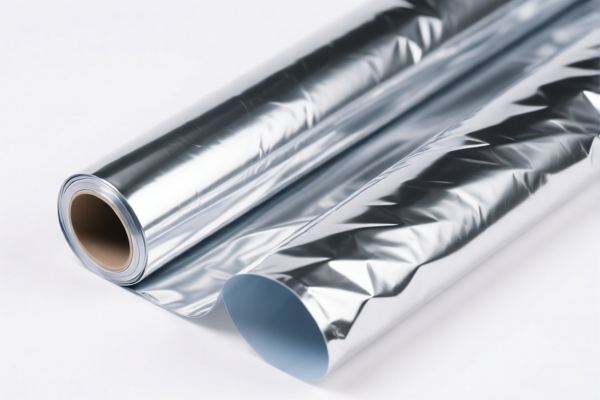
AI Analysis
🧵 Polyester Composite Film: The Ultimate HS Code & Duty Guide (2026 Edition)
🌐 Global Trade Clearance & Tax Strategy | 2026 Latest Tariff Analysis | High-Stakes Classification
📌 I. What is "Polyester Composite Film"? Are You Shipping a "Resin" or a "Plastic"?
Polyester Composite Film is a versatile material created by bonding polyester resin with other components (such as fiberglass, paper, or other polymers) to create a durable, rigid, or semi-rigid sheet.
In international trade, this material sits in a highly ambiguous classification zone. It can be classified either as a chemical product (Resin) or a manufactured plastic article, depending entirely on its state of processing and final application.
⚠️ The Critical Decision Point: - Is it in a "Primary Form"? (Raw liquid, powder, or unshaped pellets ready for molding) → HS 3907 (Resins). - Is it a Finished "Plastic Article"? (Cut sheets, laminated films, specific shapes for final use) → HS 3926 (Other plastic articles). - Is it for Medical Use? (Hybrid with non-polyester for specific medical compliance) → HS 3005 (Medical supplies).
🚨 Warning: Misclassifying a finished film as "Resin" or vice versa can lead to duty spikes ranging from 10% to 41.5% due to Section 301 (US) and Section 122 (US) penalties.
📦 II. HS Code Classification Matrix (2026 Latest Tax Rules)
| HS Code | Product Description & Logic | Application Scenario | Total Duty (US/CN) |
|---|---|---|---|
| 3907.99.20.00 | Polyester Resin Composite: Defined strictly under "Other Polyester Materials" (Raw/Resin category). | Unshaped resin, bulk chemical form, or intermediate resin products. | 35.0% |
| 3926.90.99.89 | Polyester Resin Composite: Classified under "Other Plastic Articles" (Catch-all/Bottom category). | Finished sheets, laminated films, non-specific shapes for general use. | 22.8% |
| 3926.90.45.90 | Polyester Resin Composite: "Other Plastic Articles" (Specific "Catch-all" logic). | Finished articles meeting specific plastic article criteria not covered elsewhere. | 13.5% |
| 3907.99.50.50 | Polyester Resin Composite: Classified under "Primary Form Resins" (Specific sub-category). | Raw resin forms, pellets, or pre-polymers intended for further manufacturing. | 41.5% |
| 3005.90.10.00 | Polyurethane-Polyester Medical Composite: Medical film with textile/composite properties. | Specialized medical packaging, wound dressings, or sterile barriers (High purity). | 10.0% |
🔍 Key Insight:
- 3907 vs. 3926: The difference between "Resin" and "Article" is the degree of processing. If it's cut, shaped, or ready for sale as a film, it's likely 3926. If it's just the chemical mixture, it's 3907. - The "122" Clause: Almost all classifications above include a 10% Section 122 Duty (US specific), which is a critical cost driver.
💰 III. 2026 Tariff Rate Deep Dive: Breakdown of Every Cent
✅ Target Market: USA (Imports from China)
✅ Effective Date: 2025-2026 Period (Current Policy)
✅ Policy Basis: Section 301 + Section 122
🎯 1. The "Resin" Trap: HS 3907.99.20.00 & 3907.99.50.50
(Highest Risk: 35% - 41.5%)
| Component | Rate | Source | Explanation |
|---|---|---|---|
| Base Duty | 6.5% (for 3907.99.50.50) / 0% (for 3907.99.20.00) | HTSUS | Standard MFN rate for polyester resins. |
| Section 301 (Add-on) | 25.0% | US Trade Law | Heavy penalty on Chinese polyester chemicals. |
| Section 122 | 10.0% | US Executive Order | Additional "National Security" or specific sector tax. |
| 🔥 TOTAL | 41.5% / 35.0% | Extremely High for raw resin imports. |
📌 Why it hurts: If your "film" is considered "Primary Form Resin," you pay 41.5%. This is the most expensive classification for polyester products.
🎯 2. The "Article" Sweet Spot: HS 3926.90.99.89
(Moderate Risk: 22.8%)
| Component | Rate | Source | Explanation |
|---|---|---|---|
| Base Duty | 5.3% | HTSUS | General plastic article rate. |
| Section 301 (Add-on) | 7.5% | US Trade Law | Lower penalty for finished plastic goods compared to resins. |
| Section 122 | 10.0% | US Executive Order | Still applies to plastic articles. |
| 🔥 TOTAL | 22.8% | Significantly cheaper than the Resin category. |
📌 Strategy: Aim to prove the product is a "Finished Article" (3926) rather than "Resin" (3907) to save ~18% in duties.
🎯 3. The "Optimized" Article: HS 3926.90.45.90
(Best Value: 13.5%)
| Component | Rate | Source | Explanation |
|---|---|---|---|
| Base Duty | 3.5% | HTSUS | Specific sub-category for certain plastic articles. |
| Section 301 (Add-on) | 0.0% | None | No Section 301 penalty for this specific sub-code! |
| Section 122 | 10.0% | US Executive Order | Only the 122 tax applies here. |
| 🔥 TOTAL | 13.5% | The Goldilocks Zone – Lowest possible duty for composite film. |
📌 Crucial Note: This code avoids the 25% Section 301 penalty. If your product fits this description, prioritize this classification immediately.
🎯 4. The Medical Exception: HS 3005.90.10.00
(Lowest Risk: 10.0%)
| Component | Rate | Source | Explanation |
|---|---|---|---|
| Base Duty | 0.0% | HTSUS | Medical supplies often duty-free. |
| Section 301 (Add-on) | 0.0% | None | Exempt from Section 301 if truly medical. |
| Section 122 | 10.0% | US Executive Order | The 122 tax is the only cost here. |
| 🔥 TOTAL | 10.0% | Only for genuine Medical Use. |
📌 Warning: If the film is not for medical use (e.g., packaging, construction), this code is fraudulent. Customs will audit for "Medical Intent" and impose heavy fines.
🛠️ IV. Customs Clearance Practical Strategy (Avoiding the "Duty Trap")
✅ 1. Documentation Checklist (Mandatory)
| Document | Why It Matters | Key Detail to Include |
|---|---|---|
| Technical Data Sheet (TDS) | Proves "Form" | Clearly state if it is "Liquid/Powder" (Resin) or "Sheet/Film" (Article). |
| Manufacturing Process Flow | Proves "Processing" | Show that the resin was cured, laminated, and cut before export. |
| Product Photos (High Res) | Visual Evidence | Show edges, thickness, and packaging to prove it's a finished article. |
| Usage Declaration | Intent Proof | Explicitly state the end-use (e.g., "Industrial Packaging" vs. "Medical Bandage"). |
| Certificate of Analysis | Chemical Proof | Confirm no "Primary Form" characteristics remain. |
✅ 2. The "Golden Rule" of Classification
🔥 口诀: "Resin pays 40%, Article pays 10-20%. Prove it's finished!"
| Scenario | Recommended HS Code | Why? |
|---|---|---|
| Raw resin sold as "Composite" | 3907.99.50.50 |
It's technically resin; high duty is unavoidable. |
| Cut film for general industry | 3926.90.45.90 |
Best Option: Avoids Section 301 penalty. |
| General plastic sheet | 3926.90.99.89 |
Safe fallback if 45.90 doesn't apply. |
| True Medical Film | 3005.90.10.00 |
Lowest duty, but strict proof required. |
✅ 3. Special Handling for Section 122
- The 122 Clause (10%) applies to almost all HS codes listed above.
- Action: This is a "New Tax" on Chinese goods. Do not assume it disappears. Factor it into your Landed Cost calculation immediately.
- Mitigation: There is no exemption for 122 yet; ensure your commercial invoice clearly separates "Base Duty," "Section 301," and "Section 122" for transparency.
🌍 V. Global Market Comparison (2026)
| Region | Primary HS Code | Avg. Duty | Section 301? | Section 122? | Strategy |
|---|---|---|---|---|---|
| 🇺🇸 USA | 3926.90.45.90 |
13.5% | ❌ No (if 45.90) | ✅ Yes (10%) | Target this code to save 25%. |
| 🇨🇳 China | 3907.99.20.00 |
~5% | N/A | N/A | Low duty, but export restrictions apply. |
| 🇪🇺 EU | 3926.90.99 |
~6% | No | No | No Section 301/122, but VAT applies. |
| 🇦🇺 Australia | 3926.90.99 |
~5% | No | No | Favorable, but requires RCM certification. |
📌 Conclusion: The USA is the most hostile market for polyester composites due to the layered taxes (Base + 301 + 122). Code selection is the single most important factor for profitability.
📌 VI. Common Mistakes & "Don't Do This" List
❌ Mistake 1: Calling a "Finished Film" a "Resin"
👉 Consequence: You pay 41.5% instead of 13.5%. You lose $280k on a $1M shipment.
✅ Fix: Use photos and process diagrams to prove the product is cured and cut.
❌ Mistake 2: Misusing the "Medical" Code (3005) for non-medical items
👉 Consequence: Customs Seizure, fines, and potential blacklisting for fraud.
✅ Fix: Only use 3005.90.10.00 if the product is certified for medical use (FDA/CE Medical).
❌ Mistake 3: Ignoring Section 122
👉 Consequence: Your "10% duty" calculation is wrong; you are underpaying by 10%.
✅ Fix: Always add the 10% Section 122 to your cost model for US imports.
🎯 VII. Final Verdict: Action Plan
🚀 Your Mission: 1. Audit your product: Is it a "Resin" or an "Article"? 2. Target
3926.90.45.90: If your film is a finished plastic article, this is your profit saver (13.5% total). 3. Verify Medical Claims: Only use3005.90.10.00if you have medical certification. 4. Prepare for Section 122: Budget for that extra 10% tax immediately.💡 Pro Tip:
Request an Advance Ruling from CBP before shipping.
Pay the small fee ($50-$500) to get a binding decision on whether your specific "Polyester Composite Film" is3907or3926. This saves you from a 100% penalty later!
✨ Precision Classification = Profit Protection.
💼 Don't let a wrong HS Code eat your margins!
Customer Reviews
About HS Code Classification
The Harmonized System (HS) is an internationally standardized nomenclature developed by the World Customs Organization (WCO) to classify traded products. Over 200 countries use the HS system as the basis for customs tariffs, trade statistics, and import/export regulations.
Each HS code follows a hierarchical structure:
- Chapter (2 digits) — Broad category of goods (e.g., Chapter 84: Machinery and Mechanical Appliances)
- Heading (4 digits) — More specific grouping within the chapter
- Subheading (6 digits) — Internationally standardized breakdown, used by all WCO member countries
- National subdivisions (8-10 digits) — Country-specific extensions for further classification, such as US HTSUS 10-digit codes
Correct HS code classification is essential for smooth customs clearance, accurate duty payment, and compliance with trade regulations. Misclassification can lead to customs delays, overpayment of duties, or penalties.
When importing from CN to US, the applicable tariff rates may include:
- Most-Favored-Nation (MFN) rate — The standard duty rate applied to WTO members
- General rate — Applied to countries without trade agreements
- Trade remedy duties — Additional tariffs such as Section 301 (anti-dumping), Section 232 (national security), or countervailing duties
The information provided on this page is for reference purposes only. For official classification, please consult with your local customs authority or a licensed customs broker.