Polyester Conductive Film
CN → US| HS Code | Tariff Rate | Origin | Destination | Doc |
|---|---|---|---|---|
| 8547200000 | 35.0% | CN | US | Official Doc |
| 8547900010 | 89.6% | CN | US | Official Doc |
| 3920620090 | 39.2% | CN | US | Official Doc |
| 3920690000 | 39.2% | CN | US | Official Doc |
| 3919905060 | 40.8% | CN | US | Official Doc |
| 3919102055 | 40.8% | CN | US | Official Doc |
Product Images
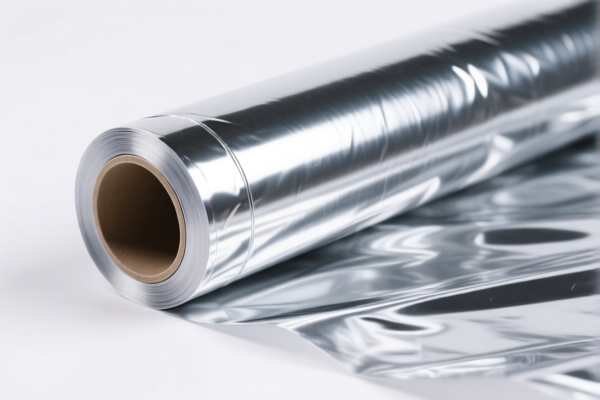
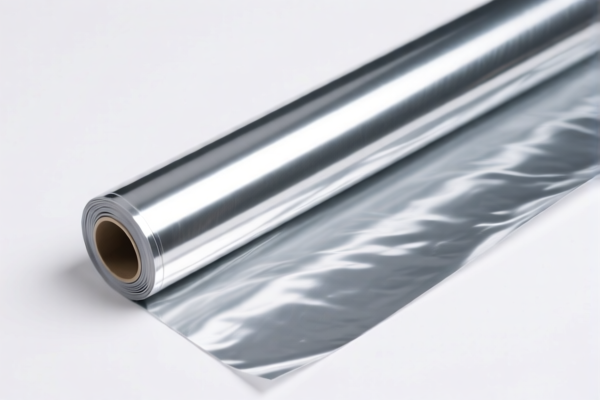
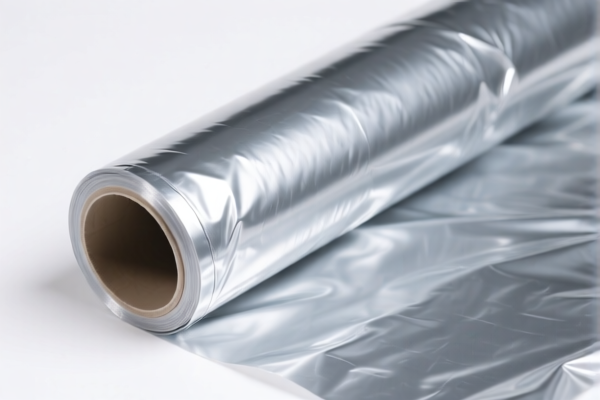
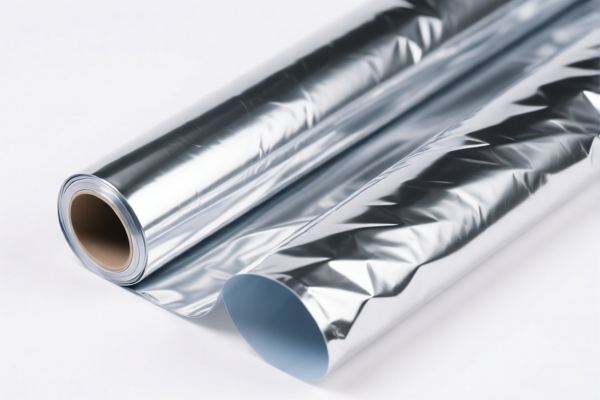
AI Analysis
🌐 Polyester Conductive Film
📌 HS Code Classification & Customs Clearance Guide | 2026 Latest Tariff Breakdown | Professional Import Strategy
🧩 One: Product Definition & Classification – What Exactly Is "Polyester Conductive Film"?
Polyester Conductive Film is a specialized non-cellular, flat-shaped plastic film made from polyester (specifically poly(ethylene terephthalate) or PET), coated or treated with conductive materials (e.g., indium tin oxide, carbon nanotubes, or metal layers) to enable electrical conductivity. It is widely used in:
- Touchscreens (smartphones, tablets, kiosks)
- Flexible electronics and wearable devices
- EMI shielding in electronics
- Smart packaging and sensors
- OLED/LED display layers
⚠️ Key Classification Clue:
- If non-conductive, it would fall under general plastic films (e.g., 3920.62.00.90).
- But if conductive, the functional property (electrical conductivity) may trigger specialized classification — especially when used in electronic applications.
📦 Two: HS Code Classification Details (2026 Latest Tariff Authority Match)
| HS Code | Product Description | Applicable Use Case | Is It Conductive? | Functional Purpose |
|---|---|---|---|---|
3920.62.00.90 |
Other plates, sheets, film, foil and strip, of plastics, noncellular and not reinforced, laminated, supported or similarly combined with other materials: Of polycarbonates, alkyd resins, polyallyl esters or other polyesters: Of poly(ethylene terephthalate) Other | General-purpose PET film, including non-conductive versions used in packaging, insulation, or optical layers | ❌ No (unless specified otherwise) | Insulation, protection, optical clarity |
3920.69.00.00 |
Other plates, sheets, film, foil and strip, of plastics, noncellular and not reinforced, laminated, supported or similarly combined with other materials: Of polycarbonates, alkyd resins, polyallyl esters or other polyesters: Of other polyesters | Includes specialty PET films, but only if not conductive | ❌ No | Industrial, packaging, protective layers |
🔍 Critical Insight:
- Conductive films are NOT classified under these two codes unless explicitly non-conductive.
- If your PET film is conductive, it likely falls under electrical components or insulating fittings, not general plastic films.
💰 Three: 2026 Latest Tariff Breakdown (Including附加 Taxes & Policy Triggers)
✅ Applicable Country: United States (US)
✅ Origin: China (CN)
✅ Effective Date: November 10, 2025 (including subsequent imports)
🎯 1. 3920.62.00.90 — PET Film (Non-Conductive)
| Item | Detail |
|---|---|
| Base Duty Rate | 4.2% (ad valorem) |
| Additional Tariff (USITC 301) | +25.0% (from Section 301 of U.S. Trade Act) |
| IEEPA Additional Tax | +0% (not triggered for this product) |
| Total Effective Duty | 29.2% |
| Tax Calculation | CIF Value × 29.2% |
| De Minimis Exemption? | ❌ No (denied under U.S. law for China-origin goods) |
| Legal Basis Path | USITC:3920.62.00.90 → FOOTNOTE:9903.88.01 → 301 TARIFF: 25% |
📌 Explanation:
- The 4.2% base duty applies to all PET films.
- The +25% Section 301 tariff is applied to China-origin goods under the U.S. Trade Representative’s list.
- No IEEPA (International Emergency Economic Powers Act) tax applies here — only for certain high-tech or strategic items.
- Total: 29.2% — High but manageable for non-conductive films.
🎯 2. 3920.69.00.00 — Other Polyester Films (Non-Conductive)
| Item | Detail |
|---|---|
| Base Duty Rate | 4.2% |
| Additional Tariff (USITC 301) | +25.0% |
| IEEPA Additional Tax | +0% |
| Total Effective Duty | 29.2% |
| Tax Calculation | CIF × 29.2% |
| De Minimis Exemption? | ❌ No |
| Legal Basis Path | USITC:3920.69.00.00 → FOOTNOTE:9903.88.01 → 301 TARIFF: 25% |
📌 Note:
- Same as above — only applies to non-conductive films.
- Even if the film is thin, flexible, or used in electronics, if not conductive, this code applies.
⚠️ ⚠️ Critical Warning: If Conductive – This Is NOT the Right HS Code!
❗ If your polyester film is conductive (e.g., ITO-coated, carbon-based, or metal-laminated), do NOT use
3920.62.00.90or3920.69.00.00.
Instead, it may fall under:
| Possible HS Code | Description | Duty |
|---|---|---|
8547.20.00.00 |
Insulating fittings for electrical machines, appliances or equipment, being fittings wholly of insulating material apart from any minor components of metal (e.g., threaded sockets) incorporated during molding solely for assembly: Insulating fittings of plastics | 0% base + 25% additional (USITC 301) → Total: 25.0% |
8547.90.00.10 |
Other insulating fittings: Other | 0% base + 50% steel/aluminum/copper product additional tariff → Total: 50.0% |
📌 Why?
- Conductive films used in electronics may be treated as electrical components or insulating fittings if they serve a functional role in circuitry or grounding.
- Even if made of plastic, if they are integrated into electrical systems, they may be classified as electrical fittings.
🛠️ Four: Customs Clearance Best Practices (Pro Tips to Avoid Penalties)
✅ 1. Required Documentation (Must-Have)
| Document | Required? | Purpose |
|---|---|---|
| ✅ Product Specification Sheet | ✔️ | Specify material (PET), thickness, conductivity (yes/no), coating type (ITO, carbon, etc.) |
| ✅ Conductivity Test Report | ✔️ | Prove whether conductive or not (e.g., resistivity < 10⁴ Ω/sq = conductive) |
| ✅ Circuit Diagram / Application Use Case | ✔️ | Show if used in touchscreens, EMI shielding, etc. |
| ✅ Product Photos (with label) | ✔️ | Clear view of surface, coating, and markings |
| ✅ Commercial Invoice | ✔️ | Must state: “Polyester Conductive Film, for Touchscreen Applications” |
| ✅ Certificate of Origin (CO) | ✔️ | If from Vietnam, Mexico, or Thailand, may qualify for IEEPA exemption |
| ✅ Test Reports (FCC, RoHS, CE) | ✔️ | If applicable for electronics use |
✅ 2.申报技巧 (申报口诀)
🔥 “Conductive? Then don’t use 3920! Check 8547 first — or risk 50% tax!”
| Scenario | Correct HS Code | Wrong Code to Avoid |
|---|---|---|
| Non-conductive PET film | 3920.62.00.90 or 3920.69.00.00 |
8547.20.00.00 (too high) |
| Conductive PET film (e.g., ITO-coated) | 8547.20.00.00 or 8547.90.00.10 |
3920.62.00.90 (wrong — under 301 tariff) |
| Film used in touchscreen | 8547.20.00.00 |
3920.62.00.90 (risk of 50% tax) |
✅ 3. Special Cases & Solutions
| Case | Solution |
|---|---|
| Conductive film from Vietnam | Apply for IEEPA exemption → 0% additional tariff |
| Film used in medical devices | Apply for non-commercial use exemption (if applicable) |
| Prototype / R&D samples | Apply for de minimis (if < $800, but only if non-conductive) |
| Film with metal layer | May be treated as metal-plastic composite → higher risk of 50% tariff under 8547.90.00.10 |
🌍 Five: Global Market Comparison (2026 Latest)
| Country | Recommended HS Code | Base Duty | Additional Tariffs | Certification Required | Notes |
|---|---|---|---|---|---|
| 🇺🇸 United States | 3920.62.00.90 (non-conductive) / 8547.20.00.00 (conductive) |
4.2% | +25% (301) or +50% (steel/aluminum) | FCC, RoHS | High risk for conductive films |
| 🇨🇳 China | 3920.62.00.90 |
5% | 0% | CCC, RoHS | No 301 tariff |
| 🇪🇺 EU | 3920.62.00.90 |
0% | 0% | CE, RoHS | No extra tariffs |
| 🇦🇺 Australia | 3920.62.00.90 |
5% | 0% | RCM | No extra taxes |
| 🇯🇵 Japan | 3920.62.00.90 |
0% | 0% | PSE | No additional tariffs |
📌 Conclusion:
- The U.S. is the only market with high附加 tariffs on polyester films — especially if conductive.
- China-origin conductive films face up to 50% duty — extremely costly.
📌 Six: Common Mistakes & Pitfalls (Learn from Others’ Errors)
❌ Mistake 1: Classifying conductive ITO-PET film as 3920.62.00.90
👉 Result: Underpaid duties → back taxes + penalties + interest (up to 100% of value)
❌ Mistake 2: Not providing conductivity test report
👉 Result: Customs may assume it’s conductive → apply 50% tariff
❌ Mistake 3: Using "PET Film" as product name without specifying conductivity
👉 Result: Misclassification → delayed clearance or seizure
❌ Mistake 4: Exporting from China without CO or test reports
👉 Result: Denied entry or rejected at border
✅ Correct Declaration Example:
“Polyester Conductive Film, ITO-coated, 100μm thick, used in touchscreens, resistivity: 100 Ω/sq, Model XYZ, FCC & RoHS Certified”
🎯 Seven: Final Verdict – How to Win the Tariff Game
🔹 Non-conductive? → Use
3920.62.00.90or3920.69.00.00→ 29.2% total duty
🔹 Conductive? → Use8547.20.00.00→ 25.0% OR8547.90.00.10→ 50.0%
🔹 From Vietnam/Mexico? → Apply for IEEPA exemption → 0% additional tariff✅ Pro Tip:
- Apply for an Advance Ruling (Pre-Ruling) from U.S. Customs before shipment.
- Get a product classification opinion from a licensed customs broker.
📣 Act Now: Protect Your Profit Margin!
📞 Contact a certified customs broker + provide:
- Product photos
- Conductivity report
- Application use case
- Origin documents🚀 Get your HS Code pre-approved — avoid 50% tax surprises!
✨ Professional Customs Starts with Accurate Classification!
💼 Your product’s fate is decided in the HS Code — get it right the first time!
Customer Reviews
About HS Code Classification
The Harmonized System (HS) is an internationally standardized nomenclature developed by the World Customs Organization (WCO) to classify traded products. Over 200 countries use the HS system as the basis for customs tariffs, trade statistics, and import/export regulations.
Each HS code follows a hierarchical structure:
- Chapter (2 digits) — Broad category of goods (e.g., Chapter 84: Machinery and Mechanical Appliances)
- Heading (4 digits) — More specific grouping within the chapter
- Subheading (6 digits) — Internationally standardized breakdown, used by all WCO member countries
- National subdivisions (8-10 digits) — Country-specific extensions for further classification, such as US HTSUS 10-digit codes
Correct HS code classification is essential for smooth customs clearance, accurate duty payment, and compliance with trade regulations. Misclassification can lead to customs delays, overpayment of duties, or penalties.
When importing from CN to US, the applicable tariff rates may include:
- Most-Favored-Nation (MFN) rate — The standard duty rate applied to WTO members
- General rate — Applied to countries without trade agreements
- Trade remedy duties — Additional tariffs such as Section 301 (anti-dumping), Section 232 (national security), or countervailing duties
The information provided on this page is for reference purposes only. For official classification, please consult with your local customs authority or a licensed customs broker.