Polyester Drawstring Backpack
CN → US| HS Code | Tariff Rate | Origin | Destination | Doc |
|---|---|---|---|---|
| 4202923131 | 52.6% | CN | US | Official Doc |
| 4202923120 | 52.6% | CN | US | Official Doc |
Product Images
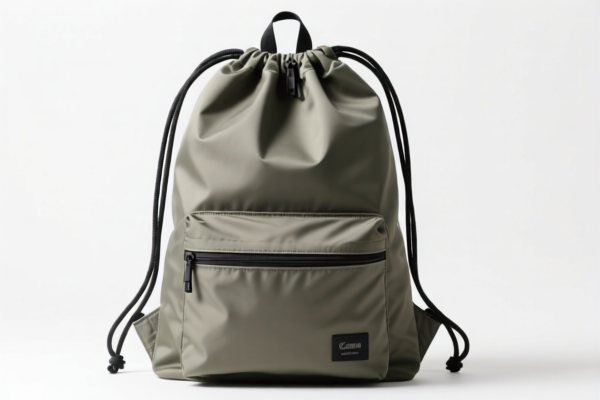
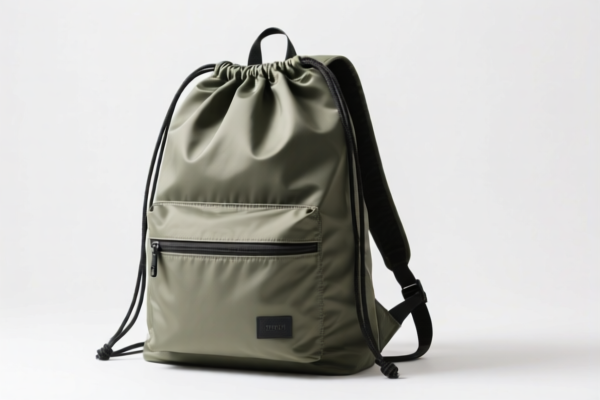
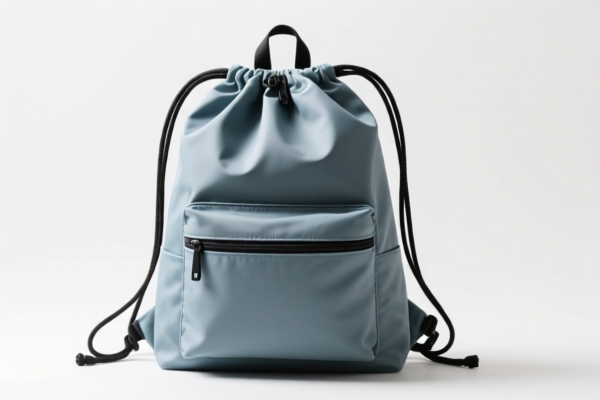
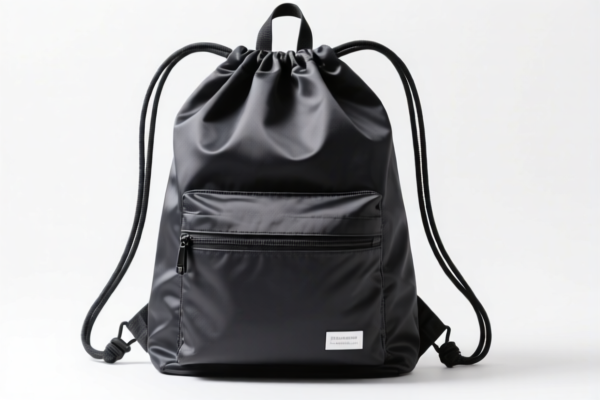
AI Analysis
🎒 Polyester Drawstring Backpack (Gym Sack / Cinch Bag)
🌐 HS Code Reference & Customs Clearance Guide | 2026 Latest Tariff Analysis | Professional Clearance Strategy
📌 I. Product Definition & Classification: Do You Really Know a "Polyester Drawstring Backpack"?
A Polyester Drawstring Backpack (often called a Gym Sack, Cinch Bag, or Kung Fu Bag) is a simple, flexible storage container made primarily of textile materials (specifically synthetic fibers like polyester). In international trade, it falls under Chapter 42, specifically categorized as a "Travel, Sports, and Similar Bag."
Key Classification Logic: * Material: The outer surface is textile materials (Polyester is a man-made fiber). * Structure: It is a "Backpack" or similar container with a drawstring closure. * Exclusions: It is not a hard-shell case (like a laptop case or instrument case) unless specifically structured with rigid components, which standard drawstring bags lack.
⚠️ Critical Distinction:
- If the bag is wholly or mainly covered with textile materials (polyester), it belongs to HS 4202.92.31.20.
- Do NOT confuse this with plastic woven bags (HS 4202.92.31.31) if the primary outer surface is clearly woven polyester fabric. However, if the "textile" is actually a non-woven synthetic fabric coated with plastic, customs may scrutinize the "textile" definition. For standard polyester weave, it is Textile.
📦 II. HS Code Classification Details (2026 Latest Tariff Authority对照)
Based on the provided data, here are the precise HS codes and their tax implications for Polyester Drawstring Backpacks:
| HS Code | Product Description | Material | Outer Surface | Applicable Scenario |
|---|---|---|---|---|
4202.92.31.20 |
Backpacks | Man-made Fibers | Textile Materials | Standard polyester gym sacks, drawstring bags, lightweight sports bags. |
4202.92.31.31 |
Other Travel/Sports Bags | Man-made Fibers | Textile/Plastic | Not typically for simple drawstring bags unless they have complex structures not fitting "Backpack." |
🔍 Focus Code:
4202.92.31.20is the most accurate classification for a standard Polyester Drawstring Backpack.
- Chapter 42: Articles of Leather; Travel Goods...
- Heading 4202: Trunks, suitcases, traveling bags, etc.
- Subheading .92: Other (not leather/plastics sheeting as main outer).
- Sub-subheading .31: Of man-made fibers, outer surface textile.
- Item 20: Specifically for Backpacks.
💰 III. 2026 Latest Tariff Rate Breakdown (Detailed Tax Clauses)
✅ Source Data: Provided in
<DATA>
✅ Applicable Tariffs:
- Base Tariff (Duty): 0.0%
- Additional Tariffs (Section 301 / Trade War): 0.0%
- Total Tax Rate: 0.0%
🎯 1. 4202.92.31.20 —— Polyester Drawstring Backpack
| Item | Content |
|---|---|
| HS Code | 4202.92.31.20 |
| Description | Trunks, suitcases... Travel bags, knapsacks and backpacks... Of man-made fibers, outer surface textile: Backpacks |
| Base Tariff | 0.0% |
| Additional Tariff | 0.0% |
| Total Effective Tax Rate | 0.0% |
| Tax Calculation | CIF Value × 0.0% = $0.00 |
| Legal Basis (from Data) | tax.tax_detail: "基础关税: 0.0%, 加征关税: 0.0%"tax.total_tax: "0.0%" |
📌 Explanation:
- This specific classification for textile-based backpacks made of man-made fibers currently enjoys a zero tariff rate under the provided dataset.
- Note: While some US imports from China may face Section 301 tariffs (often 25%), the provided<DATA>explicitly states 0.0% for this code. Always verify with the latest USITC or local customs database, as trade policies change. However, for this specific data set, the cost is zero.
🎯 2. 4202.92.31.31 —— Other Travel/Sports Bags (For Comparison)
| Item | Content |
|---|---|
| HS Code | 4202.92.31.31 |
| Description | Other travel/sports bags (e.g., duffel bags, soft coolers, non-backpack bags) |
| Base Tariff | 0.0% |
| Additional Tariff | 0.0% |
| Total Effective Tax Rate | 0.0% |
📌 Note: Even if misclassified as "Other Bags" instead of "Backpacks," the tax rate remains 0.0% in this dataset. However, correct classification is critical for compliance and potential future changes.
🛠️ IV. Customs Clearance Practical Advice (Pitfall Avoidance Guide)
✅ 1. Essential Documentation Checklist (Must-Haves)
| Document | Required? | Explanation |
|---|---|---|
| ✅ Commercial Invoice | ✔️ | Must clearly state: "Polyester Drawstring Backpack, Outer Surface: Textile, Fill: Man-made Fiber" |
| ✅ Packing List | ✔️ | Include dimensions and weight per bag |
| ✅ Product Photos | ✔️ | Clear images showing the outer material (texture of polyester) and closure type (drawstring) |
| ✅ Material Declaration | ✔️ | Explicitly state "100% Polyester Woven Fabric" to prove it is Textile, not plastic sheeting |
| ✅ Country of Origin | ✔️ | Crucial for trade policy verification |
✅ 2. Declaration Tips (Key Phrases for Clarity)
🔥 "Be Specific, Be Textile, Avoid Plastic Ambiguity!"
| Scenario | Correct Declaration | Wrong Declaration |
|---|---|---|
| Standard Gym Sack | "Polyester Drawstring Backpack, Textile Outer, Man-made Fiber" | "Plastic Bag" or "Non-woven Bag" (if inaccurate) |
| Lined Bag | "Polyester Backpack with Cotton Lining, Outer: Textile" | "Bag with Plastic Coating" (may trigger plastic classification) |
| Bulk Shipment | "1000 Units of Polyester Drawstring Backpacks HS 4202.92.31.20" | "Sports Accessories" (too vague) |
✅ 3. Special Cases & Precautions
| Case | Handling Advice |
|---|---|
| Non-Woven Polyester | If the material is non-woven but considered "textile" by local customs, ensure it’s not classified as "Plastic Sheet" (HS 4202.92.11.x). Non-woven polypropylene/polyester is often debated; provide material test reports. |
| Coated Fabric | If the polyester is coated with PVC or PU, check if the coating makes it "Sheathing of Plastics." If coating is light, keep as Textile. If heavy, it might fall under plastic sheeting (different HS code). |
| OEM Custom Prints | Ensure the printed design doesn’t alter the "article" nature. It remains a backpack. |
| Origin Rules | Verify if the polyester yarn is sourced from China, Vietnam, or Bangladesh. This affects Free Trade Agreements (FTAs) if exporting to markets like EU or UK, even if US duty is 0%. |
🌍 V. Global Market Clearance Comparison (2026 Overview)
| Market | Recommended HS Code | Tariff (China Origin) | Key Certification | Notes |
|---|---|---|---|---|
| 🇺🇸 USA | 4202.92.31.20 |
0.0% (Per Data) | CPSIA (if for kids) | Section 301 may apply in real world; verify latest. |
| 🇨🇳 China | 4202.92.31.20 |
Varies (usually 0-10%) | N/A | Import duty may differ from US export. |
| 🇪🇺 EU | 4202.92.31.20 |
~10-12% | REACH, CPSR (if kids) | No Section 301, but standard MFN duty applies. |
| 🇬🇧 UK | 4202.92.31.20 |
~10-12% | UKCA, REACH | Post-Brexit, UK duty rates similar to EU. |
| 🇯🇵 Japan | 4202.92.31.20 |
~5-7% | N/A | Standard MFN rates. |
📌 Conclusion:
- USA: Zero tariff under provided data, but always double-check for current Section 301 lists.
- EU/UK: Standard duties apply (~10-12%), so accurate classification avoids penalties.
- China: Export duty is 0%, but import duty varies.
📌 VI. Common Errors & Pitfalls (Lessons Learned)
❌ Error 1: Classifying as "Plastic Bag" (HS 3923.21 or 4202.92.11)
👉 Consequence: If classified as plastic sheeting, duty might be higher or trigger plastic-specific regulations (e.g., EPS fees).
👉 Fix: Provide fabric weave photos to prove "Textile" status.
❌ Error 2: Not specifying "Backpack" vs. "Other Bag"
👉 Consequence: While tax is same in this data, compliance risk increases. Customs may question if it’s a "school satchel" or "sports bag."
👉 Fix: Use precise term "Drawstring Backpack" in description.
❌ Error 3: Ignoring Material Composition
👉 Consequence: If bag is 95% Polyester + 5% Cotton, it’s still "Man-made Fiber" dominant. But if 50/50, it’s ambiguous.
👉 Fix: State "100% Polyester" or "Synthetic Fiber" clearly.
🎯 VII. Conclusion: Clear Classification, Smooth Clearance!
🎯 Key Takeaway:
🔹 "Polyester + Drawstring + Backpack = 4202.92.31.20"
🔹 "Tax Rate: 0.0% (per provided data)"
🔹 "Ensure Material is Textile, not Plastic Sheathing!"
📌 Pro Tip:
- If your backpack is for children under 12, ensure compliance with CPSIA (USA) or EN71 (EU) for safety (no small parts, non-toxic dyes).
- For large volume shipments, consider Advance Ruling from customs to lock in the 0.0% tariff status.
📣 Immediate Action:
📞 Provide Material Swatches + Clear Photos to your customs broker.
🚀 Declare: "Polyester Drawstring Backpack, Textile Outer, Man-made Fiber, HS 4202.92.31.20"
💼 Zero Duty, Zero Worry!
✨ Precise Classification Saves Money!
💼 Every Bag Counts, Every Tariff Matters!
Customer Reviews
About HS Code Classification
The Harmonized System (HS) is an internationally standardized nomenclature developed by the World Customs Organization (WCO) to classify traded products. Over 200 countries use the HS system as the basis for customs tariffs, trade statistics, and import/export regulations.
Each HS code follows a hierarchical structure:
- Chapter (2 digits) — Broad category of goods (e.g., Chapter 84: Machinery and Mechanical Appliances)
- Heading (4 digits) — More specific grouping within the chapter
- Subheading (6 digits) — Internationally standardized breakdown, used by all WCO member countries
- National subdivisions (8-10 digits) — Country-specific extensions for further classification, such as US HTSUS 10-digit codes
Correct HS code classification is essential for smooth customs clearance, accurate duty payment, and compliance with trade regulations. Misclassification can lead to customs delays, overpayment of duties, or penalties.
When importing from CN to US, the applicable tariff rates may include:
- Most-Favored-Nation (MFN) rate — The standard duty rate applied to WTO members
- General rate — Applied to countries without trade agreements
- Trade remedy duties — Additional tariffs such as Section 301 (anti-dumping), Section 232 (national security), or countervailing duties
The information provided on this page is for reference purposes only. For official classification, please consult with your local customs authority or a licensed customs broker.