Polyester Dress
CN → US| HS Code | Tariff Rate | Origin | Destination | Doc |
|---|---|---|---|---|
| 6204533010 | 33.5% | CN | US | Official Doc |
| 6104532010 | 33.5% | CN | US | Official Doc |
| 6204533020 | 33.5% | CN | US | Official Doc |
| 6104532020 | 33.5% | CN | US | Official Doc |
| 5508100000 | 46.4% | CN | US | Official Doc |
Product Images
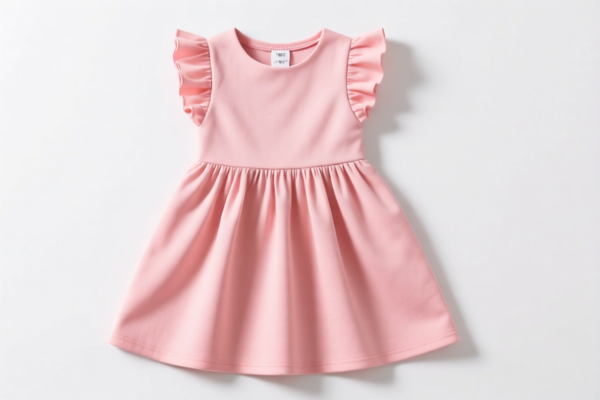
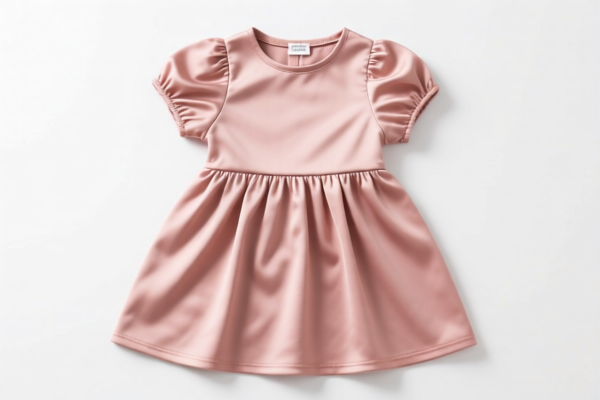


AI Analysis
👗 Polyester Dresses (Synthetic Fiber Skirts & Dresses for Women)
🌐 HS Code Reference & Clearance Guide | 2026 Latest Tariff Analysis | Professional Customs Strategy
📌 I. Product Definition & Classification: Are You Classifying "Polyester Dresses" Correctly?
A "Polyester Dress" is a generic term in international trade that can fall into multiple HS Code categories depending on its construction method (Knitted vs. Non-Knitted/Woven) and structure (Skirt vs. Full Dress). In the provided data, the classification focuses on Synthetic Fiber Skirts/Dresses for women, specifically distinguishing between Knitted and Non-Knitted types.
⚠️ Key Distinction Point:
- If the garment is Knitted (Knit) → It falls under Chapter 61 (Knitted or Crocheted).
- If the garment is Non-Knitted (Woven) → It falls under Chapter 62 (Not Knitted or Crocheted).
- Material: 100% Polyester is classified as "Synthetic Fibers."
📦 II. HS Code Classification Details (2026 Latest Tariff Authority Comparison)
Based on the provided DATA, here are the precise HS Codes for polyester-based women's skirts/dresses:
| HS Code | Product Description | Construction Type | Material Category |
|---|---|---|---|
6104.53.20.10 |
Knitted Polyester Dress/Skirt for Women | Knitted or Crocheted | Synthetic Fibers (Polyester) |
6104.53.20.20 |
Knitted Polyester Dress/Skirt for Women | Knitted or Crocheted | Synthetic Fibers (Polyester) |
6204.53.30.10 |
Non-Knitted (Woven) Polyester Dress/Skirt for Women | Not Knitted | Synthetic Fibers (Polyester) |
6204.53.30.20 |
Non-Knitted (Woven) Polyester Dress/Skirt for Women | Not Knitted | Synthetic Fibers (Polyester) |
5508.10.00.00 |
Polyester Sewing Thread | N/A (Accessory) | Short Staple Synthetic Fibers |
🔍 Critical Note:
- Chapter 61 vs. Chapter 62: This is the most common error. A "dress" made of woven polyester fabric (like cotton shirts) goes to 6204. A "dress" made of jersey/knit polyester fabric (like t-shirts) goes to 6104.
- Thread vs. Garment: If you are importing sewing thread made of polyester, it does NOT go to 6104/6204. It goes to 5508.10.00.00.
💰 III. 2026 Latest Tariff Rate Breakdown (Including Surcharges & Policy Add-ons)
✅ Applicable Country: United States (US)
✅ Origin: China (CN)
✅ Effective Date: 2025+ (Current Policy)
🎯 1. 6104.53.20.10 & 6104.53.20.20 — Knitted Polyester Dresses/Skirts
| Item | Content |
|---|---|
| Base Tariff | 16.0% (Ad Valorem) |
| Section 301 Surcharge | +7.5% (Specific to US-China Trade War) |
| Section 122 Tariff | +10% (New/Specific Provision) |
| Total Tax Rate | 33.5% |
| Tax Calculation | CIF Value × 33.5% |
| De Minimis Exemption | ❌ Not Eligible (High duty rate prevents 80/20/400/800 form exemption) |
| Legal Basis Path | HTSUS:6104.53.20.xx → Section 301: Footnote 9903.88.01 → Section 122: Specific Provision |
📌 Explanation:
- Base 16%: Standard MFN duty for women's knit synthetic skirts.
- Section 301 (7.5%): Added as part of the "List 4B" or specific exclusions for textiles from China.
- Section 122 (10%): A recent or specific additional duty applied to certain textile categories.
- Total 33.5%: This is a high tariff compared to base rates. It significantly impacts profitability.
🎯 2. 6204.53.30.10 & 6204.53.30.20 — Non-Knitted (Woven) Polyester Dresses/Skirts
| Item | Content |
|---|---|
| Base Tariff | 16.0% (Ad Valorem) |
| Section 301 Surcharge | +7.5% |
| Section 122 Tariff | +10% |
| Total Tax Rate | 33.5% |
| Tax Calculation | CIF Value × 33.5% |
| De Minimis Exemption | ❌ Not Eligible |
| Legal Basis Path | HTSUS:6204.53.30.xx → Section 301: Footnote 9903.88.01 → Section 122: Specific Provision |
📌 Note:
- The tariff structure is identical to the knitted version (33.5%).
- Do not assume woven garments have lower duties; in this specific dataset, they are taxed equally due to the surcharges.
🎯 3. 5508.10.00.00 — Polyester Sewing Thread
| Item | Content |
|---|---|
| Base Tariff | 11.4% (Ad Valorem) |
| Section 301 Surcharge | +25.0% |
| Section 122 Tariff | +10% |
| Total Tax Rate | 46.4% |
| Tax Calculation | CIF Value × 46.4% |
| De Minimis Exemption | ❌ Not Eligible |
| Legal Basis Path | HTSUS:5508.10.00.00 → Section 301: Footnote 9903.88.01 → Section 122: Specific Provision |
📌 Critical Alert:
- 46.4% is extremely high. This is one of the most heavily taxed categories in the provided data.
- If you are importing sewing threads (often used as accessories in garment kits), this duty applies.
- Misclassification Risk: Do not declare sewing thread as part of the "dress" value if it's shipped separately; it may trigger separate scrutiny.
🛠️ IV. Practical Clearance Advice (Real-World Pitfall Avoidance)
✅ 1. Preparation Checklist (Essential Documents)
| Document | Required? | Purpose |
|---|---|---|
| ✅ Garment Spec Sheet | ✔️ | Must clearly state: "Woven" or "Knitted," 100% Polyester, Women's. |
| ✅ Fabric Swatch | ✔️ | Customs may request to verify knit structure vs. woven structure. |
| ✅ Commercial Invoice | ✔️ | Clearly state "Polyester Dress/Skirt" and HS Code. Avoid generic terms like "Clothing." |
| ✅ Origin Certificate | ✔️ | To confirm China origin and apply correct Section 301/122 rates. |
| ✅ Packing List | ✔️ | Separate sewing thread (if any) from garments to avoid misclassification. |
✅ 2. Declaration Tips (Key Mnemonics)
🔥 "Knit vs. Weave Defines the Chapter! Thread is Separate!"
| Scenario | Correct HS Code | Wrong Action |
|---|---|---|
| Jersey/T-Shirt Material Dress | 6104.53.20.xx |
Declare as 6204 → Risk of penalty for wrong classification. |
| Dress Shirt Material Dress | 6204.53.30.xx |
Declare as 6104 → Risk of penalty. |
| Sewing Thread Included | 5508.10.00.00 |
Lump into garment value → High risk of audit and back-taxes. |
| Mixed Material (e.g., 50% Poly/50% Cotton) | Not in Data | Requires detailed fiber content breakdown. Do not use pure polyester codes. |
✅ 3. Special Case Handling
| Situation | Recommendation |
|---|---|
| OEM Private Label Dresses | Ensure labels match the declared material. "Polyester" on label must match "Synthetic Fiber" in HS code. |
| Sample Shipments | Even samples are subject to 33.5% duty if over de minimis limits. Plan for tax cost. |
| Accessories (Zippers, Buttons) | If declared separately, they may have different tariffs. If sewn into the dress, they are part of the dress value. |
| Sewing Thread Imports | High duty (46.4%). Consider if local sourcing is cheaper than importing thread from China. |
🌍 V. Global Market Clearance Comparison (2026 Overview)
| Country/Region | Recommended HS Code | Base Tariff | Surcharges | Total Est. | Remarks |
|---|---|---|---|---|---|
| 🇺🇸 USA | 6104.53.20.xx / 6204.53.30.xx |
16.0% | 17.5% (301+122) | 33.5% | High Cost. Plan pricing accordingly. |
| 🇺🇸 USA (Thread) | 5508.10.00.00 |
11.4% | 35.0% (301+122) | 46.4% | Extremely High. Avoid if possible. |
| 🇨🇳 China | 6104.53.20.xx |
Varies | None | Low | No Section 301/122. |
| 🇪🇺 EU | 6104.53.00 / 6204.53.00 |
~12% | None | ~12% | No Section 301. Lower cost than US. |
| 🇨🇦 Canada | 6104.53.00 / 6204.53.00 |
~16% | None | ~16% | Similar to US base rate, but no extra surcharges. |
📌 Conclusion:
- US Market is the Most Expensive: Due to Section 301 (7.5%) and Section 122 (10%) surcharges.
- Thread is the Worst Hit: 46.4% total duty makes importing polyester thread from China to the US economically challenging.
- Knitted vs. Woven: No difference in total tax rate (33.5%), so focus on correct classification to avoid penalties.
📌 VI. Common Errors & Pitfall Guide (Lessons Learned)
❌ Error 1: Declaring Knitted Dresses as Woven (or vice versa)
👉 Consequence: Classification error → Potential fines, delayed clearance, and reassessment of duties.
👉 Fix: Always verify fabric construction (Knit vs. Woven) before declaring.
❌ Error 2: Lumping Sewing Thread into Garment Value
👉 Consequence: Incorrect HS Code application. Thread has a higher duty (46.4%) than dresses (33.5%). Under-declaring thread leads to underpayment.
👉 Fix: Declare sewing thread separately if possible, or ensure accurate value allocation.
❌ Error 3: Assuming "Polyester" Means Same Duty for All Items
👉 Consequence: Confusing Garments (6104/6204) with Yarn/Thread (5508).
👉 Fix: Check the HS Code structure carefully. Chapter 50-63 is yarn/fabric/garments; Chapter 55 is synthetic fibers/threads.
❌ Error 4: Ignoring Section 122 Tariff
👉 Consequence: Miscalculating total landed cost. 10% extra is significant.
👉 Fix: Include 33.5% in your pricing model for US-bound polyester apparel.
✅ Correct Declaration Example:
"Women's Knit Polyester Dress, 100% Poly, Size M, Model XYZ" → HS: 6104.53.20.10
"Women's Woven Polyester Skirt, 100% Poly, Size L, Model ABC" → HS: 6204.53.30.10
"Polyester Sewing Thread, Spooled, 5508.10.00.00" → HS: 5508.10.00.00
🎯 VII. Conclusion: Professional Classification, Cost Control, and Compliance
🎯 Key Takeaway:
🔹 "Knit to 61, Weave to 62, Thread to 55. Don't mix them!"
🔹 "Total Tax is 33.5% for Dresses, 46.4% for Thread. Budget accordingly!"
🔹 "Section 122 and 301 are here to stay. Price them in!"
📌 Pro Tip:
If you are importing large volumes, consider Section 301 Exclusions (if available for specific textile items) or explore Nearshoring (Vietnam, Mexico) to avoid US-China surcharges. However, based on the current data, the 33.5% rate is strict.
📣 Immediate Action:
📞 Verify fabric construction (Knit vs. Woven) with your supplier.
📊 Calculate landed cost using 33.5% for dresses and 46.4% for threads.
📝 Prepare accurate commercial invoices with detailed material descriptions.
✨ Precision in Classification Saves Money in Customs!
💼 Your Profit Margin Depends on Accurate HS Codes!
Customer Reviews
About HS Code Classification
The Harmonized System (HS) is an internationally standardized nomenclature developed by the World Customs Organization (WCO) to classify traded products. Over 200 countries use the HS system as the basis for customs tariffs, trade statistics, and import/export regulations.
Each HS code follows a hierarchical structure:
- Chapter (2 digits) — Broad category of goods (e.g., Chapter 84: Machinery and Mechanical Appliances)
- Heading (4 digits) — More specific grouping within the chapter
- Subheading (6 digits) — Internationally standardized breakdown, used by all WCO member countries
- National subdivisions (8-10 digits) — Country-specific extensions for further classification, such as US HTSUS 10-digit codes
Correct HS code classification is essential for smooth customs clearance, accurate duty payment, and compliance with trade regulations. Misclassification can lead to customs delays, overpayment of duties, or penalties.
When importing from CN to US, the applicable tariff rates may include:
- Most-Favored-Nation (MFN) rate — The standard duty rate applied to WTO members
- General rate — Applied to countries without trade agreements
- Trade remedy duties — Additional tariffs such as Section 301 (anti-dumping), Section 232 (national security), or countervailing duties
The information provided on this page is for reference purposes only. For official classification, please consult with your local customs authority or a licensed customs broker.