Polyester Insulated Portable Bag
CN → US| HS Code | Tariff Rate | Origin | Destination | Doc |
|---|---|---|---|---|
| 4202923131 | 52.6% | CN | US | Official Doc |
| 3923290000 | 38.0% | CN | US | Official Doc |
| 6305330080 | 25.9% | CN | US | Official Doc |
| 4202923120 | 52.6% | CN | US | Official Doc |
| 6305390000 | 25.9% | CN | US | Official Doc |
Product Images
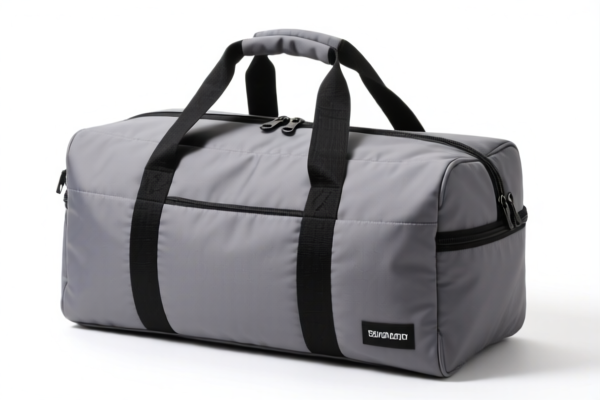
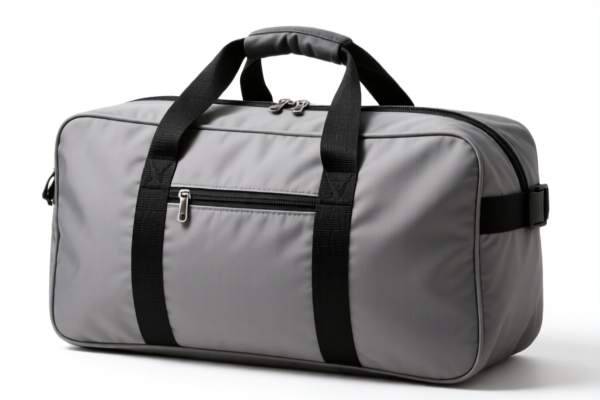
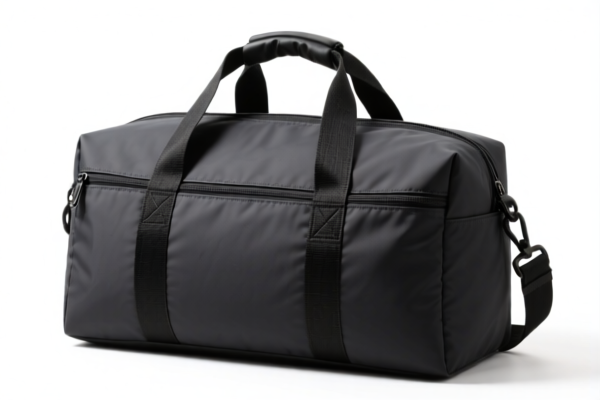
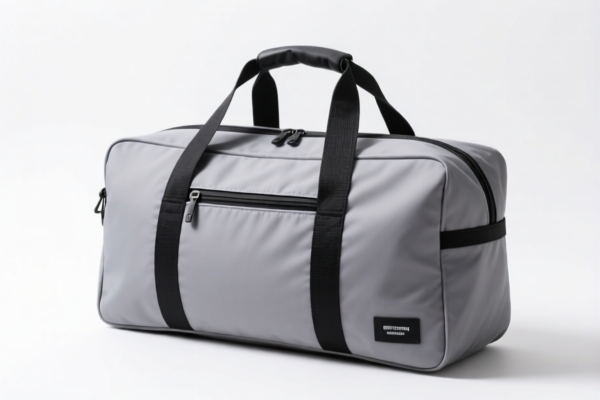
AI Analysis
🎒 Polyester Insulated Portable Bag (涤纶保温便携包)
🌐 HS Code Reference & Customs Clearance Guide | 2026 Latest Tariff Analysis | Professional Level Strategy
📌 I. Product Definition & Classification: What Exactly Is a "Polyester Insulated Portable Bag"?
A Polyester Insulated Portable Bag is typically a soft-sided container made from synthetic fibers (polyester), often lined with thermal insulation material (like foam or aluminized film) to maintain temperature for food, beverages, or medical supplies.
In international trade, the classification is tricky because it depends on its primary function: 1. As a Luggage/Travel/Sports Article: If it is designed for general carrying of personal items (like a gym bag or travel tote) with some insulation, it falls under Chapter 42. 2. As Packaging Material: If it is primarily used for shipping, bulk packaging, or is a simple sack for carrying goods without rigid structure, it falls under Chapter 63 or Chapter 39 (if plastic-coated).
⚠️ Key Distinction Point:
- If the bag has zippers, handles, shoulder straps, and a structured shape for personal use → Chapter 42 (4202)
- If the bag is a simple sack, pouch, or bulk container without complex hardware → Chapter 63 (6305)
- If the bag is essentially a plastic-lined sack primarily for industrial packaging → Chapter 39 (3923)
📦 II. HS Code Classification Details (Based on Provided Data)
The provided data lists five specific HS codes for "Polyester Sports Bags" (涤纶运动包). We will map the Polyester Insulated Portable Bag to these codes based on their functional descriptions.
| HS Code | Product Description (Summary) | Application Scenario | Tax Rate (Total) |
|---|---|---|---|
4202.92.31.31 |
Polyester sports bag, travel/sports bag with outer surface made of man-made fiber textiles | High-End Travel/Gym Bag: Structured bag with straps, zippers, designed for personal use. | 52.6% |
3923.29.00.00 |
Polyester sports bag, plastic packaging supplies, material is polyester fiber | Plastic-Heavy Packaging: Bags that are essentially plastic sacks with polyester lining, used for bulk transport. | 38.0% |
6305.33.00.80 |
Polyester sports bag, sack for packaging/carrying, material is man-made textile | Standard Textile Sack: Simple textile bags without complex hardware, used for general carrying/packaging. | 25.9% |
4202.92.31.20 |
Polyester sports bag, sports bag made of textile materials, material is synthetic fiber | Standard Sports/Travel Bag: Similar to 31.31 but potentially different sub-category for synthetic fibers. | 52.6% |
6305.39.00.00 |
Polyester sports bag, fits bag usage, material is man-made textile | General Textile Bag: Other textile sacks/bags not specified elsewhere in 6305. | 25.9% |
🔍 Key Insight:
- Chapter 42 (4202) items are treated as articles of luggage, attracting higher base tariffs (17.6%) but still have the same附加税 (25% + 10%).
- Chapter 63 (6305) items are treated as packaging materials, attracting lower base tariffs (8.4%).
- Chapter 39 (3923) items are treated as plastic packaging, with the lowest base tariff (3.0%).
💰 III. 2026 Latest Tariff Rate Breakdown (Including Surtaxes & Policy Add-ons)
✅ Applicable Country: USA (US)
✅ Origin: China (CN)
✅ Effective Date: November 10, 2025 onwards (including subsequent imports)
🎯 1. 4202.92.31.31 & 4202.92.31.20 —— Luggage/Travel Bags (Man-Made Fiber)
| Item | Detail |
|---|---|
| Base Tariff | 17.6% |
| Section 301 Surtax | +25.0% |
| Section 122 Tariff | +10.0% |
| Total Rate | 52.6% |
| Calculation Method | CIF Value × 52.6% |
| De Minimis Exemption? | ❌ No (deny_de_minimis) |
| Legal Basis Path | Section 301: 25% → Section 122: 10% → HTSUS: 4202.92.31.xx |
📌 Explanation:
- These are classified as travel/luggage articles.
- The high base tariff (17.6%) reflects the value-added nature of finished goods.
- Total burden: 52.6%. This is a significant cost. Ensure marketing justifies the premium if selling in the US.
🎯 2. 3923.29.00.00 —— Plastic Packaging Supplies (Polyester Fiber)
| Item | Detail |
|---|---|
| Base Tariff | 3.0% |
| Section 301 Surtax | +25.0% |
| Section 122 Tariff | +10.0% |
| Total Rate | 38.0% |
| Calculation Method | CIF Value × 38.0% |
| De Minimis Exemption? | ❌ No (deny_de_minimis) |
| Legal Basis Path | Section 301: 25% → Section 122: 10% → HTSUS: 3923.29.00.00 |
📌 Explanation:
- This code is for plastic packaging. If your bag is heavily coated or primarily plastic with polyester, this applies.
- Total burden: 38.0%. This is 14.6% cheaper than Chapter 42.
- Strategy: If the bag can be legitimately classified here (i.e., primarily packaging, not luxury luggage), you save significant money.
🎯 3. 6305.33.00.80 & 6305.39.00.00 —— Textile Sacks/Packaging Bags
| Item | Detail |
|---|---|
| Base Tariff | 8.4% |
| Section 301 Surtax | +7.5% |
| Section 122 Tariff | +10.0% |
| Total Rate | 25.9% |
| Calculation Method | CIF Value × 25.9% |
| De Minimis Exemption? | ❌ No (deny_de_minimis) |
| Legal Basis Path | Section 301: 7.5% → Section 122: 10% → HTSUS: 6305.33.00.80 / 6305.39.00.00 |
📌 Explanation:
- These are classified as packaging sacks. Note the Section 301 rate is only 7.5%, not 25%!
- Total burden: 25.9%. This is the lowest tariff among all options.
- Strategy: If the bag is simple, unbranded, or used for bulk/industrial carrying, classify here to save 26.7% compared to Chapter 42.
🛠️ IV. Customs Clearance Practical Advice (Avoiding Pitfalls)
✅ 1. Documentation Checklist (Essential)
| Document | Required | Notes |
|---|---|---|
| ✅ Product Specification Sheet | ✔️ | Must detail: Material (Polyester %), Lining (Insulation type), Dimensions, Closure type. |
| ✅ Photos (Clear & Detailed) | ✔️ | Show zippers, handles, labels, and interior lining. Proof of "Luggage" vs. "Sack". |
| ✅ Commercial Invoice | ✔️ | Use precise description: "Polyester Insulated Tote Bag for Travel" or "Polyester Packaging Sack". Avoid vague terms. |
| ✅ Packing List | ✔️ | List contents per box. Ensure no mix of "Luggage" and "Packaging" in one shipment if possible. |
| ✅ Certificate of Origin (CO) | ✔️ | Required for China-origin goods to confirm Section 301 applicability. |
✅ 2. Declaration Strategy (Critical Tips)
🔥 Golden Rule: "Form Defines Function, Function Defines Tax!"
| Scenario | Recommended HS Code | Why? |
|---|---|---|
| Structured Bag (Handles, Zippers, Brand, Fashion Design) |
4202.92.31.31 or 4202.92.31.20 |
Fits "Travel/Sports Bag" definition. Higher base tariff but expected for finished goods. |
| Simple Sack (Drawstring, No Rigid Structure, Bulk Use) |
6305.33.00.80 or 6305.39.00.00 |
Fits "Sack for Packaging". Lowest tax (25.9%). Best for B2B bulk sales. |
| Plastic-Coated Bag (Mainly plastic with polyester thread) |
3923.29.00.00 |
Fits "Plastic Packaging". Mid-range tax (38.0%). Use if plastic content >50%. |
⚠️ Warning:
- Do not declare a luxury travel bag as a "Sack" to save tax. CBP may audit and reclassify, leading to penalties and back taxes.
- Do not declare a simple sack as a "Travel Bag". You will overpay tax unnecessarily.
✅ 3. Special Case Handling
| Situation | Advice |
|---|---|
| Insulation Layer | Mention "Insulated" in description. If insulation is aluminum foil, it may lean toward 3923. If it's foam, it may lean toward 4202. |
| OEM/White Label | If unbranded, classify as 6305 (Packaging) to save tax, provided it’s not designed for personal fashion use. |
| Set with Accessories | If bag + cooler bottle + utensils, declare as a Set. Main character determines HS Code (usually the bag). |
🌍 V. Global Market Comparison (2026)
| Market | Recommended HS Code | Total Tariff (China Origin) | Notes |
|---|---|---|---|
| 🇺🇸 USA | 6305.33.00.80 |
25.9% | Lowest tariff for textile sacks. Avoid 4202 if possible. |
| 🇺🇸 USA | 4202.92.31.31 |
52.6% | High tariff for finished luggage. |
| 🇪🇺 EU | 4202.92.00 |
~12% | No Section 301/122 surtaxes. Lower overall cost. |
| 🇨🇳 China | 4202.92.00 |
~10-15% | Domestic export to China? N/A. For re-export? Check local rules. |
📌 Conclusion:
- For US Market: Aim for6305.33.00.80or6305.39.00.00if the bag can be justified as a packaging/sack.
- For EU/Other Markets: No Section 301/122 surtaxes, so4202is more competitive.
📌 VI. Common Mistakes & Pitfalls (Blood & Tears Lessons)
❌ Mistake 1: Calling a structured travel bag a "Sack" to get 25.9% tax.
👉 Consequence: CBP audit → Reclassification to 4202 → Pay 52.6% + Penalties + Interest.
❌ Mistake 2: Ignoring Section 122 Tariff (+10%).
👉 Consequence: Underpayment by 10% on all shipments since Nov 2025.
❌ Mistake 3: Using vague descriptions like "Bag" in the invoice.
👉 Consequence: CBP may assign a default higher duty rate or hold shipment for detailed review.
✅ Correct Approach:
"Polyester Insulated Tote Bag, 15x12x8 inches, with Zipper Closure, Aluminum Foil Lining, White Color, Model ABC"
→ Classify as4202.92.31.31(if structured) OR6305.33.00.80(if simple sack).
🎯 VII. Conclusion: Professional Declaration, Cost Optimization!
🎯 Remember the Rules:
🔹 "Structured & Fashioned → Chapter 42 (52.6%)"
🔹 "Simple Sack/Packaging → Chapter 63 (25.9%)"
🔹 "Plastic-Coated → Chapter 39 (38.0%)"
🔹 "Section 122 (+10%) applies to ALL"
📌 Pro Tip:
If your bag is primarily for insulation and bulk transport (e.g., lunch boxes, medical supplies), try to justify 6305.33.00.80. This saves 26.7% in taxes compared to luxury luggage classification.
📣 Take Action Now:
📞 Consult a Customs Broker to Pre-ruling (Advance Ruling) on your bag’s classification.
🚀 Optimize your HS Code, Save 26.7%, Boost Your Profit Margins!
✨ Professional Clearance Starts with Precise Classification!
💼 Every Dollar Saved is a Dollar Earned!
Customer Reviews
About HS Code Classification
The Harmonized System (HS) is an internationally standardized nomenclature developed by the World Customs Organization (WCO) to classify traded products. Over 200 countries use the HS system as the basis for customs tariffs, trade statistics, and import/export regulations.
Each HS code follows a hierarchical structure:
- Chapter (2 digits) — Broad category of goods (e.g., Chapter 84: Machinery and Mechanical Appliances)
- Heading (4 digits) — More specific grouping within the chapter
- Subheading (6 digits) — Internationally standardized breakdown, used by all WCO member countries
- National subdivisions (8-10 digits) — Country-specific extensions for further classification, such as US HTSUS 10-digit codes
Correct HS code classification is essential for smooth customs clearance, accurate duty payment, and compliance with trade regulations. Misclassification can lead to customs delays, overpayment of duties, or penalties.
When importing from CN to US, the applicable tariff rates may include:
- Most-Favored-Nation (MFN) rate — The standard duty rate applied to WTO members
- General rate — Applied to countries without trade agreements
- Trade remedy duties — Additional tariffs such as Section 301 (anti-dumping), Section 232 (national security), or countervailing duties
The information provided on this page is for reference purposes only. For official classification, please consult with your local customs authority or a licensed customs broker.