Polyester Lace Dyed Curtain
CN → US| HS Code | Tariff Rate | Origin | Destination | Doc |
|---|---|---|---|---|
| 6303120010 | 28.8% | CN | US | Official Doc |
| 6303120090 | 28.8% | CN | US | Official Doc |
| 5804210000 | 47.0% | CN | US | Official Doc |
| 5407522060 | 49.9% | CN | US | Official Doc |
Product Images
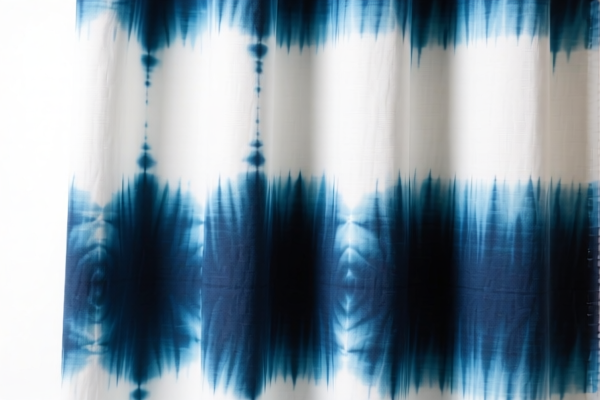
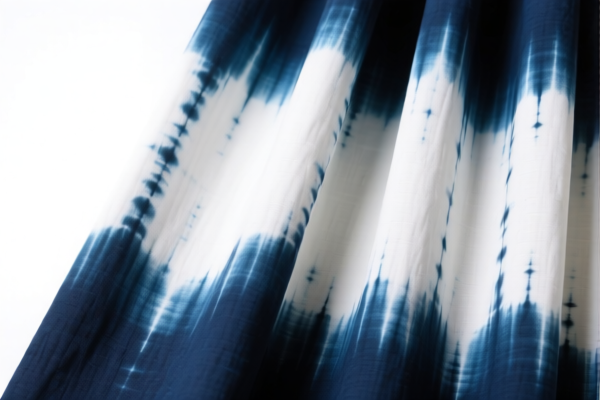
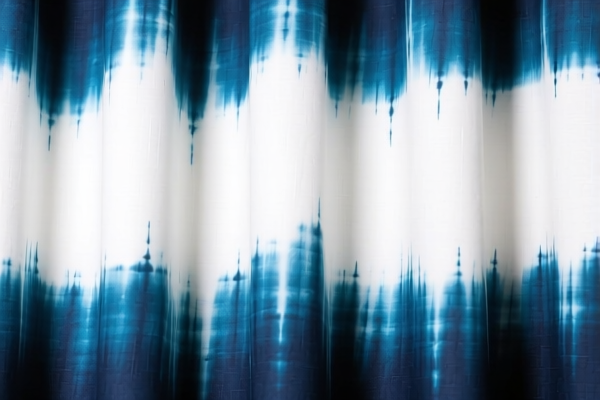
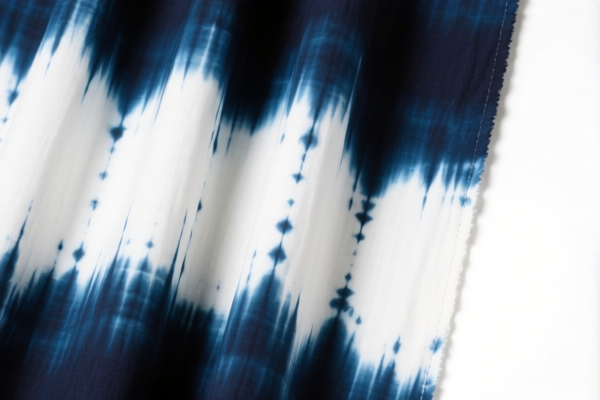
AI Analysis
🌟 Polyester Lace Dyed Curtain
🌐 HS Code Classification & Customs Clearance Guide | 2026 Updated Tariff Breakdown | Pro Tips for Exporters & Importers
📌 One Product, Four Key HS Codes — Know Which One Applies to Your Shipment!
📦 I. Product Definition & Classification: What Exactly Is a “Polyester Lace Dyed Curtain”?
A Polyester Lace Dyed Curtain is a decorative window treatment made from dyed polyester lace fabric, typically used for interior decoration, privacy, or light filtering. It’s not a plain curtain but a textile with a lace pattern, often machine-made, and dyed after weaving.
⚠️ Critical Distinction: - If it's fully made of lace fabric, with no solid backing or coating, and used as a curtain, it falls under textile-based decorative items. - If it's a solid polyester curtain with lace trim, it may be classified differently — but this guide focuses only on lace fabric used as a curtain.
📊 II. HS Code Breakdown (2026 Updated Tariff Authority – U.S. Customs)
| HS Code | Product Description | Tax Rate | Key Classification Criteria |
|---|---|---|---|
6303.12.00.90 |
Polyester (synthetic fiber) curtains, knitted or crocheted | 28.8% | Must be knitted or crocheted, not woven, and used as curtains |
5804.21.00.00 |
Machine-made lace of synthetic fibers (e.g., polyester) | 47.0% | Lace fabric only, not assembled into a curtain, but used in curtain-making |
5407.52.20.60 |
Dyed polyester filament yarns, woven fabric | 49.9% | Dyed polyester long-filament woven fabric, used in curtains |
6303.12.00.10 |
Polyester (synthetic fiber) window shading curtains, fully functional | 28.8% | Fully functional window shades, not just decorative lace |
🔍 Why So Many HS Codes?
The same product can be classified differently depending on: - Manufacturing method (knitted vs. woven vs. lace) - End use (decorative lace vs. functional shade) - Fabric structure (openwork lace vs. solid fabric) - Dyeing process (before or after weaving)
💰 III. 2026 U.S. Tariff Breakdown (Detailed & Legal-Compliant)
✅ Applicable Country: United States (US)
✅ Origin: China (CN)
✅ Effective Date: November 10, 2025 (and onward)
✅ Legal Basis: USITC Section 301, IEEPA, and Section 122 Tariff Authority
🎯 1. 6303.12.00.90 — Knitted/Crocheted Polyester Curtains
| Item | Detail |
|---|---|
| Base Tariff | 11.3% |
| Section 301 (USITC) Additional Duty | +7.5% |
| Section 122 (IEEPA) Additional Duty | +10.0% |
| Total Effective Rate | 28.8% |
| Tax Calculation | CIF Value × 28.8% |
| De Minimis Exemption | ❌ Not applicable (denied) |
| Legal Pathway | IEEPA:9903.01.25 → USITC:6303.12.00.90 → FOOTNOTE:9903.88.01 |
📌 Why This Applies: - The curtain is knitted or crocheted (not woven). - Made of synthetic fibers (polyester). - Used as a window curtain, not just a decorative element. - Not a solid fabric — has openwork structure.
🎯 2. 5804.21.00.00 — Machine-Made Synthetic Fiber Lace (e.g., Polyester Lace)
| Item | Detail |
|---|---|
| Base Tariff | 12.0% |
| Section 301 (USITC) Additional Duty | +25.0% |
| Section 122 (IEEPA) Additional Duty | +10.0% |
| Total Effective Rate | 47.0% |
| Tax Calculation | CIF Value × 47.0% |
| De Minimis Exemption | ❌ Not applicable |
| Legal Pathway | IEEPA:9903.01.25 → USITC:5804.21.00.00 → FOOTNOTE:9903.88.01 |
📌 Why This Applies: - The product is machine-made lace, not a finished curtain. - Made of synthetic fibers (polyester). - Not assembled into a curtain — sold as fabric. - Even if used in curtains, if not yet assembled, it’s classified as lace fabric.
⚠️ High-Risk Scenario:
If you ship "lace fabric" and declare it as a "curtain", you risk misclassification, penalties, and rejection.
🎯 3. 5407.52.20.60 — Dyed Polyester Filament Woven Fabric
| Item | Detail |
|---|---|
| Base Tariff | 14.9% |
| Section 301 (USITC) Additional Duty | +25.0% |
| Section 122 (IEEPA) Additional Duty | +10.0% |
| Total Effective Rate | 49.9% |
| Tax Calculation | CIF Value × 49.9% |
| De Minimis Exemption | ❌ Not applicable |
| Legal Pathway | IEEPA:9903.01.25 → USITC:5407.52.20.60 → FOOTNOTE:9903.88.01 |
📌 Why This Applies: - The fabric is woven, not knitted. - Made from polyester long filaments. - Dyed after weaving. - Used in curtains, shades, or decorative panels.
🔥 Key Insight:
If your lace is actually a woven fabric with a lace-like pattern, it may fall here — not as lace, but as dyed woven fabric.
🎯 4. 6303.12.00.10 — Polyester Window Shading Curtains (Functional)
| Item | Detail |
|---|---|
| Base Tariff | 11.3% |
| Section 301 (USITC) Additional Duty | +7.5% |
| Section 122 (IEEPA) Additional Duty | +10.0% |
| Total Effective Rate | 28.8% |
| Tax Calculation | CIF Value × 28.8% |
| De Minimis Exemption | ❌ Not applicable |
| Legal Pathway | IEEPA:9903.01.25 → USITC:6303.12.00.10 → FOOTNOTE:9903.88.01 |
📌 Why This Applies: - The curtain is fully functional — shades light, provides privacy, used in windows. - Made of polyester. - Not just decorative — meets functional window treatment standards. - May be knitted, crocheted, or woven, but used as a shade.
✅ Best for: Functional, full-length, dyed polyester lace curtains used in homes/offices.
🛠️ IV. Customs Clearance Best Practices (Pro Tips for 2026)
✅ 1. Required Documents (Non-Negotiable)
| Document | Must Provide? | Why It Matters |
|---|---|---|
| ✅ Commercial Invoice | ✔️ | Must clearly state: "Polyester Lace Dyed Curtain, Knitted/Crocheted, for Window Use" |
| ✅ Packing List | ✔️ | Show unit count, weight, dimensions, and packaging |
| ✅ Product Photos | ✔️ | Show front, back, edge detail, and fabric structure |
| ✅ Fabric Test Report | ✔️ | Prove polyester content, dyeing method, knit/crochet structure |
| ✅ Certificate of Origin (CO) | ✔️ | Required for USITC/IEEPA duty calculation |
| ✅ HS Code Pre-Ruling Request (Optional) | ✔️ | Highly Recommended — avoid disputes |
✅ 2.申报技巧(申报口诀)
🔥 “结构看织法,用途定税号,功能定分类,别把 lace 当 curtain!”
| Scenario | Correct HS Code | Wrong Code | Risk |
|---|---|---|---|
| Knitted polyester lace curtain (functional) | 6303.12.00.10 |
5804.21.00.00 |
+20% tax |
| Machine-made lace fabric (not assembled) | 5804.21.00.00 |
6303.12.00.90 |
+20% tax + penalties |
| Woven dyed polyester fabric used in curtains | 5407.52.20.60 |
6303.12.00.10 |
+20% tax + audit risk |
| Decorative lace (not for curtains) | 5804.21.00.00 |
6303.12.00.10 |
Wrong classification |
✅ 3. Special Cases & Solutions
| Case | Solution |
|---|---|
| Lace with blackout lining | Still classified as 6303.12.00.10 if functional |
| Lace sold as fabric roll | Must be 5804.21.00.00 — not a curtain |
| Custom dyeing after import | Still taxed at import time — duty based on final product |
| Re-exported after modification | May qualify for drawback program — consult broker |
🌍 V. Global Market Comparison (2026 Tariff Snapshot)
| Country | Recommended HS Code | Base Tariff | Additional Duties | Notes |
|---|---|---|---|---|
| 🇺🇸 USA | 6303.12.00.10 or 5804.21.00.00 |
11.3%–14.9% | +7.5%–25% +10% | 47%–49.9% total |
| 🇨🇳 China | 6303.12.00.10 |
5% | 0% | No extra duties |
| 🇪🇺 EU | 6303.12.00.10 |
0% | 0% | CE mark required |
| 🇦🇺 Australia | 6303.12.00.10 |
5% | 0% | RCM compliance |
| 🇯🇵 Japan | 6303.12.00.10 |
0% | 0% | PSE certification |
📌 Insight:
- The U.S. is the only market with high附加 taxes on polyester lace curtains. - China, EU, Australia, Japan have much lower tariffs — consider re-export strategy.
🚨 VI. Common Mistakes & How to Avoid Them (Real-World Risks)
❌ Mistake 1: Declaring "lace fabric" as "curtain"
👉 Result: Overpaid duty, audit risk, penalties.
❌ Mistake 2: Using "polyester curtain" without specifying knit/crochet/woven
👉 Result: Incorrect HS Code → delayed clearance, rejection.
❌ Mistake 3: Not providing fabric structure proof
👉 Result: Customs cannot verify classification → hold shipment.
❌ Mistake 4: Assuming all lace = same tax
👉 Result: Paying 49.9% instead of 28.8% — loss of 21% profit.
✅ Correct Declaration Example:
"Knitted Polyester Lace Curtain, Dyed, for Window Shading, 100% Polyester, 1.5m x 2.5m, Model ABC123, with Fabric Test Report & CO"
🎯 VII. Final Verdict: Choose the Right HS Code, Save 20%+ in Duties!
🔹 If it’s a finished, functional curtain → Use
6303.12.00.10or6303.12.00.90→ 28.8%
🔹 If it’s raw lace fabric → Use5804.21.00.00→ 47.0%
🔹 If it’s woven dyed fabric → Use5407.52.20.60→ 49.9%📌 Pro Tip:
Request a pre-ruling from U.S. Customs before shipment — $100–$300 fee → saves $10,000+ in risk.
📣 Take Action Now!
📞 Contact a U.S. Customs Broker + Submit:
- Product photos
- Fabric test report
- Commercial invoice
- Request HS Code Pre-Ruling🚀 Your shipment will clear faster, pay less tax, and avoid penalties!
✨ Smart Exporting Starts with Smart Classification!
💼 One wrong code = 20% lost profit. One right code = global success.
Customer Reviews
About HS Code Classification
The Harmonized System (HS) is an internationally standardized nomenclature developed by the World Customs Organization (WCO) to classify traded products. Over 200 countries use the HS system as the basis for customs tariffs, trade statistics, and import/export regulations.
Each HS code follows a hierarchical structure:
- Chapter (2 digits) — Broad category of goods (e.g., Chapter 84: Machinery and Mechanical Appliances)
- Heading (4 digits) — More specific grouping within the chapter
- Subheading (6 digits) — Internationally standardized breakdown, used by all WCO member countries
- National subdivisions (8-10 digits) — Country-specific extensions for further classification, such as US HTSUS 10-digit codes
Correct HS code classification is essential for smooth customs clearance, accurate duty payment, and compliance with trade regulations. Misclassification can lead to customs delays, overpayment of duties, or penalties.
When importing from CN to US, the applicable tariff rates may include:
- Most-Favored-Nation (MFN) rate — The standard duty rate applied to WTO members
- General rate — Applied to countries without trade agreements
- Trade remedy duties — Additional tariffs such as Section 301 (anti-dumping), Section 232 (national security), or countervailing duties
The information provided on this page is for reference purposes only. For official classification, please consult with your local customs authority or a licensed customs broker.