Polyester Outdoor Insulated Bag
CN → US| HS Code | Tariff Rate | Origin | Destination | Doc |
|---|---|---|---|---|
| 4202920809 | 42.0% | CN | US | Official Doc |
| 4202920807 | 42.0% | CN | US | Official Doc |
| 6307909891 | 24.5% | CN | US | Official Doc |
| 4202923120 | 52.6% | CN | US | Official Doc |
| 4202923131 | 52.6% | CN | US | Official Doc |
Product Images
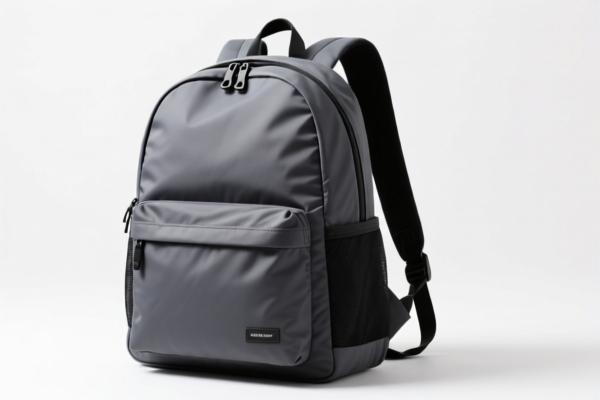
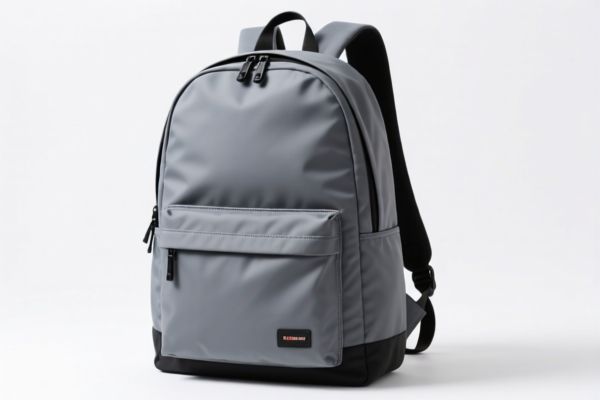
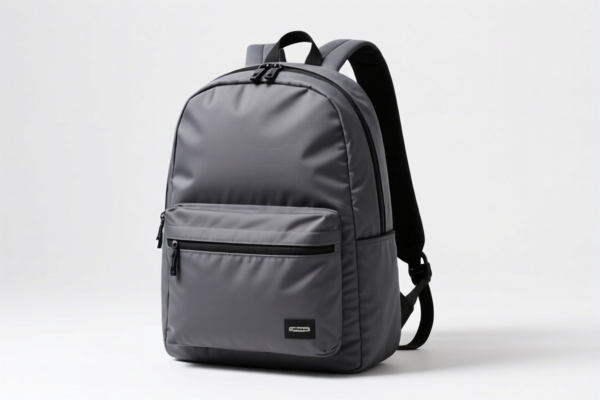

AI Analysis
🎒 Polyester Outdoor Insulated Bag
🌐 HS Code Reference & Customs Clearance Guide | 2026 Latest Tariff Analysis | Professional Logistics Strategy
📌 1. Product Definition & Classification: Is It a Lunch Bag, an Insulator, or a Sports Bag?
Polyester outdoor insulated bags are versatile containers used for temperature control, sports, and insulation. In international trade, their classification depends strictly on material composition (Synthetic vs. Artificial) and specific usage (Food/Warmth vs. General/Travel). Misclassification can lead to severe tariff penalties due to US-China trade restrictions (Section 301 & Section 122).
⚠️ Critical Distinction Points:
- Food/Warmth Focus: If the bag is primarily for keeping food warm/cold (lunch bags), it often falls under 4202 (Travel, Satchels, and Similar Containers).
- General/Insulation Focus: If it is a generic insulated pouch or industrial insulation bag, it may fall under 6307 (Other Made-up Articles).
- Sports/Travel Focus: If designed explicitly for sports or general travel gear (not just food), it falls under 4202.
- Material Matters: "Synthetic Fibers" (Polyester) vs. "Artificial Fibers" can trigger different sub-headings within the same chapter, affecting duty rates.
📦 2. HS Code Classification Matrix (Based on Provided Data)
| HS Code | Product Description | Material Composition | Primary Usage | Total Tax Rate | Key Tariff Components |
|---|---|---|---|---|---|
4202.92.08.09 |
Polyester Warm Food Bag | Synthetic Fibers | Keeping Food Warm/Cold | 42.0% | Base 7% + 301 (25%) + 122 (10%) |
4202.92.08.07 |
Polyester Insulated Food Bag | Artificial Fibers | Insulating Food | 42.0% | Base 7% + 301 (25%) + 122 (10%) |
6307.90.98.91 |
Polyester Food Bag | Polyester Fiber | Other Made-up Articles | 24.5% | Base 7% + 301 (7.5%) + 122 (10%) |
4202.92.31.20 |
Polyester Sports Bag | Synthetic Fibers | Sports Equipment | 52.6% | Base 17.6% + 301 (25%) + 122 (10%) |
4202.92.31.31 |
Polyester Travel/Sports Bag | Artificial Fibers | Travel/Sports/General | 52.6% | Base 17.6% + 301 (25%) + 122 (10%) |
🔍 Observation:
- The lowest tariff (24.5%) applies to6307.90.98.91if classified as a generic "made-up article" rather than a specific food or sports container.
- Sports/Travel bags face the highest penalty (52.6%) due to higher base duties (17.6%).
- Food bags (both synthetic and artificial) are capped at 42.0%.
💰 3. Detailed Tariff Breakdown (2026 Customs Regime)
✅ Applicable Region: United States (US)
✅ Origin: China (CN)
✅ Effective Date: Post-2025 Trade Adjustments
🎯 1. 4202.92.08.09 & 4202.92.08.07 — Food/Insulation Bags
Total Duty: 42.0%
| Component | Rate | Legal Basis | Explanation |
|---|---|---|---|
| Base Duty | 7.0% | HTSUS 4202.92 | Standard duty for travel/satchel articles of sheeting of textile materials. |
| Section 301 Tariff | 25.0% | USITC Footnote | Additional duty on Chinese-made goods in heading 4202. |
| Section 122 Tariff | 10.0% | IEEPA | Emergency tariff on specific Chinese textile/apparel items. |
| Total | 42.0% | High Impact Category |
📌 Note: Whether the material is "Synthetic" (
.09) or "Artificial" (.07), the total effective rate remains 42.0%. The distinction is purely statistical and regulatory, not cost-saving in this context.
🎯 2. 6307.90.98.91 — Generic Polyester Food Bag
Total Duty: 24.5%
💡 STRATEGIC ADVANTAGE: Lowest Tax Bracket
| Component | Rate | Legal Basis | Explanation |
|---|---|---|---|
| Base Duty | 7.0% | HTSUS 6307.90 | Other made-up articles of textiles. |
| Section 301 Tariff | 7.5% | USITC Footnote | Reduced Section 301 rate for this specific sub-category compared to 4202. |
| Section 122 Tariff | 10.0% | IEEPA | Standard 122 tariff applies. |
| Total | 24.5% | Optimization Opportunity |
📌 Why is it cheaper?
- The Section 301 tariff for6307.90is only 7.5%, whereas for4202.92it is 25.0%.
- Strategy: If the bag can be described as a "general insulated pouch" or "other made-up article" rather than a specialized "food container" or "sports bag," this classification saves 17.5% in duties.
🎯 3. 4202.92.31.20 & 4202.92.31.31 — Sports/Travel Bags
Total Duty: 52.6%
⚠️ HIGHEST RISK CATEGORY
| Component | Rate | Legal Basis | Explanation |
|---|---|---|---|
| Base Duty | 17.6% | HTSUS 4202.92 | Higher base rate for specific satchel types (often due to construction/material specifics). |
| Section 301 Tariff | 25.0% | USITC Footnote | Full 301 penalty applies. |
| Section 122 Tariff | 10.0% | IEEPA | Standard 122 tariff applies. |
| Total | 52.6% | Avoid if Possible |
📌 Warning:
- Do not classify a simple insulated food bag as a "Sports Bag" unless it is specifically designed for athletic equipment (e.g., helmet liners, gear bags).
- Misclassifying a food bag as a sports bag does not save money; it increases costs. However, misclassifying a sports bag as a food bag (4202.92.08) is a compliance risk.
🛠️ 4. Customs Clearance Practical Advice
✅ 1. Documentation Requirements (Critical for US Customs)
| Document | Requirement | Why It Matters |
|---|---|---|
| Commercial Invoice | Must specify "Polyester Insulated Bag" + Material (Synthetic/Artificial) | Determines HS Code sub-heading (.07 vs .09). |
| Product Description | Use precise terms: "Insulated pouch for food storage" vs "Sports equipment carrier" | Avoids ambiguity that could lead to classification by CBP as the higher-taxed "Sports" category. |
| Material Declaration | Clearly state: "Shell: 100% Polyester (Synthetic)" or "Lining: Artificial Fiber" | Critical for distinguishing between .08.09 (Synthetic) and .08.07 (Artificial). |
| Photos | Show interior lining, zippers, and any branding | CBP may inspect to determine if it’s a "sports bag" (has shoulder straps, rigid structure) or a "food bag" (flexible, insulated). |
✅ 2. Classification Strategy & Tax Optimization
| Scenario | Recommended HS Code | Total Tax | Strategy |
|---|---|---|---|
| Standard Lunch/Insulated Bag | 6307.90.98.91 |
24.5% | BEST OPTION: Describe as "Insulated Textile Pouch" or "Other Made-up Article." Avoid words like "Sports" or "Travel" unless necessary. |
| Specialized Food Carrier | 4202.92.08.09 |
42.0% | Acceptable if marketing requires "Food Bag" labeling. Still cheaper than sports bags. |
| Gym/Travel Gear Bag | 4202.92.31.20 |
52.6% | AVOID for food products. Only use if the bag is clearly for sports gear (water bottles, towels, etc.) and not primarily for food temperature control. |
🔥 Key Tip:
The difference between 24.5% and 42.0% is 17.5%. For a $10,000 shipment, this is a $1,750 saving.
Can you classify it as6307.90.98.91?
- ✅ Yes, if it’s a generic insulated pouch.
- ❌ No, if it has specialized food-container features (compartmentalized, FDA-approved lining, marketed explicitly as "Lunch Bag").
✅ 3. Common Mistakes & Pitfalls
❌ Mistake 1: Using "Lunch Bag" in the description but classifying under 4202.92.31 (Sports).
👉 Result: CBP may reject or reclassify, leading to 52.6% duty + penalties.
❌ Mistake 2: Confusing "Synthetic" vs. "Artificial" Fiber.
👉 Result: Both result in 42% for food bags, but incorrect labeling can cause customs delays for verification.
❌ Mistake 3: Ignoring Section 122 Tariff.
👉 Result: All these codes carry a 10% Section 122 tariff. This is non-negotiable for Chinese-made textile articles in these categories.
🌍 5. Global Market Comparison (2026)
| Country | HS Code | Estimated Duty | Notes |
|---|---|---|---|
| 🇺🇸 USA | 6307.90.98.91 |
24.5% | Best rate for generic insulated bags. |
| 🇪🇺 EU | 6307.90.90 |
~4% - 6% | No Section 301/122. Lower base duty. |
| 🇨🇳 China | 6307.90.90 |
~15% | Import duty into China. |
| 🇬🇧 UK | 6307.90.90 |
~4% | Post-Brexit tariff alignment with EU. |
📌 Conclusion for US Exporters:
The US market is the most challenging due to Section 301 & 122 tariffs.
Optimization Path:
1. Avoid "Sports Bag" classification (4202.92.31) unless necessary → 52.6%.
2. Prefer6307.90.98.91if product design allows → 24.5%.
3. Use4202.92.08as a fallback for dedicated food bags → 42.0%.
📌 6. Actionable Checklist for Importers
- Review Product Design: Does it have rigid structures, shoulder straps, or athletic branding? If yes, it may be forced into
4202.92.31. If it’s a soft pouch,6307.90is viable. - Update Marketing Materials: Use terms like "Insulated Pouch," "Thermal Bag," or "Textile Container" instead of "Sports Bag" if aiming for the 24.5% rate.
- Check Material Labels: Ensure the hangtag says "Polyester (Synthetic)" or "Artificial Fiber" accurately to match the HS sub-heading.
- Calculate Landed Cost:
- $100 Product @ 24.5% = $24.50 Duty
- $100 Product @ 42.0% = $42.00 Duty
- $100 Product @ 52.6% = $52.60 Duty
🎯 7. Final Recommendation
🚀 Pro Tip:
For Polyester Outdoor Insulated Bags, the most cost-effective and compliant classification is often6307.90.98.91(Other Made-up Articles), provided the product is not explicitly a "sports equipment carrier" or "luxury travel bag."Avoid
4202.92.31.20/.31(Sports Bags) unless the product is genuinely for athletic use, as the 52.6% duty is prohibitively expensive.Always include a detailed product description in the commercial invoice to support your chosen HS Code.
✨ Professional Customs Clearance Starts with Precise Classification!
💼 Save 17.5% - 28% in duties by choosing the right HS Code!
Customer Reviews
About HS Code Classification
The Harmonized System (HS) is an internationally standardized nomenclature developed by the World Customs Organization (WCO) to classify traded products. Over 200 countries use the HS system as the basis for customs tariffs, trade statistics, and import/export regulations.
Each HS code follows a hierarchical structure:
- Chapter (2 digits) — Broad category of goods (e.g., Chapter 84: Machinery and Mechanical Appliances)
- Heading (4 digits) — More specific grouping within the chapter
- Subheading (6 digits) — Internationally standardized breakdown, used by all WCO member countries
- National subdivisions (8-10 digits) — Country-specific extensions for further classification, such as US HTSUS 10-digit codes
Correct HS code classification is essential for smooth customs clearance, accurate duty payment, and compliance with trade regulations. Misclassification can lead to customs delays, overpayment of duties, or penalties.
When importing from CN to US, the applicable tariff rates may include:
- Most-Favored-Nation (MFN) rate — The standard duty rate applied to WTO members
- General rate — Applied to countries without trade agreements
- Trade remedy duties — Additional tariffs such as Section 301 (anti-dumping), Section 232 (national security), or countervailing duties
The information provided on this page is for reference purposes only. For official classification, please consult with your local customs authority or a licensed customs broker.