Polyester Plain Weave Bed Sheet Fabric
CN → US| HS Code | Tariff Rate | Origin | Destination | Doc |
|---|---|---|---|---|
| 5407510020 | 49.9% | CN | US | Official Doc |
| 5408312030 | 49.9% | CN | US | Official Doc |
| 5408349030 | 47.0% | CN | US | Official Doc |
| 5512110022 | 47.0% | CN | US | Official Doc |
| 5512110027 | 47.0% | CN | US | Official Doc |
Product Images
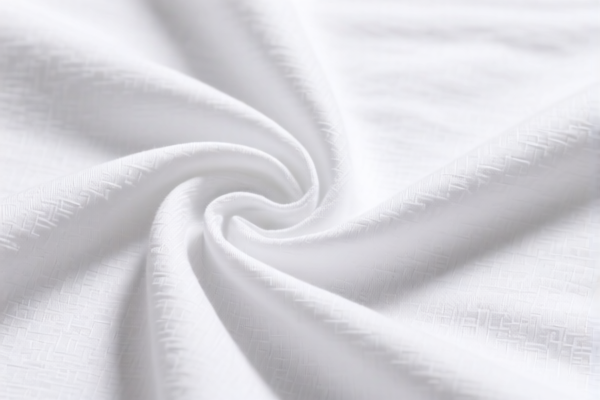
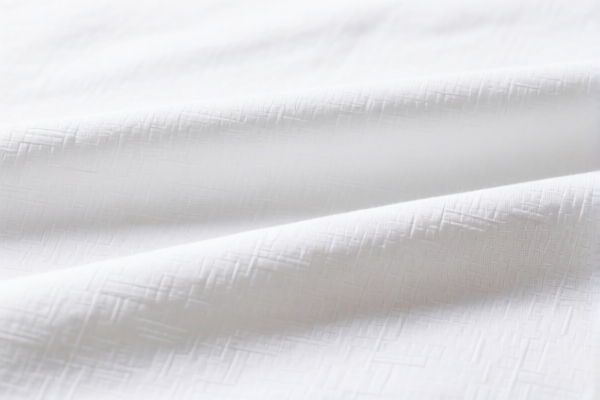
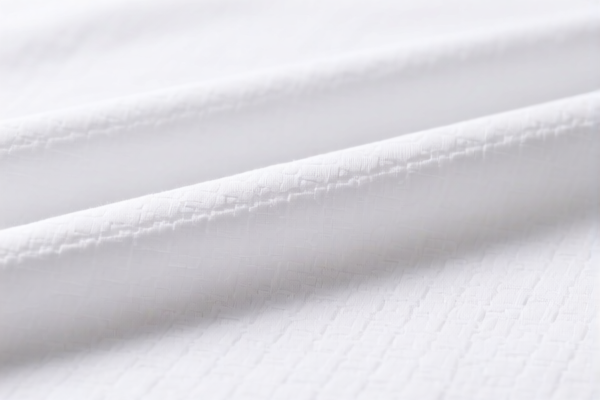
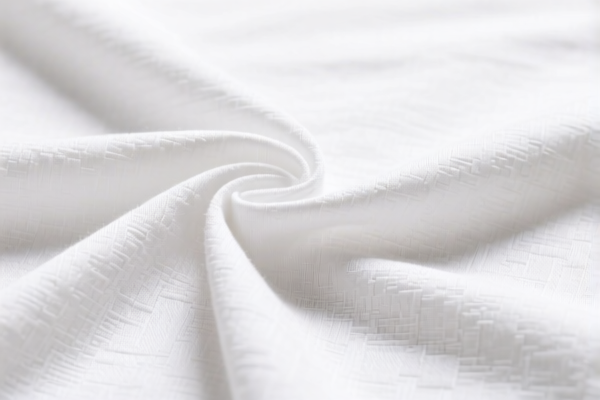
AI Analysis
🌟 Polyester Plain Weave Bed Sheet Fabric
🌐 HS Code & Tariff Guide 2026 | U.S. Customs Compliance | Full Tax Breakdown & Clearance Strategy
📌 One Product, Five Key HS Codes — Know the Difference to Avoid 47%–49.9% Tariffs!
📦 I. Product Definition & Classification Logic: What Is “Polyester Plain Weave Bed Sheet Fabric”?
This is a flat, woven fabric made from polyester fibers, specifically designed for use in bed sheets. It is not a finished bed sheet, but rather raw fabric used in manufacturing.
🔍 Key Characteristics:
- Weave Type: Plain weave (simple over-under pattern)
- Fiber Type: Polyester (either long or short staple)
- Usage: Primarily for bed sheets, but may also be used in other home textiles
- Not a finished product: No stitching, no hemming, no packaging as a final item
⚠️ Critical Distinction: - If it’s just fabric (unstitched, uncut) → HS Code applies
- If it’s a complete bed sheet (with hems, corners, etc.) → Different HS Code applies
🧾 II. HS Code Breakdown (2026 U.S. Tariff Schedule – China-Origin Goods)
| HS Code | Product Description | Tax Rate | Applicable If... |
|---|---|---|---|
5407.51.00.20 |
Polyester filament yarn, plain weave fabric, textured | 49.9% | Made from textured polyester long filament yarn, plain weave, not printed or dyed |
5408.31.20.30 |
Polyester artificial filament yarn, plain weave, for fabric use | 49.9% | Made from artificial long filament polyester, plain weave, used as textile fabric |
5408.34.90.30 |
Printed or solid-color polyester filament fabric, fine weave | 47.0% | Printed or solid-color, fine plain weave, from artificial long filament |
5512.11.00.22 |
>85% polyester short staple, plain weave, for bed sheets | 47.0% | Made from polyester staple fiber (short), ≥85% content, plain weave, intended for bed sheets |
5512.11.00.27 |
Polyester short staple, plain weave, for bed sheets | 47.0% | Made from short staple polyester, plain weave, used in bed sheets (no minimum % specified) |
✅ All five codes apply to the same product type — but differ based on fiber type (long vs. short filament), finish (printed vs. solid), and fiber content.
💰 III. Detailed Tariff Breakdown (U.S. 2026 – China-Origin Goods)
✅ Applicable to: China (CN) origin
✅ Effective Date: November 10, 2025 (including all subsequent imports)
✅ Tariff Framework: U.S. Trade Act Section 301 + IEEPA + Section 122
🎯 1. 5407.51.00.20 — Textured Polyester Long Filament Plain Weave Fabric
| Tax Component | Rate | Legal Basis |
|---|---|---|
| Base Duty | 14.9% | U.S. Harmonized Tariff Schedule (HTS) |
| Section 301 (USITC) Add-on | +25.0% | U.S. Trade Act Section 301 (China-specific tariffs) |
| Section 122 (IEEPA) Add-on | +10.0% | International Emergency Economic Powers Act (IEEPA) — applies to goods from China/HK |
| Total Tariff | 49.9% | CIF × 49.9% |
| De Minimis Exemption? | ❌ No (denied under IEEPA) | |
| Legal Pathway | IEEPA:9903.01.25 → IEEPA:9903.01.24 → USITC:5407.51.00.20 → FOOTNOTE:9903.88.01 |
📌 Why This Applies:
- Made from textured polyester long filament yarn
- Plain weave, no printing, no dyeing
- Used as fabric for bed sheets → not finished product
🎯 2. 5408.31.20.30 — Polyester Artificial Filament, Plain Weave Fabric
| Tax Component | Rate | Legal Basis |
|---|---|---|
| Base Duty | 14.9% | HTS |
| Section 301 (USITC) | +25.0% | |
| Section 122 (IEEPA) | +10.0% | |
| Total Tariff | 49.9% | |
| De Minimis? | ❌ No | |
| Legal Pathway | IEEPA:9903.01.25 → IEEPA:9903.01.24 → USITC:5408.31.20.30 → FOOTNOTE:9903.88.01 |
📌 Why This Applies:
- Artificial filament = synthetic long fiber (not staple)
- Plain weave, no print, used as raw textile
- Matches "fabric for bed sheets" use case
🎯 3. 5408.34.90.30 — Printed/Solid Polyester Filament Fine Weave Fabric
| Tax Component | Rate | Legal Basis |
|---|---|---|
| Base Duty | 12.0% | HTS |
| Section 301 (USITC) | +25.0% | |
| Section 122 (IEEPA) | +10.0% | |
| Total Tariff | 47.0% | |
| De Minimis? | ❌ No | |
| Legal Pathway | IEEPA:9903.01.25 → IEEPA:9903.01.24 → USITC:5408.34.90.30 → FOOTNOTE:9903.88.01 |
📌 Why This Applies:
- Printed or solid-color fabric
- Made from long filament polyester
- Fine weave, plain structure
- Still raw fabric → not finished sheet
🎯 4. 5512.11.00.22 — >85% Polyester Short Staple, Plain Weave, for Bed Sheets
| Tax Component | Rate | Legal Basis |
|---|---|---|
| Base Duty | 12.0% | HTS |
| Section 301 (USITC) | +25.0% | |
| Section 122 (IEEPA) | +10.0% | |
| Total Tariff | 47.0% | |
| De Minimis? | ❌ No | |
| Legal Pathway | IEEPA:9903.01.25 → IEEPA:9903.01.24 → USITC:5512.11.00.22 → FOOTNOTE:9903.88.01 |
📌 Why This Applies:
- Made from polyester short staple fiber (not long filament)
- ≥85% polyester content
- Plain weave, used in bed sheet manufacturing
🎯 5. 5512.11.00.27 — Polyester Short Staple Plain Weave Fabric for Bed Sheets
| Tax Component | Rate | Legal Basis |
|---|---|---|
| Base Duty | 12.0% | HTS |
| Section 301 (USITC) | +25.0% | |
| Section 122 (IEEPA) | +10.0% | |
| Total Tariff | 47.0% | |
| De Minimis? | ❌ No | |
| Legal Pathway | IEEPA:9903.01.25 → IEEPA:9903.01.24 → USITC:5512.11.00.27 → FOOTNOTE:9903.88.01 |
📌 Why This Applies:
- Made from short staple polyester
- Plain weave
- Intended for bed sheets
- No minimum % requirement → broader applicability
🛠️ IV. Customs Clearance Best Practices (Real-World Tips)
✅ 1. Documentation Checklist (MUST-HAVE)
| Document | Required? | Why It Matters |
|---|---|---|
| ✅ Commercial Invoice | ✔️ | Must clearly state: “Polyester Plain Weave Fabric for Bed Sheets” |
| ✅ Packing List | ✔️ | Show weight, roll count, dimensions |
| ✅ Product Specifications | ✔️ | Fiber type (long/short), yarn count, GSM, width |
| ✅ Certificate of Origin (CO) | ✔️ | If from China → triggers 47–49.9% tariff |
| ✅ Technical Drawings / Lab Report | ✔️ | Prove fiber type (filament vs. staple) |
| ✅ Photos of Fabric | ✔️ | Show weave, texture, color (printed vs. solid) |
| ✅ FCC/CE/RoHS (if applicable) | ✔️ | Not required for fabric, but helpful for compliance |
✅ 2.申报技巧(Pro申报 Tips)
🔥 “Fiber Type First, Finish Second, Use Case Last!”
| Scenario | Correct HS Code | Why |
|---|---|---|
| Long filament, no print, textured | 5407.51.00.20 |
Textured filament = higher base duty |
| Long filament, printed/solid | 5408.34.90.30 |
Print = lower base duty |
| Short staple, >85% polyester | 5512.11.00.22 |
High content = lower base duty |
| Short staple, any % | 5512.11.00.27 |
Most flexible for short staple |
| Long filament, no print, not textured | 5408.31.20.30 |
Matches “artificial filament” definition |
📌 Golden Rule:
Do NOT guess the HS Code — base it on fiber type, finish, and content.
✅ 3. Common Mistakes & How to Avoid Them
❌ Mistake 1: Using “Bed Sheet” in the product name
👉 Result: Customs may assume it’s a finished product → wrong HS Code → higher tariff or seizure
✅ Fix: Use “Polyester Plain Weave Fabric” or “Raw Fabric for Bed Sheets”
❌ Mistake 2: Not specifying fiber type (long vs. short)
👉 Result: Customs may default to higher tariff code (e.g., 5407.51.00.20)
✅ Fix: Clearly state:
“Made from polyester short staple fiber”
OR
“Made from textured polyester long filament yarn”
❌ Mistake 3: Submitting only a generic invoice
👉 Result: Delayed clearance, audit risk, penalty
✅ Fix: Include technical specs + photos + lab report
🌍 V. Global Tariff Comparison (2026)
| Country | Recommended HS Code | Tariff | Certification | Notes |
|---|---|---|---|---|
| 🇺🇸 USA (China-origin) | 5407.51.00.20 or 5512.11.00.27 |
47.0%–49.9% | None | Highest tariff — no de minimis |
| 🇨🇳 China | 5512.11.00.27 |
5% | CCC | No extra tariffs |
| 🇪🇺 EU | 5512.11.00.27 |
0% (if CE) | CE | No 301/IEEPA tariffs |
| 🇦🇺 Australia | 5512.11.00.27 |
5% | RCM | No extra taxes |
| 🇯🇵 Japan | 5512.11.00.27 |
0% | PSE | No additional duties |
📌 Insight:
- U.S. is the only market with 47%+ tariffs on this fabric
- China, EU, Australia, Japan are much more favorable
🎯 VI. Strategic Recommendations for Exporters & Importers
✅ 1. Consider Shifting Production to Non-China Countries
- Vietnam, Mexico, Thailand, India, Malaysia may qualify for IEEPA exemption
- Result: Tariff drops to 0%–5%
- ✅ Apply for Pre-Ruling (Advance Ruling) to lock in lower rate
✅ 2. Use “Fabric” Not “Bed Sheet” in All Documents
- Avoid any implication of final product
- Prevent misclassification
✅ 3. Request HS Code Pre-Approval (Pre-Ruling)
📞 Contact U.S. Customs before shipment to get official HS Code determination
✅ Avoids audit, penalties, and delays
✅ 4. Bundle with Finished Goods? Don’t Split!
- If fabric is shipped with finished bed sheets → must be declared as one shipment
- Do NOT split into “fabric” + “bed sheet” → each item taxed at 89.5%!
📌 VII. Final Summary: Key Takeaways
🔥 “Fiber Type Decides the Tax”
- Long filament → 49.9% (higher base duty)
- Short staple → 47.0% (lower base duty)
- Printed → 47.0% (lower base duty)
- Unprinted → 49.9% (higher base duty)🚨 “No De Minimis” in U.S.
- Even small shipments (under $800) are not exempt
- Must pay full 47%–49.9%✅ “Always Use Technical Docs”
- Fiber type, GSM, weave, finish — must be documented
🎯 Conclusion: Precision Pays Off!
📣 “One wrong HS Code = 49.9% tariff instead of 47.0% = $10,000+ extra cost per container!”
✅ Your success depends on: - ✅ Knowing the fiber type
- ✅ Using the right HS Code
- ✅ Providing full documentation
- ✅ Applying for pre-ruling if needed
📣 Act Now: Protect Your Profit Margin!
📞 Contact a U.S. Customs Broker + Submit product photos + request HS Code Pre-Ruling
🚀 Get your tariff locked in before shipment
💼 Avoid surprises, delays, and penalties
✨ Professional Clearance Starts with Accurate Classification!
💼 Your next shipment could save you $50,000 — if you get the HS Code right.
Customer Reviews
About HS Code Classification
The Harmonized System (HS) is an internationally standardized nomenclature developed by the World Customs Organization (WCO) to classify traded products. Over 200 countries use the HS system as the basis for customs tariffs, trade statistics, and import/export regulations.
Each HS code follows a hierarchical structure:
- Chapter (2 digits) — Broad category of goods (e.g., Chapter 84: Machinery and Mechanical Appliances)
- Heading (4 digits) — More specific grouping within the chapter
- Subheading (6 digits) — Internationally standardized breakdown, used by all WCO member countries
- National subdivisions (8-10 digits) — Country-specific extensions for further classification, such as US HTSUS 10-digit codes
Correct HS code classification is essential for smooth customs clearance, accurate duty payment, and compliance with trade regulations. Misclassification can lead to customs delays, overpayment of duties, or penalties.
When importing from CN to US, the applicable tariff rates may include:
- Most-Favored-Nation (MFN) rate — The standard duty rate applied to WTO members
- General rate — Applied to countries without trade agreements
- Trade remedy duties — Additional tariffs such as Section 301 (anti-dumping), Section 232 (national security), or countervailing duties
The information provided on this page is for reference purposes only. For official classification, please consult with your local customs authority or a licensed customs broker.