Polyester Plate
CN → US| HS Code | Tariff Rate | Origin | Destination | Doc |
|---|---|---|---|---|
| 3921190090 | 41.5% | CN | US | Official Doc |
| 3921905050 | 39.8% | CN | US | Official Doc |
| 5903902000 | 35.0% | CN | US | Official Doc |
| 5903902500 | 42.5% | CN | US | Official Doc |
| 3926909989 | 22.8% | CN | US | Official Doc |
| 3926903500 | 24.0% | CN | US | Official Doc |
Product Images

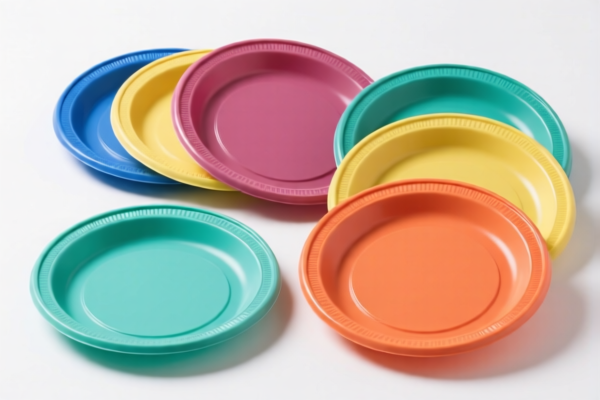

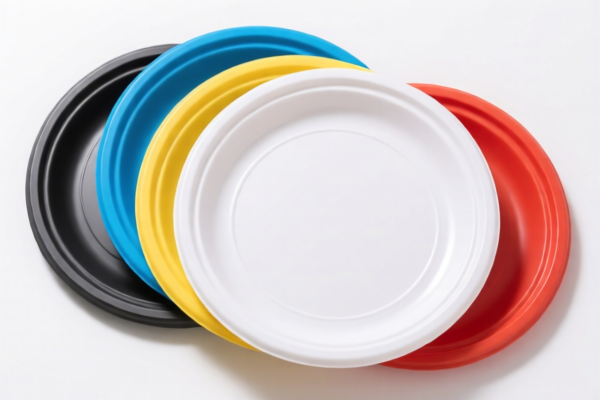
AI Analysis
🧊 Polyester Plate (Polymer Plastic Sheets & Films)
🌐 HS Code Reference & Customs Clearance Guide | 2026 Latest Tariff Analysis | Professional-Level Strategy
📌 1. Product Definition & Classification: What Exactly is a "Polyester Plate"?
In international trade, "Polyester Plate" usually refers to rigid or semi-rigid plastic sheets made from polyethylene terephthalate (PET) or similar polymers. It is critical to distinguish between cellular (foamed) structures and solid structures, as well as whether the material is impregnated with other substances.
Key Distinctions for Classification: - Cellular Plastic: Contains gas bubbles/foam structure. If it is not specifically PVC or Polyurethane, it falls under "Other Cellular Plastics." - Solid/Non-Cellular Plastic: Dense, non-foamed sheets. If not coated/laminated with specific textiles, it falls under "Other Plates, Sheets, Film..." - Laminated/Impregnated Textiles: If the polyester plate is essentially a textile fabric coated/laminated with plastics (where rubber/plastics >70% by weight), it may fall under Heading 5903.
⚠️ Critical Identification Point:
- If it is a solid, rigid, or flexible plastic sheet without textile backing → Heading 3921
- If it is a foamed/cellular plastic sheet of "other plastics" → Heading 3921.19
- If it is a textile fabric impregnated/laminated with plastics (>70% rubber/plastic) → Heading 5903.90
📦 2. HS Code Classification Details (2026 Latest Tariff Authority Cross-Reference)
Based on the provided data, here are the specific HS Codes applicable to different types of "Polyester Plates" or related plastic articles.
| HS Code | Product Description | Applicable Scenario | Key Identifier |
|---|---|---|---|
3921.19.00.90 |
Other plates, sheets, film, foil and strip, of plastics: Cellular: Of other plastics | Cellular Polyester/Plastic Sheets (Non-PVC, Non-PU foam) | ✅ Foamed/Cellular structure; Not elsewhere specified |
3921.90.50.50 |
Other plates, sheets, film, foil and strip, of plastics: Other: Other: Other Other | Solid Polyester/Plastic Sheets (General purpose) | ✅ Solid; Not cellular; Not textile-backed; General use |
5903.90.20.00 |
Textile fabrics impregnated, coated, covered or laminated with plastics... Of man-made fibers... Over 70 percent by weight of rubber or plastics | Heavy-Laminated Polyester Fabric/Sheet | ✅ Textile base + >70% Plastic/Rubber coating; Heavy duty |
5903.90.25.00 |
Textile fabrics impregnated, coated, covered or laminated with plastics... Of man-made fibers... Other (229) | Light/Standard Polyester Laminated Fabric | ✅ Textile base + Plastic coating; <70% rubber/plastic or other specifics |
3926.90.99.89 |
Other articles of plastics...: Other: Other Other | Finished Polyester Plastic Parts (Not sheets/plates) | ✅ Finished goods (e.g., containers, fixtures), not raw sheets |
3926.90.35.00 |
Other articles of plastics...: Beads, bugles and spangles... | Polyester Plastic Decorations | ✅ Beads, spangles, decorative items |
🔍 Key Reminder:
- Solid Sheets: Most standard "polyester plates" (like clear PET sheets, opaque PETG sheets) fall under3921.90.50.50.
- Foamed Sheets: If the polyester plate is foamed (lightweight, spongy texture), it falls under3921.19.00.90.
- Laminated Fabrics: If the "plate" is actually a stiffened fabric or heavily coated textile, check Heading 5903.
💰 3. 2026 Latest Tariff Rate Details (Including Additional Taxes & Policy Add-ons)
✅ Applicable Country: United States (US)
✅ Country of Origin: China (CN)
✅ Effective Time: Current trade policies (2024-2026)
🎯 1. 3921.19.00.90 —— Cellular Plastic Plates (Other)
| Item | Content |
|---|---|
| Base Tariff | 0% (ad valorem) |
| Section 301 Additional Tariff | 0.0% |
| Total Tariff | 0.0% |
| Tax Calculation | CIF Value × 0% |
| De Minimis Eligibility | ❌ Not applicable for formal entry, but low risk due to 0% rate |
| Legal Basis | USHTS 3921.19.00.90 |
📌 Explanation:
- Cellular plastics (foams) of "other plastics" (not PVC or Polyurethane) generally have a 0% base duty.
- No Section 301 Additional Tariff is currently applied to this specific subheading.
- Cost Advantage: This is a zero-duty entry point for cellular plastic materials from China.
🎯 2. 3921.90.50.50 —— Other Plastic Plates, Sheets, Film (Solid)
| Item | Content |
|---|---|
| Base Tariff | 4.8% (ad valorem) |
| Section 301 Additional Tariff | 25.0% |
| Total Tariff | 29.8% |
| Tax Calculation | CIF Value × 29.8% |
| De Minimis Eligibility | ❌ Subject to full duty and additional tariffs |
| Legal Basis | USHTS 3921.90.50.50 + Section 301 Footnote |
📌 Explanation:
- Base Rate 4.8%: Standard MFN rate for general plastic sheets.
- Section 301 Add-on 25%: Crucial! This specific HS code (3921.90.50.50) is subject to the 25% additional tariff imposed on many Chinese plastic products.
- Total Cost Impact: High. Imports will incur nearly 30% total duty.
🎯 3. 5903.90.20.00 —— Textile Fabrics Laminated with Plastics (>70% Rubber/Plastic)
| Item | Content |
|---|---|
| Base Tariff | 0.0% |
| Section 301 Additional Tariff | 25.0% |
| Total Tariff | 25.0% |
| Tax Calculation | CIF Value × 25.0% |
| De Minimis Eligibility | ❌ Subject to additional tariffs |
| Legal Basis | USHTS 5903.90.20.00 + Section 301 |
📌 Explanation:
- If the product is classified as a heavy-laminated textile fabric, the base duty is 0%, but the 25% Section 301 tariff still applies.
- Total Cost: 25%. Lower than solid plastic sheets (29.8%), but still significant.
🎯 4. 5903.90.25.00 —— Other Textile Fabrics Laminated with Plastics
| Item | Content |
|---|---|
| Base Tariff | 0.0% |
| Section 301 Additional Tariff | 0.0% |
| Total Tariff | 0.0% |
| Tax Calculation | CIF Value × 0.0% |
| De Minimis Eligibility | ❌ Low duty risk |
| Legal Basis | USHTS 5903.90.25.00 |
📌 Explanation:
- This subheading for lighter or specific laminated textiles currently has 0% total tariff.
- Strategy: If your "polyester plate" can be structurally classified as a laminated textile fabric (rather than a solid plastic sheet), you may save 29.8% - 0% = 29.8% in duties. Requires professional judgment on material structure.
🎯 5. 3926.90.99.89 —— Other Plastic Articles
| Item | Content |
|---|---|
| Base Tariff | 5.3% |
| Section 301 Additional Tariff | 7.5% |
| Total Tariff | 12.8% |
| Tax Calculation | CIF Value × 12.8% |
| De Minimis Eligibility | ❌ Subject to additional tariffs |
| Legal Basis | USHTS 3926.90.99.89 |
📌 Explanation:
- Applies to finished plastic articles (e.g., containers, fixtures) rather than raw sheets.
- Total Cost: 12.8%. Higher than cellular foam (0%) but lower than solid sheets (29.8%).
🎯 6. 3926.90.35.00 —— Beads, Spangles, etc.
| Item | Content |
|---|---|
| Base Tariff | 0.0% |
| Section 301 Additional Tariff | 0.0% |
| Total Tariff | 0.0% |
| Tax Calculation | CIF Value × 0.0% |
| De Minimis Eligibility | ❌ Low duty risk |
| Legal Basis | USHTS 3926.90.35.00 |
📌 Explanation:
- Only applies if the product is beads, bugles, or spangles. Not applicable to standard plates/sheets.
🛠️ 4. Customs Clearance Practical Advice (Pitfall Avoidance Guide)
✅ 1. Preparation Checklist (Must-Have Documents)
| Document | Required | Explanation |
|---|---|---|
| ✅ Product Specification Sheet | ✔️ | Must clearly state: Material (PET/PP/PE), Structure (Solid/Cellular/Laminated), Weight per sq. meter |
| ✅ Photos | ✔️ | Close-up of surface texture (to prove cellular vs. solid), cross-section if possible |
| ✅ Commercial Invoice | ✔️ | Describe as "Polyester Plastic Sheet" or "Laminated Textile Fabric" per HS code chosen |
| ✅ Bill of Lading | ✔️ | Ensure weight and volume match invoice |
| ✅ Certificate of Origin | ✔️ | Required for Section 301 tariff determination |
✅ 2. Declaration Tips (Key Mantra)
🔥 "Cellular is Zero, Solid is Thirty, Laminated Textile Needs Care!"
| Scenario | Correct HS Code | Estimated Total Tax | Wrong Practice |
|---|---|---|---|
| Foamed/Cellular Plastic Sheet | 3921.19.00.90 |
0.0% | Misclassifying as solid → 29.8% |
| Solid Plastic Sheet (PET/PVC/etc.) | 3921.90.50.50 |
29.8% | Misclassifying as textile → Risk of penalty |
| Heavily Laminated Fabric (>70% plastic) | 5903.90.20.00 |
25.0% | Misclassifying as sheet → 29.8% |
| Light Laminated Fabric | 5903.90.25.00 |
0.0% | Misclassifying as solid → 29.8% |
| Finished Plastic Parts | 3926.90.99.89 |
12.8% | Misclassifying as raw sheet → 29.8% |
✅ 3. Special Case Handling
| Situation | Recommendation |
|---|---|
| Is it Cellular? | If the sheet has a foamed, bubbly, or spongy cross-section, declare as 3921.19.00.90 (0% tax). This is the biggest cost saver. |
| Is it Laminated Fabric? | If the product is a fabric base with a plastic coating, check the rubber/plastic weight. If >70%, use 5903.90.20.00 (25%). If <70% or other type, use 5903.90.25.00 (0%). |
| Is it Solid Sheet? | If it’s a dense, non-foamed, non-textile sheet, it falls under 3921.90.50.50 (29.8%). No easy way to reduce this tariff unless you can prove it’s cellular or laminated textile. |
| Customs Audit Risk | Customs may require a cross-section photo or laboratory test to distinguish between solid and cellular plastic. Prepare samples in advance. |
🌍 5. Global Market Comparison (2026 Latest)
| Country/Region | Recommended HS Code | Total Tariff (China Origin) | Notes |
|---|---|---|---|
| 🇺🇸 USA | 3921.19.00.90 |
0.0% | Best for cellular |
| 🇺🇸 USA | 3921.90.50.50 |
29.8% | High cost for solid |
| 🇪🇺 EU | 3920.62.10 (General) |
~6.5% | No Section 301 equivalent, but different HS structure |
| 🇨🇳 China | 3921.19.00 |
~5-10% | Import duty varies |
| 🇬🇧 UK | 3921.19.90 |
~5% | Post-Brexit tariffs may differ |
📌 Conclusion:
- USA is the most challenging market due to Section 301 tariffs on solid plastic sheets (29.8%).
- Cellular plastics (3921.19.00.90) remain 0%, offering a significant advantage.
- Laminated textiles (5903.90.25.00) can also be 0%, but classification must be precise.
📌 6. Common Mistakes & Pitfall Guide (Lessons Learned)
❌ Mistake 1: Calling a cellular foam sheet a "Plastic Plate" and declaring it as 3921.90.50.50
👉 Consequence: Pay 29.8% instead of 0%. Loss of 29.8% in duties.
❌ Mistake 2: Declaring a solid plastic sheet as a "Textile Fabric" (5903.90.25.00)
👉 Consequence: Customs rejection, penalty, or forced reclassification with back taxes. High risk.
❌ Mistake 3: Not providing cross-section images
👉 Consequence: Customs cannot verify if it’s cellular. Delays or default to higher duty rate.
❌ Mistake 4: Confusing finished plastic parts (3926.90.99.89) with raw sheets (3921.90.50.50)
👉 Consequence: If parts are declared as sheets, tax is 12.8% vs 29.8%. But if sheets are declared as parts, it’s a misdeclaration.
✅ Correct Approach:
"Polyester Cellular Foam Sheet, 5mm Thickness, Non-PVC, For Insulation, Material: PET Foam"
🎯 7. Conclusion: Precision Classification for Cost Savings
🎯 Remember the Mantra:
🔹 "Cellular is Free, Solid is Thirty, Laminated Textile Needs Care!"
🔹 "HS Code is King, 29.8% vs 0% is the Difference!"
🔹 "Provide Photos, Prove Structure, Save Your Money!"
📌 Pro Tip:
If your "polyester plate" is cellular (foamed), always declare it as 3921.19.00.90 to benefit from 0% tariff.
If it is solid, expect 29.8%. Consider if your product can be structured or marketed as a laminated textile (5903.90.25.00 - 0%) if technically feasible, but do not misdeclare.
📣 Immediate Action:
📞 Contact a professional customs broker
📸 Take cross-section photos of your product
📄 Apply for an Advance Ruling if the classification is ambiguous
🚀 Minimize Duty, Maximize Profit!
✨ Professional Clearance Starts with Accurate Classification!
💼 Every 1% of Duty Saves You Money!
Customer Reviews
About HS Code Classification
The Harmonized System (HS) is an internationally standardized nomenclature developed by the World Customs Organization (WCO) to classify traded products. Over 200 countries use the HS system as the basis for customs tariffs, trade statistics, and import/export regulations.
Each HS code follows a hierarchical structure:
- Chapter (2 digits) — Broad category of goods (e.g., Chapter 84: Machinery and Mechanical Appliances)
- Heading (4 digits) — More specific grouping within the chapter
- Subheading (6 digits) — Internationally standardized breakdown, used by all WCO member countries
- National subdivisions (8-10 digits) — Country-specific extensions for further classification, such as US HTSUS 10-digit codes
Correct HS code classification is essential for smooth customs clearance, accurate duty payment, and compliance with trade regulations. Misclassification can lead to customs delays, overpayment of duties, or penalties.
When importing from CN to US, the applicable tariff rates may include:
- Most-Favored-Nation (MFN) rate — The standard duty rate applied to WTO members
- General rate — Applied to countries without trade agreements
- Trade remedy duties — Additional tariffs such as Section 301 (anti-dumping), Section 232 (national security), or countervailing duties
The information provided on this page is for reference purposes only. For official classification, please consult with your local customs authority or a licensed customs broker.