Polyester Pocket
CN → US| HS Code | Tariff Rate | Origin | Destination | Doc |
|---|---|---|---|---|
| 6307903020 | 25.4% | CN | US | Official Doc |
| 4202329900 | 52.6% | CN | US | Official Doc |
| 6307909891 | 24.5% | CN | US | Official Doc |
| 6305900000 | 23.7% | CN | US | Official Doc |
| 4202329300 | 52.6% | CN | US | Official Doc |
Product Images
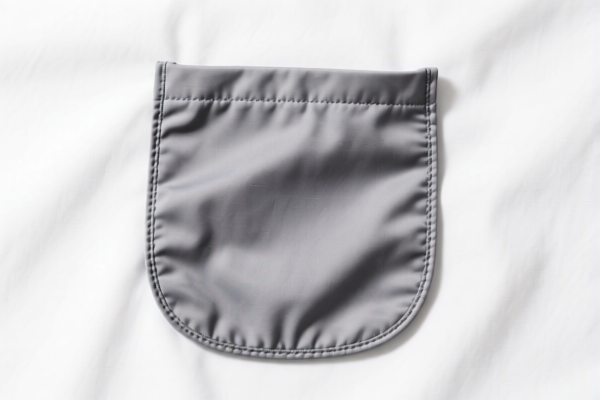
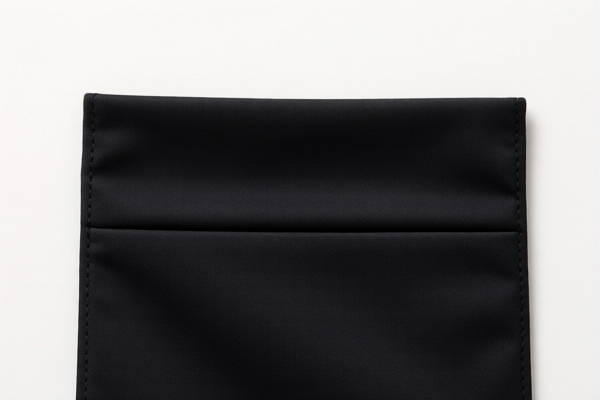
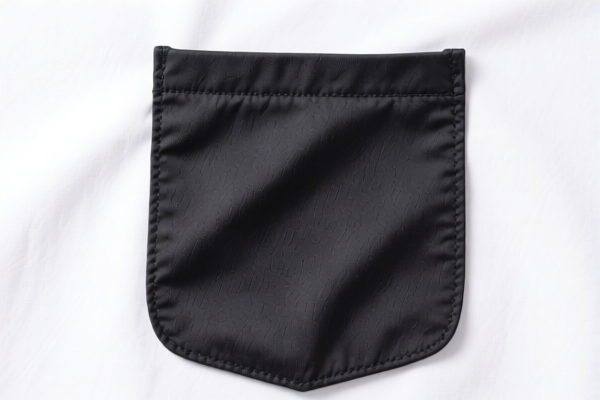
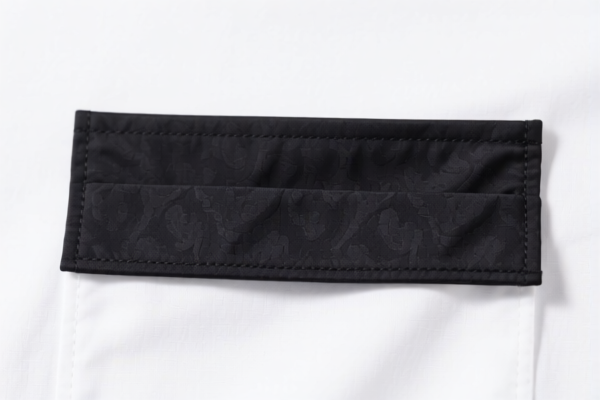
AI Analysis
👜 Polyester Pocket (Fabric Pouches & Bags)
🌐 HS Code Reference & Clearance Guide | 2026 Latest Tariff Analysis | Strategic Customs Compliance
📌 I. Product Definition & Classification: Do You Really Understand "Polyester Pockets"?
Polyester pockets, typically used for packaging, storage, or as accessories in garment manufacturing, are classified differently in international trade depending on their structure and intended use. They are broadly divided into two categories:
1. Pocket Bags/Containers (Finished Goods): These are ready-to-use pouches, often sold in bulk, with zippers, drawstrings, or simple open tops. They serve as standalone packaging or small storage units. 2. Fabric Components (Parts/Accessories): These are pockets intended to be sewn onto garments (e.g., jeans, jackets) or other textile products. They are considered "parts" or "accessories" of textile articles.
⚠️ Key Distinction Point:
- If the item is a standalone container (e.g., a drawstring bag, a zippered pouch for retail) → It falls under General Made-up Textile Articles or Luggage/Bags.
- If the item is a component designed specifically to be attached to a garment → It may be classified as a Textile Accessory or Part.
📦 II. HS Code Classification Details (2026 Latest Tariff Authority Comparison)
Based on the provided data, here are the specific HS Codes for Polyester Pockets and their corresponding tax implications.
| HS Code | Product Description | Applicable Scenario | Total Tax Rate |
|---|---|---|---|
6307.90.30.20 |
Fabric Pocket: Non-cotton fabric material, classified as Labels/Pockets in other made-up articles. | Generic polyester labels, small branded pockets, or non-structural fabric tags. | 25.4% |
4202.32.99.00 |
Fabric Pocket: Shape is a pocket container, outer surface is textile material. | Standalone fashion pouches, cosmetic bags, or retail-ready zippered pouches made of synthetic fibers. | 52.6% |
6307.90.98.91 |
Fabric Pocket: Made-up textile article, falling under the "Other" residual category for made-up items. | General purpose polyester pouches not specifically defined elsewhere (catch-all for generic fabric bags). | 24.5% |
6305.90.00.00 |
Fabric Pocket: Shape is a bag, material is other textile, used for packaging or loading. | Industrial packaging bags, bulk storage pouches, or large-scale transport sacks made of polyester. | 23.7% |
4202.32.93.00 |
Fabric Pocket: Shape is a pocket container, material is textile, fits the "Artificial Fiber" logic. | Synthetic fiber-based pouches specifically categorized under man-made fiber containers. | 52.6% |
🔍 Key Reminder:
- Higher Tax (52.6%): Items classified under4202(Luggage, Handbags, Pocket Containers) are treated as finished consumer goods or accessories to apparel/bags. This category attracts higher duties due to its "finished product" status.
- Lower Tax (23-25%): Items classified under6307(Other Made-up Textile Articles) or6305(Sacks and Bags) are often treated as industrial components, packaging, or miscellaneous textile goods, resulting in significantly lower tax rates.
💰 III. 2026 Latest Tariff Rate Breakdown (Including Additional Taxes & Policy Add-ons)
✅ Applicable Country: United States (US)
✅ Origin: China (CN)
✅ Effective Date: Post-2025 (Includes Section 301 & IEEPA adjustments)
🎯 1. 6307.90.30.20 —— Fabric Pocket (Labels/Pockets Category)
| Item | Content |
|---|---|
| Base Duty | 7.9% |
| Section 301 Additional Duty | 7.5% |
| IEEPA Add-on Duty | 10% (Section 122) |
| Total Tax Rate | 25.4% |
| Tax Calculation | CIF Value × 25.4% |
| De Minimis Exemption | ❌ Not Applicable (Deny de minimis for Chinese textile imports above thresholds) |
| Legal Basis Path | IEEPA:9903.01.25 → USITC:6307.90.30.20 → FOOTNOTE:301 |
📌 Explanation:
- This classification treats the polyester pocket as a made-up textile article (similar to labels or tags).
- The 25.4% rate is relatively moderate compared to finished fashion bags, making it a cost-effective classification for generic pouches.
🎯 2. 4202.32.99.00 & 4202.32.93.00 —— Fabric Pocket (Pocket Containers)
| Item | Content |
|---|---|
| Base Duty | 17.6% |
| Section 301 Additional Duty | 25.0% |
| IEEPA Add-on Duty | 10% (Section 122) |
| Total Tax Rate | 52.6% |
| Tax Calculation | CIF Value × 52.6% |
| De Minimis Exemption | ❌ Not Applicable |
| Legal Basis Path | IEEPA:9903.01.24 → USITC:4202.32.99.00 → FOOTNOTE:301 |
📌 Warning:
- These HS codes classify the product as a finished pocket container (like a cosmetic bag or wallet).
- The 52.6% rate is extremely high. This is because the US Customs Service views these as luxury or finished consumer goods, not raw packaging materials.
- Avoid this classification unless the product is a high-end fashion accessory (e.g., branded leather-trimmed polyester pouch) where the retail price justifies the cost.
🎯 3. 6307.90.98.91 —— Fabric Pocket (Other Made-up Textile Articles)
| Item | Content |
|---|---|
| Base Duty | 7.0% |
| Section 301 Additional Duty | 7.5% |
| IEEPA Add-on Duty | 10% (Section 122) |
| Total Tax Rate | 24.5% |
| Tax Calculation | CIF Value × 24.5% |
| De Minimis Exemption | ❌ Not Applicable |
📌 Note:
- This is the most cost-effective classification for generic polyester pockets if they can be justified as "other made-up textile articles" (e.g., simple pouches without complex hardware).
- Requires strong documentation to prove it is not a "pocket container" under Chapter 42.
🎯 4. 6305.90.00.00 —— Fabric Pocket (Packaging/Load Bags)
| Item | Content |
|---|---|
| Base Duty | 6.2% |
| Section 301 Additional Duty | 7.5% |
| IEEPA Add-on Duty | 10% (Section 122) |
| Total Tax Rate | 23.7% |
| Tax Calculation | CIF Value × 23.7% |
| De Minimis Exemption | ❌ Not Applicable |
📌 Note:
- This code is ideal for industrial or bulk packaging polyester pockets.
- If your product is a simple drawstring bag used for packaging shoes, clothes, or goods, this classification offers the lowest tax burden.
🛠️ IV. Clearance Operational Advice (Practical Pitfall Guide)
✅ 1. Documentation Checklist (Must-Have)
| Document | Required | Description |
|---|---|---|
| ✅ Product Specification Sheet | ✔️ | Must clearly state: Material (100% Polyester), Use (Packaging vs. Fashion), Dimensions |
| ✅ Photos (Clear & Detailed) | ✔️ | Show the pocket alone, with hardware (if any), and label. Avoid showing it attached to a garment to prevent misclassification. |
| ✅ Commercial Invoice | ✔️ | Describe as "Polyester Packaging Pouch" or "Textile Accessory Pocket" — NOT "Fashion Bag" |
| ✅ Packing List | ✔️ | Quantities and weights. If bulk, indicate "Packaging Material" |
| ✅ Origin Certificate | ✔️ | For China origin, be prepared for Section 301 duties |
| ✅ Use Declaration | ✔️ | Explicitly state: "Used for packaging consumer goods" or "Used as a component for garment manufacturing" |
✅ 2. Classification Strategy (Key Mnemonic)
🔥 "Packaging = 6307/6305 (Low Tax); Finished Bag = 4202 (High Tax)! "
| Scenario | Correct HS Code | Incorrect HS Code | Consequence |
|---|---|---|---|
| Bulk Polyester Drawstring Bags (for retail packaging) | 6305.90.00.00 or 6307.90.98.91 |
4202.32.99.00 |
Pay 23.7-24.5% instead of 52.6% |
| Custom Logo Pockets (for garment factories) | 6307.90.30.20 |
4202.32.93.00 |
Pay 25.4% instead of 52.6% |
| Retail-Sold Cosmetic Pouches (with zipper, lining, brand) | 4202.32.99.00 |
6307.90.98.91 |
Must pay 52.6% (High-Value Item) |
| Large Industrial Sacks | 6305.90.00.00 |
6307.90.98.91 |
Pay 23.7% (Lowest Rate) |
✅ 3. Special Cases Handling
| Scenario | Handling Advice |
|---|---|
| OEM Custom Pockets | Provide the end-user agreement. If it’s for a specific garment brand, classify as 6307 (Textile Accessory). |
| Pockets with Zippers/Buttons | If the hardware is minimal, still try for 6307. If the pocket is the main product (like a coin purse), you may be forced into 4202. |
| Mixed Material (Polyester + Cotton) | If cotton content >5%, classification may shift. Check fiber composition ratio carefully. |
| Sample vs. Bulk | Samples may be duty-free under certain provisions, but bulk imports are subject to full tariffs. |
🌍 V. Global Market Clearance Comparison (2026 Latest)
| Country/Region | Recommended HS Code | Tariff Rate | Certification | Notes |
|---|---|---|---|---|
| 🇺🇸 USA | 6307.90.98.91 |
24.5% | None | Best for cost optimization. Avoid 4202 unless high-value. |
| 🇪🇺 EU | 6307.90 |
0-6% | CE (if applicable) | No Section 301/IEEPA taxes. Lower overall cost. |
| 🇨🇳 China | 6307.90 |
0-10% | None | Export from China to China is domestic, but for reference, base rate is low. |
| 🇬🇧 UK | 6307.90 |
0-12% | UKCA | Post-Brexit rules align closely with EU but require separate certification. |
| 🇨🇦 Canada | 6307.90 |
0-6.5% | None | No major anti-dumping duties on textile pouches. |
📌 Conclusion:
- USA is the most challenging market due to high additional tariffs (IEEPA + Section 301).
- Strategy: Always aim for Chapter 63 (Made-up Textile Articles) rather than Chapter 42 (Luggage/Bags) for polyester pockets to save ~28% in taxes.
- Documentation is Key: Prove the product is a packaging material or textile accessory, not a finished fashion bag.
📌 VI. Common Mistakes & Pitfall Guide (Blood & Tears Lessons)
❌ Mistake 1: Calling it "Pouch" or "Bag" on the invoice
👉 Consequence: Customs may classify it under 4202 → 52.6% Tax.
👉 Solution: Use terms like "Polyester Packing Pouch," "Textile Storage Bag," or "Garment Accessory Pocket."
❌ Mistake 2: Providing photos of the pocket with a zipper and luxury lining
👉 Consequence: Looks like a finished consumer good → 4202 classification.
👉 Solution: Show simple, utilitarian design if targeting 6307 classification.
❌ Mistake 3: Not specifying the "Use Case" in documentation
👉 Consequence: Ambiguity leads to higher duty rates or delays.
👉 Solution: Explicitly state: "Used for packaging [Product X]" or "Used as a component for [Garment Y]."
✅ Correct Description Example:
"Polyester Drawstring Packing Pouch, 100% Polyester, Non-Woven Lining, Used for Packaging Shoes, Model XYZ, Made in China"
🎯 VII. Conclusion: Professional Classification Saves Money!
🎯 Remember the Mnemonic:
🔹 "Packaging = 6307 (Low Tax); Fashion Bag = 4202 (High Tax)!"
🔹 "HS Code decides the tax, 28% difference, classify wrong, pay double!"
📌 Pro Tip:
If your polyester pockets are simple, unbranded, and used for industrial packaging, always advocate for 6305.90.00.00 or 6307.90.98.91.
For branded retail pouches, prepare for 4202.32.99.00 but ensure the product value justifies the cost.
📣 Immediate Action:
📞 Consult a Customs Broker + Provide Product Photos + Request Pre-Ruling
🚀 Save 28% in Taxes by choosing the right HS Code!
✨ Professional Customs Clearance Starts with Accurate Classification!
💼 Every Dollar Saved is Pure Profit!
Customer Reviews
About HS Code Classification
The Harmonized System (HS) is an internationally standardized nomenclature developed by the World Customs Organization (WCO) to classify traded products. Over 200 countries use the HS system as the basis for customs tariffs, trade statistics, and import/export regulations.
Each HS code follows a hierarchical structure:
- Chapter (2 digits) — Broad category of goods (e.g., Chapter 84: Machinery and Mechanical Appliances)
- Heading (4 digits) — More specific grouping within the chapter
- Subheading (6 digits) — Internationally standardized breakdown, used by all WCO member countries
- National subdivisions (8-10 digits) — Country-specific extensions for further classification, such as US HTSUS 10-digit codes
Correct HS code classification is essential for smooth customs clearance, accurate duty payment, and compliance with trade regulations. Misclassification can lead to customs delays, overpayment of duties, or penalties.
When importing from CN to US, the applicable tariff rates may include:
- Most-Favored-Nation (MFN) rate — The standard duty rate applied to WTO members
- General rate — Applied to countries without trade agreements
- Trade remedy duties — Additional tariffs such as Section 301 (anti-dumping), Section 232 (national security), or countervailing duties
The information provided on this page is for reference purposes only. For official classification, please consult with your local customs authority or a licensed customs broker.