Polyester Portable Food Thermal Bag
CN → US| HS Code | Tariff Rate | Origin | Destination | Doc |
|---|---|---|---|---|
| 6307909891 | 24.5% | CN | US | Official Doc |
| 4202920807 | 42.0% | CN | US | Official Doc |
| 4202920809 | 42.0% | CN | US | Official Doc |
| 3923290000 | 38.0% | CN | US | Official Doc |
| 3926903300 | 16.5% | CN | US | Official Doc |
Product Images
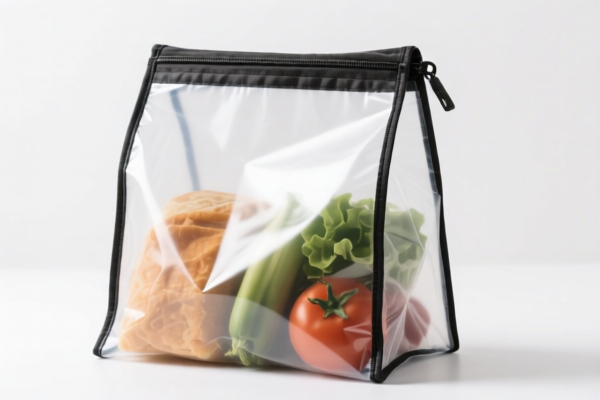
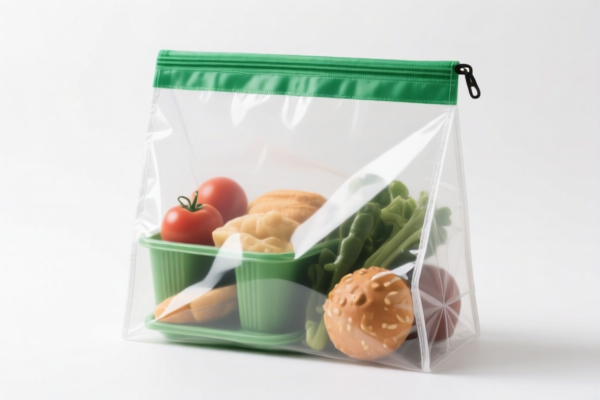
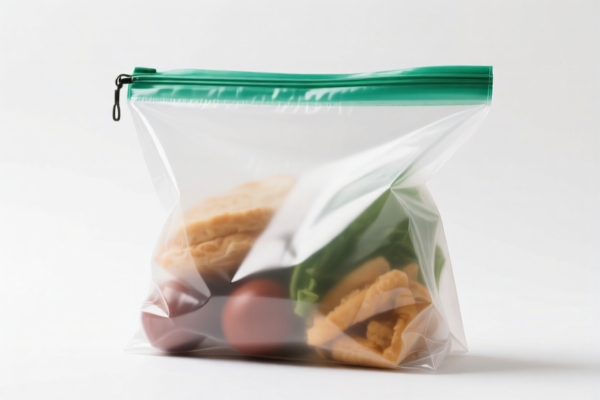
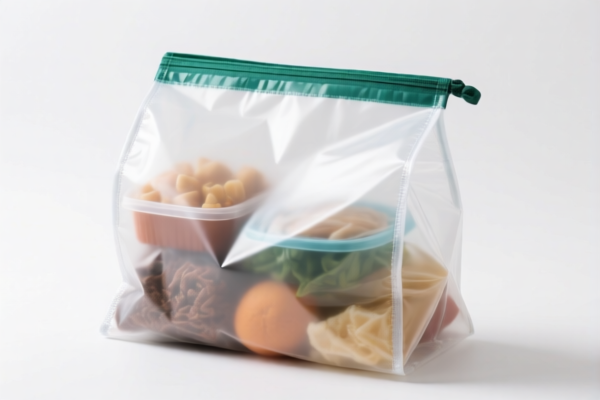
AI Analysis
🎒 Polyester Portable Food Thermal Bag (Insulated Lunch Bag)
🌐 HS Code Reference & Customs Clearance Guide | 2026 Latest Tariff Analysis | Professional-Level Entry Strategy
📌 I. Product Definition & Classification: Do You Truly Understand "Thermal Food Bags"?
The Polyester Portable Food Thermal Bag is a specialized packaging solution designed for temperature retention of meals and snacks. In international trade, its classification hinges on its primary function (insulation vs. general storage) and material composition (textile vs. plastic).
Key Distinction: * Textile/Bag Category (Chapter 42): If the bag is primarily made of textiles (polyester) and designed as a container with handles/straps for carrying food. * Plastic Article Category (Chapter 39): If the bag is primarily viewed as a plastic packaging vessel (e.g., a flexible pouch or sack).
⚠️ Critical Determination Point: - If the outer surface is textile (polyester) and it functions as a bag with handles/structure → It typically falls under Heading 4202 or 6307. - If it is a simple plastic pouch without rigid structure or textile outer layer → It falls under Heading 3923. - If it is a generic plastic bag for food packaging (not specifically a "lunch bag" with insulation features) → It may fall under Heading 3926.
📦 II. HS Code Classification Details (2026 Latest Tariff Authority Comparison)
Based on the provided data, here are the five possible HS Codes with their tax implications:
| HS Code | Product Description & Logic | Tax Rate | Key Clarification |
|---|---|---|---|
6307.90.98.91 |
Polyester Thermal Rice Bag: Made of polyester, structured as a "rice bag" (bento/lunch bag), classified as "Other made-up articles." | 24.5% | Lowest tariff. Views the item as a textile article/accessory rather than a pure plastic container. |
4202.92.08.07 |
Polyester Thermal Bag: Outer surface is synthetic fiber (polyester), used as an insulating food bag. | 42.0% | High tariff. Classified under "Articles of apparel, traveling goods, handbags... of textile materials." |
4202.92.08.09 |
Polyester Thermal Bag: Used for thermal insulation, made of synthetic fiber, classified under "Other." | 42.0% | High tariff. Similar to above, emphasizes the "thermal/insulating" purpose within textile goods. |
3923.29.00.00 |
Polyester Portable Food Bag: Made of plastic (polyester is a plastic resin), shaped as a pouch/sack, for packaging. | 38.0% | Medium-High tariff. Views the material as "Plastic" and the form as a "packaging sack/pouch." |
3926.90.33.00 |
Polyester Portable Food Bag: Material is plastic/synthetic resin, form is "other article," specifically a bag in this category. | 16.5% | Lowest Tariff Option. Classified as a "General Plastic Article" not elsewhere specified. |
🔍 Key Insight:
-6307.90.98.91(24.5%) vs3926.90.33.00(16.5%): Both are lower tax options.3926is the absolute lowest (16.5%) but requires the customs officer to accept the "synthetic resin/plastic" characterization over the "textile bag" one.6307is the safest textile-based low tariff.
-4202Codes (42.0%): These carry the highest risk due to heavy additional duties. Avoid if possible unless the product is clearly a fashion accessory or high-end travel good.
💰 III. 2026 Latest Tariff Rate Breakdown (Including Additional Duties & Policy Surcharges)
✅ Applicable Country: United States (US)
✅ Origin: China (CN)
✅ Effective Date: Current US Trade Policies (Section 301 & IEEPA)
🎯 1. 6307.90.98.91 – Polyester Thermal Rice Bag (Textile Article)
| Item | Content |
|---|---|
| Base Duty Rate | 7.0% |
| Section 301 Additional Duty | 7.5% |
| IEEPA Additional Duty | 10.0% |
| Total Effective Rate | 24.5% |
| Tax Calculation | CIF Value × 24.5% |
| De Minimis Exemption? | ❌ No (Deny De Minimis for Section 301 goods) |
| Legal Basis Path | USITC:6307.90.98.91 → FOOTNOTE:301 → IEEPA:9903.01.24 |
📌 Explanation:
- This code benefits from a lower Section 301 rate (7.5% vs 25%).
- The 10% IEEPA duty still applies to Chinese-origin goods.
- Total: 24.5%. This is a moderate cost burden.
🎯 2. 4202.92.08.07 & 4202.92.08.09 – Polyester Thermal Bag (Apparel/Travel Goods)
| Item | Content |
|---|---|
| Base Duty Rate | 7.0% |
| Section 301 Additional Duty | 25.0% |
| IEEPA Additional Duty | 10.0% |
| Total Effective Rate | 42.0% |
| Tax Calculation | CIF Value × 42.0% |
| De Minimis Exemption? | ❌ No |
| Legal Basis Path | USITC:4202.92.08.07 → FOOTNOTE:301 → IEEPA:9903.01.24 |
📌 Warning:
- These codes attract the maximum 25% Section 301 duty.
- Combined with 7% base and 10% IEEPA, the total is 42%.
- This is a high-cost classification. Only use if the product is explicitly marketed as a "fashion tote" or "travel accessory" rather than a functional lunch bag.
🎯 3. 3923.29.00.00 – Polyester Food Bag (Plastic Packaging)
| Item | Content |
|---|---|
| Base Duty Rate | 3.0% |
| Section 301 Additional Duty | 25.0% |
| IEEPA Additional Duty | 10.0% |
| Total Effective Rate | 38.0% |
| Tax Calculation | CIF Value × 38.0% |
| De Minimis Exemption? | ❌ No |
| Legal Basis Path | USITC:3923.29.00.00 → FOOTNOTE:301 → IEEPA:9903.01.24 |
📌 Note:
- High Section 301 duty (25%) makes this code expensive despite a low base rate (3%).
🎯 4. 3926.90.33.00 – Polyester Food Bag (Other Plastic Articles)
| Item | Content |
|---|---|
| Base Duty Rate | 6.5% |
| Section 301 Additional Duty | 0.0% |
| IEEPA Additional Duty | 10.0% |
| Total Effective Rate | 16.5% |
| Tax Calculation | CIF Value × 16.5% |
| De Minimis Exemption? | ❌ No |
| Legal Basis Path | USITC:3926.90.33.00 → IEEPA:9903.01.24 |
📌 Critical Advantage:
- NO Section 301 Duty (0%)!
- This is the most cost-effective classification provided in the data.
- Total tax is only 16.5%.
- Strategy: Justify the product as a "general purpose plastic/synthetic container" rather than a textile bag or specific packaging sack to qualify for this lower duty.
🛠️ IV. Customs Clearance Practical Advice (Proven Pitfall Avoidance Guide)
✅ 1. Documentation Checklist (Non-Negotiable)
| Document | Required? | Explanation |
|---|---|---|
| ✅ Product Specification Sheet | ✔️ | Must detail material (Polyester/Plastic), lining (insulation type), dimensions, and closure type (zipper/buckle). |
| ✅ Product Photos | ✔️ | Clear shots of the bag, logo, zipper, and interior lining. |
| ✅ Commercial Invoice | ✔️ | Clearly state "Polyester Insulated Lunch Bag" or "Thermal Food Carrier." Avoid vague terms like "Plastic Pouch." |
| ✅ Bill of Lading (B/L) | ✔️ | Ensure HS Code matches invoice. |
| ✅ Origin Certificate (CO) | ✔️ | Required for IEEPA duty assessment. |
✅ 2. Declaration Strategy (Key Mantra)
🔥 "Material First, Function Second. Choose Low Duty Wisely!"
| Scenario | Recommended HS Code | Reasoning |
|---|---|---|
| Textile Outer + Insulation | 6307.90.98.91 (24.5%) |
Safest textile classification. Moderate tax. |
| Plastic/Synthetic Resin Focus | 3926.90.33.00 (16.5%) |
Best for Cost Savings. No Section 301 duty. Must argue it's a "synthetic article" not a "textile bag." |
| Fashion/Travel Accessory | 4202.92.08.07 (42.0%) |
Only if marketed as a high-end tote. High tax. |
| Simple Plastic Pouch | 3923.29.00.00 (38.0%) |
Avoid due to high Section 301 duty. |
✅ 3. Special Case Handling
| Situation | Handling Advice |
|---|---|
| Double-Lined Bag (Textile + Plastic Foil) | Argue for 6307.90.98.91 if textile is the primary visible material. If the plastic lining is the main feature, argue for 3926.90.33.00 to avoid 25% Section 301. |
| OEM Custom Design | Provide design drawings to prove it is a "made-up article" rather than a standard commodity. |
| Mixed Shipment (Bags + Bottles) | Declare separately. Do not bundle "bags" with "drinks" to avoid misclassification of the entire shipment. |
🌍 V. Global Market Customs Comparison (2026 Latest)
| Country/Region | Recommended HS Code | Estimated Duty (China Origin) | Notes |
|---|---|---|---|
| 🇺🇸 USA | 3926.90.33.00 |
16.5% | Lowest Duty. Avoid 4202 (42%) and 6307 (24.5%) if possible. |
| 🇺🇸 USA | 6307.90.98.91 |
24.5% | Safe alternative if customs rejects plastic classification. |
| 🇨🇳 China | 6307.90.98.91 |
~7-10% | Lower import duties in China. |
| 🇪🇺 EU | 4202.92.00.00 |
12% | EU does not have Section 301. IEEPA does not apply. |
| 🇬🇧 UK | 4202.92.00.00 |
12% | Similar to EU post-Brexit. |
📌 Conclusion for US Importers:
-3926.90.33.00(16.5%) is the clear winner for cost efficiency.
-6307.90.98.91(24.5%) is the safest fallback.
-4202codes (42.0%) are financially detrimental unless the product is explicitly a fashion item.
📌 VI. Common Errors & Pitfall Avoidance (Lessons Learned)
❌ Error 1: Declaring as 4202.92.08.07 (42%) without justification.
👉 Consequence: Paying 25% more in Section 301 duties than necessary.
👉 Fix: Re-classify as 6307 or 3926 based on material dominance.
❌ Error 2: Using vague terms like "Food Container" without specifying material.
👉 Consequence: Customs may assign a default high-duty code (e.g., 3923 or 4202) arbitrarily.
👉 Fix: Clearly state "Polyester Insulated Bag" or "Synthetic Resin Thermal Carrier."
❌ Error 3: Assuming all "Plastic" goods are exempt from Section 301.
👉 Consequence: Believing 3926 has no additional duties, but failing to provide proof of origin/material to justify the 0% Section 301 rate for that specific subheading.
👉 Fix: Ensure the product description aligns with the 0% Section 301 eligibility for 3926.90.33.00.
✅ Correct Declaration Example:
"Insulated Thermal Bag, Outer Material: 100% Polyester Fabric, Inner Lining: PE Foam, Closure: Zipper. HS Code: 3926.90.33.00. Purpose: Food Storage."
🎯 VII. Conclusion: Precision in Classification Saves Money!
🎯 Remember the Golden Rule:
🔹 "Textile Bags = Higher Duty (24.5%-42%) due to Section 301."
🔹 "Synthetic/Plastic Articles = Lower Duty (16.5%) if classified under 3926.90.33.00."
🔹 "Always aim for the 0% Section 301 subheading if product description allows!"
📌 Pro Tip:
If your bag has a textile outer layer, try to justify it as a "synthetic resin article" with textile components to qualify for 3926.90.33.00 (16.5%). If that fails, fall back to 6307.90.98.91 (24.5%). Avoid 4202 codes unless you are selling high-end fashion totes.
📣 Immediate Action:
📞 Consult a licensed customs broker to validate the
3926.90.33.00classification before shipment.
🚀 Optimize your supply chain by cutting 25% in tariffs!
✨ Professional Customs Clearance Starts with Accurate Classification!
💼 Every Percent Saved is Profit Earned!
Customer Reviews
About HS Code Classification
The Harmonized System (HS) is an internationally standardized nomenclature developed by the World Customs Organization (WCO) to classify traded products. Over 200 countries use the HS system as the basis for customs tariffs, trade statistics, and import/export regulations.
Each HS code follows a hierarchical structure:
- Chapter (2 digits) — Broad category of goods (e.g., Chapter 84: Machinery and Mechanical Appliances)
- Heading (4 digits) — More specific grouping within the chapter
- Subheading (6 digits) — Internationally standardized breakdown, used by all WCO member countries
- National subdivisions (8-10 digits) — Country-specific extensions for further classification, such as US HTSUS 10-digit codes
Correct HS code classification is essential for smooth customs clearance, accurate duty payment, and compliance with trade regulations. Misclassification can lead to customs delays, overpayment of duties, or penalties.
When importing from CN to US, the applicable tariff rates may include:
- Most-Favored-Nation (MFN) rate — The standard duty rate applied to WTO members
- General rate — Applied to countries without trade agreements
- Trade remedy duties — Additional tariffs such as Section 301 (anti-dumping), Section 232 (national security), or countervailing duties
The information provided on this page is for reference purposes only. For official classification, please consult with your local customs authority or a licensed customs broker.