Polyester Resin Filler Raw Material
CN → US| HS Code | Tariff Rate | Origin | Destination | Doc |
|---|---|---|---|---|
| 3907995050 | 41.5% | CN | US | Official Doc |
| 3907992000 | 35.0% | CN | US | Official Doc |
| 3907915000 | 41.5% | CN | US | Official Doc |
| 3907912000 | 35.0% | CN | US | Official Doc |
| 3824401000 | 41.5% | CN | US | Official Doc |
Product Images
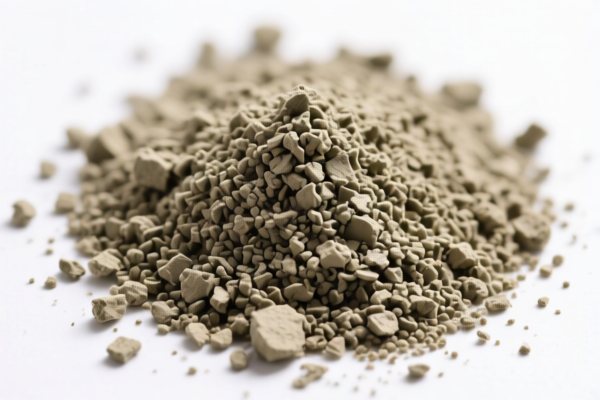
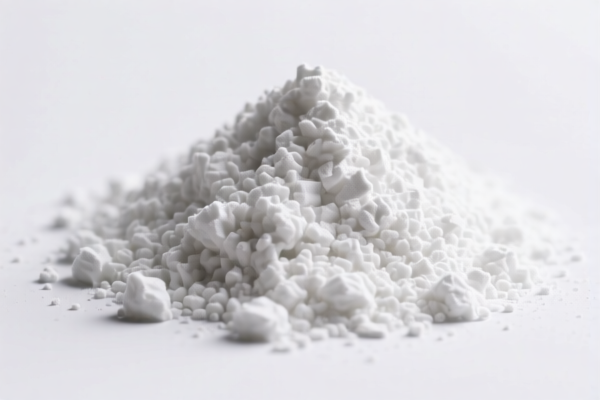
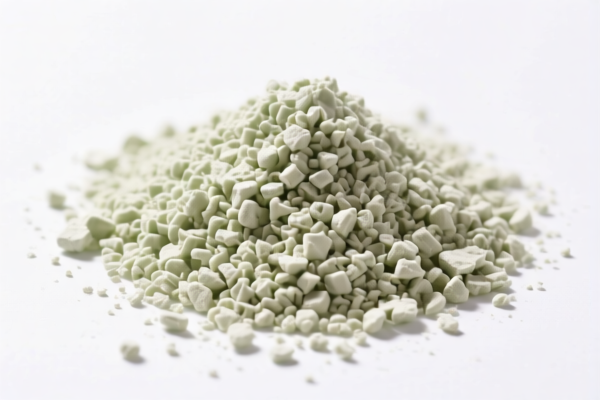
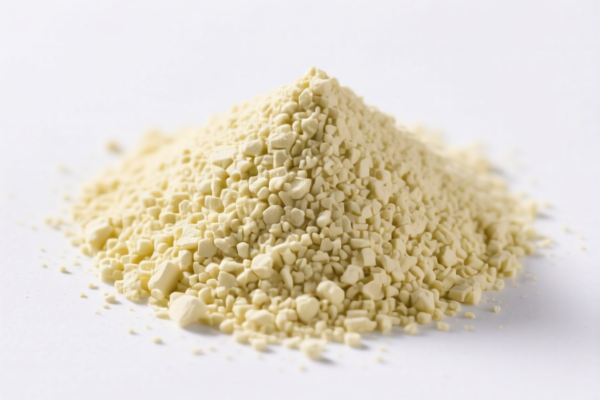
AI Analysis
🏭 Polyester Resin Filler Raw Material
🌐 HS Code Reference & Customs Clearance Guide | 2026 Latest Tariff Structure | Professional Compliance Strategy
Polyester Resin Fillers are critical chemical intermediates used in composite materials, coatings, plastics, and construction industries. In international trade, these raw materials are classified based on their chemical structure, state of form (primary shape), and additive function.
Misclassification can lead to significant tariff penalties due to the high additional duties imposed on Chinese-origin goods. Below is the precise breakdown of HS Codes and tax implications based on the official tariff data.
⚠️ Key Distinction:
- Is it a pure polyester in primary shape? →3907Series
- Is it an additive/curing agent for chemical prep? →3824.40
- All listed codes below are subject to high "Section 301" and "122 Clause" tariffs.
📦 HS Code Classification Matrix (2026 Latest Tariff Data)
| HS Code | Product Description | Classification Logic | Total Tax Rate |
|---|---|---|---|
| 3907.99.50.50 | Polyester Resin Raw Material (Other Polyesters, Primary Form) | General polyester resin not specified elsewhere; "Other" category under Chapter 39. | 41.5% |
| 3907.99.20.00 | Polyester Resin Raw Material (Polyester Primary Form) | Fits the specific attribute of "Polyester Primary Forms" under Chapter 39. | 35.0% |
| 3907.91.50.00 | Reinforced Polyester Resin (Other Polyesters, Primary Form) | Contains reinforcing fibers/fillers but classified under "Other Polyesters" in primary shape. | 41.5% |
| 3907.91.20.00 | Reinforced Polyester Resin (Polyester Primary Form) | Reinforced polyester explicitly categorized under the "Polyester Primary Form" sub-heading. | 35.0% |
| 3824.40.10.00 | Polyester Resin Curing Agent (Chemical Industry Preparations) | Classified as a pre-mixed additive or curing agent, not a pure primary polymer shape. | 41.5% |
💰 Detailed Tax Breakdown (Source: Provided Data)
✅ Applicable Region: United States (US)
✅ Origin: China (CN)
✅ Status: Active Tariffs (Section 301 + 122 Clause)
The tax structure for these polyester resin raw materials is complex, consisting of three layers:
🎯 1. High-Tax Categories (41.5% Total)
Applicable HS Codes:
- 3907.99.50.50 (Other Polyesters)
- 3907.91.50.00 (Reinforced Other Polyesters)
- 3824.40.10.00 (Curing Agents/Preparations)
| Tax Component | Rate | Description |
|---|---|---|
| Basic Customs Duty | 6.5% | Standard MFN (Most Favored Nation) rate for Chapter 39/38. |
| Section 301 Tariff | 25.0% | Additional duty imposed under US Trade Act Section 301 on Chinese goods. |
| 122 Clause Tariff | 10.0% | Additional duty under specific legislative clauses (122 Clause) targeting industrial chemicals/resins. |
| TOTAL EFFECTIVE RATE | 41.5% | High Cost Impact |
📌 Why 41.5%?
This rate applies when the product is classified as "Other Polyesters" or as a "Chemical Preparation/Curing Agent." The 10% add-on is specific to certain industrial inputs, making this category significantly more expensive.
🎯 2. Optimal-Tax Categories (35.0% Total)
Applicable HS Codes:
- 3907.99.20.00 (Polyester Primary Form)
- 3907.91.20.00 (Reinforced Polyester Primary Form)
| Tax Component | Rate | Description |
|---|---|---|
| Basic Customs Duty | 0.0% | Free duty for specific polyester primary forms under US trade policy. |
| Section 301 Tariff | 25.0% | Still applies to Chinese origin goods. |
| 122 Clause Tariff | 10.0% | Applies regardless of basic duty rate. |
| TOTAL EFFECTIVE RATE | 35.0% | Optimized Cost |
📌 Why 35.0%?
By classifying the material explicitly as "Polyester Primary Form" (3907.99.20.00or3907.91.20.00), the basic duty drops to 0%. However, the 25% Section 301 and 10% 122 Clause tariffs remain, resulting in a 6.5% savings compared to the "Other" category.
🛠️ Customs Clearance Strategy & Recommendations
✅ 1. Critical Documentation Checklist
| Document | Requirement | Purpose |
|---|---|---|
| Technical Data Sheet (TDS) | Must state "Primary Shape" if claiming 35% rate | Proves material is not a final product or complex mixture. |
| Certificate of Analysis (COA) | Details chemical composition | Distinguishes between pure polyester vs. curing agent (3824). |
| Structure Diagram | Shows molecular structure or form (pellets, powder) | Confirms "Primary Form" status for 3907 classification. |
| Commercial Invoice | Precise description: "Polyester Resin, Primary Shape" | Avoids generic terms like "Filler" which may trigger 3824. |
| Supply Chain Declaration | Clear proof of Origin (China) | Triggers correct Section 301/122 calculations. |
✅ 2. Classification Pitfalls & Avoidance
| Common Mistake | Correct Approach | Tax Impact |
|---|---|---|
| Generic "Filler" Description | Specify as "Reinforced Polyester Resin" | Avoids 3824 (41.5%) if it is actually a primary polymer. |
| Ignoring "Primary Form" | Use HS 3907.99.20.00 instead of 3907.99.50.50 |
Saves 6.5% (35% vs 41.5%). |
| Misclassifying Curing Agents | If it's a curing agent, use 3824.40.10.00 |
Cannot claim 0% basic duty; expect 41.5%. |
| Mixing Products in One Invoice | Separate 3907 items from 3824 items |
Prevents blanket application of higher tax rates. |
✅ 3. Clearance Tips
-
Emphasize "Primary Shape":
If your product is in pellets, flakes, or powder form before polymerization is complete, explicitly declare it as "Primary Shape" to qualify for3907.99.20.00or3907.91.20.00(35% rate). -
Distinguish from Curing Agents:
If the product is a pre-mixed formulation containing hardeners or additives intended for immediate curing, it may fall under3824.40.10.00(41.5%). Do not try to force these into3907unless they are pure resins. -
Section 301 & 122 Clause Awareness:
Regardless of the HS Code chosen, Section 301 (25%) and 122 Clause (10%) are mandatory for Chinese-origin goods. There is no exemption for these raw materials under current policies. -
Pre-Ruling Request:
Given the 6.5% difference between 35% and 41.5%, consider filing an Advance Ruling with US CBP if the classification between "Primary Form" and "Other Polyester" is ambiguous.
📌 Summary of Tax Optimization
| Strategy | HS Code Range | Total Tax | Savings |
|---|---|---|---|
| Best Case | 3907.99.20.00 / 3907.91.20.00 |
35.0% | 6.5% saved vs. Other categories |
| Standard Case | 3907.99.50.50 / 3907.91.50.00 |
41.5% | Baseline for "Other" polyesters |
| Preparation Case | 3824.40.10.00 |
41.5% | Higher cost due to 6.5% base duty |
🚀 Final Advice:
Work with your supplier to ensure the product description on the invoice matches3907.99.20.00or3907.91.20.00if the material qualifies as a "Primary Form." This simple classification shift can save 6.5% on the CIF value, which is substantial for bulk chemical imports.
✨ Precision in Classification = Precision in Profit
💼 Don't overpay tax on avoidable classification errors!
Customer Reviews
About HS Code Classification
The Harmonized System (HS) is an internationally standardized nomenclature developed by the World Customs Organization (WCO) to classify traded products. Over 200 countries use the HS system as the basis for customs tariffs, trade statistics, and import/export regulations.
Each HS code follows a hierarchical structure:
- Chapter (2 digits) — Broad category of goods (e.g., Chapter 84: Machinery and Mechanical Appliances)
- Heading (4 digits) — More specific grouping within the chapter
- Subheading (6 digits) — Internationally standardized breakdown, used by all WCO member countries
- National subdivisions (8-10 digits) — Country-specific extensions for further classification, such as US HTSUS 10-digit codes
Correct HS code classification is essential for smooth customs clearance, accurate duty payment, and compliance with trade regulations. Misclassification can lead to customs delays, overpayment of duties, or penalties.
When importing from CN to US, the applicable tariff rates may include:
- Most-Favored-Nation (MFN) rate — The standard duty rate applied to WTO members
- General rate — Applied to countries without trade agreements
- Trade remedy duties — Additional tariffs such as Section 301 (anti-dumping), Section 232 (national security), or countervailing duties
The information provided on this page is for reference purposes only. For official classification, please consult with your local customs authority or a licensed customs broker.