Polyester Sewing Thread
CN → US| HS Code | Tariff Rate | Origin | Destination | Doc |
|---|---|---|---|---|
| 5508100000 | 46.4% | CN | US | Official Doc |
| 5508200000 | 46.0% | CN | US | Official Doc |
| 5401100000 | 46.4% | CN | US | Official Doc |
| 5401200000 | 46.4% | CN | US | Official Doc |
| 5204190000 | 39.4% | CN | US | Official Doc |
| 5204110000 | 39.4% | CN | US | Official Doc |
Product Images
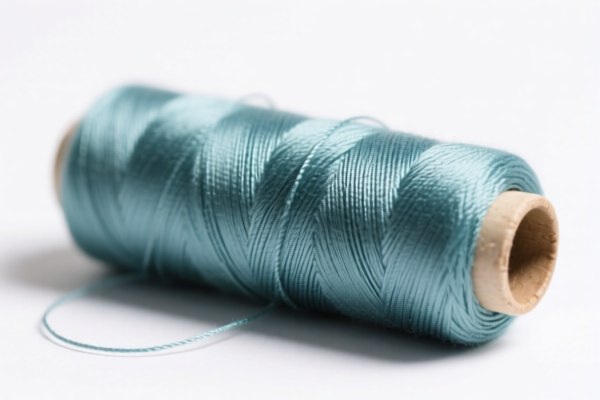
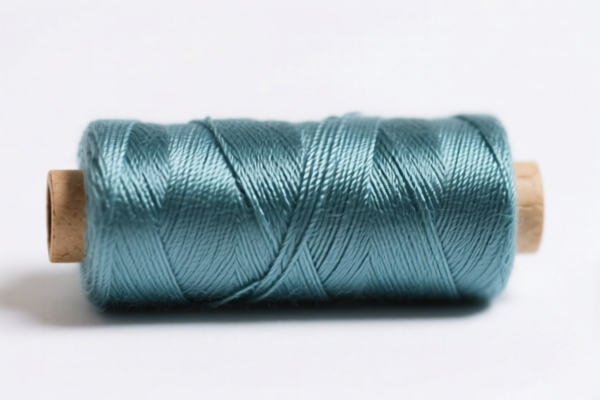
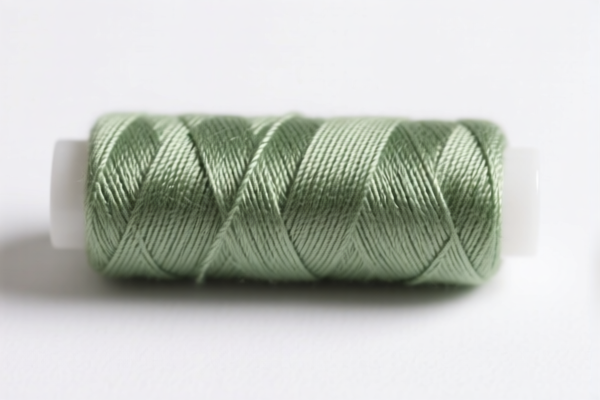
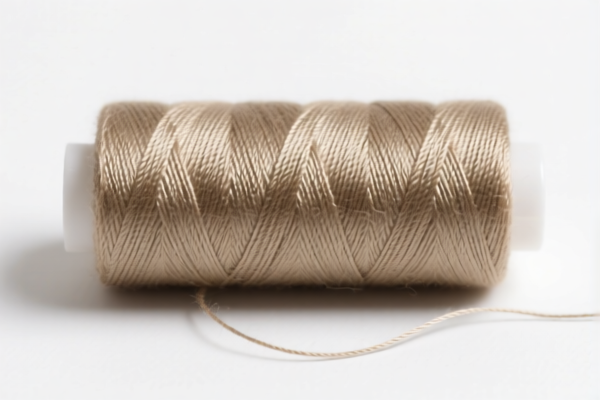
AI Analysis
🧵 Polyester Sewing Thread
🌐 HS Code Reference & Customs Clearance Guide | 2026 Latest Tariff Breakdown | Pro-Level Import Strategy
📌 One, Product Definition & Classification: What Exactly Is "Polyester Sewing Thread"?
Polyester sewing thread is a synthetic textile fiber used extensively in garment manufacturing, industrial stitching, and upholstery. It is known for its strength, durability, resistance to stretching, and ability to retain color and shape under heat and moisture.
In international trade, it is classified based on fiber type (synthetic vs. artificial), fiber form (short staple vs. continuous filament), and end-use.
⚠️ Critical Distinction:
- Short-staple polyester fibers → Used in short-fiber sewing thread
- Continuous filament polyester → Used in long-filament (monofilament) sewing thread
- Cotton sewing thread → Not subject to the same high tariffs (see comparison below)
📦 Two, HS Code Classification Details (2026 Latest Tariff Authority Match)
| HS Code | Product Description | Applicable Use Case | Fiber Type | Contains Filament? |
|---|---|---|---|---|
5508.10.00.00 |
Polyester (synthetic fiber) short-staple sewing thread | Apparel, shoes, bags, home textiles | Synthetic | ✅ Yes (short staple) |
5508.20.00.00 |
Polyester (man-made short fiber) sewing thread | General industrial & textile stitching | Man-made (artificial) | ✅ Yes (short staple) |
5401.10.00.00 |
Polyester (synthetic fiber) continuous filament sewing thread | High-strength applications, heavy-duty garments, technical textiles | Synthetic | ✅ Yes (long filament) |
5401.20.00.00 |
Polyester (man-made fiber) sewing thread | Industrial, automotive, upholstery, technical sewing | Man-made (artificial) | ✅ Yes (long filament) |
5204.19.00.00 |
Cotton sewing thread (reference only) | Standard apparel, light-duty stitching | Natural (cotton) | ❌ No |
5204.11.00.00 |
Cotton sewing thread (reference only) | Light garments, home sewing, embroidery | Natural (cotton) | ❌ No |
🔍 Key Insight:
- All polyester-based sewing threads, whether short-staple or continuous filament, are subject to high附加 tariffs due to U.S. trade policies. - Cotton sewing thread is not subject to the same punitive rates — a critical comparison for cost planning.
💰 Three, 2026 Latest Tariff Breakdown (Including附加 Taxes & Policy Triggers)
✅ Applicable Country: United States (US)
✅ Origin: China (CN)
✅ Effective Date: November 10, 2025 (and onward)
🎯 1. 5508.10.00.00 — Polyester (synthetic fiber) short-staple sewing thread
| Item | Detail |
|---|---|
| Base Duty Rate | 11.4% (ad valorem) |
| Section 301 (USITC) Additional Tariff | +25.0% |
| Section 122 (IEEPA) Additional Tariff | +10.0% |
| Total Effective Duty | 46.4% |
| Tax Calculation | CIF Value × 46.4% |
| De Minimis Exemption Available? | ❌ No (denied under 301/122 policies) |
| Legal Basis Path | IEEPA:9903.01.25 → IEEPA:9903.01.24 → USITC:5508.10.00.00 → FOOTNOTE:9903.88.01 |
📌 Explanation:
- 11.4% = Standard U.S. tariff for synthetic fiber short-staple thread
- 25% = Section 301 (USITC) tariff under "China Section 301" actions
- 10% = Section 122 (IEEPA) tariff under the International Emergency Economic Powers Act for Chinese-origin goods
- Total: 46.4% — Extremely high for a textile input
🎯 2. 5508.20.00.00 — Polyester (man-made short fiber) sewing thread
| Item | Detail |
|---|---|
| Base Duty Rate | 11.0% |
| Section 301 (USITC) Additional Tariff | +25.0% |
| Section 122 (IEEPA) Additional Tariff | +10.0% |
| Total Effective Duty | 46.0% |
| Tax Calculation | CIF Value × 46.0% |
| De Minimis Exemption Available? | ❌ No |
| Legal Basis Path | IEEPA:9903.01.25 → IEEPA:9903.01.24 → USITC:5508.20.00.00 → FOOTNOTE:9903.88.01 |
📌 Note:
- Slight difference in base rate (11.0% vs 11.4%) due to fiber classification (man-made vs synthetic)
- But total tariff remains nearly identical — 46% level
🎯 3. 5401.10.00.00 — Polyester (synthetic fiber) continuous filament sewing thread
| Item | Detail |
|---|---|
| Base Duty Rate | 11.4% |
| Section 301 (USITC) Additional Tariff | +25.0% |
| Section 122 (IEEPA) Additional Tariff | +10.0% |
| Total Effective Duty | 46.4% |
| Tax Calculation | CIF Value × 46.4% |
| De Minimis Exemption Available? | ❌ No |
| Legal Basis Path | IEEPA:9903.01.25 → IEEPA:9903.01.24 → USITC:5401.10.00.00 → FOOTNOTE:9903.88.01 |
📌 Key Point:
- Even continuous filament (higher performance) thread is treated the same as short-staple under U.S. tariff rules
- No tariff relief for technical superiority
🎯 4. 5401.20.00.00 — Polyester (man-made fiber) sewing thread
| Item | Detail |
|---|---|
| Base Duty Rate | 11.4% |
| Section 301 (USITC) Additional Tariff | +25.0% |
| Section 122 (IEEPA) Additional Tariff | +10.0% |
| Total Effective Duty | 46.4% |
| Tax Calculation | CIF Value × 46.4% |
| De Minimis Exemption Available? | ❌ No |
| Legal Basis Path | IEEPA:9903.01.25 → IEEPA:9903.01.24 → USITC:5401.20.00.00 → FOOTNOTE:9903.88.01 |
📌 Insight:
- Despite being "man-made fiber", it’s still subject to full 46.4%
- No distinction in tariff treatment between synthetic and man-made polyester in this category
🎯 5. 5204.19.00.00 & 5204.11.00.00 — Cotton Sewing Thread (Reference Only)
| Item | Detail |
|---|---|
| Base Duty Rate | 4.4% |
| Section 301 (USITC) Additional Tariff | +25.0% |
| Section 122 (IEEPA) Additional Tariff | +10.0% |
| Total Effective Duty | 39.4% |
| Tax Calculation | CIF Value × 39.4% |
| De Minimis Exemption Available? | ❌ No (same as above) |
📌 Why This Matters:
- Cotton thread is 7% cheaper to import than polyester under current U.S. policy
- If your product allows, switching to cotton thread can save 7% in duty — significant at scale
- Not a performance substitute in all cases, but cost-effective for certain applications
🛠️ Four, Customs Clearance Best Practices (Real-World Tips)
✅ 1. Required Documentation (Don’t Miss a Single Item!)
| Document | Must Provide? | Why It Matters |
|---|---|---|
| ✅ Product Specification Sheet | ✔️ | Includes fiber type, denier, tensile strength, twist, colorfastness |
| ✅ Technical Drawings / Lab Test Reports | ✔️ | Prove whether it’s short-staple or continuous filament |
| ✅ High-Res Product Photos (with label) | ✔️ | Show brand, packaging, thread spool, fiber type |
| ✅ Third-Party Certifications | ✔️ | ISO, OEKO-TEX, REACH, RoHS (if applicable) |
| ✅ Commercial Invoice | ✔️ | Must state: “Polyester Sewing Thread, 100% Synthetic, Continuous Filament” |
| ✅ Certificate of Origin (CO) | ✔️ | Critical — if from Vietnam, Mexico, or Thailand, IEEPA exemption may apply |
| ✅ Packing List | ✔️ | Shows weight, quantity, spool count, packaging type |
✅ 2.申报技巧(Pro Tips for Accurate HS Code Selection)
🔥 "Fiber Type First, Filament Second, Origin Last — One Mistake, 46% Tax!"
| Scenario | Correct HS Code | Common Mistake |
|---|---|---|
| Short-staple polyester thread | 5508.10.00.00 or 5508.20.00.00 |
Wrongly declared as 5401.10.00.00 (filament) |
| Continuous filament thread | 5401.10.00.00 or 5401.20.00.00 |
Mistaken for short-staple → lower duty → penalty |
| Thread from Vietnam (not China) | 5508.10.00.00 (if origin is Vietnam) |
No 122/301 tariffs if CO shows Vietnam origin |
| Mixed fiber (polyester + cotton) | Must be 100% polyester to qualify for 46% rate | If cotton >5%, may be classified differently |
✅ 3. Special Cases & Workarounds
| Situation | Recommended Action |
|---|---|
| Thread from Vietnam, Mexico, Thailand, Malaysia | ✅ Apply for IEEPA exemption — 0% additional tariff |
| OEM/Custom Thread | Provide design specs + purchase order — avoid “non-standard” classification |
| Thread used in medical/aviation gear | Can apply for special-use exemption — requires documentation |
| Thread with recycled content | May qualify for green tariff incentives (check USTR updates) |
🌍 Five, Global Customs Comparison (2026 Update)
| Country/Region | Recommended HS Code | Tariff Rate | Certification Required | Notes |
|---|---|---|---|---|
| 🇺🇸 United States | 5508.10.00.00 etc. |
46.4% (China origin) | FCC, RoHS, ISO | Highest tariff globally |
| 🇨🇳 China | 5508.10.00.00 |
5% | CCC, ISO | No 301/122 tariffs |
| 🇪🇺 European Union | 5508.10.00.00 |
0% (if CE compliant) | CE, REACH | No additional tariffs |
| 🇦🇺 Australia | 5508.10.00.00 |
5% | RCM | No 301/122 |
| 🇯🇵 Japan | 5508.10.00.00 |
0% | PSE | No additional tariffs |
📌 Takeaway:
- U.S. is the only market imposing 46%+ tariffs on polyester sewing thread from China
- Vietnam/Mexico origin = 0% extra duty — strategic shift possible
📌 Six, Common Mistakes & How to Avoid Them (Avoid Costly Penalties!)
❌ Mistake 1: Declaring continuous filament thread as 5508.10.00.00
👉 Result: Underpaid duty → penalty + interest + audit risk
❌ Mistake 2: Not including fiber type in invoice
👉 Result: Customs cannot verify HS code → delayed release or rejection
❌ Mistake 3: Using "polyester thread" without specifying short-staple or filament
👉 Result: Incorrect classification → reclassification + 46% tax
❌ Mistake 4: Ignoring Certificate of Origin
👉 Result: No IEEPA exemption even if origin is Vietnam → pay 46.4%
✅ Correct Declaration Example:
“Polyester Sewing Thread, 100% Synthetic, Continuous Filament, 50/2, 1000m Spool, 100% Made in Vietnam, OEKO-TEX Certified, HS Code: 5401.10.00.00”
🎯 Seven, Final Verdict: Smart Sourcing, Smart Savings
🎯 Remember the Golden Rule:
🔹 "Fiber Type Determines HS Code, Origin Determines Tariff, Documentation Saves You Millions!"
🔹 "46% Tax in the U.S. — but only if you’re from China. Shift origin, save 46%!"
📌 Pro Tip:
If your polyester sewing thread is produced in Vietnam, Mexico, or Thailand, apply for IEEPA exemption — zero additional tariff.
✅ Save 10% immediately on every shipment.
📣 Act Now:
📞 Contact a licensed customs broker + provide product specs + request HS Code pre-ruling
🚀 Avoid delays, penalties, and surprise 46% bills — get it right the first time!
✨ Expert Advice:
Your thread may be small — but its tariff impact is massive.
🔍 Precise classification = massive cost savings.
💼 One wrong HS code = thousands in extra duty.
✅ Your Next Step:
📥 Download the HS Code Decision Tree (available via broker)
📊 Run a tariff simulation for your shipment volume
🌐 Consider shifting production to non-China countries for U.S. market access
💼 Your thread. Your cost. Your control.
🧵 Classify it right — and save big.
Customer Reviews
About HS Code Classification
The Harmonized System (HS) is an internationally standardized nomenclature developed by the World Customs Organization (WCO) to classify traded products. Over 200 countries use the HS system as the basis for customs tariffs, trade statistics, and import/export regulations.
Each HS code follows a hierarchical structure:
- Chapter (2 digits) — Broad category of goods (e.g., Chapter 84: Machinery and Mechanical Appliances)
- Heading (4 digits) — More specific grouping within the chapter
- Subheading (6 digits) — Internationally standardized breakdown, used by all WCO member countries
- National subdivisions (8-10 digits) — Country-specific extensions for further classification, such as US HTSUS 10-digit codes
Correct HS code classification is essential for smooth customs clearance, accurate duty payment, and compliance with trade regulations. Misclassification can lead to customs delays, overpayment of duties, or penalties.
When importing from CN to US, the applicable tariff rates may include:
- Most-Favored-Nation (MFN) rate — The standard duty rate applied to WTO members
- General rate — Applied to countries without trade agreements
- Trade remedy duties — Additional tariffs such as Section 301 (anti-dumping), Section 232 (national security), or countervailing duties
The information provided on this page is for reference purposes only. For official classification, please consult with your local customs authority or a licensed customs broker.