Polyester Travel Bag
CN → US| HS Code | Tariff Rate | Origin | Destination | Doc |
|---|---|---|---|---|
| 4202923131 | 52.6% | CN | US | Official Doc |
| 3923290000 | 38.0% | CN | US | Official Doc |
| 6305330080 | 25.9% | CN | US | Official Doc |
| 4202923120 | 52.6% | CN | US | Official Doc |
| 6305390000 | 25.9% | CN | US | Official Doc |
Product Images
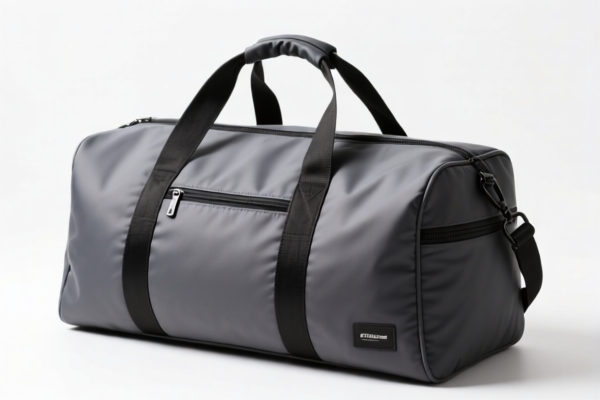
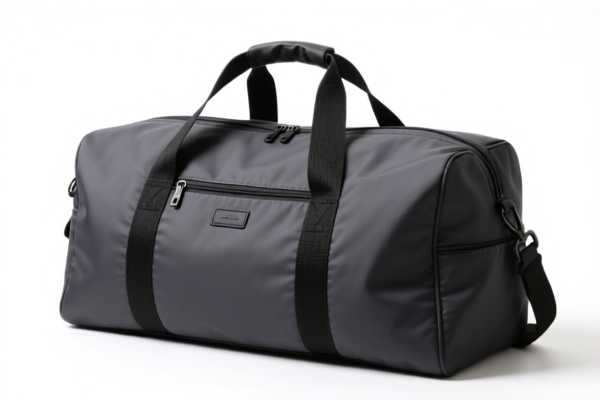
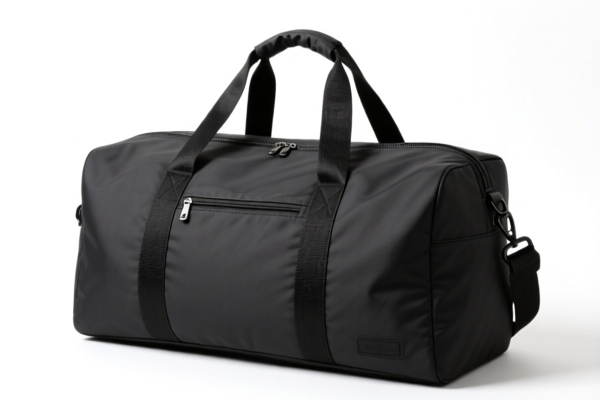
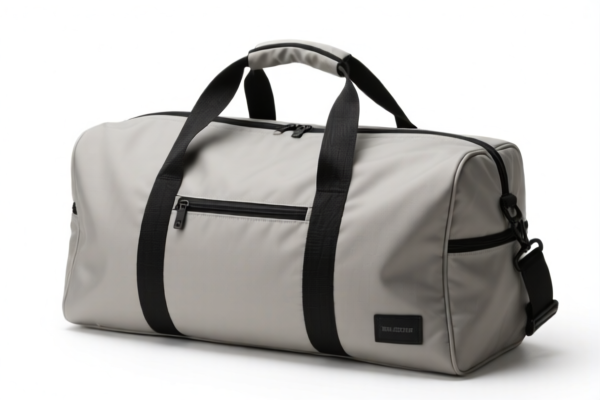
AI Analysis
🎒 Polyester Travel Bag (Handbags, Shopping Bags, and Similar Containers)
🌐 HS Code Reference & Customs Clearance Guide | 2026 Latest Tariff Analysis | Professional Clearance Strategy
📌 I. Product Definition: What Exactly is a "Polyester Travel Bag"?
A Polyester Travel Bag is a versatile container made primarily from polyester fabric (synthetic textile), designed for carrying personal items, luggage, or general goods. In international trade, its classification depends heavily on its primary material, specific usage, and structural composition.
⚠️ Critical Classification Point:
- Is it a "Travel/Luggage" accessory (Chapter 42)? → High tariff burden due to "Section 301" + "Section 122" penalties.
- Is it a "Packaging/Plastic" item (Chapter 39)? → Moderate tariff burden.
- Is it a "Textile Bag" (Chapter 63)? → Lowest tariff burden among these options.
📦 II. HS Code Classification Details (2026 Latest Tariff Authority Cross-Reference)
Based on the provided data, there are five distinct classifications for "Polyester Travel Bags." Each reflects a different interpretation of the product's nature by customs authorities.
| HS Code | Product Summary | Key Classification Logic | Tariff Profile |
|---|---|---|---|
| 4202.92.31.31 | Polyester travel bag; outer surface material is artificial fiber textile materials | Classified as a "Luggage/Travel Goods" accessory made of man-made fibers. | High Risk (52.6%) |
| 3923.29.00.00 | Polyester travel bag; plastic-made packaging/carrier goods | Classified under plastics if the structural integrity is considered plastic-coated or if viewed as a disposable/semi-rigid packaging item. | Medium Risk (38.0%) |
| 6305.33.00.80 | Polyester travel bag; artificial textile material made bags | Classified as a general "sack or bag" for packaging goods, not necessarily "luggage." | Lowest Risk (25.9%) |
| 4202.92.31.20 | Polyester travel bag; synthetic fiber made travel bags | Similar to 4202.92.31.31 but distinguished by "synthetic" vs. "artificial" fiber definition nuances. | High Risk (52.6%) |
| 6305.39.00.00 | Polyester travel bag; artificial textile material made bag | A broader category for artificial textile bags not specifically categorized in 6305.33. | Lowest Risk (25.9%) |
🔍 Key Distinction:
- Chapter 42 (4202): Treats the item as a travel accessory/luggage. This is the most common classification for consumer-grade travel bags. However, it attracts the highest tariffs.
- Chapter 39 (3923): Treats the item as a plastic container/packaging. This is rare for fabric bags unless heavily coated.
- Chapter 63 (6305): Treats the item as a textile bag/sack. This often yields the lowest tariff but requires proving it is for "packaging" rather than "personal use/travel."
💰 III. 2026 Latest Tariff Rate Breakdown (Including Surtaxes & Policy Add-ons)
✅ Applicable Country: United States (US)
✅ Origin: China (CN)
✅ Effective Date: Ongoing (Post-2018 Trade War Adjustments + 2024/2025 Updates)
🎯 1. Chapter 42 Classifications (4202.92.31.31 & 4202.92.31.20)
Best for: High-end travel bags, soft luggage, duffel bags.
| Item | Detail |
|---|---|
| Base Tariff | 17.6% |
| Section 301 Surcharge | +25.0% (USITC Footnote 9903.88.01 equivalent for textiles/luggage) |
| Section 122 Surcharge | +10.0% (Specific additional duty for certain Chinese goods) |
| Total Effective Rate | 52.6% |
| De Minimis Exemption | ❌ Not Applicable (Deny de minimis for China-origin goods under this classification) |
| Legal Basis Path | HTSUS:4202.92.31 → USITC:301Footnote → IEEPA:122Clause |
📌 Explanation:
- These codes fall under "Trunks, suitcases, vanity cases, attaché cases..."
- The 25% Section 301 tariff is standard for most Chinese-origin goods.
- The 10% Section 122 is a specific additional penalty often applied to certain textile/luggage items from China.
- Total 52.6% makes this category extremely expensive for importers.
🎯 2. Chapter 39 Classification (3923.29.00.00)
Best for: Plastic-coated bags, rigid plastic carriers, or if classified as "packaging."
| Item | Detail |
|---|---|
| Base Tariff | 3.0% |
| Section 301 Surcharge | +25.0% |
| Section 122 Surcharge | +10.0% |
| Total Effective Rate | 38.0% |
| De Minimis Exemption | ❌ Not Applicable |
| Legal Basis Path | HTSUS:3923.29 → USITC:301Footnote → IEEPA:122Clause |
📌 Explanation:
- Lower base rate (3%) because plastics often have lower base duties.
- However, the 38% total is still significant due to the same surcharges.
- Misclassifying a fabric bag as "plastic" here can lead to severe penalties if customs inspects the material.
🎯 3. Chapter 63 Classifications (6305.33.00.80 & 6305.39.00.00)
Best for: Sacks, bags for packaging goods, or bulk textile containers.
| Item | Detail |
|---|---|
| Base Tariff | 8.4% |
| Section 301 Surcharge | +7.5% (Note: Lower surcharge rate for some textile packaging categories) |
| Section 122 Surcharge | +10.0% |
| Total Effective Rate | 25.9% |
| De Minimis Exemption | ❌ Not Applicable (Check specific de minimis rules for textiles) |
| Legal Basis Path | HTSUS:6305.33 → USITC:Footnote → IEEPA:122Clause |
📌 Explanation:
- Lowest total tariff at 25.9%.
- The Section 301 surcharge is lower (7.5% vs 25%) for certain textile bag categories under specific USITC rulings.
- Risk: Customs may reclassify this as Chapter 42 (Travel Goods) if the bag is clearly designed for personal travel (e.g., has straps, zippers, brand logo), reverting the tariff to 52.6%.
🛠️ IV. Customs Clearance Practical Advice (Field Avoidance Guide)
✅ 1. Required Documentation Checklist
| Document | Mandatory? | Notes |
|---|---|---|
| Product Specification Sheet | ✔️ | Must detail: Material composition (e.g., 100% Polyester), dimensions, weight, and intended use. |
| Commercial Invoice | ✔️ | Must clearly state: "Polyester Travel Bag" or "Textile Bag for Packaging" depending on classification. Avoid vague terms like "Bag." |
| Packing List | ✔️ | Detail contents. If multiple bags, specify types. |
| Material Test Report | ✔️ | Proof of fabric composition (Polyester vs. Cotton/Artificial Fiber) is crucial for Chapter 42 vs. 63. |
| Brand/Logo Information | ✔️ | If branded, it leans toward Chapter 42 (Luggage). Generic/unbranded may support Chapter 63 (Packaging). |
✅ 2. Declaration Strategy (Key Tips)
🔥 "Context is King: Usage Defines Code!"
| Scenario | Recommended HS Code | Why? |
|---|---|---|
| Consumer Luggage (Straps, Zippers, Travel Design) | 4202.92.31.31 / 4202.92.31.20 |
Clearly for personal travel. High tax, but accurate. |
| Generic Textile Bag (No travel features, e.g., for bulk goods) | 6305.33.00.80 / 6305.39.00.00 |
Lower tax (25.9%). Must prove it's for "packaging" not "personal travel." |
| Plastic-Coated/Rigid Bag | 3923.29.00.00 |
Only if structure is predominantly plastic. Rare for fabric bags. |
✅ 3. Special Considerations
| Situation | Advice |
|---|---|
| High Value-Added Brand | If selling under a brand name, customs will likely classify as Chapter 42. Prepare for 52.6% tariff. |
| Bulk/Unbranded | You may argue for Chapter 63 to save 26.7% in tariffs. Provide evidence of industrial use. |
| Section 122 Risk | Ensure your supplier confirms the product is not on the specific Section 122 exclusion list (if any). Most polyester bags from China are subject. |
| De Minimis (Section 321) | NOT APPLICABLE for China-origin goods in these categories. Do not rely on <$800 exemption. |
🌍 V. Global Market Comparison (2026)
| Country | Recommended HS Code | Approx. Total Tariff (China Origin) | Key Requirement |
|---|---|---|---|
| 🇺🇸 USA | 4202.92.31.31 |
52.6% | Full disclosure of material & origin. High scrutiny. |
| 🇨🇳 China | 4202.92.31.31 |
8-10% | Import duty for Chinese imports (if applicable). |
| 🇪🇺 EU | 4202.92.90 |
4% - 6% | No Section 301/122. CE marking if applicable. |
| 🇬🇧 UK | 4202.92.90 |
4% | No retaliatory tariffs. |
📌 Conclusion:
- The US market is the most expensive due to Section 301 and Section 122 tariffs.
- Chapter 63 offers the best savings in the US but carries misclassification risk.
- Chapter 42 is the safest for branded travel bags but costs 52.6%.
📌 VI. Common Errors & Pitfalls (Lessons Learned)
❌ Error 1: Declaring a branded travel bag as "Textile Bag" (6305) to save tax.
👉 Consequence: Customs reclassifies to 4202, adds 26.7% tariff + penalties + back taxes.
❌ Error 2: Ignoring the "Artificial" vs. "Synthetic" fiber distinction in Chapter 42.
👉 Consequence: Misclassification under 4202.92.31.20 vs .31 may lead to delays. Ensure precise material specs.
❌ Error 3: Assuming De Minimis ($800) applies to China-origin polyester bags.
👉 Consequence: Seizure or penalty. De Minimis is blocked for most Chinese goods under Section 301.
✅ Correct Approach:
"Polyester Travel Bag, Model XYZ, 100% Polyester Fabric, with Zippers and Shoulder Straps, For Personal Travel Use."
→ Classify under 4202.92.31.31 or 4202.92.31.20.
→ Budget for 52.6% total duty.
🎯 VII. Conclusion: Strategic Tariff Planning
🎯 Remember:
🔹 "Branded & Travel = Chapter 42 (52.6%)!"
🔹 "Generic & Packaging = Chapter 63 (25.9%)!"
🔹 "Plastic Structure = Chapter 39 (38.0%)!"
🔹 "De Minimis = NO for China!"
📌 Pro Tip:
If you are an importer, consult a customs broker before shipment. Consider supply chain diversification (e.g., sourcing from Vietnam/Mexico) to avoid Section 301 and Section 122 tariffs entirely, reducing costs by up to 25-30%.
📣 Take Action Now:
📞 Get an Advance Ruling from US Customs (CBP) to lock in your HS Code.
🚀 Optimize your cost structure with accurate classification.
✨ Professional clearance starts with precise classification!
💼 Every percent of tariff saved is profit gained!
Customer Reviews
About HS Code Classification
The Harmonized System (HS) is an internationally standardized nomenclature developed by the World Customs Organization (WCO) to classify traded products. Over 200 countries use the HS system as the basis for customs tariffs, trade statistics, and import/export regulations.
Each HS code follows a hierarchical structure:
- Chapter (2 digits) — Broad category of goods (e.g., Chapter 84: Machinery and Mechanical Appliances)
- Heading (4 digits) — More specific grouping within the chapter
- Subheading (6 digits) — Internationally standardized breakdown, used by all WCO member countries
- National subdivisions (8-10 digits) — Country-specific extensions for further classification, such as US HTSUS 10-digit codes
Correct HS code classification is essential for smooth customs clearance, accurate duty payment, and compliance with trade regulations. Misclassification can lead to customs delays, overpayment of duties, or penalties.
When importing from CN to US, the applicable tariff rates may include:
- Most-Favored-Nation (MFN) rate — The standard duty rate applied to WTO members
- General rate — Applied to countries without trade agreements
- Trade remedy duties — Additional tariffs such as Section 301 (anti-dumping), Section 232 (national security), or countervailing duties
The information provided on this page is for reference purposes only. For official classification, please consult with your local customs authority or a licensed customs broker.