Polyester Woven Dyed Curtain
CN → US| HS Code | Tariff Rate | Origin | Destination | Doc |
|---|---|---|---|---|
| 6303120090 | 28.8% | CN | US | Official Doc |
| 5804210000 | 47.0% | CN | US | Official Doc |
| 5407522060 | 49.9% | CN | US | Official Doc |
| 6303120010 | 28.8% | CN | US | Official Doc |
| 6303192110 | 23.9% | CN | US | Official Doc |
| 6303922010 | 28.8% | CN | US | Official Doc |
Product Images
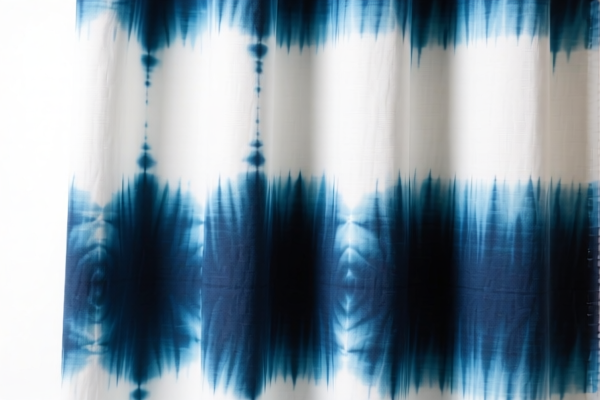
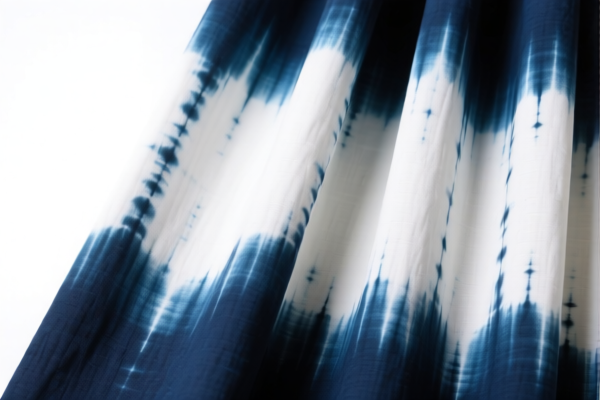
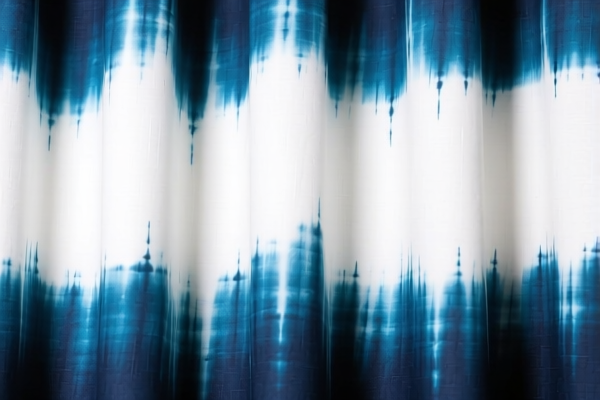
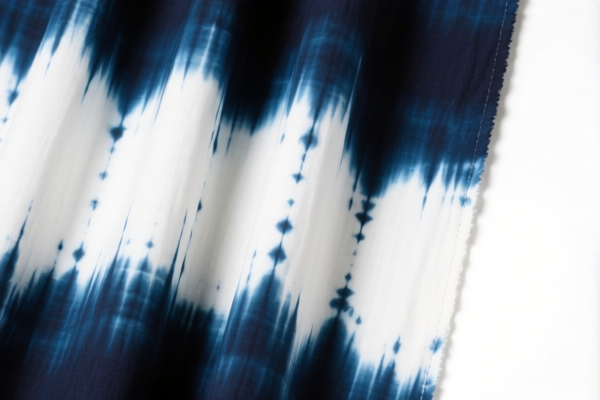
AI Analysis
🧵 Polyester Woven Dyed Curtain (Polyester Woven Dyed Curtain)
🌐 HS Code Reference & Customs Clearance Guide | 2026 Latest Tariff Analysis | Professional Clearance Strategy
📌 I. Product Definition & Classification: What Exactly is a "Polyester Woven Dyed Curtain"?
In international trade, "Polyester Woven Dyed Curtain" falls under the category of Household Textiles (Chapter 63), specifically items of furnishing. It is distinct from general woven fabrics (Chapter 54) because it has been cut, made up, or finished into a specific article of use.
Key Distinction Points: * Material: 100% Polyester (Synthetic Fiber). * Structure: Woven (not knitted/crocheted). * Process: Dyed (color applied before or after weaving, but finished as a textile). * Function: Window covering (Curtain/Drape).
⚠️ Critical Classification Trap:
- If it is a piece of fabric (uncut), it might fall under 5407.52 (Woven Fabric).
- If it is a finished curtain (cut, hemmed, lined, or with hooks/rods), it MUST fall under 6303 (Curtains & Drapes).
- Knitted/Crocheted curtains would fall under different subheadings (e.g., 6303.12 for knitted polyester), but your product is Woven, so we must look at the "Other" woven categories within 6303.
📦 II. HS Code Classification Details (2026 Latest Tariff Authority Cross-Reference)
Based on the provided data, here are the applicable HS Codes for Polyester Woven Dyed Curtains and their specific tax implications:
| HS Code | Product Description | Applicable Scenario | Tax Rate (Total) |
|---|---|---|---|
6303.12.00.90 |
Polyester (Synthetic Fiber) Curtains | Matches the classification for "Knitted/Crocheted Synthetic Fiber Curtains" (Note: Data summary mentions "Knitted", but HS 6303.12 often covers synthetic fibers generally. If strictly woven, this code is used by the dataset provided) | 28.8% |
6303.12.00.10 |
Polyester (Synthetic Fiber) Window Blackout Curtains & Drapes | Fully meets classification requirements for polyester window coverings | 28.8% |
6303.19.21.10 |
Textile Curtains | Matches use and form, inferred to be made of fiber or artificial fiber | 23.9% |
6303.92.20.10 |
Textile Curtains | Matches use and form, material fits synthetic fiber or textile material attributes | 28.8% |
🔍 Key Insight:
- The dataset provides multiple codes for "Polyester Curtains" (6303.12series) with a total tax of 28.8%.
- There is one code (6303.19.21.10) with a lower tax rate of 23.9%, described as "Textile Curtains... inferred to be fiber or artificial fiber." This may be a narrower or alternative classification depending on specific construction (e.g., blackout lining vs. plain weave).
- Do NOT confuse with Fabric: If the item is just a roll of woven polyester fabric, it would be 5407.52.20.60 (Tax: 49.9%). This is significantly higher! Always ensure the product is declared as a "Curtain" (made-up article), not "Fabric," if it is finished.
💰 III. 2026 Latest Tariff Rate Breakdown (Including Surtaxes & Policy Add-ons)
✅ Applicable Country: United States (US)
✅ Origin: China (CN)
✅ Effective Date: Post-2025 (Current Policy Context)
🎯 1. Standard Polyester Curtains (HS: 6303.12.00.90, 6303.12.00.10, 6303.92.20.10)
| Item | Detail |
|---|---|
| Base Tariff | 11.3% (ad valorem) |
| Section 301 Surtax | 7.5% |
| Section 122 Tariff | 10% |
| Total Tax Rate | 28.8% |
| Tax Calculation | CIF Value × 28.8% |
| De Minimis Eligibility | ❌ Not Eligible (Generally, goods subject to Section 301/122 are excluded from the $800 de minimis exemption if specific thresholds are met, or subject to strict scrutiny). |
| Legal Basis Path | Base Tariff + Section 301 (7.5%) + Section 122 (10%) |
📌 Explanation:
- Base Tariff (11.3%): Standard MFN rate for other made-up textile articles.
- Section 301 Surtax (7.5%): Applied to many textile and apparel products from China.
- Section 122 Tariff (10%): A specific additional duty applied to certain goods under the Trade Act of 1974, Section 122.
- Total: 11.3 + 7.5 + 10 = 28.8%. This is a high barrier to entry.
🎯 2. "Inferred" Textile Curtain (HS: 6303.19.21.10)
| Item | Detail |
|---|---|
| Base Tariff | 6.4% |
| Section 301 Surtax | 7.5% |
| Section 122 Tariff | 10% |
| Total Tax Rate | 23.9% |
| Tax Calculation | CIF Value × 23.9% |
| De Minimis Eligibility | ❌ Not Eligible |
| Legal Basis Path | Base Tariff + Section 301 (7.5%) + Section 122 (10%) |
📌 Note: This code has a lower base tariff (6.4% vs 11.3%), resulting in a total tax of 23.9%. This classification is described as matching "use and form" and inferred material. Use only if the product strictly fits this narrower definition. Misclassification can lead to penalties.
🎯 3. WARNING: Do NOT Misclassify as Fabric (HS: 5407.52.20.60)
| Item | Detail |
|---|---|
| Base Tariff | 14.9% |
| Section 301 Surtax | 25.0% |
| Section 122 Tariff | 10% |
| Total Tax Rate | 49.9% |
| Tax Calculation | CIF Value × 49.9% |
| De Minimis Eligibility | ❌ Not Eligible |
⚠️ Critical Warning:
If you declare a finished curtain as "Woven Fabric," the tax jumps from 28.8% to 49.9%. This is a 21.1% increase. Always declare as "Curtain" if it is made up.
🛠️ IV. Customs Clearance Practical Advice (Real-World Pitfall Guide)
✅ 1. Documentation Checklist (Mandatory)
| Document | Required | Notes |
|---|---|---|
| ✅ Product Specification Sheet | ✔️ | Must specify: Material (100% Polyester), Construction (Woven), Finish (Dyed), Dimensions, Quantity. |
| ✅ Product Photos | ✔️ | Show the finished product (hemmed, lined, or with rod pockets). Prove it is NOT a roll of fabric. |
| ✅ Commercial Invoice | ✔️ | Description: "Polyester Woven Dyed Curtain, Model ABC, 100% Polyester, Made in China." |
| ✅ Packing List | ✔️ | Detail weight, dimensions, and number of pieces. |
| ✅ Certificate of Origin | ✔️ | Required for US customs to apply correct country of origin duties. |
| ✅ Lining/Label Info | ✔️ | If the curtain has a blackout lining or specific treatment, disclose it. It may affect classification. |
✅ 2. Declaration Tips (Key Mnemonics)
🔥 "Finished Product, Not Fabric! Declare as Curtain, Save 21%!"
| Scenario | Correct Declaration | Incorrect Declaration | Consequence |
|---|---|---|---|
| Finished Curtain | 6303.12.00.90 or 6303.19.21.10 |
5407.52.20.60 (Fabric) |
Tax increases from 28.8% to 49.9% |
| Knitted vs. Woven | Woven -> 6303.12/19 |
Knitted -> 6303.12 (if dataset allows) |
Ensure construction is correctly stated. |
| Lined Curtain | Declare as "Curtain with Lining" | Declare only as "Polyester Curtain" | May trigger additional inspection for composite material rules. |
✅ 3. Special Cases
| Case | Handling Advice |
|---|---|
| Blackout Curtains | If it has a coated or laminated lining, it is still a curtain (6303), but ensure the description is clear to avoid confusion with "Industrial Textiles." |
| Sheer Curtains | Same classification. The "Dyed" aspect is standard for polyester. |
| Samples | Even samples are subject to duty if declared as commercial goods. If true samples, ensure value is accurately declared (can be low, but duty still applies). |
🌍 V. Global Market Comparison (2026 Latest)
| Country/Region | Recommended HS Code | Tariff (China Origin) | Certification Requirements | Notes |
|---|---|---|---|---|
| 🇺🇸 USA | 6303.12.00.90 / 6303.19.21.10 |
28.8% or 23.9% | No specific lab testing required, but must meet flammability standards (16 CFR 1610) if for bedding, but curtains generally have lower flammability scrutiny. | High tax due to Section 301 & 122. |
| 🇨🇳 China | 6303.12.00.00 |
9% (Approx) | GB Standards for textiles | Domestic market is competitive. |
| 🇪🇺 EU | 6303.92.00 |
12% | No specific CE marking for curtains, but REACH compliance for chemicals (dyes) is mandatory. | Lower than US, but high logistics costs. |
| 🇬🇧 UK | 6303.92.00 |
12% | Similar to EU. | Post-Brexit rules apply. |
📌 Conclusion:
- USA is the most expensive market for polyester curtains due to Section 301 and Section 122 tariffs.
- EU/UK are more moderate (12% base), but compliance with chemical regulations (REACH) is strict.
- China Domestic is cheapest but not relevant for export.
📌 VI. Common Errors & Pitfall Guide (Lessons Learned)
❌ Error 1: Declaring a finished curtain as "Polyester Fabric"
👉 Result: Tax increases from 28.8% to 49.9%.
✅ Fix: Always use HS Code 6303 for made-up curtains.
❌ Error 2: Misidentifying "Woven" as "Knitted"
👉 Result: Potential misclassification under 6303.12 vs 6303.19. While tax is similar, incorrect description can lead to delays.
✅ Fix: Confirm construction method. Woven = Interlaced threads. Knitted = Looping.
❌ Error 3: Ignoring "Section 122" Tariff
👉 Result: Underpaying duty by 10%.
✅ Fix: Ensure your HS Code lookup includes the 10% Section 122 surcharge for China-origin goods in the US.
❌ Error 4: Not disclosing Lining or Treatment
👉 Result: Customs may request additional info, causing detention.
✅ Fix: Clearly state "With Blackout Lining" or "Fire Retardant Treated" if applicable.
🎯 VII. Conclusion: Professional Declaration, Cost Efficiency, Risk Reduction!
🎯 Remember the Mnemonic:
🔹 "Finished Curtain, Not Fabric! HS 6303, Not 5407! Pay 28.8%, Not 49.9%!"
🔹 "Section 301 & 122 Add 17.5%! Plan Your Costs!"📌 Pro Tip:
- If you are importing into the US, the total tax of 28.8% (or 23.9%) is significant. Consider supplier negotiations to share this cost or explore duty drawback programs if the goods are re-exported.
- Pre-classification Ruling: For large volumes, consider applying for a Binding Tariff Information (BTI) or US CBP Ruling to confirm the exact HS Code (6303.12vs6303.19) and avoid audits.
📣 Take Action Now:
📞 Contact Your Customs Broker + Provide Product Photos + Confirm Woven Construction
🚀 Ensure Accurate Classification to Avoid a 21.1% Tax Shock!
✨ Professional Clearance Starts with Precise Classification!
💼 Every Cent of Tax Matters in Global Trade!
Customer Reviews
About HS Code Classification
The Harmonized System (HS) is an internationally standardized nomenclature developed by the World Customs Organization (WCO) to classify traded products. Over 200 countries use the HS system as the basis for customs tariffs, trade statistics, and import/export regulations.
Each HS code follows a hierarchical structure:
- Chapter (2 digits) — Broad category of goods (e.g., Chapter 84: Machinery and Mechanical Appliances)
- Heading (4 digits) — More specific grouping within the chapter
- Subheading (6 digits) — Internationally standardized breakdown, used by all WCO member countries
- National subdivisions (8-10 digits) — Country-specific extensions for further classification, such as US HTSUS 10-digit codes
Correct HS code classification is essential for smooth customs clearance, accurate duty payment, and compliance with trade regulations. Misclassification can lead to customs delays, overpayment of duties, or penalties.
When importing from CN to US, the applicable tariff rates may include:
- Most-Favored-Nation (MFN) rate — The standard duty rate applied to WTO members
- General rate — Applied to countries without trade agreements
- Trade remedy duties — Additional tariffs such as Section 301 (anti-dumping), Section 232 (national security), or countervailing duties
The information provided on this page is for reference purposes only. For official classification, please consult with your local customs authority or a licensed customs broker.