Polyether Resin Resin Granules
CN → US| HS Code | Tariff Rate | Origin | Destination | Doc |
|---|---|---|---|---|
| 3907290000 | 41.5% | CN | US | Official Doc |
| 3907300000 | 41.1% | CN | US | Official Doc |
| 3911904500 | 40.8% | CN | US | Official Doc |
| 3911902500 | 41.1% | CN | US | Official Doc |
| 3907210000 | 41.5% | CN | US | Official Doc |
Product Images
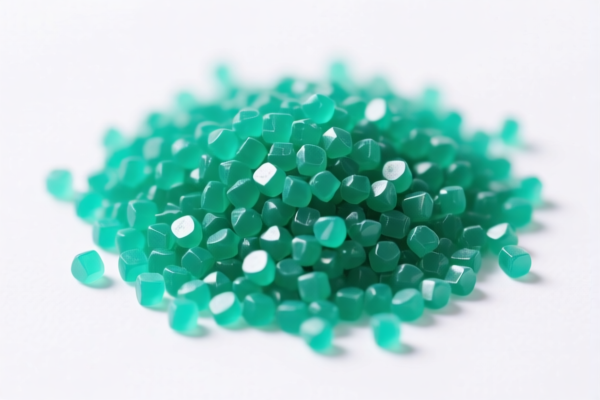

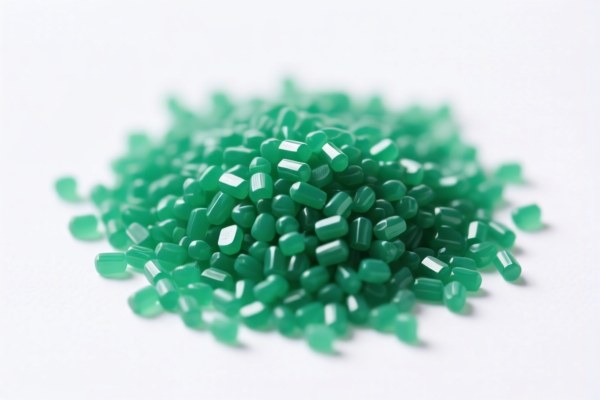
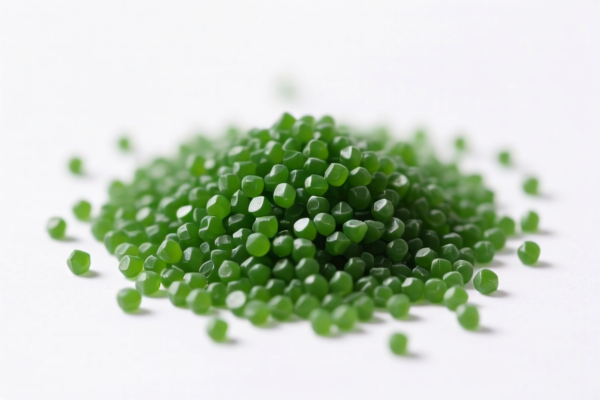
AI Analysis
🧪 Polyether Resin Resin Granules
🌐 HS Code Reference & Customs Clearance Guide | 2026 Latest Tariff Analysis | Professional Clearance Strategy
📌 I. Product Definition and Classification: Do You Really Understand "Polyether Resin Granules"?
Polyether Resin Granules are thermoplastic or thermosetting polymers characterized by ether linkages in their main chain. In international trade, the classification depends heavily on the chemical structure (specifically the presence of aromatic rings) and the physical form (granules/powders are considered "primary shapes").
Key Chemical Distinction:
- Aliphatic/General Polyethers: Simple ether chains without complex aromatic backbones.
- Aromatic Polyethers (such as Polyarylene Ether) Contain aromatic units (like phenylene rings) in the polymer backbone, offering higher heat resistance and mechanical strength.
⚠️ Key Classification Point:
- If the resin is a general polyether (non-aromatic or mixed) → Likely 3907.29 or 3907.21.
- If the resin is an epoxy-related polyether → 3907.30.
- If the resin contains aromatic monomer units (e.g., PPS, PEEK, or modified aromatic ethers) → 3911.90.
📦 II. HS Code Classification Details (2026 Latest Tariff Authority Comparison)
Based on the provided data, here are the five potential HS Codes for Polyether Resin Resin Granules, depending on the specific chemical composition and manufacturer's declaration:
| HS Code | Product Description | Summary from Data | Tax Detail Breakdown |
|---|---|---|---|
3907.29.00.00 |
Other Polyethers (General Category) | Polyether resin belongs to the ether resin category, fitting the definition of other polyether materials. | Base: 6.5% + Add-on: 25.0% + Section 122: 10% Total: 41.5% |
3907.30.00.00 |
Polyacetals, Other Polyethers and Epoxides in Primary Forms | Polyether resin belongs to epoxy-related polyether resins, fitting the classification of primary shape resins. | Base: 6.1% + Add-on: 25.0% + Section 122: 10% Total: 41.1% |
3911.90.45.00 |
Other Products (Aromatic Characteristic) | Polyether resin contains aromatic monomer units, fitting the characteristics of aromatic or modified aromatic monomer units. | Base: 5.8% + Add-on: 25.0% + Section 122: 10% Total: 40.8% |
3911.90.25.00 |
Other Products (Thermoplastic Aromatic) | Polyether resin is a thermoplastic product derived from aromatic monomer units, fitting the characteristics of aromatic or modified aromatic products. | Base: 6.1% + Add-on: 25.0% + Section 122: 10% Total: 41.1% |
3907.21.00.00 |
Polyethers in Primary Forms (Powders/Granules) | Polyether resin mixed powder consists of polyether material consistent with other polyethers; powder belongs to primary forms. | Base: 6.5% + Add-on: 25.0% + Section 122: 10% Total: 41.5% |
🔍 Important Note:
- The presence of "Aromatic" (3911.90) vs. "General/Epoxy" (3907) is the most critical distinction.
- Granules/Powders are explicitly recognized as "Primary Forms", which affects the sub-heading within Chapter 39.
- All listed codes include significant Section 122 Tariffs (10%) and Additional Tariffs (25%), indicating high trade friction costs for Chinese-origin goods.
💰 III. 2026 Latest Tariff Rate Detailed Explanation (Including Surcharges)
✅ Applicable Country: United States (US)
✅ Origin: China (CN) (Inferred from "Section 122" and typical trade context)
✅ Effective Time: Current trade policies (Section 122 applies)
🎯 1. 3907.29.00.00 & 3907.21.00.00 —— General Polyethers in Primary Forms
| Item | Content |
|---|---|
| Base Tariff | 6.5% (ad valorem) |
| Additional Tariff (Section 301-style) | +25.0% |
| Section 122 Tariff | +10.0% (Specific to certain chemical/resin imports) |
| Total Tariff Rate | 41.5% |
| Tax Calculation | CIF Value × 41.5% |
| De Minimis Exemption | ❌ Not Applicable (High value threshold issues) |
| Legal Basis Path | HTSUS:3907.29/21 → Section 122: 10% → Additional: 25% |
📌 Explanation:
- These codes cover standard polyethers.
- The 10% Section 122 tariff is a critical cost driver for specific resin types.
- Total 41.5% makes this a high-cost import category.
🎯 2. 3907.30.00.00 —— Epoxy-Related Polyethers
| Item | Content |
|---|---|
| Base Tariff | 6.1% |
| Additional Tariff | +25.0% |
| Section 122 Tariff | +10.0% |
| Total Tariff Rate | 41.1% |
| Tax Calculation | CIF × 41.1% |
| Legal Basis | Classification as epoxy-related resin in primary form |
📌 Note:
- Slightly lower base rate (6.1% vs 6.5%) results in a 0.4% savings compared to general polyethers.
- Only applicable if the resin is chemically linked to epoxies.
🎯 3. 3911.90.45.00 & 3911.90.25.00 —— Aromatic Polyether Products
| Item | Content |
|---|---|
| Base Tariff | 5.8% - 6.1% |
| Additional Tariff | +25.0% |
| Section 122 Tariff | +10.0% |
| Total Tariff Rate | 40.8% - 41.1% |
| Tax Calculation | CIF × 40.8% or 41.1% |
| Key Feature | Contains Aromatic Monomer Units |
📌 Crucial Distinction:
- These codes apply if the polyether is modified with aromatic units (e.g., Polyphenylene Ether).
-3911.90.45.00is the lowest total tax (40.8%) in this dataset.
- Misclassification here is risky: If it’s not aromatic, using this code will lead to penalties.
🛠️ IV. Customs Clearance Practical Advice (Battle-Tested Pitfall Guide)
✅ 1. Preparation Checklist (Mandatory)
| Document | Required | Description |
|---|---|---|
| ✅ Technical Data Sheet (TDS) | ✔️ | Must specify chemical structure (Aliphatic vs. Aromatic), molecular weight, and form (Granule/Powder). |
| ✅ Certificate of Origin (CO) | ✔️ | Essential for proving origin to apply/add Section 122 tariffs correctly. |
| ✅ Commercial Invoice | ✔️ | Must clearly state "Polyether Resin Granules" and HS Code. |
| ✅ MSDS (Safety Data Sheet) | ✔️ | Required for chemical imports to verify hazard class. |
| ✅ Bill of Lading (B/L) | ✔️ | Must match invoice quantities and descriptions. |
| ✅ Manufacturer Declaration | ✔️ | Confirming the presence/absence of aromatic monomers. |
✅ 2. Declaration Tips (Key Mnemonics)
🔥 "Aromatic vs. Aliphatic: One Word, Ten Percent Difference!"
| Scenario | Correct Declaration | Wrong Approach |
|---|---|---|
| Standard Polyether (No Aromatic) | 3907.29.00.00 or 3907.21.00.00 |
Declaring as Aromatic → Audit Risk |
| Epoxy-Linked Polyether | 3907.30.00.00 |
Declaring as General Polyether → Missed Savings |
| Aromatic Polyether (High Perf.) | 3911.90.45.00 |
Declaring as General → Overpayment (or underpayment if checked) |
| Powder vs. Granule | Both are "Primary Form" | Declaring as "Finished Part" → Wrong Chapter (39 vs 3905) |
✅ 3. Special Cases Handling
| Situation | Handling Advice |
|---|---|
| Mixed Resin Blends | If the product is a blend, the principal character determines the HS code. If aromatic content is significant, 3911.90 may apply. |
| Recycled Polyether | Still classified under Chapter 39 if in primary form. Ensure "Recycled" is declared to avoid anti-dumping scrutiny if applicable. |
| Section 122 Applicability | Confirm if your specific resin type is listed under the Section 122 tariff schedule. Some resins may be exempt, others not. |
| Origin Transshipment | If shipped via Vietnam/Malaysia, ensure no substantial transformation occurred. Direct origin is required to avoid origin fraud claims. |
🌍 V. Global Market Comparison (2026 Latest)
| Country/Region | Recommended HS Code | Estimated Tariff (China Origin) | Certification | Remarks |
|---|---|---|---|---|
| 🇺🇸 USA | 3907.29.00.00 / 3911.90.45.00 |
40.8% - 41.5% | None specific, but chemical compliance required | High Section 122 + 25% Add-on |
| 🇪🇺 EU | 3907.20 / 3911.90 |
~6.5% - 7.0% | REACH Compliance | No Section 122 equivalent |
| 🇨🇳 China | 3907.29 / 3911.90 |
~5.0% - 6.5% | N/A | Import duties only, no add-ons |
| 🇻🇳 Vietnam | 3907.20 / 3911.90 |
~0% - 5.0% | N/A | Potential for lower duties if processed locally |
📌 Conclusion:
- USA is the most expensive market due to the combination of Base Tariff + 25% Add-on + 10% Section 122.
- EU and China have significantly lower base rates but lack the specific "Section 122" penalty (though EU has REACH compliance costs).
- Strategy: If importing to the US, consider supply chain diversification or precise chemical declaration to qualify for the lowest sub-heading (3911.90.45.00at 40.8%).
📌 VI. Common Errors & Pitfalls (Blood & Tears Lessons)
❌ Error 1: Misidentifying "Aromatic" content.
👉 Consequence: Declaring a non-aromatic resin as 3911.90 (40.8%) instead of 3907.29 (41.5%) might seem like a win, but if Customs proves it’s not aromatic, you face penalties for misdeclaration. Conversely, declaring aromatic as general leads to underpayment of duties.
❌ Error 2: Ignoring "Section 122" applicability.
👉 Consequence: Assuming only the 25% add-on applies. Missing the 10% Section 122 results in a 10% underpayment and potential seizure or fines.
❌ Error 3: Confusing "Polyether" with "Polyester".
👉 Consequence: Polyester falls under 3907.40. Misclassification leads to incorrect duty rates and potential anti-dumping duties if polyester is subject to such measures.
❌ Error 4: Declaring "Resin" without specifying "Primary Form".
👉 Consequence: If the form is not specified, Customs may classify it as a manufactured part (higher duty) rather than a raw material.
✅ Correct Practice:
"Polyether Resin Granules, Primary Form, [Specify Aromatic/Aliphatic], Model XYZ, For Industrial Injection Molding"
🎯 VII. Conclusion: Professional Declaration, Cost Optimization
🎯 Remember the Mnemonic:
🔹 "Granules are Primary, Aromatic is Key, Section 122 is 10%, 25% Add-on on Top!"
🔹 "HS Code Determines Duty, 41% is the New Normal for US Imports!"
📌 Pro Tip:
- If your resin is High-Performance Aromatic Polyether (e.g., PPS), fight for 3911.90.45.00 to save 0.7% compared to general polyethers.
- Apply for an Advance Ruling from US Customs (CBP) to lock in the classification and avoid future disputes.
📣 Immediate Action:
📞 Consult a Customs Broker + Provide Chemical Structure Diagram + Verify Section 122 Coverage
🚀 Ensure Accurate Declaration to Avoid 41.5%+ Pitfalls!
✨ Professional Clearance Starts with Accurate Classification!
💼 Every Percent Saved is Pure Profit!
Customer Reviews
About HS Code Classification
The Harmonized System (HS) is an internationally standardized nomenclature developed by the World Customs Organization (WCO) to classify traded products. Over 200 countries use the HS system as the basis for customs tariffs, trade statistics, and import/export regulations.
Each HS code follows a hierarchical structure:
- Chapter (2 digits) — Broad category of goods (e.g., Chapter 84: Machinery and Mechanical Appliances)
- Heading (4 digits) — More specific grouping within the chapter
- Subheading (6 digits) — Internationally standardized breakdown, used by all WCO member countries
- National subdivisions (8-10 digits) — Country-specific extensions for further classification, such as US HTSUS 10-digit codes
Correct HS code classification is essential for smooth customs clearance, accurate duty payment, and compliance with trade regulations. Misclassification can lead to customs delays, overpayment of duties, or penalties.
When importing from CN to US, the applicable tariff rates may include:
- Most-Favored-Nation (MFN) rate — The standard duty rate applied to WTO members
- General rate — Applied to countries without trade agreements
- Trade remedy duties — Additional tariffs such as Section 301 (anti-dumping), Section 232 (national security), or countervailing duties
The information provided on this page is for reference purposes only. For official classification, please consult with your local customs authority or a licensed customs broker.