Polyethylene Agricultural Self Sealing Bag
CN → US| HS Code | Tariff Rate | Origin | Destination | Doc |
|---|---|---|---|---|
| 3921904090 | 39.2% | CN | US | Official Doc |
| 3921905050 | 39.8% | CN | US | Official Doc |
| 3923210095 | 38.0% | CN | US | Official Doc |
| 3923210030 | 38.0% | CN | US | Official Doc |
| 3920100000 | 39.2% | CN | US | Official Doc |
Product Images

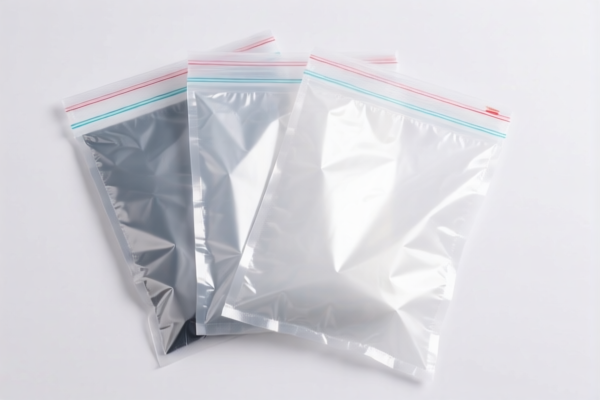

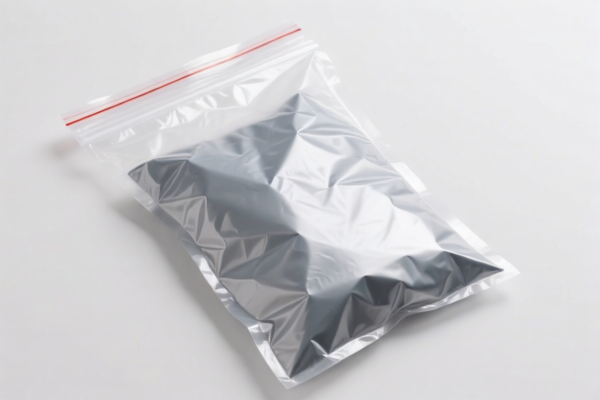
AI Analysis
🌾 Polyethylene Agricultural Self-Sealing Bag (Pouch)
🌐 HS Code Reference & Customs Clearance Guide | 2026 Latest Tariff Analysis | Strategic Clearance Strategy for PE Pouches
📌 I. Product Definition & Classification: What Exactly Is This Product?
Polyethylene Agricultural Self-Sealing Bag (often referred to as "Doypack" or "Stand-up Pouch") is a flexible packaging solution widely used in agriculture for seeds, fertilizers, pesticides, and animal feed. It is made from Polyethylene (PE) plastic films.
In international trade, the classification depends heavily on the structural form and function:
- Flexible Film/Pouch: If the bag is essentially a sealed pouch made of PE film, it is classified under Chapter 39 (Plastics).
- Distinction from General Packaging: It is not classified as general textile packaging or glass containers. It is specifically a "plastic film/foil article" or a "bag/pouch of plastics."
⚠️ Key Classification Point:
- If the product is a stand-up pouch with a seal, it falls under 3921 (Plastic Plates, Sheets, Film, Foil, and Strip) or 3923 (Articles for the Conveyance or Packing of Goods).
- The specific subheading depends on whether it is classified as a "plastic film application" (3921) or a "specific packing article" (3923).
- Material: Must be clearly identified as Polyethylene (PE) to avoid misclassification under other polymers like PP or PET.
📦 II. HS Code Classification Details (2026 Latest Tariff Authority)
Based on the provided data, here are the 5 possible HS Codes for Polyethylene Agricultural Self-Sealing Bags. Note that all these codes are subject to significant additional tariffs due to US-China trade policies.
| HS Code | Product Description | Key Characteristics | Tax Rate |
|---|---|---|---|
3921.90.40.90 |
PE Self-Sealing Bag, Plastic Material, Film/Sheet Structure | Classified as a general plastic film article | 39.2% |
3921.90.50.50 |
PE Self-Sealing Bag, Polyethylene Material, Plastic Film/Sheet Article | Specific to PE film applications | 39.8% |
3923.21.00.95 |
PE Self-Sealing Bag, Ethylene Polymer, Bag/Pouch Type | Classified as a specific packing bag | 38.0% |
3923.21.00.30 |
PE Self-Sealing Bag, Ethylene Polymer, Reclosable Bag | Specifically for reclosable bags | 38.0% |
3920.10.00.00 |
PE Self-Sealing Bag, Ethylene Polymer, Plastic Film/Sheet Application | Classified under base plastic film | 39.2% |
🔍 Critical Note:
- HS Code 3923.21.00.30 and 3923.21.00.95 are often preferred for "pouches" because they explicitly refer to "bags/pouches of plastics."
- HS Code 3921 codes are used when the product is viewed primarily as a "plastic film article" rather than a finished bag.
- All codes carry high additional tariffs (Section 301 & Section 122).
💰 III. 2026 Latest Tariff Rate Breakdown (Including Surcharges & Policy Add-ons)
✅ Applicable Country: United States (US)
✅ Country of Origin: China (CN)
✅ Effective Date: Ongoing (Section 301 & Section 122)
🎯 1. General Tariff Structure for All Listed HS Codes
| Item | Content |
|---|---|
| Base Tariff | 3.0% – 4.8% (ad valorem, varies by HS Code) |
| Section 301 Additional Tariff | +25.0% (Applied to most plastic articles from China) |
| Section 122 Tariff | +10.0% (Specific additional tariff for certain plastic articles) |
| Total Effective Tariff | 38.0% – 39.8% |
| Calculation Basis | CIF Value × Total Tax Rate |
| De Minimis Exemption | ❌ NOT APPLICABLE (Section 301 tariffs apply even to small shipments) |
📌 Detailed Breakdown by HS Code:
🎯 A. Codes 3921.90.40.90 & 3920.10.00.00
- Base Rate: 4.2%
- Section 301: +25.0%
- Section 122: +10.0%
- Total: 39.2%
- Legal Path:
USITC:3921.90.40.90→FOOTNOTE:301→FOOTNOTE:122
🎯 B. Code 3921.90.50.50
- Base Rate: 4.8%
- Section 301: +25.0%
- Section 122: +10.0%
- Total: 39.8% (Highest rate in the list)
- Legal Path:
USITC:3921.90.50.50→FOOTNOTE:301→FOOTNOTE:122
🎯 C. Codes 3923.21.00.95 & 3923.21.00.30
- Base Rate: 3.0% (Lowest base rate)
- Section 301: +25.0%
- Section 122: +10.0%
- Total: 38.0% (Most cost-effective option)
- Legal Path:
USITC:3923.21.00.95/30→FOOTNOTE:301→FOOTNOTE:122
📌 Explanation:
- Section 301 (25%): Imposed under the US Trade Act of 1974, Section 301, targeting Chinese imports.
- Section 122 (10%): A specific additional tariff on certain plastic articles to protect domestic plastic manufacturers.
- Combined Impact: Even though the base duty is low (3-4%), the additional tariffs make the total cost prohibitive for high-volume imports without careful planning.
🛠️ IV. Customs Clearance Practical Advice (Pitfall Avoidance Guide)
✅ 1. Required Documentation Checklist
| Document | Mandatory? | Notes |
|---|---|---|
| ✅ Commercial Invoice | ✔️ | Must clearly state "Polyethylene Agricultural Self-Sealing Bag" and material composition (100% PE). |
| ✅ Packing List | ✔️ | Detail dimensions, weight, and number of bags per carton. |
| ✅ Product Specification Sheet | ✔️ | Confirm it is not coated with other materials (e.g., aluminum foil) which might change the HS code. |
| ✅ Certificate of Origin | ✔️ | Essential for verifying China origin and applying correct tariffs. |
| ✅ Free Sale Certificate | ✔️ | May be required for agricultural use compliance. |
| ✅ Fumigation Certificate | ✔️ | If bags are used for organic agricultural products, ensure no contamination claims. |
✅ 2. Declaration Strategy (Key Tips)
🔥 "Material Matters, Structure Defines, Section 301 Applies!"
| Scenario | Correct Declaration | Incorrect Declaration | Risk |
|---|---|---|---|
| Reclosable Zipper Pouch | 3923.21.00.30 |
3921.90.40.90 |
May face questioning on "bag vs. film" definition. |
| Simple Sealed Bag | 3923.21.00.95 |
3902.10.00.00 (Polymer pellets) |
Severe misclassification → Penalty. |
| Coated Bag (e.g., with Wax) | Check if coating changes chapter | Assume 3923 |
May fall under Chapter 35 or 48 if coated heavily. |
| Small Sample Shipment | Declare full value + Tax | Rely on De Minimis | Section 301 applies to ALL shipments from CN, no de minimis exemption. |
✅ 3. Special Considerations
| Issue | Recommendation |
|---|---|
| Material Composition | Ensure the invoice states "100% Polyethylene (PE)." If mixed with PP or PET, the HS code may change. |
| Agricultural Use | If the bags are pre-printed with pesticide warnings, they may require EPA approval. Ensure compliance with agricultural labeling laws. |
| Recyclability | Some US states have extended producer responsibility (EPR) laws. Ensure your customer is aware of recycling requirements. |
| Section 122 Specifics | Verify if your specific product type (self-sealing bag) is explicitly listed in Section 122 exemptions (unlikely for PE bags). |
🌍 V. Global Market Comparison (2026 Latest)
| Country/Region | Recommended HS Code | Tariff Rate | Certification | Remarks |
|---|---|---|---|---|
| 🇺🇸 USA | 3923.21.00.30 |
38.0% | None Specific | High tariff due to Section 301 + 122. |
| 🇨🇳 China | 3923.21.00.30 |
~3-5% | None | Low duty for domestic trade. |
| 🇪🇺 EU | 3923.21.00.00 |
~3-6% | REACH | No Section 301 tariffs. |
| 🇲🇽 Mexico | 3923.21.00.00 |
~5-10% | NOM | USMCA may apply if produced in NA. |
| 🇦🇺 Australia | 3923.21.00.00 |
~5% | None | Low tariff, no Section 301. |
📌 Conclusion:
- USA is the most expensive market due to combined Section 301 (25%) and Section 122 (10%) tariffs.
- EU and other markets have significantly lower duties (~3-6%), making them more attractive if supply chain allows diversification.
📌 VI. Common Mistakes & Pitfalls (Blood-Learned Lessons)
❌ Mistake 1: Using "Plastic Bag" as a generic term without specifying "Polyethylene"
👉 Consequence: Customs may classify under incorrect subheading, leading to audits or penalties.
Fix: Always specify "Polyethylene (PE) Self-Sealing Bag."
❌ Mistake 2: Assuming Small Shipments are Exempt from Section 301
👉 Consequence: De Minimis exemption does NOT apply to Section 301 goods from China.
Fix: Pay full tariff (38-39.8%) even for samples or small orders.
❌ Mistake 3: Misclassifying as "Textile Bag" (e.g., 6305)
👉 Consequence: Wrong HS code, delayed clearance, and potential fraud allegations.
Fix: PE is plastic, not textile. Use Chapter 39.
❌ Mistake 4: Ignoring Section 122 Tariff
👉 Consequence: Underpayment by 10% → Back taxes + interest.
Fix: Always add 10% to the calculation for plastic articles from China.
✅ Correct Declaration Example:
"Polyethylene (PE) Self-Sealing Stand-Up Pouches, Reclosable, for Agricultural Seed Packaging, 100% Plastic, Model XYZ, HS Code 3923.21.00.30"
🎯 VII. Conclusion: Smart Clearance, Cost Control, Efficiency!
🎯 Remember the Key Takeaway:
🔹 "PE Bags from China to USA = 38-39.8% Duty"
🔹 "Section 301 (25%) + Section 122 (10%) are Non-Negotiable"
🔹 "Choose 3923.21.00.30 for Lowest Base Rate (3.0%)"
📌 Pro Tip:
If you are importing large volumes, consider:
1. Supply Chain Diversification: Source from Vietnam, India, or Mexico to avoid Section 301 tariffs.
2. Duty Drawback: If the bags are exported after import (re-export), you may claim duty drawback.
3. Pre-Ruling: Request a binding tariff information (BTI) or US CBP ruling to confirm the HS code before shipment.
📣 Immediate Action:
📞 Consult a Licensed Customs Broker + Verify Material Composition + Apply for CBP Ruling
🚀 Navigate the Tariff Maze, Keep Your Margins Intact, Ship with Confidence!
✨ Professional Clearance, Starting with Accurate Classification!
💼 Every Percent of Duty Saved is Pure Profit!
Customer Reviews
About HS Code Classification
The Harmonized System (HS) is an internationally standardized nomenclature developed by the World Customs Organization (WCO) to classify traded products. Over 200 countries use the HS system as the basis for customs tariffs, trade statistics, and import/export regulations.
Each HS code follows a hierarchical structure:
- Chapter (2 digits) — Broad category of goods (e.g., Chapter 84: Machinery and Mechanical Appliances)
- Heading (4 digits) — More specific grouping within the chapter
- Subheading (6 digits) — Internationally standardized breakdown, used by all WCO member countries
- National subdivisions (8-10 digits) — Country-specific extensions for further classification, such as US HTSUS 10-digit codes
Correct HS code classification is essential for smooth customs clearance, accurate duty payment, and compliance with trade regulations. Misclassification can lead to customs delays, overpayment of duties, or penalties.
When importing from CN to US, the applicable tariff rates may include:
- Most-Favored-Nation (MFN) rate — The standard duty rate applied to WTO members
- General rate — Applied to countries without trade agreements
- Trade remedy duties — Additional tariffs such as Section 301 (anti-dumping), Section 232 (national security), or countervailing duties
The information provided on this page is for reference purposes only. For official classification, please consult with your local customs authority or a licensed customs broker.