Polyethylene Bags with Drawstrings
CN → US| HS Code | Tariff Rate | Origin | Destination | Doc |
|---|---|---|---|---|
| 3923210085 | 38.0% | CN | US | Official Doc |
| 3923210095 | 38.0% | CN | US | Official Doc |
| 3923210085 | 38.0% | CN | US | Official Doc |
| 5607491000 | 37.7% | CN | US | Official Doc |
| 5607411000 | 37.7% | CN | US | Official Doc |
Product Images
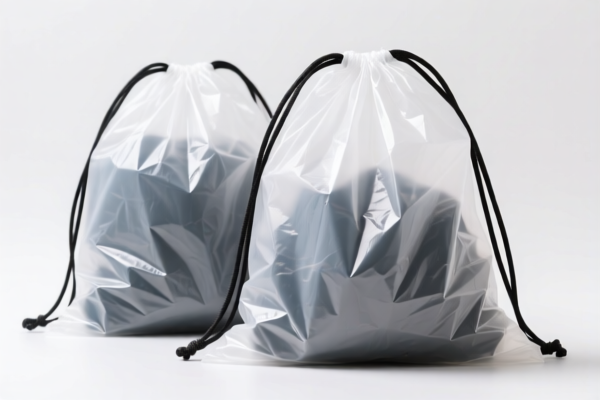
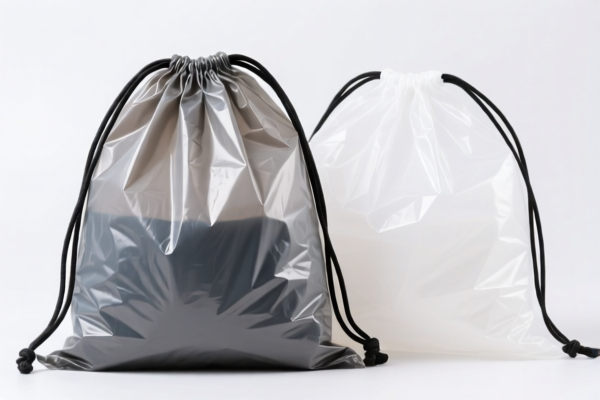
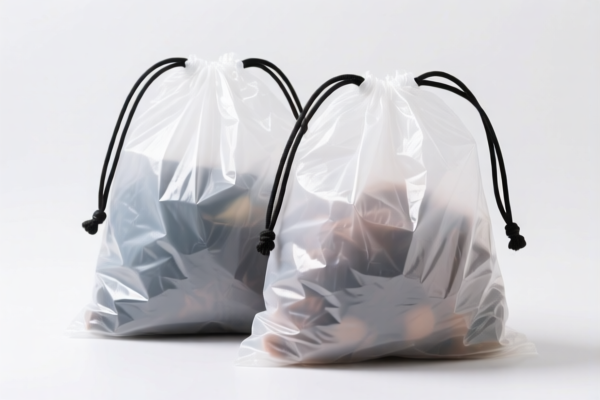
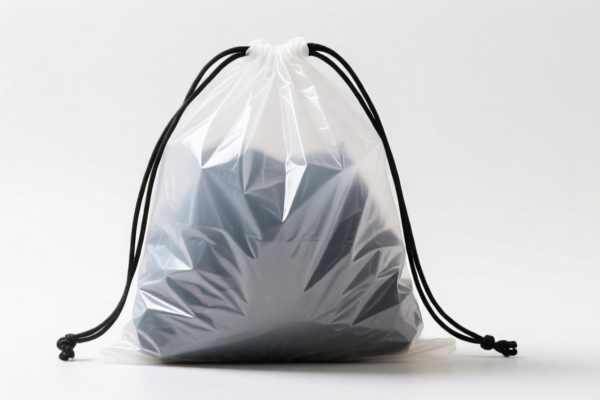
AI Analysis
🛍️ Polyethylene Bags with Drawstrings & Packaging Ropes (HS Code Analysis)
🌐 HS Code Classification & Customs Clearance Guide | 2026 Latest Tariff Analysis | Strategic Entry Protocol
📌 I. Product Definition & Scope: What Exactly Are You Importing?
Polyethylene (PE) bags with drawstrings and Polypropylene (PP) packaging ropes are essential packaging materials in global trade. However, their classification depends strictly on their physical structure and specific features.
Key Distinctions: * Drawstring PE Bags: Plastic bags specifically shaped to allow a cord or string to be pulled tight. Often used for shopping, waste, or retail packaging. * Hand-held PE Bags: Plastic bags equipped with handles (cut or attached), distinct from drawstring mechanisms. * Packaging Ropes: Strands of PP material used for binding, bundling, or packing.
⚠️ Critical Classification Point:
- If the bag has a drawstring closure mechanism → Classify under 3923.21.00.85
- If the bag is a standard plastic bag without specific drawstring or handle features listed elsewhere → Classify under 3923.21.00.95
- If the product is a PP rope/twine used for packaging → Classify under 5607.49.10.00 or 5607.41.10.00 depending on its specific form.
📦 II. HS Code Classification Matrix (2026 Latest Tariff Reference)
Based on the provided data, here is the precise breakdown of eligible HS Codes and their descriptions:
| HS Code | Product Description | Specific Feature | Classification Logic |
|---|---|---|---|
3923.21.00.85 |
Polyethylene Bag with Drawstring | Drawstring Closure | Fits the specific classification for bags with drawstrings. High specificity. |
3923.21.00.85 |
Polyethylene Shopping Bag with Handle | Hand-held Handle | Fits the specific classification for bags with handles. |
3923.21.00.95 |
Polyethylene Bag (General) | No Specific Feature | Falls into "Other" categories if it doesn't meet the specific drawstring/handle descriptors above. |
5607.49.10.00 |
Polypropylene Packaging Rope | Rope Form | Classified as a rope made of synthetic fibers (PP). |
5607.41.10.00 |
Polypropylene Packaging Rope | Binding/Packing Rope | Specifically identified as twine, cordage, or rope for binding or packing purposes. |
🔍 Key Insight:
- Bags: All PE bags fall under Chapter 39, Heading 3923. The distinction between.85and.95is critical for accurate declaration..85is for specific types (drawstring/handle), while.95is the residual category. - Ropes: PP ropes fall under Chapter 56, Heading 5607. The distinction between.49.10(general rope) and.41.10(binding/packing rope) depends on the primary use and structure.
💰 III. 2026 Tariff Rate Breakdown (Detailed Tax Analysis)
✅ Applicable Country: United States (US)
✅ Country of Origin: China (CN)
✅ Effective Date: 2025/2026 (Current Standards)
All items listed below are subject to significant additional tariffs due to trade policies.
🎯 1. Polyethylene Bags (3923.21.00.85 & 3923.21.00.95)
| Component | Rate | Details |
|---|---|---|
| Basic Duty | 3.0% | Standard Most Favored Nation (MFN) rate for plastic articles. |
| Section 301 Surcharge | 25.0% | Additional tariff on Chinese goods under US Trade Act Section 301. |
| Section 122 / IEEPA Surcharge | 10.0% | Additional tariff applicable to specific Chinese imports (often associated with broader trade measures). |
| TOTAL TAX RATE | 38.0% | Sum of all components (3% + 25% + 10%) |
| Calculation Base | CIF Value | Cost, Insurance, and Freight value at US port of entry. |
📌 Explanation:
- The 3.0% is the baseline duty for plastic bags under heading 3923.
- The 25.0% is the standard Section 301 penalty for Chinese-manufactured plastics.
- The 10% is an additional layer of tariff often applied concurrently.
- Result: A flat 38% duty burden. This is a high-cost item for importers.
🎯 2. Polypropylene Packaging Ropes (5607.49.10.00 & 5607.41.10.00)
| Component | Rate | Details |
|---|---|---|
| Basic Duty | 2.7% | Standard MFN rate for synthetic fiber ropes/twine. |
| Section 301 Surcharge | 25.0% | Additional tariff on Chinese goods under US Trade Act Section 301. |
| Section 122 / IEEPA Surcharge | 10.0% | Additional tariff applicable to specific Chinese imports. |
| TOTAL TAX RATE | 37.7% | Sum of all components (2.7% + 25% + 10%) |
| Calculation Base | CIF Value | Cost, Insurance, and Freight value at US port of entry. |
📌 Explanation:
- The 2.7% is the baseline duty for PP ropes under heading 5607.
- Like the bags, the 25% and 10% surcharges apply because the origin is China.
- Result: A 37.7% duty burden. Slightly lower than bags due to a lower base rate (2.7% vs 3.0%).
🛠️ IV. Customs Clearance Practical Advice (Avoiding Pitfalls)
✅ 1. Essential Documentation Checklist
| Document | Requirement | Notes |
|---|---|---|
| Commercial Invoice | ✔️ Mandatory | Must clearly state: "Polyethylene Bag with Drawstring" or "PP Packaging Rope". Avoid generic terms like "Plastic Item". |
| Packing List | ✔️ Mandatory | Detail weight, dimensions, and quantity per box. |
| Product Specification | ✔️ Recommended | Include material composition (100% PE or 100% PP), thickness, and closure type. |
| Origin Certificate | ❌ Optional | If claiming any potential exemptions (though unlikely for CN origin under current 301 rules), provide proof of manufacturing. |
| Labeling | ✔️ Mandatory | Ensure products are labeled "Made in China" as required by CBP. |
✅ 2. Declaration Strategy (Key Tips)
🔥 "Be Specific, Avoid Generalizations"
| Scenario | Correct Declaration | Incorrect Declaration | Risk |
|---|---|---|---|
| Drawstring Bag | "Polyethylene Shopping Bag with Drawstring Closure" | "Plastic Bag" | Risk of misclassification to .95 or higher scrutiny. |
| Handle Bag | "Polyethylene Bag with Cut-Out Handles" | "Plastic Sack" | Potential duty discrepancy. |
| PP Rope | "Polypropylene Twine for Packaging/Bundling" | "Synthetic Rope" | Risk of being classified under general rope headings with different rates. |
| Mixed Shipment | Declare Bags and Ropes on separate lines | Combine into one line item | Customs may reject or reclassify all items at the highest rate. |
✅ 3. Special Considerations for US Entry
-
De Minimis Exemption (Section 321):
❌ NOT APPLICABLE.
Goods classified under these HS codes are subject to Section 301 tariffs. The $800 de minimis exemption does not apply if the goods are subject to additional duties under Section 301/122. Every single shipment, regardless of value, is subject to the 38% / 37.7% tax. -
Valuation:
Ensure the declared value is accurate. Under-valued declarations are heavily audited for packaging materials. -
Antidumping/Countervailing Duties (AD/CVD):
While not explicitly listed in the provided data, always verify if specific PE bags or PP ropes are subject to AD/CVD orders. If so, additional duties may apply on top of the 38%.
🌍 V. Global Market Comparison (Contextual Reference)
| Market | HS Code Equivalent | Estimated Duty (China Origin) | Notes |
|---|---|---|---|
| 🇺🇸 USA | 3923.21.00.85 / 5607.41.10.00 |
38.0% / 37.7% | High due to Section 301 + 122. |
| 🇨🇳 China | 3923.21 / 5607.41 |
Low (Export Duty Minimal) | Focus is on Chinese domestic export incentives. |
| 🇪🇺 EU | 3923.29 / 5607.90 |
~0% - 4% | No Section 301 equivalent. Standard EU customs duty applies. |
| 🇨🇦 Canada | 3923.21 / 5607.41 |
~5.25% + Possible CVD | Different tariff schedule; no direct Section 301. |
📌 Strategic Takeaway:
The US market is uniquely expensive for these products due to the layered tariff structure.
- Cost Impact: A $10,000 shipment of PE bags will incur $3,800 in duties.
- Mitigation: Consider sourcing from non-China countries (e.g., Vietnam, Thailand) if possible, as they may not be subject to Section 301 tariffs, reducing the effective rate significantly.
📌 VI. Common Errors & Pitfalls (Learn from Mistakes)
❌ Error 1: Using generic terms like "Plastic Bag" or "Twine"
👉 Consequence: CBP may assign a higher default rate or delay clearance for further inspection.
✅ Fix: Use precise descriptions: "PE Bag with Drawstring" or "PP Packaging Rope".
❌ Error 2: Assuming De Minimis applies
👉 Consequence: Undeclaring tariffs on small shipments leads to seizure, fines, and loss of importing privileges.
✅ Fix: Declare all items and pay the 38% duty, regardless of shipment size.
❌ Error 3: Misclassifying Rope vs. Bag
👉 Consequence: Applying bag duties to ropes (or vice versa) can lead to underpayment penalties.
✅ Fix: Clearly distinguish between packaging containers (Bags) and binding materials (Ropes).
🎯 VII. Conclusion: Proactive Compliance is Key
🎯 Action Plan for Importers:
1. Verify HS Code: Confirm whether your product is a drawstring/handle bag (.85) or general bag (.95), and whether the rope is binding rope (.41.10) or general rope (.49.10).
2. Budget for Taxes: Include the 38% (bags) or 37.7% (ropes) in your landed cost calculation. Do not overlook this.
3. Accurate Labeling: Ensure "Made in China" is permanently attached to each item.
4. Consult a Broker: Given the high rates, a professional customs broker can ensure correct classification and help navigate any potential AD/CVD checks.
💼 Final Advice:
"In the US, packaging materials from China are taxed heavily. Precision in declaration and accurate budgeting are your best defenses against costly delays and penalties."
✨ Professional Customs Clearance Starts with Accurate Classification!
💼 Your Profit Margin Depends on Your Duty Strategy!
Customer Reviews
About HS Code Classification
The Harmonized System (HS) is an internationally standardized nomenclature developed by the World Customs Organization (WCO) to classify traded products. Over 200 countries use the HS system as the basis for customs tariffs, trade statistics, and import/export regulations.
Each HS code follows a hierarchical structure:
- Chapter (2 digits) — Broad category of goods (e.g., Chapter 84: Machinery and Mechanical Appliances)
- Heading (4 digits) — More specific grouping within the chapter
- Subheading (6 digits) — Internationally standardized breakdown, used by all WCO member countries
- National subdivisions (8-10 digits) — Country-specific extensions for further classification, such as US HTSUS 10-digit codes
Correct HS code classification is essential for smooth customs clearance, accurate duty payment, and compliance with trade regulations. Misclassification can lead to customs delays, overpayment of duties, or penalties.
When importing from CN to US, the applicable tariff rates may include:
- Most-Favored-Nation (MFN) rate — The standard duty rate applied to WTO members
- General rate — Applied to countries without trade agreements
- Trade remedy duties — Additional tariffs such as Section 301 (anti-dumping), Section 232 (national security), or countervailing duties
The information provided on this page is for reference purposes only. For official classification, please consult with your local customs authority or a licensed customs broker.