Polyethylene Box
CN → US| HS Code | Tariff Rate | Origin | Destination | Doc |
|---|---|---|---|---|
| 3923109000 | 38.0% | CN | US | Official Doc |
| 3923102000 | 35.0% | CN | US | Official Doc |
| 3923900012 | 38.0% | CN | US | Official Doc |
| 4819100040 | 35.0% | CN | US | Official Doc |
| 4202929315 | 52.6% | CN | US | Official Doc |
Product Images
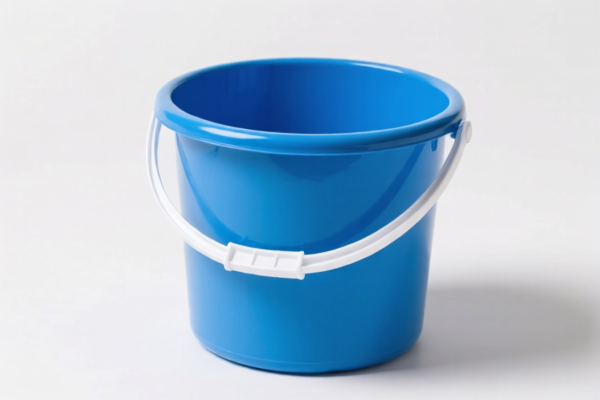
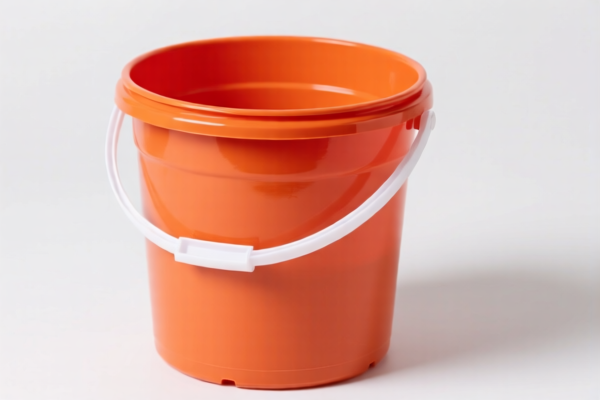
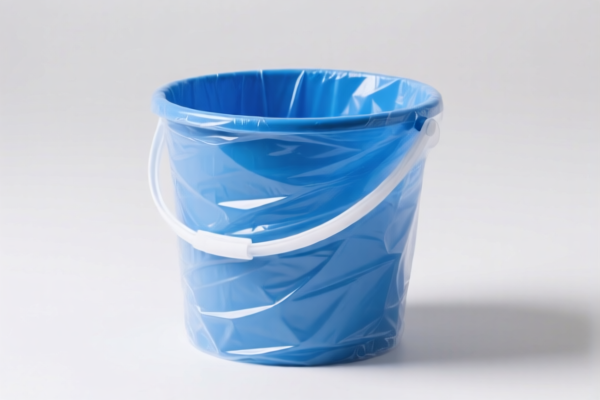
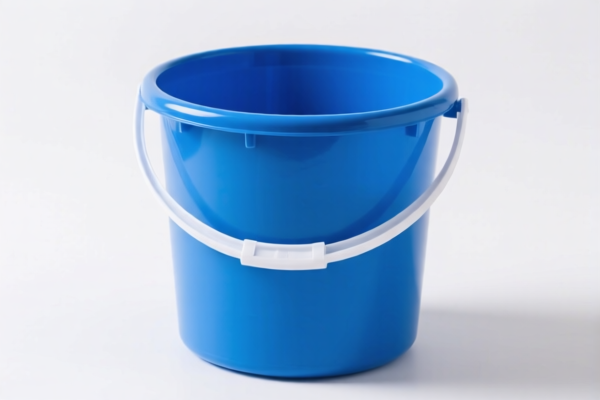
AI Analysis
📦 Polyethylene Box: HS Code Classification & 2026 Customs Clearance Guide
🌐 HS Code Reference & Customs Strategy | 2026 Latest Tariff Analysis | Professional Clearance Protocol
📌 I. Product Definition & Classification: What Exactly is a "Polyethylene Box"?
A Polyethylene Box is a rigid or semi-rigid container made primarily of polyethylene (a type of plastic). In international trade, classification depends heavily on shape, material composition, and intended use. The key distinction lies between:
Plastic Boxes/Containers (Primary Plastic Packaging): Rigid or semi-rigid containers made predominantly of plastic (e.g., HDPE, LDPE), used for storage, transport, or retail packaging.
Cardboard/Paper Boxes: If the "box" is primarily paper/cardboard with only minor plastic lining, it may fall under Chapter 48.
Other Containers: If the shape doesn't fit standard "box" definitions or contains mixed materials, it may fall under residual categories.
⚠️ Critical Distinction:
- If the box is predominantly plastic (polyethylene) and shaped as a rigid container → Chapter 39 (Plastics).
- If the box is paper/cardboard (even if lined) → Chapter 48 (Paper).
- If the box is a generic container not specified elsewhere → Chapter 42 or 39 Residual.
📦 II. HS Code Classification Details (2026 Latest Tariff Authority Cross-Reference)
| HS Code | Product Description | Applicable Scenario | Material Dominance |
|---|---|---|---|
3923.10.90.00 |
Boxes, cases, crates, and similar articles, of plastics | Plastic polyethylene boxes, rigid or semi-rigid | ✅ Plastic (Primary) |
3923.10.20.00 |
Boxes, cases, crates, and similar articles, of plastics | Plastic transport/packaging boxes | ✅ Plastic (Primary) |
3923.90.00.12 |
Articles of plastics for the conveyance or packing of goods | Polyethylene jars/cylindrical containers | ✅ Polyethylene |
4819.10.00.40 |
Boxes, cases, crates, and similar articles, of corrugated paper or paperboard | Paper/cardboard boxes (minor plastic lining allowed) | ❌ Paper/Cardboard (Primary) |
4202.92.93.15 |
Containers of plastics or of textile materials | Generic plastic containers not elsewhere specified | ✅ Plastic/Textile |
🔍 Key Reminder:
- Chapter 39 (Plastics) applies if the box is made primarily of plastic.
- Chapter 48 (Paper) applies if the box is made primarily of paper/cardboard, even with plastic lining.
- Chapter 42 is a residual category for containers that don’t fit other specific headings.
💰 III. 2026 Latest Tariff Rate Breakdown (Including Surtaxes & Policy Add-ons)
✅ Applicable Country: United States (US)
✅ Country of Origin: China (CN)
✅ Effective Date: From November 10, 2025 (and onwards)
🎯 1. 3923.10.90.00 – Plastic Boxes, Cases, Crates (Other)
| Item | Content |
|---|---|
| Base Tariff Rate | 3.0% (ad valorem) |
| USITC Surtax | +25% (Under USITC Footnote 9903.88.01) |
| IEEPA Surtax | +10% (Against Chinese/HK products, effective Nov 10, 2025) |
| Total Tariff Rate | 38.0% |
| Tax Calculation | CIF Value × 38% |
| De Minimis Eligibility | ❌ No (deny_de_minimis) |
| Legal Basis Path | IEEPA:9903.01.25 → IEEPA:9903.01.24 → USITC:3923.10.90.00 → FOOTNOTE:9903.88.01 |
📌 Explanation:
- "Base Tariff 3%": Standard USITC duty for plastic packaging articles.
- "USITC Surtax 25%": Section 301 tariffs on Chinese plastic goods.
- "IEEPA 10%": Additional emergency surtax under International Emergency Economic Powers Act.
- Total 38%: High cost! Must be factored into pricing strategy.
🎯 2. 3923.10.20.00 – Plastic Boxes, Cases, Crates (Specific Plastic Types)
| Item | Content |
|---|---|
| Base Tariff Rate | 0.0% |
| USITC Surtax | +25% |
| IEEPA Surtax | +10% |
| Total Tariff Rate | 35.0% |
| Tax Calculation | CIF Value × 35% |
| De Minimis Eligibility | ❌ No |
| Legal Basis Path | IEEPA:9901.25 → IEEPA:9903.01.24 → USITC:3923.10.20.00 → FOOTNOTE:9903.88.01 |
📌 Note:
- Lower base rate (0%) compared to3923.10.90.00, but same surtaxes.
- Applies to specific plastic types listed in subheading. Verify if your polyethylene type qualifies.
🎯 3. 3923.90.00.12 – Other Plastic Articles for Packing
| Item | Content |
|---|---|
| Base Tariff Rate | 3.0% |
| USITC Surtax | +25% |
| IEEPA Surtax | +10% |
| Total Tariff Rate | 38.0% |
| Tax Calculation | CIF Value × 38% |
| De Minimis Eligibility | ❌ No |
| Legal Basis Path | IEEPA:9903.01.25 → IEEPA:9903.01.24 → USITC:3923.90.00.12 → FOOTNOTE:9903.88.01 |
📌 Note:
- For polyethylene jars or cylindrical containers not classified as "boxes."
- Same high tariff structure as3923.10.90.00.
🎯 4. 4819.10.00.40 – Corrugated Paper/Cardboard Boxes
| Item | Content |
|---|---|
| Base Tariff Rate | 0.0% |
| USITC Surtax | +25% |
| IEEPA Surtax | +10% |
| Total Tariff Rate | 35.0% |
| Tax Calculation | CIF Value × 35% |
| De Minimis Eligibility | ❌ No |
| Legal Basis Path | IEEPA:9901.25 → IEEPA:9903.01.24 → USITC:4819.10.00.40 → FOOTNOTE:9903.88.01 |
📌 Note:
- If the box is paper/cardboard (even with plastic lining), it falls here.
- Same surtaxes apply, but base rate is 0%, totaling 35%.
🎯 5. 4202.92.93.15 – Other Containers (Plastic/Textile)
| Item | Content |
|---|---|
| Base Tariff Rate | 17.6% |
| USITC Surtax | +25% |
| IEEPA Surtax | +10% |
| Total Tariff Rate | 52.6% |
| Tax Calculation | CIF Value × 52.6% |
| De Minimis Eligibility | ❌ No |
| Legal Basis Path | IEEPA:9903.01.25 → IEEPA:9903.01.24 → USITC:4202.92.93.15 → FOOTNOTE:9903.88.01 |
📌 Warning:
- Highest tariff (52.6%)!
- Applies to generic containers not fitting specific plastic/paper definitions.
- Avoid this classification if possible by providing clear material/shape details.
🛠️ IV. Customs Clearance Practical Advice (Battle-Tested Pitfall Guide)
✅ 1. Required Documentation Checklist (Non-Negotiable)
| Document | Must Provide | Explanation |
|---|---|---|
| ✅ Product Specification Sheet | ✔️ | Dimensions, material type (HDPE/LDPE), thickness, capacity |
| ✅ Material Certificate | ✔️ | Proof of polyethylene composition (e.g., MSDS, lab report) |
| ✅ Product Photos (Including Labels) | ✔️ | Clear images of box shape, structure, and any markings |
| ✅ Commercial Invoice | ✔️ | Must specify "Polyethylene Box" or "Plastic Container" |
| ✅ Packing List | ✔️ | Detail quantities, weights, and dimensions |
| ✅ Country of Origin Certificate (CO) | ✔️ | If not China, may reduce surtaxes |
| ✅ Third-Party Test Reports | ✔️ | FDA, REACH, RoHS (if applicable for food/medical use) |
✅ 2. Declaration Tips (Key Mantra)
🔥 "Material First, Shape Second, Name Precise, Tax Saves a Lot!"
| Scenario | Correct Declaration | Wrong Practice |
|---|---|---|
| Plastic Box (Rigid) | 3923.10.90.00 or 3923.10.20.00 |
Misdeclare as paper → 35% |
| Paper Box with Plastic Lining | 4819.10.00.40 |
Misdeclare as plastic → 38% |
| Generic Container (Ambiguous) | Provide detailed specs to avoid 4202.92.93.15 |
Vague description → 52.6% |
| Food-Grade Polyethylene Box | Add "Food-Grade" to description | No label → Potential FDA hold |
✅ 3. Special Case Handling
| Scenario | Handling Advice |
|---|---|
| Custom Molded Boxes | Provide mold drawings + material specs to confirm Chapter 39 |
| Stackable/Nestable Boxes | Emphasize "transport packaging" to support 3923.10.20.00 |
| Food-Contact Boxes | Include FDA compliance statement to avoid detention |
| Mixed Material Boxes | Clearly state % composition; if plastic >50%, use Chapter 39 |
🌍 V. Global Market Comparison (2026 Latest)
| Country/Region | Recommended HS Code | Tariff | Certification | Notes |
|---|---|---|---|---|
| 🇺🇸 USA | 3923.10.90.00 |
38% (China) | FDA, REACH | 35% if 3923.10.20.00 |
| 🇨🇳 China | 3923.10.90.00 |
5% | None | No surtaxes |
| 🇪🇺 EU | 3923.10.90.00 |
0% (if CE) | CE, REACH | No surtaxes |
| 🇬🇧 UK | 3923.10.90.00 |
0% | UKCA | No surtaxes |
| 🇯🇵 Japan | 3923.10.90.00 |
0% | JIS | No surtaxes |
📌 Conclusion:
- USA is the only market with high surtaxes (35-52.6%) for Chinese-origin plastic boxes.
- China, EU, UK, Japan have low/zero tariffs for these goods.
- Cost Impact: US importers face 35-52.6% duty + logistics; consider supply chain relocation or product redesign.
📌 VI. Common Mistakes & Pitfall Avoidance (Blood-Teachings)
❌ Mistake 1: Declaring "Plastic Box" without specifying material
👉 Consequence: Customs may assign 4202.92.93.15 → 52.6% tariff!
❌ Mistake 2: Mixing paper and plastic boxes in one shipment
👉 Consequence: Each item taxed separately → Total cost skyrockets!
❌ Mistake 3: Not providing material certificates
👉 Consequence: Customs rejects declaration → Delay + storage fees!
❌ Mistake 4: Using "Box" as generic description
👉 Consequence: Misclassification → Penalties + back taxes!
✅ Correct Approach:
"HDPE Plastic Storage Box, 50L, Stackable, Food-Grade, Model XYZ, FDA Compliant"
🎯 VII. Conclusion: Professional Declaration, Save Time, Cut Costs!
🎯 Remember the Mantra:
🔹 "Material First, Shape Second, Name Precise, Tax Saves a Lot!"
🔹 "HS Code Defines Fate, 17.6% Base vs 0%, Declare Wrong, Pay Double!"
📌 Pro Tip:
If your polyethylene boxes are originating from Vietnam, Mexico, Thailand, or Malaysia, you may qualify for IEEPA Exemptions, reducing tariffs to 0-5%.
Recommend Advance Ruling Application to avoid clearance risks.
📣 Take Action Now:
📞 Contact Professional Customs Broker + Provide Product Photos + Apply for HS Code Advance Ruling
🚀 Let Your Polyethylene Boxes Clear Smoothly, Export Efficiently, Profit Double!
✨ Professional Clearance Starts with Precise Classification!
💼 Every Cent of Your Cost Deserves Precision!
Customer Reviews
About HS Code Classification
The Harmonized System (HS) is an internationally standardized nomenclature developed by the World Customs Organization (WCO) to classify traded products. Over 200 countries use the HS system as the basis for customs tariffs, trade statistics, and import/export regulations.
Each HS code follows a hierarchical structure:
- Chapter (2 digits) — Broad category of goods (e.g., Chapter 84: Machinery and Mechanical Appliances)
- Heading (4 digits) — More specific grouping within the chapter
- Subheading (6 digits) — Internationally standardized breakdown, used by all WCO member countries
- National subdivisions (8-10 digits) — Country-specific extensions for further classification, such as US HTSUS 10-digit codes
Correct HS code classification is essential for smooth customs clearance, accurate duty payment, and compliance with trade regulations. Misclassification can lead to customs delays, overpayment of duties, or penalties.
When importing from CN to US, the applicable tariff rates may include:
- Most-Favored-Nation (MFN) rate — The standard duty rate applied to WTO members
- General rate — Applied to countries without trade agreements
- Trade remedy duties — Additional tariffs such as Section 301 (anti-dumping), Section 232 (national security), or countervailing duties
The information provided on this page is for reference purposes only. For official classification, please consult with your local customs authority or a licensed customs broker.