Polyethylene Composite Pipe
CN → US| HS Code | Tariff Rate | Origin | Destination | Doc |
|---|---|---|---|---|
| 3917390010 | 38.1% | CN | US | Official Doc |
| 3917320020 | 38.1% | CN | US | Official Doc |
| 3917390010 | 38.1% | CN | US | Official Doc |
| 3926909987 | 22.8% | CN | US | Official Doc |
Product Images
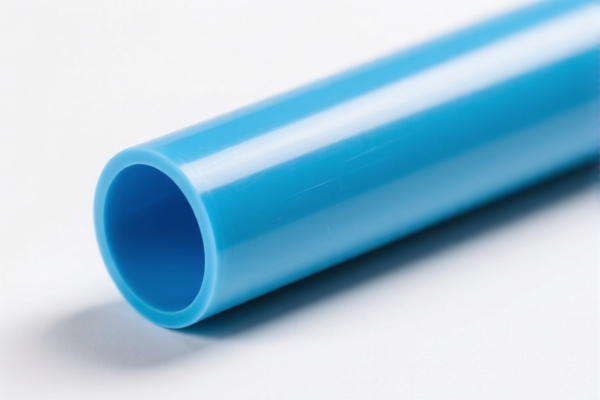

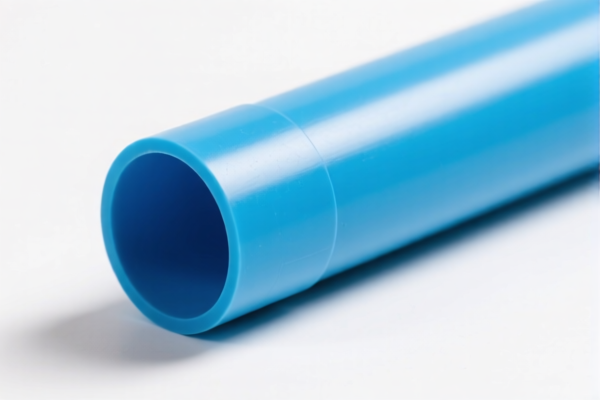
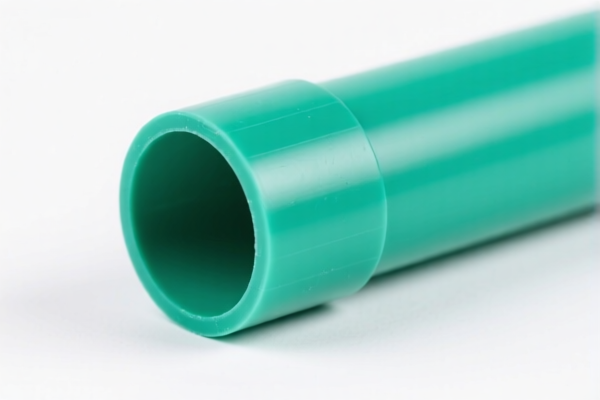
AI Analysis
🛢️ Polyethylene Composite Pipe (PECP)
🌐 HS Code Reference & Customs Clearance Guide | 2026 Latest Tariff Analysis | Professional Grade Clearance Strategy
📌 Part 1: Product Definition & Classification: Do You Really Understand "Composite Pipes"?
Polyethylene Composite Pipes (PECP) are advanced fluid transport systems combining the corrosion resistance and flexibility of plastics with the strength and pressure tolerance of metals. In international trade, they are not a single monolithic category but are strictly split based on manufacturing structure and material composition.
In the context of the provided data, these pipes fall under Chapter 39 (Plastics), specifically heading 3917 (Tubes, pipes, and hoses). However, the critical distinction lies in whether the pipe is reinforced with metal or is a pure plastic pipe (even if made of polyethylene).
⚠️ Key Distinction Point:
- If the pipe structure integrates a metal layer (such as steel or aluminum) for reinforcement → It is classified as "Reinforced with metal".
- If the pipe is solely made of plastic (e.g., pure PE, without any metal core or liner) → It is classified as "Not reinforced".
- Note: Even if the pipe is labeled "composite" in marketing terms, if it contains a metal structural component, customs will treat it as a composite plastic-metal article under 3917.39.
📦 Part 2: HS Code Classification Details (2026 Latest Tariff Authority Comparison)
Based on the provided dataset, here are the exact HS Codes and their corresponding tax treatments for Polyethylene Composite Pipes and related plastic tubes.
| HS Code | Product Description | Key Characteristics | Material Composition |
|---|---|---|---|
3917.39.00.10 |
Other tubes, pipes and hoses: Other: Reinforced with metal | Pipes with metal reinforcement (e.g., steel-plastic composite pipes, AL-PE pipes) | Plastics + Metal (Reinforced) |
3917.32.00.20 |
Other tubes, pipes and hoses: Other: Not reinforced... Of polyethylene | Pure PE pipes, no metal core or reinforcement. | Pure Polyethylene (Not Reinforced) |
🔍 Critical Reminder:
- Do NOT assume all "Composite Pipes" are the same.
- If your product has a metal liner or steel mesh embedded in the polyethylene for pressure resistance, it MUST be declared under3917.39.00.10.
- If your product is pure Polyethylene (e.g., HDPE pipes for water/gas distribution without metal), it falls under3917.32.00.20.
- Misclassification leads to severe penalty. A "reinforced" pipe declared as "pure plastic" is a major red flag for customs.
💰 Part 3: 2026 Latest Tariff Rate Details (Detailed Breakdown)
✅ Applicable Context: Based on the provided data, tariffs vary significantly by country of origin and HS Code.
⚠️ Note: The data shows two different tariff scenarios for the same HS Code3917.39.00.10. This indicates that the final tax depends on the Country of Origin (likely comparing a standard trade partner vs. a targeted trade policy country, e.g., China vs. others, or different FTA agreements).
🎯 1. 3917.39.00.10 —— Plastic Pipes Reinforced with Metal
This code applies to pipes where plastic is combined with metal (e.g., Aluminum-Plastic Composite Pipe, Steel-Plastic Composite Pipe).
Scenario A: Low Tariff Regime (e.g., FTA Partner or Non-Targeted Origin)
| Item | Detail |
|---|---|
| Base Tariff | 0.0% |
| Additional Tariff | 0.0% |
| Total Tax Rate | 0.0% |
| Tax Detail | "基础关税: 0.0%, 加征关税: 0.0%" |
📌 Explanation:
- This applies if the goods originate from a country with a Free Trade Agreement (FTA) or are not subject to specific trade remedies (e.g., Section 301 tariffs).
- Cost Advantage: Zero duty significantly boosts profitability.
Scenario B: High Tariff Regime (e.g., China Origin under US Trade Policy)
| Item | Detail |
|---|---|
| Base Tariff | 3.1% |
| Additional Tariff (Section 301) | 25.0% |
| Total Tax Rate | 28.1% |
| Tax Detail | "基础关税: 3.1%, 加征关税: 25.0%" |
📌 Explanation:
- This scenario typically applies to goods originating from China imported into the US (or other markets with similar policies).
- Total Cost Impact: A 28.1% duty is substantial. For a $10,000 shipment, this equals $2,810 in duties alone.
- Legal Basis: The 25% is a retaliatory/additional tariff under US Trade Law (Section 301), targeting specific Chinese-manufactured goods.⚠️ Warning: If your pipe is made in China and imported to the US, you MUST budget for the 28.1% rate under
3917.39.00.10.
🎯 2. 3917.32.00.20 —— Pure Polyethylene Pipes (Not Reinforced)
This code applies only if the pipe is 100% plastic with no metal components.
| Item | Detail |
|---|---|
| Base Tariff | 0.0% |
| Additional Tariff | 0.0% |
| Total Tax Rate | 0.0% |
| Tax Detail | "基础关税: 0.0%, 加征关税: 0.0%" |
📌 Explanation:
- Pure PE pipes enjoy a 0% tariff in this dataset.
- Strategy: If your product design allows, eliminate metal reinforcement (if engineering permits) to switch from3917.39(28.1%) to3917.32(0%). This is a massive cost-saving opportunity.
🛠️ Part 4: Customs Clearance Practical Advice (Real-World Pitfall Avoidance)
✅ 1. Documentation Checklist (Non-Negotiable)
| Document | Must Provide | Why It Matters |
|---|---|---|
| ✅ Product Specification Sheet | ✔️ | Must explicitly state: "Contains Metal" or "No Metal". Vague terms like "Composite" are rejected. |
| ✅ Structural Diagram/Cross-Section | ✔️ | Customs officers must see the layers. Show if there is a steel/aluminum liner. |
| ✅ Material Certificate | ✔️ | Proof that the inner/outer layers are Polyethylene and the core is Metal (or not). |
| ✅ Commercial Invoice | ✔️ | Description must be precise: "Polyethylene Pipe with Steel Reinforcement" vs. "Pure PE Pipe". |
| ✅ Origin Certificate | ✔️ | Critical for determining if the 28.1% or 0% rate applies. |
✅ 2. Classification Strategy (The Golden Rule)
🔥 “Metal Presence = 3917.39.00.10 = 28.1% (China-US)
“No Metal = 3917.32.00.20 = 0%”
| Scenario | Correct HS Code | Tax Rate (China-US) | Risk |
|---|---|---|---|
| Aluminum-Plastic Composite Pipe | 3917.39.00.10 |
28.1% | High. Must declare metal content. |
| Steel-Lined Polyethylene Pipe | 3917.39.00.10 |
28.1% | High. |
| Pure HDPE Water Pipe | 3917.32.00.20 |
0.0% | Low. |
| Pure PE Gas Pipe | 3917.32.00.20 |
0.0% | Low. |
📌 Critical Advice:
- Do NOT use generic terms like "Composite Pipe" on the invoice without specifying the composition.
- Do NOT misdeclare a metal-reinforced pipe as "Pure PE" to avoid tax. Customs may conduct physical inspections or require material tests. Fines for misdeclaration are severe.
✅ 3. Special Circumstances
| Situation | Handling Advice |
|---|---|
| Multi-layer Pipes (e.g., EVOH barrier) | If no metal is present, it is still "Not Reinforced". Use 3917.32.00.20 (0% tax). |
| Pipes with Metal Fittings | Fittings are declared separately or included in the same shipment, but the pipe body determines the HS Code. |
| Origin Ambiguity | If the pipe is assembled in multiple countries, ensure the Substantial Transformation rule is met to get the correct Certificate of Origin. |
🌍 Part 5: Global Market Comparison (2026 Snapshot)
| Market | Recommended HS Code | Tariff (China Origin) | Key Requirement |
|---|---|---|---|
| 🇺🇸 United States | 3917.39.00.10 |
28.1% (3.1% Base + 25% Additional) | Strict Section 301 enforcement. |
| 🇺🇸 United States | 3917.32.00.20 |
0.0% | No metal content allowed. |
| 🇨🇳 China | 3917.39.00.10 |
Varies (Import Duty) | Check current Import Tariff Book. |
| 🇪🇺 EU | 3917.39.00 |
0% - 4% (Generally) | No 25% additional tariff like US. |
📌 Conclusion:
- The US market is the most expensive for metal-reinforced plastic pipes from China due to the 25% additional tariff.
- Pure PE pipes enjoy 0% duty even in the US, making them a competitive alternative if design allows.
📌 Part 6: Common Errors & Pitfalls (Lessons Learned)
❌ Error 1: Declaring a steel-lined pipe as "Pure Plastic Pipe"
👉 Consequence: Customs seizes goods, imposes fines, and back-taxes at 28.1%.
❌ Error 2: Using vague description "Composite Pipe" without material details
👉 Consequence: Customs questions the origin and composition, causing delays and storage fees.
❌ Error 3: Assuming all "Composite" pipes are taxed the same
👉 Consequence: Missing the opportunity to use 3917.32.00.20 (0% tax) if the pipe is actually pure plastic.
✅ Correct Practice:
"Polyethylene Pipe with Aluminum Reinforcement, Outer Diameter 50mm, Inner Diameter 40mm, Model XYZ, Origin: China"
🎯 Part 7: Conclusion: Precision Classification Saves Money!
🎯 Remember the Rule:
🔹 "Metal Inside = 28.1% Tax (China-US)"
🔹 "No Metal = 0% Tax (China-US)"
🔹 "Be Specific: 'Reinforced' vs. 'Pure' is the Key!"
📌 Pro Tip:
If you are importing into the US, evaluate your product design. Can you use a higher-pressure pure PE pipe instead of a metal-reinforced one? The 28.1% tariff difference is a significant competitive advantage.
📣 Immediate Action:
📞 Consult your customs broker with cross-sectional diagrams.
🚀 Verify the metal content to ensure correct HS Code assignment.
💼 Don't let a classification error cost you 28% of your product value!
✨ Professional Customs Clearance Starts with Accurate Classification!
💼 Every Percent Matters in International Trade!
Customer Reviews
About HS Code Classification
The Harmonized System (HS) is an internationally standardized nomenclature developed by the World Customs Organization (WCO) to classify traded products. Over 200 countries use the HS system as the basis for customs tariffs, trade statistics, and import/export regulations.
Each HS code follows a hierarchical structure:
- Chapter (2 digits) — Broad category of goods (e.g., Chapter 84: Machinery and Mechanical Appliances)
- Heading (4 digits) — More specific grouping within the chapter
- Subheading (6 digits) — Internationally standardized breakdown, used by all WCO member countries
- National subdivisions (8-10 digits) — Country-specific extensions for further classification, such as US HTSUS 10-digit codes
Correct HS code classification is essential for smooth customs clearance, accurate duty payment, and compliance with trade regulations. Misclassification can lead to customs delays, overpayment of duties, or penalties.
When importing from CN to US, the applicable tariff rates may include:
- Most-Favored-Nation (MFN) rate — The standard duty rate applied to WTO members
- General rate — Applied to countries without trade agreements
- Trade remedy duties — Additional tariffs such as Section 301 (anti-dumping), Section 232 (national security), or countervailing duties
The information provided on this page is for reference purposes only. For official classification, please consult with your local customs authority or a licensed customs broker.