Polyethylene Plastic Pipelines
CN → US| HS Code | Tariff Rate | Origin | Destination | Doc |
|---|---|---|---|---|
| 3917320020 | 38.1% | CN | US | Official Doc |
| 3917210000 | 38.1% | CN | US | Official Doc |
| 3926909987 | 22.8% | CN | US | Official Doc |
| 3926909989 | 22.8% | CN | US | Official Doc |
| 3917220000 | 38.1% | CN | US | Official Doc |
Product Images
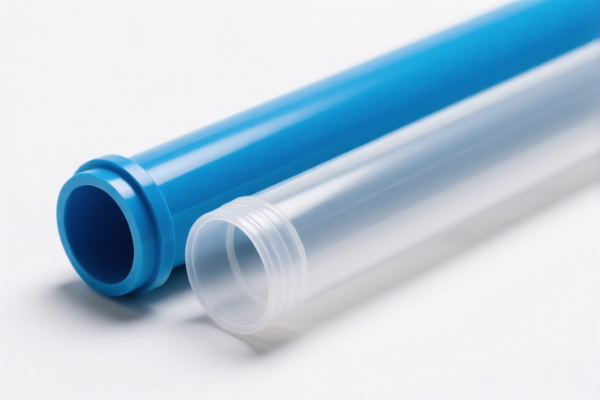

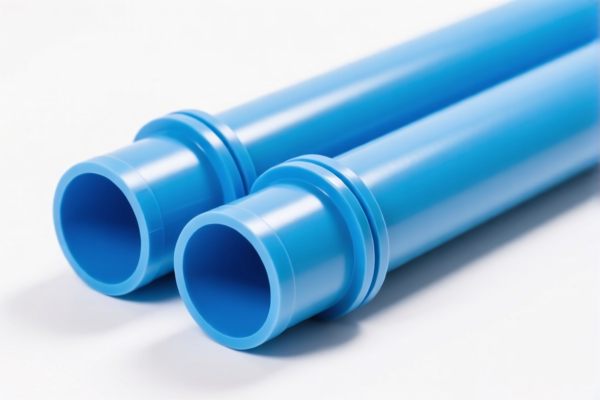

AI Analysis
🏗️ Polyethylene Plastic Pipelines (HDPE/PE Pipes)
🌐 HS Code Reference & Customs Clearance Guide | 2026 Latest Tariff Analysis | Strategic Clearance Strategy for US Imports
📌 I. Product Definition: What Exactly Are "Polyethylene Plastic Pipelines"?
Polyethylene (PE) pipelines are rigid or semi-rigid tubes made from thermoplastic polymers, primarily used for water distribution, gas transmission, oil transport, and sewage systems. In international trade, these are not a single homogeneous good. The customs classification depends heavily on: 1. Material Composition: Is it pure polyethylene or a composite? 2. Physical Form: Are they rigid pipes, flexible tubes, or fittings? 3. Intended Function: Are they for general plumbing, specific industrial use (e.g., oil), or unlisted plastic articles?
⚠️ Critical Distinction Point:
- If the product is strictly "Rigid Pipes" made of "Ethylene Polymers" → It falls under Heading 3917.
- If the product is classified broadly as a "Plastic Article" (not specifically identified as a pipe in Chapter 39) → It falls under Heading 3926.
- Misclassification Risk: Using a broad "Plastic Article" code (3926) for a specific "Pipe" (3917) may trigger scrutiny if the goods are clearly industrial piping, potentially leading to incorrect duty assessments.
📦 II. HS Code Classification Matrix (Based on Provided Data)
| HS Code | Product Description Summary | Key Classification Logic | Total Tax Rate (US) |
|---|---|---|---|
| 3917.32.00.20 | Polyethylene Pipes, Material & Form Match | Specifically matches polyethylene material and rigid pipe form. | 38.1% |
| 3917.21.00.00 | Polyethylene Pipes, Ethylene Polymer & Rigid | Classified under ethylene polymers and rigid tube category. | 38.1% |
| 3917.22.00.00 | PE Oil Transport Pipes, Plastic Piping Features | Specifically for oil transport, recognized as plastic piping. | 38.1% |
| 3926.90.99.87 | PE Pipes, Classified as Plastic Articles | Broad category: "Plastic articles" (less specific). | 22.8% |
| 3926.90.99.89 | PE Pipes, Unlisted Plastic Articles | Broad category: "Other plastic articles, n.e.s." | 22.8% |
🔍 Key Insight:
- 3917 Series (3917.32.00.20, 3917.21.00.00, 3917.22.00.00): These are specific classifications for pipes. They attract a higher base duty due to precise matching but are legally more accurate for industrial piping.
- 3926 Series (3926.90.99.87, 3926.90.99.89): These are general classifications for plastic articles. While the tax rate is lower, using these for standard pipes may be challenged by Customs if the product clearly fits the definition of a "pipe" under Heading 3917.
💰 III. Detailed Tariff Rate Breakdown (2026 Latest US Rates)
✅ Applicable Country: United States (US)
✅ Origin: China (CN)
✅ Effective Time: 2025-11-10 onwards (including subsequent imports)
🎯 1. HS Code 3917.32.00.20 — Polyethylene Pipes (Specific Match)
| Item | Detail |
|---|---|
| Base Duty Rate | 3.1% (Ad Valorem) |
| Section 301 Additional Duty | +25.0% (China-origin goods) |
| Section 122 Duty | +10.0% (Specific statutory provision) |
| Total Effective Rate | 38.1% |
| Calculation Basis | CIF Value × 38.1% |
| De Minimis Exemption | ❌ NOT APPLICABLE (deny_de_minimis) |
| Legal Authority Path | USITC:3917.32.00.20 → Section 301: Footnote 9903.88.01 → Section 122: 10% |
📌 Explanation:
- The 3.1% base rate is the standard MFN (Most Favored Nation) duty for plastic pipes.
- The 25% Section 301 duty is applied due to the product's origin from China.
- The 10% Section 122 duty is an additional statutory tariff layer.
- Total 38.1% is a significant cost factor. Must be factored into landed cost calculations.
🎯 2. HS Code 3917.21.00.00 — Polyethylene Pipes (Ethylene Polymer/Rigid)
| Item | Detail |
|---|---|
| Base Duty Rate | 3.1% |
| Section 301 Additional Duty | +25.0% |
| Section 122 Duty | +10.0% |
| Total Effective Rate | 38.1% |
| Calculation Basis | CIF Value × 38.1% |
| De Minimis Exemption | ❌ NOT APPLICABLE |
| Legal Authority Path | USITC:3917.21.00.00 → Section 301 → Section 122 |
📌 Note:
- Identical tax structure to3917.32.00.20.
- Used when the pipe is defined strictly by its polymer type (ethylene) and rigidity.
🎯 3. HS Code 3917.22.00.00 — PE Oil Transport Pipes
| Item | Detail |
|---|---|
| Base Duty Rate | 3.1% |
| Section 301 Additional Duty | +25.0% |
| Section 122 Duty | +10.0% |
| Total Effective Rate | 38.1% |
| Calculation Basis | CIF Value × 38.1% |
| De Minimis Exemption | ❌ NOT APPLICABLE |
| Legal Authority Path | USITC:3917.22.00.00 → Section 301 → Section 122 |
📌 Note:
- Specific for oil transport. If the pipe is used for water or gas, this code may be inaccurate.
- Same high tax burden as other 3917 codes.
🎯 4. HS Code 3926.90.99.87 — PE Pipes (Plastic Articles)
| Item | Detail |
|---|---|
| Base Duty Rate | 5.3% |
| Section 301 Additional Duty | +7.5% |
| Section 122 Duty | +10.0% |
| Total Effective Rate | 22.8% |
| Calculation Basis | CIF Value × 22.8% |
| De Minimis Exemption | ❌ NOT APPLICABLE |
| Legal Authority Path | USITC:3926.90.99.87 → Section 301 → Section 122 |
📌 Note:
- Lower Total Rate (22.8%) compared to 3917 codes.
- Risk: Customs may reclassify this as a 3917 code if the product is clearly a pipe, leading to back taxes + penalties.
- Use only if the product does not strictly meet the definition of "pipe" under Heading 3917 (e.g., complex composite tubes not intended for fluid transport).
🎯 5. HS Code 3926.90.99.89 — PE Pipes (Unlisted Plastic Articles)
| Item | Detail |
|---|---|
| Base Duty Rate | 5.3% |
| Section 301 Additional Duty | +7.5% |
| Section 122 Duty | +10.0% |
| Total Effective Rate | 22.8% |
| Calculation Basis | CIF Value × 22.8% |
| De Minimis Exemption | ❌ NOT APPLICABLE |
| Legal Authority Path | USITC:3926.90.99.89 → Section 301 → Section 122 |
📌 Note:
- Similar to3926.90.99.87.
- "Unlisted" implies no specific description matches the product in other headings.
- High risk of audit if standard PE pipes are imported.
🛠️ IV. Customs Clearance Practical Advice (Real-World Pitfall Avoidance)
✅ 1. Preparation Checklist (Non-Negotiable)
| Document | Required? | Purpose |
|---|---|---|
| ✅ Product Specification Sheet | ✔️ | Must state: Material (HDPE/LDPE/MDPE), Diameter, Wall Thickness, Pressure Rating, Intended Use (Water/Oil/Gas). |
| ✅ Product Photographs | ✔️ | Clear images of the pipe, including any markings, coils, or rigid sections. |
| ✅ Commercial Invoice | ✔️ | Must accurately describe goods as "Polyethylene Pipes" or "Plastic Pipes," not generic "Plastic Goods." |
| ✅ Packing List | ✔️ | Details on packaging type (coils, straight lengths). |
| ✅ Certificate of Origin (CO) | ✔️ | To confirm China origin (triggering Section 301/122 duties). |
| ✅ Third-Party Test Report | ✔️ | ASTM D3035 (for PE pipe) or equivalent to prove material compliance. |
✅ 2. Declaration Strategy (Key Mnemonics)
🔥 "Material First, Function Second, Don't Hide Pipes in Plastic Boxes!"
| Scenario | Recommended HS Code | Error Risk |
|---|---|---|
| Standard HDPE Water/Gas Pipe | 3917.32.00.20 or 3917.21.00.00 | High if misclassified as 3926. |
| Oil Transport Pipe | 3917.22.00.00 | Moderate if used for water. |
| Unusual Plastic Tube (Non-Standard) | 3926.90.99.87/89 | Low tax, but high audit risk. |
| Pipe Fittings/Accessories | Check separate heading | Often different than pipes. |
✅ 3. Special Situation Handling
| Situation | Advice |
|---|---|
| Mixed Shipments (Pipes + Fittings) | Declare separately! Pipes under 3917, fittings under different codes (e.g., 3917.23). Mixing them causes valuation errors. |
| Coiled vs. Straight Pipes | Coiled pipes are still "pipes." Ensure description matches the physical form. |
| OEM/Private Label | Ensure the supplier’s invoice matches your declaration exactly. Discrepancies cause delays. |
| Anti-Dumping Duty (ADD) | Check if Anti-Dumping duties apply to PE pipes from China. This data does not include ADD, but it may exist! Consult a trade lawyer. |
🌍 V. Global Market Comparison (2026 Snapshot)
| Region | Typical HS Code | Base Duty | Additional Duties (China) | Total Est. Rate |
|---|---|---|---|---|
| 🇺🇸 USA | 3917.xx.xx | 3.1% - 5.3% | 301 (25% or 7.5%) + 122 (10%) | 22.8% - 38.1% |
| 🇪🇺 EU | 3917.21.00 | 0% - 5% | None (Generally) | 0% - 5% |
| 🇨🇳 China (Import) | 3917.21.00 | 3.1% | None | 3.1% |
| 🇲🇽 Mexico | 3917.21.00 | 5% | None (USMCA eligible if originating) | 0% - 5% |
📌 Conclusion:
- The US market is the most expensive due to Section 301 and Section 122 tariffs.
- Duty Optimization: Consider sourcing from non-China origins (e.g., Vietnam, Mexico) to avoid 301/122 duties, if supply chain allows.
📌 VI. Common Mistakes & Pitfalls (Lessons Learned)
❌ Mistake 1: Classifying standard PE pipes under 3926 to save 15% in duty.
👉 Consequence: Customs Audit → Reclassification to 3917 → Back Taxes + Penalties + Interest.
❌ Mistake 2: Not declaring "Section 122" duties correctly.
👉 Consequence: Underpayment → Seizure of Goods at border.
❌ Mistake 3: Ignoring Anti-Dumping Duties (ADD).
👉 Consequence: Even if tariff is 38.1%, ADD can add hundreds of percent.
👉 Action: Verify ADD status for HS Code 3917.21.00.00 and 3917.32.00.00.
❌ Mistake 4: Using vague descriptions like "Plastic Tubing."
👉 Consequence: Customs officer determines classification → Likely 3917 (higher duty) + Delay.
✅ Correct Approach:
"Polyethylene (HDPE) Pipes, 4-inch Diameter, 100 PSI, for Water Distribution, ASTM D3035 Compliant, Coiled"
🎯 VII. Conclusion: Precision in Classification Saves Money!
🎯 Key Takeaways:
🔹 "Pipes are 3917, Articles are 3926. Don't hide pipes!"
🔹 "38.1% vs 22.8%? Risk vs Reward. Accuracy is cheaper than penalties."
🔹 "Check for Anti-Dumping Duties! They are separate from standard tariffs."
📌 Pro Tip:
If your supply chain is flexible, sourcing from Vietnam or Mexico can significantly reduce total landed cost by eliminating Section 301 and 122 duties (subject to USMCA/FTA rules).
Always apply for an Advance Ruling from US Customs (CBP) if you are unsure about the classification of complex plastic products.
📣 Immediate Action Required:
📞 Contact your Customs Broker with the following:
1. Product Specs (Material, Diameter, Use).
2. Supplier Invoice.
3. Request verification for Anti-Dumping Duties.
🚀 Get the correct HS Code before shipping to avoid costly delays.
✨ Smart Classification, Smooth Clearance!
💼 Your Supply Chain Profitability Depends on the First Line of Your Customs Declaration!
Customer Reviews
About HS Code Classification
The Harmonized System (HS) is an internationally standardized nomenclature developed by the World Customs Organization (WCO) to classify traded products. Over 200 countries use the HS system as the basis for customs tariffs, trade statistics, and import/export regulations.
Each HS code follows a hierarchical structure:
- Chapter (2 digits) — Broad category of goods (e.g., Chapter 84: Machinery and Mechanical Appliances)
- Heading (4 digits) — More specific grouping within the chapter
- Subheading (6 digits) — Internationally standardized breakdown, used by all WCO member countries
- National subdivisions (8-10 digits) — Country-specific extensions for further classification, such as US HTSUS 10-digit codes
Correct HS code classification is essential for smooth customs clearance, accurate duty payment, and compliance with trade regulations. Misclassification can lead to customs delays, overpayment of duties, or penalties.
When importing from CN to US, the applicable tariff rates may include:
- Most-Favored-Nation (MFN) rate — The standard duty rate applied to WTO members
- General rate — Applied to countries without trade agreements
- Trade remedy duties — Additional tariffs such as Section 301 (anti-dumping), Section 232 (national security), or countervailing duties
The information provided on this page is for reference purposes only. For official classification, please consult with your local customs authority or a licensed customs broker.