Polyethylene Polymer Plastic Composite Sheet for Packaging
CN → US| HS Code | Tariff Rate | Origin | Destination | Doc |
|---|---|---|---|---|
| 3921190090 | 41.5% | CN | US | Official Doc |
| 3921110000 | 40.3% | CN | US | Official Doc |
| 3919905040 | 40.8% | CN | US | Official Doc |
| 3919905060 | 40.8% | CN | US | Official Doc |
| 3920995000 | 40.8% | CN | US | Official Doc |
Product Images
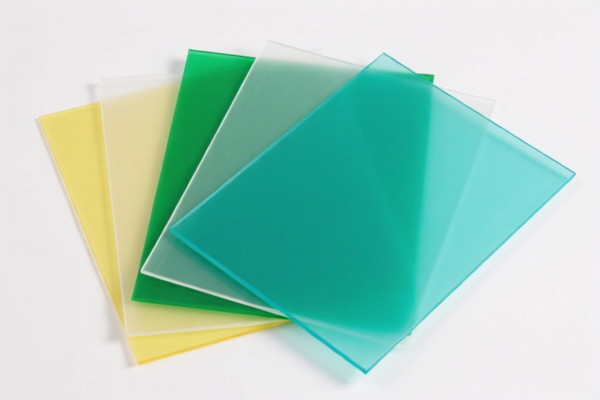
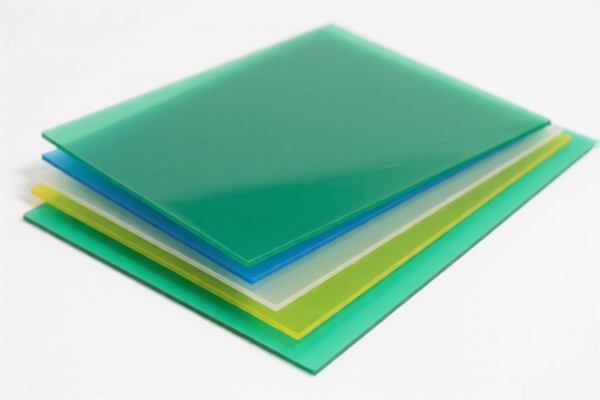

AI Analysis
📦 Polyethylene Polymer Plastic Composite Sheet for Packaging
🌐 HS Code Reference & Customs Clearance Guide | 2026 Latest Tariff Analysis | Professional Level Customs Strategy
📌 I. Product Definition and Classification: Do You Really Understand "Polyethylene Composite Plastic Film"?
Polyethylene (PE) composite plastic sheets/films are critical materials in the global packaging industry. They are characterized by their chemical resistance, flexibility, and moisture barrier properties. In international trade, these products fall under Chapter 39 (Plastics and Articles Thereof) and are primarily classified as Plates, Sheets, Film, Foil, and Strip.
However, the specific HS Code depends heavily on the shape, adhesiveness, and structural composition of the composite material. Misclassification can lead to significant tariff discrepancies due to US trade policies (Section 301 & Section 122).
⚠️ Key Distinction Points:
- Self-adhesive vs. Non-adhesive: Is the film sticky on one side? (Section 3919 vs. 3920/3921)
- Simple Sheet vs. Composite Structure: Is it a single layer or a multi-layer laminate? (Section 3920 vs. 3921)
- Form Factor: Is it rolled as a flexible film or rigid as a sheet/board?
📦 II. HS Code Classification Details (2026 Latest Tariff Authority Match)
Based on the provided data for "Polyethylene Polymer Plastic Composite Film/Sheet", here are the relevant HS Codes and their tax implications:
| HS Code | Product Description | Application Scenario | Total Tax Rate (US-China) | Tax Breakdown |
|---|---|---|---|---|
3921.19.00.90 |
Composite plastic film, made of polystyrene (note: data specifies PS, likely implying a PS/PE composite or mislabeled in source as PE context), classified under "Other plastic plates, sheets, film, foil, and strip". | Rigid composite packaging, insulated packaging, or complex multi-layer laminate structures. | 41.5% | Base: 6.5%, Sec 301: 25.0%, Sec 122: 10% |
3921.11.00.00 |
Composite plastic film, classified under "Polymers of ethylene". | Standard polyethylene laminated films, flexible packaging bags, shrink wraps. | 40.3% | Base: 5.3%, Sec 301: 25.0%, Sec 122: 10% |
3919.90.50.40 |
Self-adhesive plastic film. | Adhesive tapes, sticky backing films, label materials, or coated films requiring adhesion. | 40.8% | Base: 5.8%, Sec 301: 25.0%, Sec 122: 10% |
3919.90.50.60 |
Self-adhesive plastic film, flat shape/film. | Similar to above but specific sub-category for flat adhesive films. | 40.8% | Base: 5.8%, Sec 301: 25.0%, Sec 122: 10% |
3920.99.50.00 |
Other plastic films, plates, sheets, and strip. | Non-adhesive, non-laminated (or simple) PE films, general-purpose packaging films. | 40.8% | Base: 5.8%, Sec 301: 25.0%, Sec 122: 10% |
🔍 Important Note on "Polyethylene" vs. "Polystyrene" in Source Data:
The source data summaries mention "Polymer Plastic Composite Film, material is Polystyrene (PS)". If your product is truly Polyethylene (PE), you must look at3921.11.00.00(if composite/laminated) or3920.99.50.00(if simple film). If it contains Polystyrene layers or is classified under PS-specific subheadings,3921.19.00.90may apply. Clarify the exact material composition!
💰 III. 2026 Latest Tariff Rate Details (Including Surtaxes & Policy Add-ons)
✅ Applicable Country: United States (US)
✅ Origin: China (CN)
✅ Effective Time: 2025/2026 Import Cycle
🎯 1. 3921.11.00.00 —— Polymers of Ethylene (Composite/Laminated Film)
| Item | Content |
|---|---|
| Base Tariff | 5.3% |
| USITC Surtax (Section 301) | +25.0% |
| 122 Section Tariff | +10.0% |
| Total Tax Rate | 40.3% |
| Tax Calculation | CIF Value × 40.3% |
| De Minimis Exemption | ❌ Not Eligible |
| Legal Basis Path | USITC:3921.11.00.00 → FOOTNOTE:301 → 122:10% |
📌 Explanation:
- This code applies if the film is a laminated composite of ethylene polymers. - The 25% is the standard Section 301 tariff on Chinese plastics. - The 10% is the additional Section 122 tariff (often related to national security or specific trade remedy actions). - Total burden is high; accurate material declaration is crucial.
🎯 2. 3920.99.50.00 —— Other Plastic Films (Non-Adhesive, Simple)
| Item | Content |
|---|---|
| Base Tariff | 5.8% |
| USITC Surtax (Section 301) | +25.0% |
| 122 Section Tariff | +10.0% |
| Total Tax Rate | 40.8% |
| Tax Calculation | CIF Value × 40.8% |
| De Minimis Exemption | ❌ Not Eligible |
| Legal Basis Path | USITC:3920.99.50.00 → FOOTNOTE:301 → 122:10% |
📌 Explanation:
- Applies to simple PE films that are not self-adhesive and not laminated into complex composites. - Slightly higher base rate (5.8% vs 5.3%) than3921.11.
🎯 3. 3919.90.50.40 / 3919.90.50.60 —— Self-Adhesive Plastic Film
| Item | Content |
|---|---|
| Base Tariff | 5.8% |
| USITC Surtax (Section 301) | +25.0% |
| 122 Section Tariff | +10.0% |
| Total Tax Rate | 40.8% |
| Tax Calculation | CIF Value × 40.8% |
| De Minimis Exemption | ❌ Not Eligible |
📌 Explanation:
- Use only if the film has an adhesive backing (e.g., tape, sticky labels). - Incorrectly classifying adhesive film as non-adhesive (3920or3921) can lead to penalties.
🛠️ IV. Customs Clearance Practical Advice (Battle-Tested Pitfall Avoidance)
✅ 1. Required Documentation Checklist (Must-Haves)
| Document | Required | Notes |
|---|---|---|
| ✅ Product Specification Sheet | ✔️ | Must specify: Material (PE/PS), Thickness, Layers, Adhesive Type (if any), Width, Length. |
| ✅ Commercial Invoice | ✔️ | Clear description: "Polyethylene Composite Plastic Film for Packaging", not just "Plastic Sheet". |
| ✅ Packing List | ✔️ | Weight, dimensions, number of rolls/sheets. |
| ✅ Material Composition Statement | ✔️ | Critical for distinguishing between 3921.11 (Ethylene) and 3921.19 (Other/PS). |
| ✅ Adhesive Confirmation | ✔️ | If yes → 3919; If no → 3920 or 3921. |
| ✅ Coating/Backing Info | ✔️ | Is there a paper, foil, or another polymer layer? |
✅ 2. Declaration Strategy (Key Mantras)
🔥 "Material First, Adhesive Second, Structure Third!"
| Scenario | Correct HS Code | Wrong Code | Consequence |
|---|---|---|---|
| Simple PE Film (No Adhesive, No Lamination) | 3920.99.50.00 |
3921.11.00.00 |
Risk of over-tax (40.8% vs 40.3% is small, but accuracy matters for audits) |
| Laminated PE Film (Multi-layer Composite) | 3921.11.00.00 |
3920.99.50.00 |
Under-declaration risk; customs may reclassify to composite code |
| Adhesive PE Film (Tape-like) | 3919.90.50.40/60 |
3920.99.50.00 |
High Risk: Classified as adhesive, correct code applies |
| PS/PE Composite Sheet | 3921.19.00.90 |
3921.11.00.00 |
High Risk: If PS content is significant, misclassification can lead to disputes |
✅ 3. Special Handling Cases
| Situation | Recommendation |
|---|---|
| Mixed Material Layers | If the film has PE and PS layers, declare the principal material or the last layer depending on HS Chapter Notes. If indistinguishable, 3921.19 (Other) may be safer than 3921.11 (Ethylene only). |
| Sample Shipments | Even for samples, pay the full 40-41% tax. De minimis ($800) does not apply to Chinese plastic goods under current 122/301 rules. |
| Rolls vs. Sheets | Ensure the description matches "Film" (rolls) or "Sheet" (cut pieces). HS codes 3920/3921 cover both, but precise description avoids inspection delays. |
| Food Contact Packaging | If for food, include FDA Compliance Statement on the invoice. This does not lower tax but speeds up CBP FDA screening. |
🌍 V. Global Market Clearance Comparison (2026)
| Region | Recommended HS Code | Tariff (China Origin) | Key Certification | Notes |
|---|---|---|---|---|
| 🇺🇸 USA | 3921.11.00.00 / 3920.99.50.00 |
40.3% - 40.8% | FDA (if food) | High tariffs due to Sec 301 & 122. |
| 🇨🇳 China | 3921.11.00.00 |
5.5% - 6% | None | Low entry tariff. |
| 🇪🇺 EU | 3920.10.00 / 3921.11.00 |
6.5% | REACH | No Section 301 equivalent, but REACH compliance is strict. |
| 🇬🇧 UK | 3920.10.00 |
6.5% | UKCA | Post-Brexit, similar to EU. |
| 🇦🇺 Australia | 3920.10.00 |
5% | GST + Wine Equalisation (if applicable) | Generally low tariffs. |
📌 Conclusion:
- The US market is the most expensive for Chinese plastic packaging due to the ~41% effective tariff rate. - No de minimis exemption exists for these goods from China. - Accurate material breakdown is the single most important factor to avoid penalties.
📌 VI. Common Mistakes & Pitfalls (Lessons Learned)
❌ Mistake 1: Labeling a laminated film as "Simple Film" (3920)
👉 Consequence: Customs may reclassify to 3921 (Composite), which might have a different base rate or trigger additional scrutiny.
❌ Mistake 2: Ignoring the Adhesive Layer
👉 Consequence: If the film is sticky, classifying it as 3920 is incorrect. It must be 3919 (Self-adhesive). Misclassification can lead to 100% penalty on underpaid duties.
❌ Mistake 3: Assuming "Plastic Film" is all the same
👉 Consequence: 3921.11 (Ethylene) vs. 3921.19 (Other/PS) have different base rates (5.3% vs 6.5%). While the surtax is the same, the base tax difference adds up on large volumes.
❌ Mistake 4: Using "De Minimis" for small shipments
👉 Consequence: Total Loss. The $800 exemption is blocked for Chinese plastics under Section 122/301. Every shipment, no matter the value, is subject to full duty.
✅ Correct Practice:
"Polyethylene Composite Plastic Film, Laminated, Non-Adhesive, for Food Packaging, FDA Compliant, Roll Format"
🎯 VII. Conclusion: Professional Declaration Saves Money!
🎯 Remember the Mantra:
🔹 "Check Material: PE or PS?
🔹 Check Adhesive: Yes or No?
🔹 Check Structure: Simple or Laminate?
🔹 US Tariff: ~41% - No Exemption!"
📌 Pro Tip:
If you are importing large volumes, consider Supply Chain Diversification. Sourcing from Vietnam, Malaysia, or Mexico may allow you to leverage USMCA (for Mexico) or GSP-like benefits, potentially reducing the tariff burden significantly compared to the ~41% Chinese origin rate.
📣 Immediate Action:
📞 Consult a Customs Broker with your exact product samples.
📄 Request an Advance Ruling from CBP if unsure about classification.
🚀 Get it right the first time to avoid port delays and costly penalties!
✨ Professional Clearance Starts with Accurate Classification!
💼 Your Profit Margin Depends on Every Percent of Duty!
Customer Reviews
About HS Code Classification
The Harmonized System (HS) is an internationally standardized nomenclature developed by the World Customs Organization (WCO) to classify traded products. Over 200 countries use the HS system as the basis for customs tariffs, trade statistics, and import/export regulations.
Each HS code follows a hierarchical structure:
- Chapter (2 digits) — Broad category of goods (e.g., Chapter 84: Machinery and Mechanical Appliances)
- Heading (4 digits) — More specific grouping within the chapter
- Subheading (6 digits) — Internationally standardized breakdown, used by all WCO member countries
- National subdivisions (8-10 digits) — Country-specific extensions for further classification, such as US HTSUS 10-digit codes
Correct HS code classification is essential for smooth customs clearance, accurate duty payment, and compliance with trade regulations. Misclassification can lead to customs delays, overpayment of duties, or penalties.
When importing from CN to US, the applicable tariff rates may include:
- Most-Favored-Nation (MFN) rate — The standard duty rate applied to WTO members
- General rate — Applied to countries without trade agreements
- Trade remedy duties — Additional tariffs such as Section 301 (anti-dumping), Section 232 (national security), or countervailing duties
The information provided on this page is for reference purposes only. For official classification, please consult with your local customs authority or a licensed customs broker.