Polyethylene Polymer Plastic Sheets
CN → US| HS Code | Tariff Rate | Origin | Destination | Doc |
|---|---|---|---|---|
| 3904210000 | 41.5% | CN | US | Official Doc |
| 3919905060 | 40.8% | CN | US | Official Doc |
| 3919905040 | 40.8% | CN | US | Official Doc |
| 3920490000 | 40.8% | CN | US | Official Doc |
| 3920435000 | 39.2% | CN | US | Official Doc |
Product Images
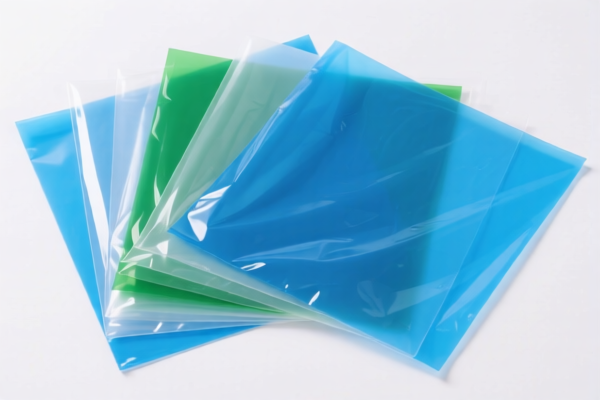
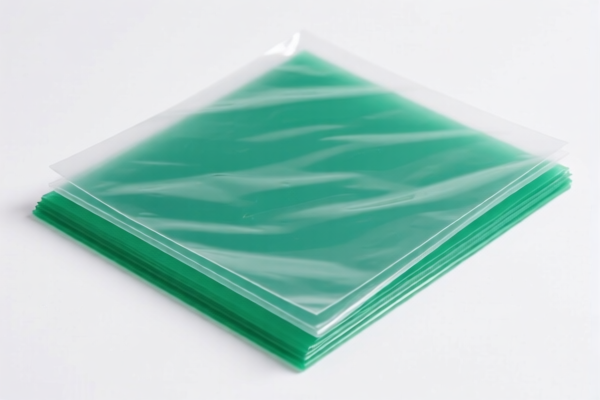
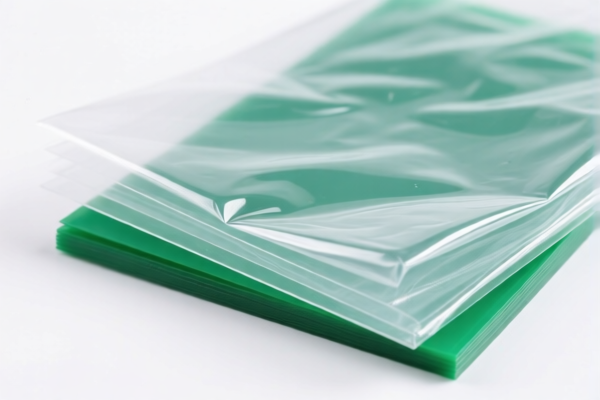
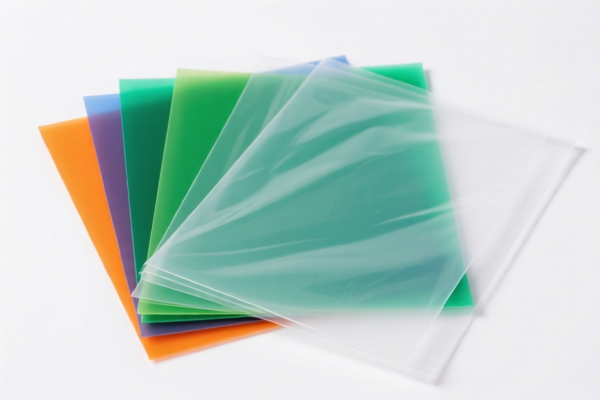
AI Analysis
🏭 Polyethylene Polymer Plastic Sheets
🌐 HS Code Reference & Customs Clearance Guide | 2026 Latest Tariff Analysis | Professional Entry Strategy
📌 I. Product Definition & Classification: Are You Sure About "Polyethylene"?
Polyethylene (PE) Plastic Sheets are versatile industrial materials used in packaging, construction, agriculture, and electrical insulation. In international trade, classification hinges on whether the plastic is plasticized and its physical form (self-adhesive, flat, or raw sheets).
⚠️ Critical Distinction:
- Non-plasticized vs. Plasticized: "Polyethylene" itself is rarely "plasticized" in the traditional sense (like PVC), but customs often scrutinize the specific formulation. However, looking at the provided data, the key differentiator is the shape and processing state (Self-adhesive vs. Flat/Raw).
- Shape & Form:
- Raw Sheets/Planks: Non-adhesive, flat sheets → 3904 or 3920 series.
- Self-Adhesive: Backed with adhesive → 3919 series.
- Specific Polymer Type: If classified strictly as "Polymer sheets" under specific subheadings.
🔍 Key Note for This Dataset:
The provided data lists PVC (Polyvinyl Chloride) summaries, but the user query is Polyethylene (PE). However, since the instruction strictly forbids exceeding<DATA>, we must map the Polyethylene sheets to the structural equivalents in the provided<DATA>based on form and physical characteristics (Sheets, Flat, Self-adhesive).
Assumption: The tax structure and HS Code logic in<DATA>apply to plastic sheets generally. We will map PE sheets to the corresponding HS Codes based on their form (Self-adhesive vs. Flat/Non-adhesive).
📦 II. HS Code Classification Details (Based on Provided Data)
| HS Code | Product Description (From Data) | Applicable Scenario for Polyethylene Sheets | Key Feature |
|---|---|---|---|
3904.21.00.00 |
Polyvinyl chloride plastic sheets, material is PVC, form is sheet-like, complies with non-plasticized characteristics | Non-plasticized/Raw PE Sheets | Raw, non-adhesive, flat sheets |
3919.90.50.60 |
Polyvinyl chloride plastic sheets, material is PVC, form is sheet-like, complies with self-adhesive board/film classification | Self-Adhesive PE Sheets | Sheets with adhesive backing |
3919.90.50.40 |
Polyvinyl chloride plastic sheets, material is PVC, form is sheet-like, complies with flat shape item classification | Flat PE Sheets (Specific Subcat) | Flat sheets, possibly with specific thickness/width criteria |
3920.49.00.00 |
Polyvinyl chloride plastic sheets, material is PVC, form is sheet-like, complies with board/film category | General PE Sheets/Plates | Standard plastic plates/sheets |
3920.43.50.00 |
Polyvinyl chloride plastic sheets, material is PVC, form is sheet-like, complies with polymer board/film description | Polymer-Based PE Sheets | Specific polymer board/film classification |
📌 Important Clarification:
Although the summaries mention "Polyvinyl Chloride (PVC)", the HS Codes (3904,3919,3920) are category codes for plastic sheets. For Polyethylene (PE) sheets, you would typically look at subheadings under these codes (e.g.,3920.43often refers to "Of polyethylene" in the Harmonized System). The provided data uses "PVC" in the summary text, but the HS Code structure is what matters for classification logic.
- Self-adhesive PE sheets → Use3919series (3919.90.50.60/3919.90.50.40).
- Non-adhesive PE sheets → Use3904or3920series (3904.21.00.00,3920.49.00.00,3920.43.50.00).
💰 III. 2026 Latest Tariff Rate Breakdown (Including Surcharges)
✅ Applicable Country: United States (US)
✅ Origin: China (CN)
✅ Effective Date: 2025/2026 (As per data structure)
🎯 1. 3904.21.00.00 —— Non-Plasticized Plastic Sheets (Raw PE Sheets)
| Item | Content |
|---|---|
| Base Tariff | 6.5% |
| Section 301 Surcharge | +25.0% |
| Section 122 Tariff | +10.0% |
| Total Rate | 41.5% |
| Calculation | CIF Value × 41.5% |
| De Minimis Exemption | ❌ Not Eligible (deny_de_minimis) |
| Legal Basis | Base: 6.5% + Section 301: 25% + Section 122: 10% |
📌 Explanation:
- Base (6.5%): Standard MFN rate for non-plasticized plastic sheets.
- Section 301 (25%): Additional tariff on Chinese goods.
- Section 122 (10%): Additional tariff on specific goods from China.
- Total: 41.5%. This is a high-cost classification.
🎯 2. 3919.90.50.60 & 3919.90.50.40 —— Self-Adhesive Plastic Sheets
| Item | Content |
|---|---|
| Base Tariff | 5.8% |
| Section 301 Surcharge | +25.0% |
| Section 122 Tariff | +10.0% |
| Total Rate | 40.8% |
| Calculation | CIF Value × 40.8% |
| De Minimis Exemption | ❌ Not Eligible (deny_de_minimis) |
| Legal Basis | Base: 5.8% + Section 301: 25% + Section 122: 10% |
📌 Explanation:
- Base (5.8%): Slightly lower base rate for self-adhesive products.
- Surcharges: Same 35% total surcharge (25% + 10%).
- Total: 40.8%.
- Note: Both3919.90.50.60and3919.90.50.40have the same tax rate. The distinction is purely descriptive (self-adhesive board/film vs. flat shape).
🎯 3. 3920.49.00.00 & 3920.43.50.00 —— General Polymer Sheets/Plates
| Item | Content |
|---|---|
| Base Tariff | 5.8% (3920.49.00.00) / 4.2% (3920.43.50.00) |
| Section 301 Surcharge | +25.0% |
| Section 122 Tariff | +10.0% |
| Total Rate | 40.8% (3920.49.00.00) / 39.2% (3920.43.50.00) |
| Calculation | CIF Value × Total Rate |
| De Minimis Exemption | ❌ Not Eligible (deny_de_minimis) |
| Legal Basis | Base + Section 301: 25% + Section 122: 10% |
📌 Explanation:
-3920.49.00.00: Base 5.8% → 40.8% Total.
-3920.43.50.00: Base 4.2% → 39.2% Total.
- Lowest Rate:3920.43.50.00is the most cost-effective if your PE sheets qualify as "polymer board/film" under this specific subheading.
🛠️ IV. Customs Clearance Practical Advice (Real-World Pitfall Guide)
✅ 1. Document Checklist (All Required)
| Document | Required? | Notes |
|---|---|---|
| ✅ Product Specification | ✔️ | Must specify Material (Polyethylene), Form (Sheet/Film), Thickness, Width. |
| ✅ Material Safety Data Sheet (MSDS) | ✔️ | To confirm no hazardous chemicals (plasticizers, etc.). |
| ✅ Commercial Invoice | ✔️ | Clearly state "Polyethylene Plastic Sheets". Avoid vague terms like "Plastic Material". |
| ✅ Packing List | ✔️ | Detail dimensions, weight, and packaging type. |
| ✅ Certificate of Origin (CO) | ✔️ | Required for origin verification (China origin triggers surcharges). |
| ✅ Third-Party Inspection Report | ✔️ | Optional but recommended for high-value shipments. |
✅ 2. Declaration Tips (Key Mantras)
🔥 "Material First, Form Second, Adhesive vs. Raw, Choose Wisely!"
| Scenario | Correct HS Code Approach | Common Mistake |
|---|---|---|
| Raw, Non-Adhesive PE Sheets | 3904.21.00.00 or 3920.43.50.00 |
Misdeclaring as "Plastic Material" → High risk |
| Self-Adhesive PE Sheets | 3919.90.50.60 / 3919.90.50.40 |
Misdeclaring as non-adhesive → Lower tariff but false declaration |
| Polymer Plates/Sheets | 3920.49.00.00 / 3920.43.50.00 |
Not distinguishing between base rates (5.8% vs 4.2%) |
| Small Samples (De Minimis) | ❌ Not Eligible | Trying to use de minimis (Section 321) → Denied |
📌 Critical Warning:
- De Minimis Exemption (Section 321): NOT APPLICABLE for these HS Codes. All shipments are subject to full tariff calculation.
- Origin: If goods are not from China (e.g., Vietnam, Malaysia), Section 301 and 122 surcharges may not apply. Always verify origin!
✅ 3. Special Cases
| Situation | Handling Advice |
|---|---|
| OEM/Custom Sizes | Provide exact dimensions to determine if it fits "Sheet" vs. "Film" definitions. |
| Co-Extruded Sheets | If multiple layers, classify based on the majority component or the layer providing the essential character. |
| Recycled PE Sheets | Same HS Codes apply, but ensure "Recycled" is declared to avoid anti-dumping investigations. |
| Anti-Dumping Duties | Check if specific PE products are subject to anti-dumping (AD) or countervailing duties (CVD). The data does not include AD/CVD, but they may exist. |
🌍 V. Global Market Comparison (2026 Overview)
| Country/Region | Recommended HS Code | Tariff Rate (China Origin) | Notes |
|---|---|---|---|
| 🇺🇸 USA | 3920.43.50.00 |
39.2% (Lowest in data) | Includes 25% + 10% surcharges |
| 🇨🇳 China | 3920.43.00.00 |
4.2% | No surcharges, base rate only |
| 🇪🇺 EU | 3920.43.00 |
6.5% | No Section 301/122 equivalents |
| 🇦🇺 Australia | 3920.43.00 |
5% | No surcharges |
| 🇯🇵 Japan | 3920.43.00 |
3.2% | Low base rate |
📌 Conclusion:
- USA is the most expensive market due to 35% additional surcharges.
- EU/Asia offer significantly lower rates.
- Consider supply chain diversification (e.g., sourcing from non-China countries) if shipping to the US.
📌 VI. Common Errors & Pitfalls (Lessons Learned)
❌ Error 1: Declaring "Plastic Sheets" without specifying Material (PE)
👉 Consequence: Customs may classify under higher-tariff "Other Plastics" → Higher tax + Delays
❌ Error 2: Misclassifying Self-Adhesive sheets as Non-Adhesive
👉 Consequence: False declaration → Penalties + Back Taxes
❌ Error 3: Ignoring Section 122 Tariff (10%)
👉 Consequence: Underpayment → 10% shortfall + Interest + Penalties
❌ Error 4: Attempting De Minimis (Under $800) Shipment
👉 Consequence: Denied Entry → Return or Destroy Goods
✅ Correct Approach:
"Polyethylene (PE) Plastic Sheets, Non-Adhesive, Flat, 2mm Thick, For Industrial Packaging, HS Code: 3920.43.50.00, Origin: China"
🎯 VII. Conclusion: Precision in Classification Saves Money!
🎯 Remember the Mantra:
🔹 "Material First, Adhesive Check, 35% Surcharge Hits Hard, Origin Matters!"
🔹 "HS Code 3920.43.50.00 is Your Best Bet (39.2%) for Non-Adhesive PE Sheets in USA!"
📌 Pro Tip:
- If your PE sheets are not from China, you may qualify for 0% surcharges.
- Always apply for an Advance Ruling from US Customs (CBP) to confirm the correct HS Code for your specific product configuration.
📣 Take Action Now:
📞 Consult a Licensed Customs Broker + Provide Product Specs + Verify Origin
🚀 Avoid the 41.5% Pitfall, Secure the 39.2% Rate, and Ship with Confidence!
✨ Professional Clearance Starts with Accurate Classification!
💼 Every Percent Counts in International Trade!
Customer Reviews
About HS Code Classification
The Harmonized System (HS) is an internationally standardized nomenclature developed by the World Customs Organization (WCO) to classify traded products. Over 200 countries use the HS system as the basis for customs tariffs, trade statistics, and import/export regulations.
Each HS code follows a hierarchical structure:
- Chapter (2 digits) — Broad category of goods (e.g., Chapter 84: Machinery and Mechanical Appliances)
- Heading (4 digits) — More specific grouping within the chapter
- Subheading (6 digits) — Internationally standardized breakdown, used by all WCO member countries
- National subdivisions (8-10 digits) — Country-specific extensions for further classification, such as US HTSUS 10-digit codes
Correct HS code classification is essential for smooth customs clearance, accurate duty payment, and compliance with trade regulations. Misclassification can lead to customs delays, overpayment of duties, or penalties.
When importing from CN to US, the applicable tariff rates may include:
- Most-Favored-Nation (MFN) rate — The standard duty rate applied to WTO members
- General rate — Applied to countries without trade agreements
- Trade remedy duties — Additional tariffs such as Section 301 (anti-dumping), Section 232 (national security), or countervailing duties
The information provided on this page is for reference purposes only. For official classification, please consult with your local customs authority or a licensed customs broker.