Polyethylene Resealable Zipper Bags
CN → US| HS Code | Tariff Rate | Origin | Destination | Doc |
|---|---|---|---|---|
| 3923210020 | 38.0% | CN | US | Official Doc |
| 3923210011 | 38.0% | CN | US | Official Doc |
| 3923210030 | 38.0% | CN | US | Official Doc |
| 3921904090 | 39.2% | CN | US | Official Doc |
| 3921905050 | 39.8% | CN | US | Official Doc |
Product Images
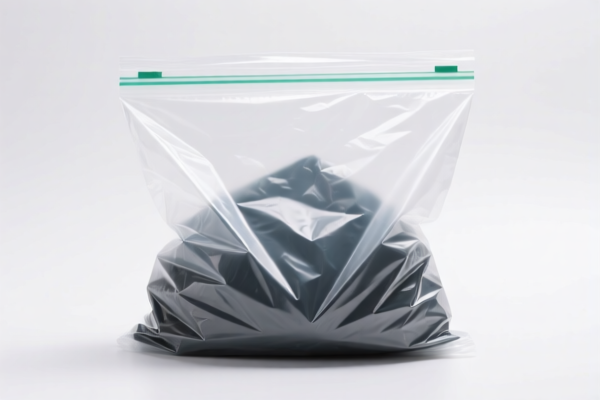
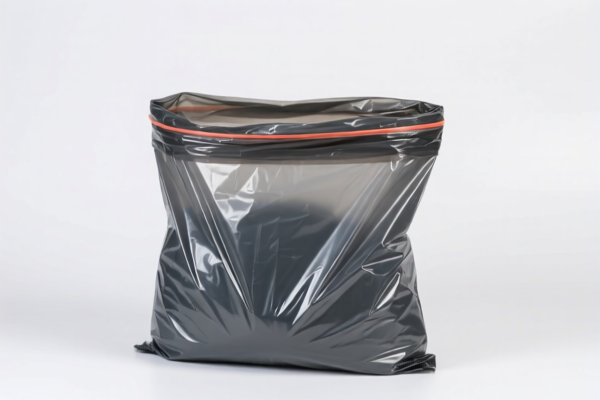
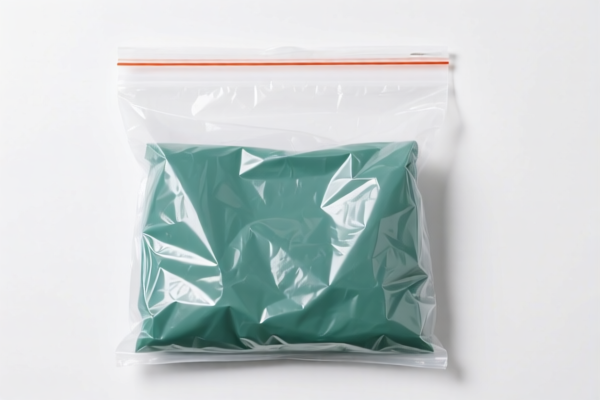
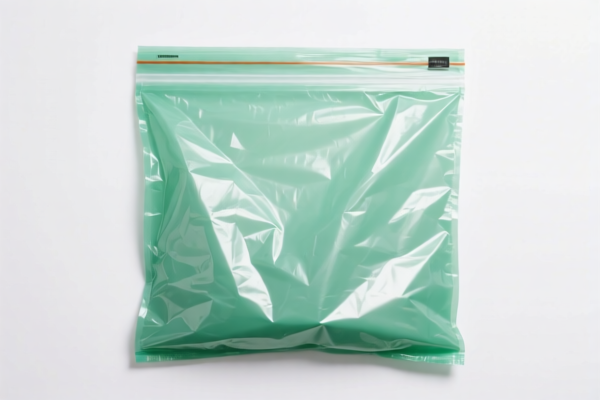
AI Analysis
🛍️ Polyethylene Resealable Zipper Bags (PE Zip Lock Bags)
🌐 HS Code Reference & Customs Clearance Guide | 2026 Latest Tariff Breakdown | Strategic Import Strategy for US Market
📌 1. Product Definition & Classification: What Exactly Are "PE Resealable Bags"?
Polyethylene Resealable Zipper Bags are flexible packaging solutions widely used in food storage, retail, electronics, and industrial packaging. In international trade, their classification depends heavily on material composition and structural form.
Key Distinction: * Resealable/Zipper Bags (Chapter 3923): Bags with a mechanical closing mechanism (zipper/slider) that allow repeated opening and closing. These are typically classified under heading 3923.21 (Sacks and bags). * Stand-up Pouches/Film Structures (Chapter 3921): Flat bags, film pouches, or laminated structures without a zipper mechanism, often relying on heat sealing. These fall under heading 3921 (Plates, sheets, film, foil and strip, of plastics).
⚠️ Critical Classification Point:
- If the bag has a zipper/slider closure for resealing → Must go to 3923.21.xxxx
- If the bag is a flat stand-up pouch (no zipper) or just a plastic film sheet → Must go to 3921.90.xxxx
- Misclassification leads to severe penalties and duty miscalculation.
📦 2. HS Code Classification Details (2026 Latest Tariff Authority)
| HS Code | Product Description | Usage Scenario | Closure Type | Material Structure |
|---|---|---|---|---|
3923.21.00.20 |
Polyethylene Resealable Zipper Bags | Food storage, retail packaging, small parts | ✅ Zipper/Slider | PE Film |
3923.21.00.11 |
Polyethylene Resealable Zipper Bags (Standard) | General purpose resealing | ✅ Zipper/Slider | PE Film |
3923.21.00.30 |
Polyethylene Stand-Up Pouches (Resealable) | Coffee, snacks, cosmetics | ✅ Zipper/Slider + Bottom Gusset | PE Film |
3921.90.40.90 |
Polyethylene Stand-Up Bags (Non-Zipper) | Flat pouches, laminated films | ❌ Heat Seal Only | PE/Film/Sheet |
3921.90.50.50 |
Polyethylene Plastic Films/Sheets | Industrial packaging, protective covers | ❌ No Closure | PE Sheet/Film |
🔍 Key Reminder:
- All bags with zipper mechanisms are strictly classified under 3923.21. Do not classify them as "plastic bags" (3923.29) unless they lack the zipper feature.
- Stand-up bags with zippers are still 3923.21. Those without zippers but with specific film structures may fall under 3921.90.
- Note: The provided data indicates different tax rates for 3923.21 vs 3921.90 due to tariff structure differences.
💰 3. 2026 Latest Tariff Rate Breakdown (Including Additional Taxes)
✅ Applicable Country: United States (US)
✅ Origin: China (CN)
✅ Effective Date: Post-2025/2026 Tariff Implementation
🎯 1. 3923.21.00.20 / 3923.21.00.11 / 3923.21.00.30 — PE Resealable Zipper Bags
These codes cover bags with resealable zipper mechanisms.
| Item | Content |
|---|---|
| Base Tariff | 3.0% (ad valorem) |
| Trade War Tariff (Section 301) | +25.0% (Additional tariff on Chinese goods) |
| Section 122 Tariff | +10.0% (Specific tariff on certain plastic packaging) |
| Total Tariff Rate | 38.0% |
| Duty Calculation | CIF Value × 38% |
| De Minimis Exemption | ❌ Not Eligible (Due to high tariff rate, typically >20%) |
| Legal Basis Path | HTSUS:3923.21 → Section 301: HTSUS 3923.21.00.20 → Section 122: HTSUS 3923.21.00.11/30 |
📌 Explanation:
- Base Tariff (3.0%): Standard Most Favored Nation (MFN) rate for plastic sacks/bags.
- Section 301 Tariff (25%): Imposed under U.S. Trade Act Section 301 for specific Chinese-origin plastics.
- Section 122 Tariff (10%): Additional duty applied to certain plastic packaging materials.
- Total: 38.0%. This is a high-cost category. Importers must accurately declare the zipper feature to avoid being misclassified into potentially higher or lower tiers incorrectly.
🎯 2. 3921.90.40.90 — Polyethylene Stand-Up Bags (Film/Sheet Structure)
This code applies to non-resizable PE bags or film structures that do not have a zipper mechanism.
| Item | Content |
|---|---|
| Base Tariff | 4.2% (ad valorem) |
| Trade War Tariff (Section 301) | +25.0% |
| Section 122 Tariff | +10.0% |
| Total Tariff Rate | 39.2% |
| Duty Calculation | CIF Value × 39.2% |
| De Minimis Exemption | ❌ Not Eligible |
| Legal Basis Path | HTSUS:3921.90 → Section 301 → Section 122 |
📌 Explanation:
- Slightly higher base tariff (4.2% vs 3.0%) than zipper bags.
- Total: 39.2%. Even higher than zipper bags!
- Strategic Note: If your product has a zipper, do not declare it under 3921.90. Customs may flag it for misdeclaration, leading to audits and penalties.
🎯 3. 3921.90.50.50 — Polyethylene Plastic Films/Sheets
Covers broader plastic film products, including some stand-up pouch structures without zippers.
| Item | Content |
|---|---|
| Base Tariff | 4.8% (ad valorem) |
| Trade War Tariff (Section 301) | +25.0% |
| Section 122 Tariff | +10.0% |
| Total Tariff Rate | 39.8% |
| Duty Calculation | CIF Value × 39.8% |
| De Minimis Exemption | ❌ Not Eligible |
| Legal Basis Path | HTSUS:3921.90 → Section 301 → Section 122 |
📌 Explanation:
- Highest base tariff (4.8%) among the listed codes.
- Total: 39.8%.
- Warning: This category is for general plastic films. Misdeclaring a zipper bag here risks customs rejection and fines.
🛠️ 4. Customs Clearance Practical Advice (Battle-Tested Pitfall Guide)
✅ 1. Documentation Checklist (Mandatory)
| Document | Required | Notes |
|---|---|---|
| ✅ Product Specification Sheet | ✔️ | Must clearly state: Material (PE), Closure Type (Zipper/Non-Zipper), Dimensions, Thickness (mils/gauge) |
| ✅ Product Photos | ✔️ | Close-up of the zipper mechanism if applicable. Show the bag open and closed. |
| ✅ Commercial Invoice | ✔️ | Must explicitly state: "Polyethylene Resealable Zipper Bag" or "Polyethylene Stand-Up Film Bag" – Do not use vague terms like "Plastic Bag" |
| ✅ Packing List | ✔️ | Detail quantity per carton. Ensure weight matches declaration. |
| ✅ Origin Certificate | ✔️ | Required for tariff determination. Must show China origin to apply Section 301/122 accurately. |
| ✅ FDA Compliance (If for Food) | ✔️ | If used for food storage, ensure PE is food-grade and provide FDA compliance statement. |
✅ 2. Declaration Strategy (Key Keywords)
🔥 “Zipper = 3923.21, No Zipper = 3921.90. Be Precise!”
| Scenario | Correct Declaration | Incorrect Declaration | Risk |
|---|---|---|---|
| Bag with Zipper | 3923.21.00.20 (or .11/.30) |
3923.29.00.00 (Other plastic sacks) |
Misclassification penalty. Wrong tax rate. |
| Bag with Zipper | 3923.21.00.20 |
3921.90.40.90 |
Severe Penalty. Customs will correct to 3923.21 and may audit past entries. |
| Bag Without Zipper (Stand-up) | 3921.90.40.90 |
3923.21.00.20 |
Overpayment or underpayment depending on current rate. |
| Generic "Plastic Bag" | Vague | "Plastic Bag" | Customs Rejection. Lack of specific description leads to examination delay. |
✅ 3. Special Case Handling
| Situation | Handling Advice |
|---|---|
| Bilingual Packaging | Ensure English description on the bag matches the invoice. If bag says "Ziploc Style," declare as "Resealable Zipper Bag." |
| Laminated Bags | If the bag has multiple layers (e.g., PE/ALU/PE), check if it changes the HS code. However, if it has a zipper, it likely stays in 3923.21. Confirm with customs broker. |
| Recycled PE | If the bag is made from >50% recycled polyethylene, no change in HS code, but may require additional environmental disclosures depending on destination country regulations. |
| Food Contact | If intended for food, ensure the PE is FDA 21 CFR compliant. Add "Food Grade" to the invoice description to facilitate clearance. |
🌍 5. Global Market Comparison (2026 Update)
| Country/Region | Recommended HS Code | Base Tariff | Additional Taxes (China Origin) | Total Est. Rate | Certification |
|---|---|---|---|---|---|
| 🇺🇸 USA | 3923.21.00.20 |
3.0% | 35% (301+122) | 38.0% | FDA (if food) |
| 🇨🇳 China | 3923.21.00.20 |
5.0% | None | 5.0% | CCC (if applicable) |
| 🇪🇺 EU | 3923.21.00.00 |
4.5% | None | 4.5% | REACH, Food Contact |
| 🇬🇧 UK | 3923.21.00.00 |
4.5% | None | 4.5% | UKCA, Food Contact |
| 🇦🇺 Australia | 3923.21.00.00 |
5.0% | None | 5.0% | FSANZ (if food) |
📌 Conclusion:
- USA has the highest tariff burden (38-39.8%) due to Section 301 and Section 122.
- EU/UK/Australia offer significantly lower tariffs (~4.5-5.0%) but have strict environmental and food safety regulations (REACH, FSANZ).
- China Origin products face no additional tariffs in China/EU/UK/AU, only standard MFN rates.
📌 6. Common Mistakes & Pitfalls (Lessons Learned)
❌ Mistake 1: Declaring "Zipper Bags" as 3923.29.00.00 (Other plastic bags)
👉 Consequence: Incorrect base rate. Customs may reclassify to 3923.21.00.20, leading to retroactive duty payments and penalties.
❌ Mistake 2: Using vague terms like "Plastic Packaging" on Invoice
👉 Consequence: Customs examiners may select the highest possible tariff rate or delay clearance for further inspection.
❌ Mistake 3: Not specifying "Resealable" or "Zipper" in Description
👉 Consequence: Ambiguity. If customs suspects a zipper, they may audit the entry. If no zipper is found, you may have overpaid. If found, you may have misdeclared.
❌ Mistake 4: Ignoring Section 122 Tariff
👉 Consequence: Underpayment of 10%. Customs can audit up to 5 years back for significant underpayments.
✅ Correct Practice:
"Polyethylene Resealable Zipper Bag, 6x9 inch, Food Grade, 2 Mil Thickness, 100 Count/Bag"
🎯 7. Conclusion: Professional Declaration for Cost Optimization
🎯 Key Takeaway:
🔹 "Zipper = 3923.21, No Zipper = 3921.90. Accuracy Saves Money!"
🔹 "USA Tariffs are High (38-40%). Prepare for CIT (Customs Infrastructure Fee) and Insurance Fund fees too."
🔹 "Always specify material (PE) and closure type. Vague descriptions invite audits."
📌 Pro Tip:
If you are importing large volumes, consider:
1. Applying for an HTSUS Advance Ruling from CBP to confirm your classification before shipment.
2. Reviewing Section 301 Exclusions to see if any PE zipper bags are eligible for temporary exclusions (though many are not).
3. Supplier Verification: Ensure your supplier provides accurate material test reports (PE grade) to support FDA compliance.
📣 Immediate Action:
📞 Consult a Licensed Customs Broker
📄 Prepare Detailed Product Descriptions
🚀 Optimize Your Supply Chain for High Tariff Environments
✨ Precision in Classification, Peace in Clearance!
💼 Every Percentage Point Matters in Global Trade!
Customer Reviews
About HS Code Classification
The Harmonized System (HS) is an internationally standardized nomenclature developed by the World Customs Organization (WCO) to classify traded products. Over 200 countries use the HS system as the basis for customs tariffs, trade statistics, and import/export regulations.
Each HS code follows a hierarchical structure:
- Chapter (2 digits) — Broad category of goods (e.g., Chapter 84: Machinery and Mechanical Appliances)
- Heading (4 digits) — More specific grouping within the chapter
- Subheading (6 digits) — Internationally standardized breakdown, used by all WCO member countries
- National subdivisions (8-10 digits) — Country-specific extensions for further classification, such as US HTSUS 10-digit codes
Correct HS code classification is essential for smooth customs clearance, accurate duty payment, and compliance with trade regulations. Misclassification can lead to customs delays, overpayment of duties, or penalties.
When importing from CN to US, the applicable tariff rates may include:
- Most-Favored-Nation (MFN) rate — The standard duty rate applied to WTO members
- General rate — Applied to countries without trade agreements
- Trade remedy duties — Additional tariffs such as Section 301 (anti-dumping), Section 232 (national security), or countervailing duties
The information provided on this page is for reference purposes only. For official classification, please consult with your local customs authority or a licensed customs broker.