Polyethylene Retail Bags, Reclosable
CN → US| HS Code | Tariff Rate | Origin | Destination | Doc |
|---|---|---|---|---|
| 3923210011 | 38.0% | CN | US | Official Doc |
| 3923210020 | 38.0% | CN | US | Official Doc |
| 3923210020 | 38.0% | CN | US | Official Doc |
| 3923210011 | 38.0% | CN | US | Official Doc |
| 3923290000 | 38.0% | CN | US | Official Doc |
Product Images
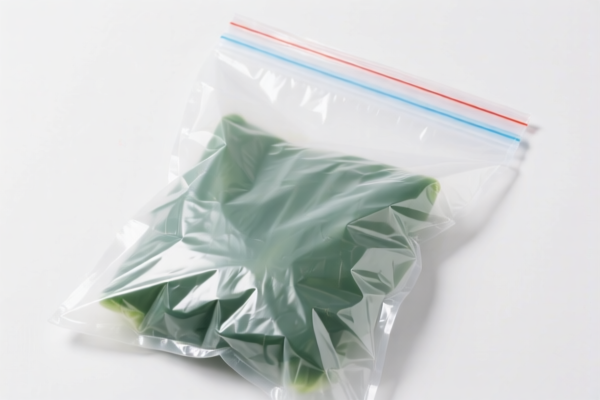
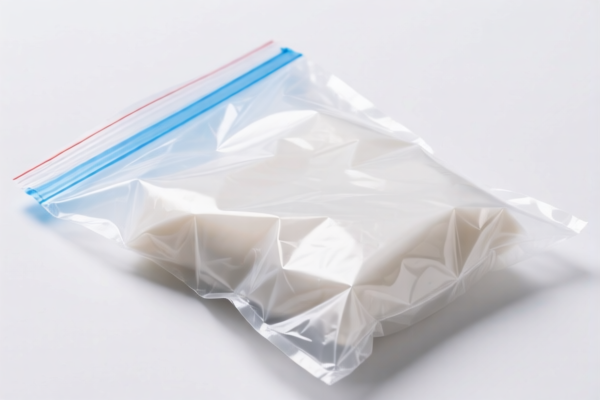
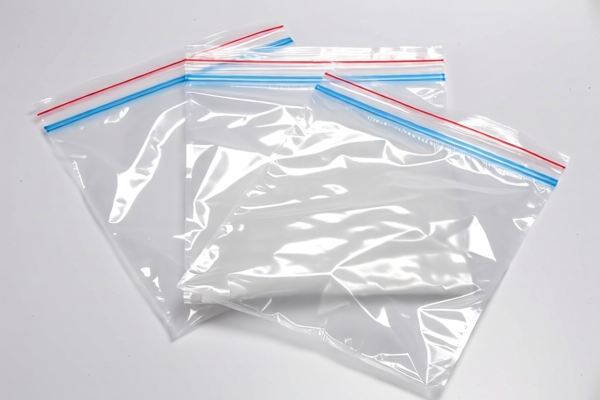
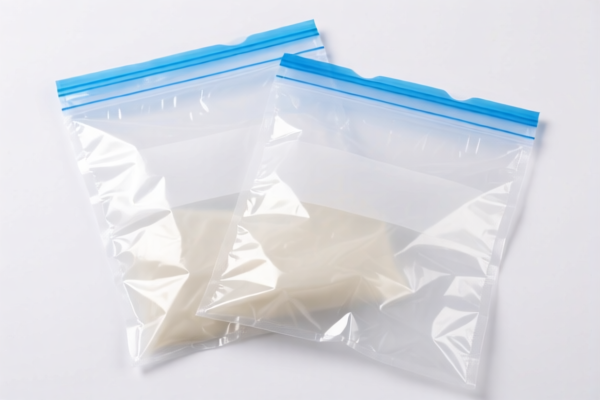
AI Analysis
🛍️ Polyethylene Retail Bags, Reclosable (Plastic Packaging)
🌐 HS Code Reference & Customs Clearance Guide | 2026 Latest Tariff Analysis | Professional Clearance Strategy
📌 I. Product Definition & Classification: Do You Really Understand "Reclosable Plastic Bags"?
Polyethylene retail bags, specifically those with reclosable features, are a ubiquitous packaging solution in global trade. They range from snack bags to dry goods packaging. In international trade classification, they are strictly categorized based on material, shape, and functionality.
Key Classification Logic:
1. Material: Must be Polyethylene (or other ethylene polymers).
2. Form: Must be in the form of a bag (pouch, sack, etc.).
3. Function: Must be reclosable (zipper, press-to-close, etc.).
⚠️ Critical Distinction Point:
- If the bag is made of Polyethylene and has a reclosable feature → It falls under Chapter 39, Heading 3923.
- If the bag is non-reclosable (simple open bag) → It may fall under 3923.29 (Other bags).
- If the material is NOT Polyethylene (e.g., Polypropylene) → Different HS codes apply (not covered in this specific dataset).
📦 II. HS Code Classification Details (2026 Latest Tariff Authority Cross-Reference)
| HS Code | Product Description | Application Scenario | Material/Form Match |
|---|---|---|---|
3923.21.00.11 |
Food packaging bags made of polyethylene, with reclosable function | Snack bags, food storage pouches, retail food packaging | ✅ Material: Polyethylene; ✅ Form: Bag; ✅ Function: Reclosable |
3923.21.00.20 |
Reclosable self-sealing bags made of polyethylene (ziplock type) | Retail packaging, dry goods, non-food items using zipper seals | ✅ Material: Ethylene polymer; ✅ Form: Reclosable bag; ✅ Use: Retail packaging |
3923.29.00.00 |
Reclosable storage bags (inferred plastic, non-specific polymer) | Generic storage bags where polyethylene is inferred but not explicitly stated as primary retail food packaging | ✅ Form: Bag; ✅ Function: Reclosable; ⚠️ Material: Inferred plastic (General "Other" category) |
🔍 Key Reminder:
-3923.21covers bags made of polyethylene.
-3923.29covers other plastic bags (if the material is not explicitly polyethylene or if it doesn't fit the specific "retail/food" reclosable criteria of 3923.21).
- Do not confuse with non-reclosable bags (3923.29for open bags) or bags of other plastics (3923.30for sacks/bags).
💰 III. 2026 Latest Tariff Rate Breakdown (Including Surtaxes & Policy Surcharges)
✅ Applicable Country: United States (US)
✅ Country of Origin: China (CN)
✅ Effective Date: Current rates apply (Note: Data reflects existing surtax structure)
🎯 1. 3923.21.00.11 — Polyethylene Reclosable Food Packaging Bags
| Item | Content |
|---|---|
| Basic Tariff Rate | 3.0% (Ad valorem) |
| Section 301 Surcharge (Additional Tariff) | +25.0% |
| Section 122 Tariff | +10.0% |
| Total Effective Tax Rate | 38.0% |
| Tax Calculation | CIF Value × 38.0% |
| De Minimis Eligibility | ❌ Not Eligible (High tariff items typically excluded from Section 321 de minimis benefits) |
| Legal Basis Path | HTSUS:3923.21.00.11 → Section 301 Footnote → Section 122 Provision |
📌 Explanation:
- 3.0%: Standard Most Favored Nation (MFN) duty for plastic bags.
- 25.0%: Section 301 tariffs targeting specific Chinese imports, including plastic packaging materials.
- 10.0%: Section 122 tariffs (under U.S. Trade Act of 1974) targeting certain manufactured goods.
- Total 38%: A significant cost burden. Importers must factor this into landed cost calculations.
🎯 2. 3923.21.00.20 — Polyethylene Reclosable Self-Sealing Bags (Ziplock Type)
| Item | Content |
|---|---|
| Basic Tariff Rate | 3.0% |
| Section 301 Surcharge | +25.0% |
| Section 122 Tariff | +10.0% |
| Total Effective Tax Rate | 38.0% |
| Tax Calculation | CIF Value × 38.0% |
| De Minimis Eligibility | ❌ Not Eligible |
| Legal Basis Path | HTSUS:3923.21.00.20 → Section 301 Footnote → Section 122 Provision |
📌 Note:
- This code specifically targets retail packaging where the bag itself is the primary container (e.g., Ziploc® style bags).
- The tariff structure is identical to3923.21.00.11. The distinction is purely descriptive for customs verification.
🎯 3. 3923.29.00.00 — Reclosable Storage Bags (Other Plastic)
| Item | Content |
|---|---|
| Basic Tariff Rate | 3.0% |
| Section 301 Surcharge | +25.0% |
| Section 122 Tariff | +10.0% |
| Total Effective Tax Rate | 38.0% |
| Tax Calculation | CIF Value × 38.0% |
| De Minimis Eligibility | ❌ Not Eligible |
| Legal Basis Path | HTSUS:3923.29.00.00 → Section 301 Footnote → Section 122 Provision |
📌 Note:
- This is a catch-all for reclosable plastic bags that do not fit the specific "polyethylene food/retail" definitions or where the material is not explicitly polyethylene.
- Risk: If you misclassify a Polyethylene bag as "Other Plastic," customs may still apply the same 38% rate but could delay clearance for verification.
🛠️ IV. Customs Clearance Practical Advice (Real-World Pitfall Avoidance)
✅ 1. Documentation Checklist (All Required)
| Document | Must Provide | Explanation |
|---|---|---|
| ✅ Product Specification Sheet | ✔️ | Must explicitly state: Material (Polyethylene), Type (Reclosable/Zipper), Use (Retail/Food) |
| ✅ Product Photos | ✔️ | Clear images showing the zipper/reclosable mechanism and any food-safe certifications |
| ✅ Commercial Invoice | ✔️ | Describe goods as: "Polyethylene Reclosable Retail Bags, HS 3923.21.00.20" |
| ✅ Packing List | ✔️ | Detail net/gross weights, quantities per carton |
| ✅ Material Declaration | ✔️ | Confirm material is 100% Polyethylene (not PP or PE mix, unless specified) |
✅ 2. Declaration Tips (Key Mnemonic)
🔥 "Material Clear, Function Reclosable, Code 3923, Tax 38%!"
| Scenario | Correct Declaration | Wrong Practice |
|---|---|---|
| Polyethylene + Zipper | 3923.21.00.20 |
Declare as "Plastic Bags" (Too vague → 3923.29) |
| Food-grade Reclosable Bag | 3923.21.00.11 |
Declare as "General Storage" (Risk of audit) |
| Non-Polyethylene (e.g., PP) + Zipper | Not in this dataset (Likely 3923.29 or different heading) | Force into 3923.21 → Misclassification Penalty |
| Non-Reclosable (Open) Bag | 3923.29.00.00 (if plastic) |
Declare as "Reclosable" → Higher scrutiny |
✅ 3. Special Situations Handling
| Situation | Handling Advice |
|---|---|
| OEM Custom Bags | Provide design drawings showing the zipper attachment to prove reclosable function. |
| Mixed Materials | If the zipper is metal or different plastic, the bag is still classified by the main body material (Polyethylene). |
| Food Contact | If claiming food-safe, provide FDA Compliance docs. This doesn't change HS code but speeds up clearance. |
| High-Value Shipments | Given the 38% tax, ensure CIF valuation is accurate. Under-declaration leads to severe penalties. |
🌍 V. Global Market Comparison (2026 Latest)
| Country/Region | Recommended HS Code | Tariff (China Origin) | Certification | Note |
|---|---|---|---|---|
| 🇺🇸 USA | 3923.21.00.20 |
38.0% (3% + 25% + 10%) | FDA (if food contact) | High tariff burden |
| 🇨🇳 China | 3923.21.00.20 |
0% - 5% (Varies) | GB Standard | No Section 301 |
| 🇪🇺 EU | 3923.21.00 |
4.5% (Standard) | REACH + RoHS | No Section 301/122 |
| 🇬🇧 UK | 3923.21.00 |
4.5% | UKCA + REACH | Post-Brexit rates |
| 🇯🇵 Japan | 3923.21.00 |
3.8% - 6% | JIS Standard | No major surtax |
📌 Conclusion:
- USA is the most expensive market due to Section 301 and Section 122 tariffs.
- Total 38% can erase profit margins for low-cost plastic bags.
- Strategy: Consider supply chain diversification (e.g., Vietnam, Mexico) if possible to avoid Section 301 duties (though Section 122 may still apply depending on current rulings).
📌 VI. Common Errors & Pitfall Guide (Lessons Learned)
❌ Error 1: Declaring "Plastic Bags" without specifying "Reclosable"
👉 Consequence: Customs may misclassify as non-reclosable (3923.29), leading to delays or reclassification to 3923.21 with same tax but penalty for inaccurate description.
❌ Error 2: Failing to specify "Polyethylene"
👉 Consequence: If material is not stated, customs may default to the highest-duty plastic or require additional testing, causing 6-8 weeks delay.
❌ Error 3: Ignoring Section 122 Tariff
👉 Consequence: Importers budget for 25% (Section 301) only, but are hit with an extra 10%, causing cash flow issues.
❌ Error 4: Mixing Reclosable and Non-Reclosable Bags in One Shipment
👉 Consequence: Must be split in documentation. Mixing leads to partial seizure or complex audits.
✅ Correct Practice:
"100% Polyethylene Reclosable Retail Bags, Zipper Closure, for Snack Packaging, Model XYZ, FDA Compliant"
🎯 VII. Conclusion: Precise Classification Saves Money!
🎯 Remember the Mnemonic:
🔹 "Polyethylene + Reclosable = 3923.21"
🔹 "3% Base + 25% 301 + 10% 122 = 38% Total"
🔹 "Declare Material, Declare Function, Declare Use"
📌 Pro Tip:
- For high-volume importers, consider applying for a Customs Ruling if your product is borderline between
3923.21.00.11and3923.21.00.20.- Evaluate landed cost: 38% is significant. If margins are <20%, consider tariff engineering (e.g., changing form factor) or supply chain shifts.
📣 Immediate Action:
📞 Contact your customs broker to verify Section 122 applicability (rates can change).
📝 Ensure your supplier provides a material certificate confirming Polyethylene.
🚀 Accurate declaration is key to smooth clearance and cost control.
✨ Professional Clearance, Starting with Precise Classification!
💼 Every percent of tax matters in low-margin packaging trade!
Customer Reviews
About HS Code Classification
The Harmonized System (HS) is an internationally standardized nomenclature developed by the World Customs Organization (WCO) to classify traded products. Over 200 countries use the HS system as the basis for customs tariffs, trade statistics, and import/export regulations.
Each HS code follows a hierarchical structure:
- Chapter (2 digits) — Broad category of goods (e.g., Chapter 84: Machinery and Mechanical Appliances)
- Heading (4 digits) — More specific grouping within the chapter
- Subheading (6 digits) — Internationally standardized breakdown, used by all WCO member countries
- National subdivisions (8-10 digits) — Country-specific extensions for further classification, such as US HTSUS 10-digit codes
Correct HS code classification is essential for smooth customs clearance, accurate duty payment, and compliance with trade regulations. Misclassification can lead to customs delays, overpayment of duties, or penalties.
When importing from CN to US, the applicable tariff rates may include:
- Most-Favored-Nation (MFN) rate — The standard duty rate applied to WTO members
- General rate — Applied to countries without trade agreements
- Trade remedy duties — Additional tariffs such as Section 301 (anti-dumping), Section 232 (national security), or countervailing duties
The information provided on this page is for reference purposes only. For official classification, please consult with your local customs authority or a licensed customs broker.