Polyethylene Slider Bags with Hanging Hole
CN → US| HS Code | Tariff Rate | Origin | Destination | Doc |
|---|---|---|---|---|
| 3923210020 | 38.0% | CN | US | Official Doc |
| 3923210030 | 38.0% | CN | US | Official Doc |
Product Images
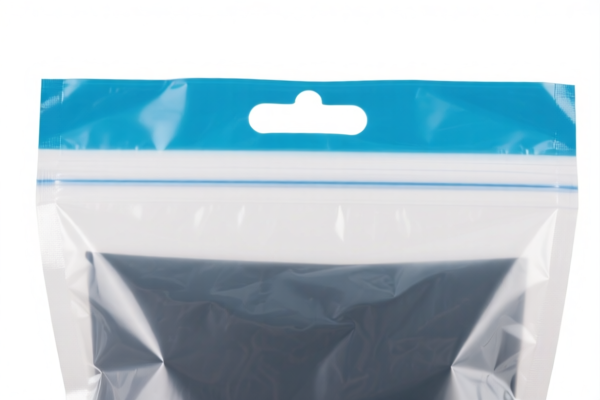
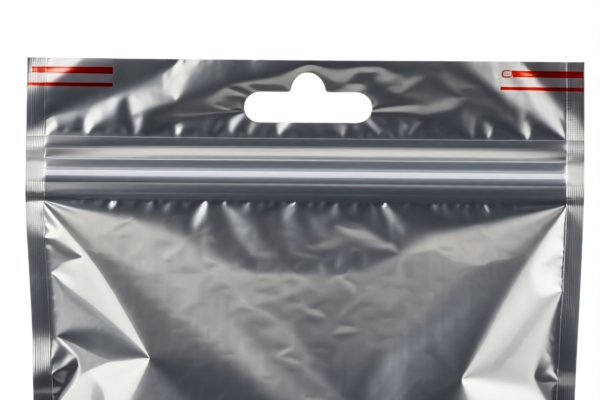
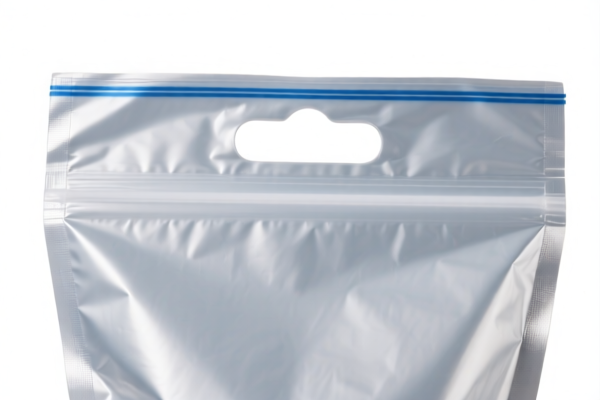
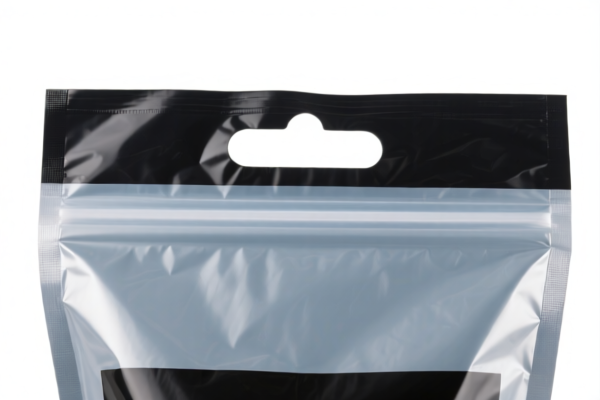
AI Analysis
🛍️ Polyethylene Slider Bags with Hanging Hole (Retail Packaging)
🌐 HS Code Reference & Customs Clearance Guide | 2026 Latest Tariff Analysis | Professional Clearance Strategy
📌 I. Product Definition & Classification: What Exactly Are "Slider Bags"?
Polyethylene Slider Bags with Hanging Holes are flexible packaging solutions widely used in retail, apparel, and accessories. In international trade, their classification depends heavily on material composition, specific function, and whether they contain additives.
1. Primary Material: Polyethylene (PE)
These bags are made from high-density polyethylene (HDPE) or low-density polyethylene (LDPE). They are flexible, transparent or semi-transparent, and feature a slider mechanism for reusability and a punched hole for display racks.
2. Key Distinction: Bag vs. Container
Retail Packaging Bags: Used for final consumer goods (clothes, jewelry, toys). → HS 3923
* Industrial/Storage Bags: Used for bulk storage or logistics. → HS 3923 (but different subheading)
* Lined Containers: If the bag is part of a composite container with paper or textile lining specifically for retail sale. → HS 4819 or 6305* (Less common for pure PE slider bags)
⚠️ Critical Classification Point:
- Pure PE slider bags for retail packaging → HS 3923.21 / 3923.29
- If the bag has significant branding, custom printing, or is part of a "kit" → Still HS 3923, but ensure commercial invoice reflects "Retail Packaging."
📦 II. HS Code Classification Details (2026 Latest Tariff Authority)
| HS Code | Product Description | Applicable Scenario | Material Structure |
|---|---|---|---|
3923.21.00.00 |
Sacks and bags, incl. cones, of polyethylene | Most Common: Standard PE slider bags, retail packaging, clothes bags | ✅ 100% Polyethylene |
3923.29.00.00 |
Other sacks and bags of plastics | Niche: Non-polyethylene plastic bags (e.g., PP, PVC) | ❌ Not PE |
3923.30.00.00 |
Jars, cans, boxes and similar articles | Incorrect: For rigid containers, not flexible bags | ❌ N/A |
4819.10.00.00 |
Boxes, folders, etc., of paper | Incorrect: Only if bag is primarily paper-lined | ❌ N/A |
6305.33.00.00 |
sacks and bags, incl. cones, of synthetic filaments | Incorrect: For woven fabric bags | ❌ N/A |
🔍 Key Reminder:
-3923.21.00.00is the standard code for polyethylene bags used in retail.
- The "slider" mechanism and "hanging hole" do not change the fundamental classification as a "plastic sack or bag."
- If the bag contains recycled content or biodegradable additives, it may still fall under 3923.21, but ensure proper labeling for ESG compliance.
💰 III. 2026 Latest Tariff Rate Breakdown (Including Surcharges)
✅ Applicable Country: United States (US)
✅ Origin: China (CN)
✅ Effective Date: November 10, 2025 (including subsequent imports)
🎯 1. 3923.21.00.00 —— Polyethylene Sacks and Bags
| Item | Details |
|---|---|
| Base Rate | 0% (ad valorem) |
| USITC Surtax | +25% (from USITC Footnote 9903.88.01) |
| IEEPA Surtax | +10% (against Chinese/Hong Kong products, from Nov 10, 2025) |
| Total Rate | 35% |
| Tax Calculation | CIF Value × 35% |
| De Minimis Exemption | ❌ Not Eligible (deny_de_minimis) |
| Legal Path | IEEPA:9903.01.25 → IEEPA:9903.01.24 → USITC:3923.21.00.00 → FOOTNOTE:9903.88.01 |
📌 Explanation:
- "USITC 25%": Section 301 tariffs on plastic packaging products.
- "IEEPA 10%": International Emergency Economic Powers Act surcharge on Chinese imports.
- Total 35%: High tariff burden. Small shipments under $800 (De Minimis) are NOT exempt for these HS codes from China.
🛠️ IV. Customs Clearance Practical Advice (Real-World Pitfall Guide)
✅ 1. Required Documentation Checklist
| Document | Mandatory? | Notes |
|---|---|---|
| ✅ Product Specification | ✔️ | Material: 100% PE, Thickness, Size, Weight |
| ✅ Commercial Invoice | ✔️ | Clearly state "Polyethylene Retail Packaging Bags" |
| ✅ Packing List | ✔️ | Gross/Net weight, number of bags per carton |
| ✅ Certificate of Origin | ✔️ | If not China origin, apply for preferential rates |
| ✅ FDA/FTC Compliance | ✔️ | If for food contact or specific retail claims |
| ✅ Barcode/Label Info | ✔️ | For retail-ready packages |
✅ 2. Declaration Tips (Key Mantra)
🔥 "Material First, Function Second, Name Precise, Tariff Lowered!"
| Scenario | Correct Declaration | Wrong Practice |
|---|---|---|
| Pure PE Slider Bags | 3923.21.00.00 "Polyethylene Sacks and Bags" |
"Plastic Bags" (Too vague) |
| Bags with Printed Logos | 3923.21.00.00 "Printed PE Bags" |
"Gift Bags" (May trigger different review) |
| Mixed Materials (PE + Paper) | 4819.10.00.00 or 3923.29.00.00 |
3923.21.00.00 (Misclassification) |
| Industrial Bulk Bags | 3923.29.00.00 "Other Plastic Sacks" |
3923.21.00.00 (Wrong Subheading) |
✅ 3. Special Cases Handling
| Case | Handling Advice |
|---|---|
| OEM Custom Sizes | Provide drawings and size specs to avoid "non-standard" rejection |
| Food-Grade Bags | Must include FDA compliance statement; otherwise, risk of detention |
| Biodegradable PE Bags | Declare as "Polyethylene Bags" + "Biodegradable Additives" if applicable |
| Stacked in Cartons | Declare as "Packaging Bags" not "Retail Goods" to avoid product tariff confusion |
🌍 V. Global Market Comparison (2026 Latest)
| Country/Region | Recommended HS Code | Tariff (China Origin) | Certification Required | Notes |
|---|---|---|---|---|
| 🇺🇸 USA | 3923.21.00.00 |
35% (25% + 10%) | FDA/FTC | No De Minimis |
| 🇨🇳 China | 3923.21.00.00 |
5% | CCC (if applicable) | Low base rate |
| 🇪🇺 EU | 3923.29.00.00 |
0% | CE/REACH | No surcharges |
| 🇦🇺 Australia | 3923.21.00.00 |
5% | RCM | No surcharges |
| 🇯🇵 Japan | 3923.21.00.00 |
0% | PSE | No surcharges |
📌 Conclusion:
- USA is the highest-cost market due to Section 301 + IEEPA surcharges.
- EU, Japan, Australia have favorable or low tariffs. Consider supply chain diversification if exporting to the US.
📌 VI. Common Errors & Pitfalls (Lessons Learned)
❌ Error 1: Declaring as "Plastic Bags" without material specification
👉 Consequence: Customs may assign higher duty or request additional documents → Delay
❌ Error 2: Mixing "Slider Bags" with "Retail Items" (e.g., selling bags with jewelry inside)
👉 Consequence: If declared as "Jewelry," different tariffs apply; if declared as "Bags," must separate value → Audit risk
❌ Error 3: Ignoring "De Minimis" rules for small packages
👉 Consequence: Even small shipments from China are not exempt for HS 3923 → Unexpected 35% tax bill
❌ Error 4: Using "Polybag" as a generic term
👉 Consequence: Customs may not recognize "Polybag" → Specify "Polyethylene Sack/Bag"
✅ Correct Declaration Example:
"Polyethylene Retail Slider Bags, 12x18 inch, Clear, with Hanging Hole, for Clothing Packaging, 100% HDPE, No Food Contact"
🎯 VII. Conclusion: Professional Declaration, Save Time & Cost!
🎯 Remember the Mantra:
🔹 "Material First: PE = 3923.21"
🔹 "USA 35%: Plan Ahead"
🔹 "No De Minimis: Small Shipments Taxable!"
📌 Pro Tip:
If your slider bags are originating from Vietnam, Malaysia, or Thailand, you may apply for IEEPA Exemption or lower tariffs under trade agreements.
Apply for Advance Ruling before large shipments to avoid customs delays.
📣 Immediate Action:
📞 Contact your customs broker + Provide Material Test Reports + Apply for HS Code Advance Ruling
🚀 Ensure smooth clearance, reduce costs, and maximize profits!
✨ Professional Clearance Starts with Accurate Classification!
💼 Every cent counts in global trade!
Customer Reviews
About HS Code Classification
The Harmonized System (HS) is an internationally standardized nomenclature developed by the World Customs Organization (WCO) to classify traded products. Over 200 countries use the HS system as the basis for customs tariffs, trade statistics, and import/export regulations.
Each HS code follows a hierarchical structure:
- Chapter (2 digits) — Broad category of goods (e.g., Chapter 84: Machinery and Mechanical Appliances)
- Heading (4 digits) — More specific grouping within the chapter
- Subheading (6 digits) — Internationally standardized breakdown, used by all WCO member countries
- National subdivisions (8-10 digits) — Country-specific extensions for further classification, such as US HTSUS 10-digit codes
Correct HS code classification is essential for smooth customs clearance, accurate duty payment, and compliance with trade regulations. Misclassification can lead to customs delays, overpayment of duties, or penalties.
When importing from CN to US, the applicable tariff rates may include:
- Most-Favored-Nation (MFN) rate — The standard duty rate applied to WTO members
- General rate — Applied to countries without trade agreements
- Trade remedy duties — Additional tariffs such as Section 301 (anti-dumping), Section 232 (national security), or countervailing duties
The information provided on this page is for reference purposes only. For official classification, please consult with your local customs authority or a licensed customs broker.