Polyethylene Stretch Film
CN → US| HS Code | Tariff Rate | Origin | Destination | Doc |
|---|---|---|---|---|
| 3920100000 | 39.2% | CN | US | Official Doc |
| 3920992000 | 39.2% | CN | US | Official Doc |
| 3919905040 | 40.8% | CN | US | Official Doc |
| 3919905060 | 40.8% | CN | US | Official Doc |
| 3921904090 | 39.2% | CN | US | Official Doc |
Product Images
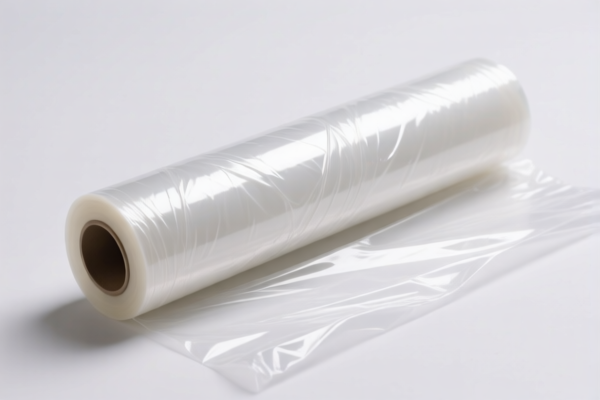
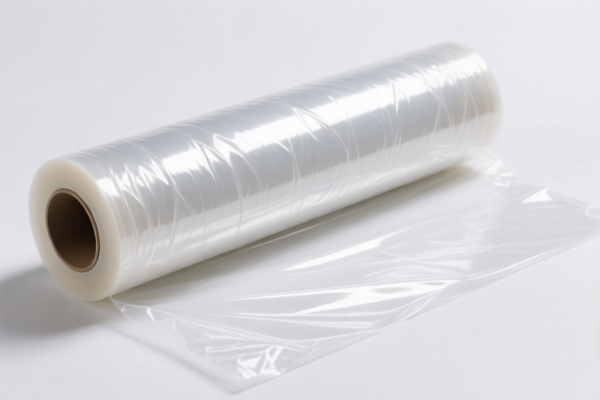
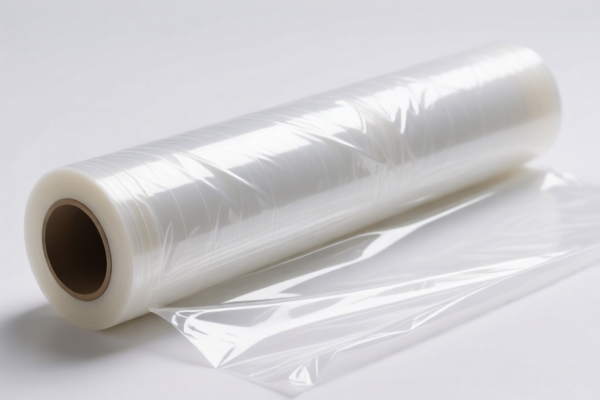
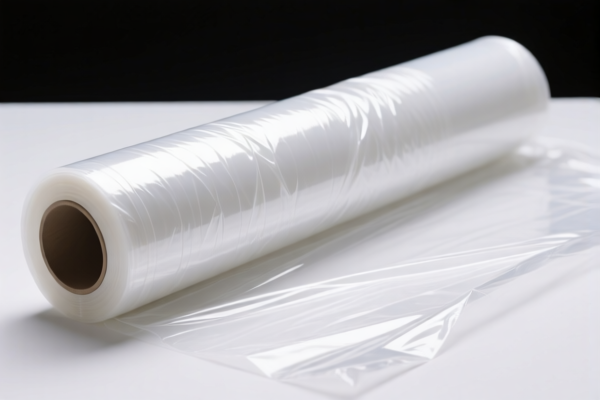
AI Analysis
📦 Polyethylene Stretch Film (塑料缠绕膜)
🌐 HS Code Reference & Customs Clearance Guide | 2026 Latest Tariff Analysis | Professional Clearance Strategy
📌 I. Product Definition & Classification: Do You Really Understand "Stretch Film"?
Polyethylene (PE) Stretch Film is a highly elastic plastic film used for palletizing, bundling, and protecting goods during transportation. It creates a tight seal around products to secure them together. In international trade, its classification depends heavily on material composition, physical form, and self-adhesive properties.
⚠️ Key Distinction:
- If the film is a simple plastic sheet/film without strong self-adhesive backing → Typically falls under Chapter 39.02 or 39.20.
- If it is self-adhesive or specifically defined as "flat, self-adhesive" → Falls under Chapter 39.19.
- If it is part of a broader category of plastic plates/sheets/films not elsewhere specified → May fall under Chapter 39.21.
📦 II. HS Code Classification Details (2026 Latest Tariff Authority Comparison)
| HS Code | Product Description | Applicable Scenario | Self-Adhesive? |
|---|---|---|---|
3920.10.00.00 |
Polyethylene film, shape: film/tape, material: ethylene polymer (PE) | Standard PE stretch film, non-adhesive or lightly treated | ❌ No (General PE Film) |
3920.99.20.00 |
Plastic stretch film, material: plastic, shape: film, classified as non-cellular, non-reinforced flexible film | Generic plastic film, flexible, not specifically PE or other polymers | ❌ No (General Plastic Film) |
3919.90.50.40 |
Plastic stretch film, material: plastic, shape: film, meets self-adhesive plastic film category | Self-adhesive stretch film, sticky surface for sealing | ✅ Yes (Self-Adhesive) |
3919.90.50.60 |
Plastic stretch film, material: plastic, shape: thin film, belongs to plastic self-adhesive/flat shape category | Flat, self-adhesive plastic film, specific regulatory sub-category | ✅ Yes (Self-Adhesive) |
3921.90.40.90 |
Plastic stretch film, material: plastic, shape: film, meets definition of plastic plate/sheet/film/foil/tape | Broad category for plastic films not elsewhere specified | ❌ No (General Plastic Sheet/Film) |
3921.90.50.50 |
Plastic stretch film, material: plastic, shape: film, meets plastic plate/sheet/film/foil/tape requirements | Another general sub-category for plastic films under 3921 | ❌ No (General Plastic Sheet/Film) |
🔍 Critical Reminder:
- Self-adhesive films (sticky) are classified under 3919; non-adhesive or standard PE stretch films are typically under 3920 or 3921. - Misclassification between "self-adhesive" and "non-adhesive" can lead to significant tariff differences or customs delays.
💰 III. 2026 Latest Tariff Rate Breakdown (Including Additional Taxes & Policy Surcharges)
✅ Applicable Country: United States (US)
✅ Country of Origin: China (CN)
✅ Effective Date: 2025年11月10日起 (Including subsequent imports)
🎯 1. 3920.10.00.00 —— Polyethylene Film (PE Film/Tape)
| Item | Content |
|---|---|
| Base Tariff Rate | 4.2% (ad valorem) |
| USITC Additional Tax | +25.0% (Section 301 Tariffs) |
| 122 Section Tariff | +10.0% (Specific provision for certain Chinese goods) |
| Total Tariff Rate | 39.2% |
| Tax Calculation | CIF Value × 39.2% |
| De Minimis Eligibility | ❌ No (denied_de_minimis) |
| Legal Basis Path | Base: 4.2% → Section 301: 25.0% → 122 Clause: 10.0% |
📌 Explanation:
- "Base Tariff 4.2%": Standard Most Favored Nation (MFN) rate for polyethylene films. - "Section 301 Tariff 25%": Additional duty imposed on Chinese goods under US Trade Act Section 301. - "122 Clause Tariff 10%": Additional duty under specific U.S. trade provisions (often related to Section 232 or specific enforcement actions). - Total 39.2%: High duty rate. Must be factored into cost calculations.
🎯 2. 3920.99.20.00 —— Other Plastic Film (Non-Cellular, Non-Reinforced)
| Item | Content |
|---|---|
| Base Tariff Rate | 4.2% (ad valorem) |
| USITC Additional Tax | +25.0% (Section 301 Tariffs) |
| 122 Section Tariff | +10.0% |
| Total Tariff Rate | 39.2% |
| Tax Calculation | CIF Value × 39.2% |
| De Minimis Eligibility | ❌ No |
| Legal Basis Path | Base: 4.2% → Section 301: 25.0% → 122 Clause: 10.0% |
📌 Note:
- Same tariff structure as3920.10.00.00. - Applicable if the film is not specifically identified as "polyethylene" in the HTS but is still a plastic film.
🎯 3. 3919.90.50.40 & 3919.90.50.60 —— Self-Adhesive Plastic Film
| Item | Content |
|---|---|
| Base Tariff Rate | 5.8% (ad valorem) |
| USITC Additional Tax | +25.0% (Section 301 Tariffs) |
| 122 Section Tariff | +10.0% |
| Total Tariff Rate | 40.8% |
| Tax Calculation | CIF Value × 40.8% |
| De Minimis Eligibility | ❌ No |
| Legal Basis Path | Base: 5.8% → Section 301: 25.0% → 122 Clause: 10.0% |
📌 Note:
- Higher base rate (5.8%) due to self-adhesive nature. - Total rate 40.8% is slightly higher than non-adhesive films. - Ensure the product is indeed "self-adhesive" to avoid misclassification penalties.
🎯 4. 3921.90.40.90 & 3921.90.50.50 —— Other Plastic Plates/Sheets/Films
| Item | Content |
|---|---|
| Base Tariff Rate | 4.2% (3921.90.40.90) / 4.8% (3921.90.50.50) |
| USITC Additional Tax | +25.0% (Section 301 Tariffs) |
| 122 Section Tariff | +10.0% |
| Total Tariff Rate | 39.2% (3921.90.40.90) / 39.8% (3921.90.50.50) |
| Tax Calculation | CIF Value × 39.2% or 39.8% |
| De Minimis Eligibility | ❌ No |
| Legal Basis Path | Base: 4.2%/4.8% → Section 301: 25.0% → 122 Clause: 10.0% |
📌 Note:
-3921.90.40.90has a base rate of 4.2% → Total 39.2%. -3921.90.50.50has a base rate of 4.8% → Total 39.8%. - These are catch-all categories for plastic films not specified elsewhere.
🛠️ IV. Customs Clearance Practical Advice (Real-World Pitfall Avoidance Guide)
✅ 1. Preparation Checklist (All Documents Required)
| Document | Mandatory | Description |
|---|---|---|
| ✅ Product Specification Sheet | ✔️ | Material type (PE/PP), thickness, width, self-adhesive yes/no, tensile strength |
| ✅ Product Photos | ✔️ | Clear images of the roll, label, and packaging |
| ✅ Commercial Invoice | ✔️ | Must specify "Stretch Film" and material composition |
| ✅ Packing List | ✔️ | Weight, dimensions, number of rolls |
| ✅ Certificate of Origin (CO) | ✔️ | If origin is not China, may qualify for preferential rates |
| ✅ MSDS (Material Safety Data Sheet) | ✔️ | Required for chemical compliance, even for plastic films |
| ✅ HS Code Pre-Ruling | ✔️ | Highly recommended to avoid misclassification |
✅ 2. Declaration Tips (Key Mnemonics)
🔥 "Material Clear, Adhesive Defined, HS Code Precise, Tariff Minimized!"
| Situation | Correct Declaration | Wrong Approach |
|---|---|---|
| Standard PE Stretch Film (Non-Adhesive) | 3920.10.00.00 |
Misclassified as 3921 → Risk of audit |
| Self-Adhesive Stretch Film | 3919.90.50.40 |
Declared as non-adhesive → Penalty for under-declaring base rate |
| Generic Plastic Film (Not PE) | 3920.99.20.00 |
Claiming PE → Incorrect material declaration |
| Mixed Package (Film + Accessories) | Declare Film Separately | Bundling with straps or labels → Complex classification |
✅ 3. Special Cases Handling
| Situation | Handling Advice |
|---|---|
| OEM Custom Stretch Film | Provide customer order + design specs to prove material type |
| Colored or Printed Film | Still classified under 3920 or 3919 based on adhesive property |
| Biodegradable Stretch Film | If made from PLA or other biopolymers, may have different HS code; consult customs |
| Sample Shipments | Same tariff applies; no de minimis exemption for China-origin goods |
🌍 V. Global Market Comparison (2026 Latest)
| Country/Region | Recommended HS Code | Tariff (China Origin) | Certification Required | Notes |
|---|---|---|---|---|
| 🇺🇸 USA | 3920.10.00.00 / 3919.90.50.40 |
39.2% - 40.8% | FDA (if food contact) | High Section 301 & 122 tariffs |
| 🇨🇳 China | 3920.10.00.00 |
5-7% (Import) | None | Export-friendly |
| 🇪🇺 EU | 3920.10.00.00 |
6.5% | REACH | No Section 301 |
| 🇦🇺 Australia | 3920.10.00.00 |
5% | None | Free Trade Agreement benefits may apply |
| 🇯🇵 Japan | 3920.10.00.00 |
6% | JIS | No Section 301 |
📌 Conclusion:
- USA is the most expensive market for Chinese-origin stretch film due to Section 301 (25%) and 122 Clause (10%) tariffs. - Europe, Australia, and Japan have much lower tariff burdens. - Consider supply chain diversification if targeting the US market to avoid high tariffs.
📌 VI. Common Mistakes & Pitfall Avoidance (Lessons Learned)
❌ Mistake 1: Declaring "Stretch Film" without specifying "Self-Adhesive" vs. "Non-Adhesive"
👉 Consequence: Customs may reclassify, leading to additional 1.6% tariff difference or penalties.
❌ Mistake 2: Using generic "Plastic Film" without material specification
👉 Consequence: Customs may assign highest general rate → Higher duty.
❌ Mistake 3: Assuming de minimis applies to small shipments
👉 Consequence: No de minimis exemption for China-origin goods under Section 301/122 → Full tariff paid.
❌ Mistake 4: Misidentifying PE as PP or PVC
👉 Consequence: Incorrect HS code → Customs seizure or re-inspection.
✅ Correct Approach:
"Polyethylene (PE) Stretch Film, 23 Micron, 12 Inch Width, Non-Adhesive, For Palletizing, No Food Contact, Origin: China"
🎯 VII. Conclusion: Precise Classification Saves Money!
🎯 Key Takeaway:
🔹 "Material Matters: PE vs. PP vs. PVC"
🔹 "Adhesive Status: Self-Adhesive (3919) vs. Non-Adhesive (3920/3921)"
🔹 "Tariff Reality: USA = ~40%, EU/AU/JP = ~5-7%"
📌 Pro Tip:
If your stretch film is originating from Vietnam, Thailand, or Malaysia, you may avoid Section 301 tariffs.
Consider pre-ruling application with US Customs (CBP) to secure correct HS code and tariff rate.
📣 Immediate Action:
📞 Contact a licensed customs broker + Provide product specs + Apply for HS Code Pre-Ruling
🚀 Ensure smooth clearance, minimize costs, and expand your global market!
✨ Professional Clearance Starts with Accurate Classification!
💼 Every percentage point of tariff matters!
Customer Reviews
About HS Code Classification
The Harmonized System (HS) is an internationally standardized nomenclature developed by the World Customs Organization (WCO) to classify traded products. Over 200 countries use the HS system as the basis for customs tariffs, trade statistics, and import/export regulations.
Each HS code follows a hierarchical structure:
- Chapter (2 digits) — Broad category of goods (e.g., Chapter 84: Machinery and Mechanical Appliances)
- Heading (4 digits) — More specific grouping within the chapter
- Subheading (6 digits) — Internationally standardized breakdown, used by all WCO member countries
- National subdivisions (8-10 digits) — Country-specific extensions for further classification, such as US HTSUS 10-digit codes
Correct HS code classification is essential for smooth customs clearance, accurate duty payment, and compliance with trade regulations. Misclassification can lead to customs delays, overpayment of duties, or penalties.
When importing from CN to US, the applicable tariff rates may include:
- Most-Favored-Nation (MFN) rate — The standard duty rate applied to WTO members
- General rate — Applied to countries without trade agreements
- Trade remedy duties — Additional tariffs such as Section 301 (anti-dumping), Section 232 (national security), or countervailing duties
The information provided on this page is for reference purposes only. For official classification, please consult with your local customs authority or a licensed customs broker.