Polyethylene Weather Resistant Film
CN → US| HS Code | Tariff Rate | Origin | Destination | Doc |
|---|---|---|---|---|
| 3921905050 | 39.8% | CN | US | Official Doc |
| 3901105010 | 41.5% | CN | US | Official Doc |
| 3921190010 | 41.5% | CN | US | Official Doc |
| 3901105020 | 41.5% | CN | US | Official Doc |
| 3920100000 | 39.2% | CN | US | Official Doc |
Product Images
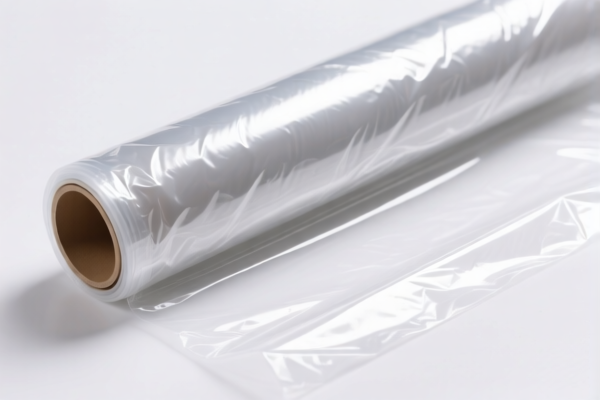
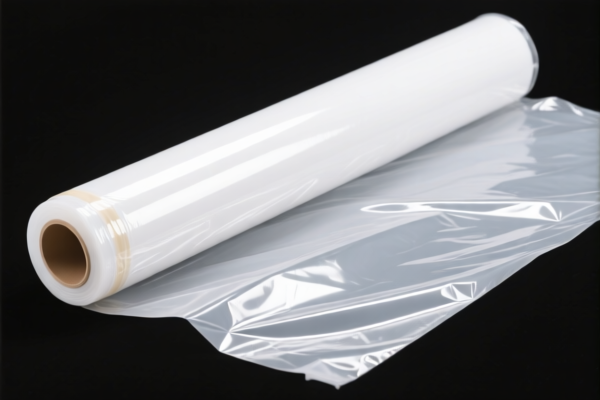
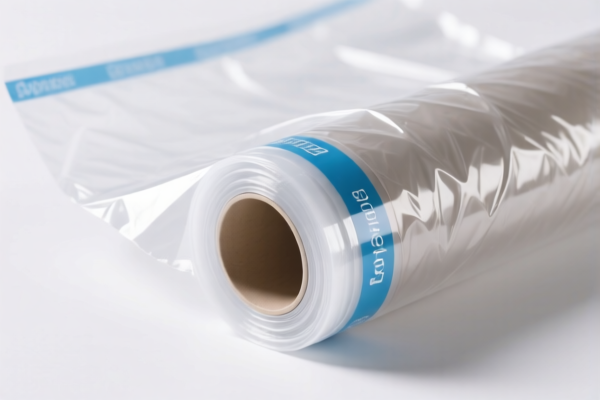
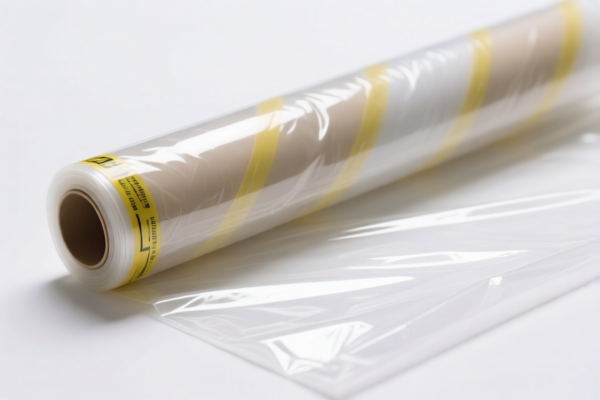
AI Analysis
🌧️ Polyethylene Weather Resistant Film (PE Films)
🌐 HS Code Reference & Customs Clearance Guide | 2026 Latest Tariff Analysis | Professional Entry Strategy
📌 I. Product Definition & Classification: Do You Really Understand "PE Film"?
Polyethylene (PE) Weather Resistant Film is a versatile plastic product used in construction, agriculture, and industrial packaging. It is typically made from high-density polyethylene (HDPE) or linear low-density polyethylene (LLDPE) and treated for UV resistance and durability.
In international trade, classification depends strictly on form (whether it is a raw material or a finished film) and composition:
- Polymer in Primary Forms (Raw Material): Pellets, granules, or non-film shapes.
- Polymer in Film Form (Finished Product): Sheets, rolls, or cut films.
⚠️ Key Distinction Point:
- If the product is pellets/granules or not yet formed into a continuous sheet/film → Classified under Chapter 3901 (Primary Forms).
- If the product is already formed into a film/sheet/foil (even if wound on rolls) → Classified under Chapter 3920 or 3921 (Tables, Plates, Sheets, Film, Foil, and Strip).
- Note: "Weather Resistant" is a functional feature, not a classification determinant. It does not change the HS code unless it adds specific non-plastic components.
📦 II. HS Code Classification Details (2026 Latest Tariff Authority Comparison)
Based on the provided <DATA>, here are the specific HS Codes for Polyethylene Films and their tax implications.
| HS Code | Product Description | Form/State | Total Tax Rate |
|---|---|---|---|
3921.90.50.50 |
Polyethylene Film, Material: Polyethylene, Form: Film | Finished Film | 39.8% |
3901.10.50.10 |
Polyethylene Film (Misclassification Risk), Material: Polyethylene, Form: Primary/Semi-finished | Raw Material/Pellets | 41.5% |
3921.19.00.10 |
Polyethylene Film, Material: Polyethylene, Form: Film | Finished Film | 41.5% |
3901.10.50.20 |
Polyethylene Film (Misclassification Risk), Material: Polyethylene, Form: Primary/Semi-finished | Raw Material/Pellets | 41.5% |
3920.10.00.00 |
Polyethylene Film, Material: Ethylene Polymer, Form: Sheets/Film/Foil | Finished Film | 39.2% |
🔍 Critical Observation:
- There is a tax disparity between "Finished Films" (39.2% - 39.8%) and "Primary Forms" (41.5%).
- However, misclassification is dangerous. If you export pellets but declare them as "Film," or vice versa, customs may reject the shipment or impose penalties.
- Best Choice for Finished Film:3920.10.00.00(39.2%) offers the lowest total tax among the listed codes for standard ethylene polymer films.
💰 III. 2026 Latest Tariff Rate Details (Including Surcharges & Policy Add-ons)
✅ Applicable Country: United States (US)
✅ Country of Origin: China (CN)
✅ Effective Date: From November 10, 2025 onwards (for subsequent imports)
🎯 1. 3920.10.00.00 – Polyethylene Film (Ethylene Polymer, Sheets/Film/Foil)
🏆 Recommended Code for Standard Finished PE Film
| Item | Detail |
|---|---|
| Base Duty | 4.2% (ad valorem) |
| Section 301 Surcharge | +25.0% (Additional duty on Chinese goods) |
| Section 122 Duty | +10.0% (Specific surcharge for China-origin plastic films) |
| Total Tax Rate | 39.2% |
| Tax Calculation | CIF Value × 39.2% |
| De Minimis Eligibility | ❌ NO (Deny de minimis) |
| Legal Basis Path | USITC:3920.10.00.00 → SECTION_301:25% → SECTION_122:10% |
📌 Explanation:
- This is the lowest tax rate among the provided options for finished PE films.
- The base duty is 4.2%, but the heavy surcharges (25% + 10%) bring the total to 39.2%.
- Warning: This code applies to films, sheets, or foil. If your product is in pellet form, this code is incorrect.
🎯 2. 3921.90.50.50 – Polyethylene Film (Other Plastic Tables/Plates/Sheets/Film)
| Item | Detail |
|---|---|
| Base Duty | 4.8% |
| Section 301 Surcharge | +25.0% |
| Section 122 Duty | +10.0% |
| Total Tax Rate | 39.8% |
| Tax Calculation | CIF Value × 39.8% |
| De Minimis Eligibility | ❌ NO |
| Legal Basis Path | USITC:3921.90.50.50 → SECTION_301:25% → SECTION_122:10% |
📌 Explanation:
- Slightly higher base duty (4.8% vs 4.2%) than3920.10.00.00.
- Use this code if the film has special properties not covered by3920.10(e.g., certain composite layers or specific chemical treatments not defined as pure ethylene polymer).
🎯 3. 3901.10.50.10 & 3901.10.50.20 – Polyethylene in Primary Forms
⚠️ High Risk Code: Only for Pellets/Granules
| Item | Detail |
|---|---|
| Base Duty | 6.5% |
| Section 301 Surcharge | +25.0% |
| Section 122 Duty | +10.0% |
| Total Tax Rate | 41.5% |
| Tax Calculation | CIF Value × 41.5% |
| De Minimis Eligibility | ❌ NO |
| Legal Basis Path | USITC:3901.10.50.xx → SECTION_301:25% → SECTION_122:10% |
📌 Explanation:
- These codes apply to primary forms (pellets, granules, powders).
- Critical Warning: If you are shipping finished weather-resistant film, do NOT use these codes. Misdeclaring finished film as primary form is considered fraud and leads to severe penalties.
- However, if you are shipping PE Resin/Pellets used to make the film, these are the correct codes, though the tax is higher (41.5%).
🎯 4. 3921.19.00.10 – Other Plastic Films
| Item | Detail |
|---|---|
| Base Duty | 6.5% |
| Section 301 Surcharge | +25.0% |
| Section 122 Duty | +10.0% |
| Total Tax Rate | 41.5% |
| Tax Calculation | CIF Value × 41.5% |
| De Minimis Eligibility | ❌ NO |
| Legal Basis Path | USITC:3921.19.00.10 → SECTION_301:25% → SECTION_122:10% |
📌 Explanation:
- Higher base duty (6.5%) compared to3920.10.00.00.
- Use only if the film is made of other plastics or blends not primarily classified under3920.10.
🛠️ IV. Customs Clearance Practical Advice (Battle-Tested Pitfall Guide)
✅ 1. Preparation Checklist (Mandatory)
| Document | Required | Description |
|---|---|---|
| ✅ Product Specification Sheet | ✔️ | Must specify: Material (100% PE or blend?), Thickness, Width, Length, UV Additive content. |
| ✅ Photos of Product | ✔️ | Clear shots of the roll, label, and cross-section (if possible). |
| ✅ Commercial Invoice | ✔️ | Must accurately describe product as "Polyethylene Film" and state "Weather Resistant". |
| ✅ Packing List | ✔️ | Net weight, gross weight, number of rolls. |
| ✅ Certification of Origin | ✔️ | If claimed for other countries, but for US imports, origin is key for surcharges. |
| ✅ Third-Party Test Report | ✔️ | UV resistance test reports to justify "Weather Resistant" claim (helps avoid reclassification). |
✅ 2. Declaration Tips (Key Mnemonic)
🔥 “Form Defines Code, Not Function!”
| Scenario | Correct HS Code | Wrong Declaration | Consequence |
|---|---|---|---|
| Finished PE Roll (Wound, Cut to Size) | 3920.10.00.00 (39.2%) |
Declaring as "Plastic Raw Material" | Rejected/Penalty |
| PE Pellets/Granules | 3901.10.50.10/20 (41.5%) |
Declaring as "Finished Film" | Penalty for Fraud |
| Composite Film (PE + Other Layers) | Check 3920 vs 3921 |
Generic "Plastic Film" | Customs Examination Delay |
| Weather-Resistant Claim | Support with Lab Test | No proof provided | Reclassification Risk |
✅ 3. Special Situation Handling
| Situation | Handling Advice |
|---|---|
| OEM Customized Film | Provide customer PO and design specs. Ensure "Weather Resistant" is a standard feature, not a unique invention that might change classification. |
| Rolls vs. Sheets | Rolls are still "Film" (3920/3921). Do not declare as "Sheets" if they are wound, to avoid ambiguity. |
| Additives | If UV stabilizers make up >10% of weight, verify if it changes the polymer classification. Usually, PE remains primary. |
| De Minimis Exemption | ❌ Not Eligible. All shipments under $800 will be subject to duties if they arrive via informal entry, but for PE films from China, formal entry is likely required due to surcharges. |
🌍 V. Global Market Comparison (2026 Update)
| Country/Region | Recommended HS Code | Estimated Duty | Certification | Note |
|---|---|---|---|---|
| 🇺🇸 USA | 3920.10.00.00 |
39.2% | No special cert needed | High surcharges (35%) apply to China |
| 🇨🇳 China | 3920.10.00.00 |
~5-6% | CCC (if applicable) | Low base duty |
| 🇪🇺 EU | 3920.10.00.00 |
~6.5% | REACH | No Section 301 equivalent |
| 🇬🇧 UK | 3920.10.00.00 |
~5% | UKCA | Post-Brexit rules |
| 🇯🇵 Japan | 3920.10.00.00 |
~5-10% | PSE (if electrical) | Generally low duty |
📌 Conclusion:
- USA is the most expensive market for PE films from China due to Section 301 (25%) and Section 122 (10%) surcharges.
- Total duty in US: 39.2% (for3920.10.00.00).
- Consider supply chain diversification (Vietnam, Mexico) if tariffs erode margins.
📌 VI. Common Mistakes & Pitfall Guide (Blood & Tears Lessons)
❌ Mistake 1: Declaring PE Pellets as Finished Film to save tax.
👉 Consequence: Customs will reject shipment + Fraud Penalty + Back taxes.
✅ Fix: Declare accurately based on physical form.
❌ Mistake 2: Using 3921 codes for Standard PE Film.
👉 Consequence: Higher base duty (4.8% vs 4.2%) + unnecessary complexity.
✅ Fix: Use 3920.10.00.00 for pure ethylene polymer films.
❌ Mistake 3: Ignoring Section 122.
👉 Consequence: Missing the 10% surcharge leads to underpayment and Lien on Cargo.
✅ Fix: Always add 10% to Section 301 (25%) for China-origin plastic films.
❌ Mistake 4: Vague Description: "Plastic Sheet".
👉 Consequence: Customs exam delay.
✅ Fix: Use "Polyethylene Film, Weather Resistant, UV Stabilized, 100 Microns Thick".
🎯 VII. Conclusion: Professional Clearance, Save Time & Money!
🎯 Remember the Mnemonic:
🔹 "Form is King! Film = 3920, Pellets = 3901."
🔹 "US Tariff = Base + 35% (25%+10%). Calculate Before You Ship!"
🔹 "De Minimis is Dead for PE Films. Plan Your Entry Type!"
📌 Pro Tip:
If your PE film is originated from Vietnam, Mexico, or Thailand, you may EXEMPT from Section 301 and 122 surcharges!
👉 Duty could drop to 4.2% (Base Only).
👉 Action: Get a Certificate of Origin from a non-China source if possible.
📣 Immediate Action:
📞 Consult a Customs Broker + Provide Product Specs + Apply for Pre-Ruling if shipment value is high.
🚀 Clear Customs Smoothly, Maximize Profit, Avoid Penalties!
✨ Professional Customs Clearance Starts with Accurate Classification!
💼 Every Percentage Point of Tax Matters in Global Trade!
Customer Reviews
About HS Code Classification
The Harmonized System (HS) is an internationally standardized nomenclature developed by the World Customs Organization (WCO) to classify traded products. Over 200 countries use the HS system as the basis for customs tariffs, trade statistics, and import/export regulations.
Each HS code follows a hierarchical structure:
- Chapter (2 digits) — Broad category of goods (e.g., Chapter 84: Machinery and Mechanical Appliances)
- Heading (4 digits) — More specific grouping within the chapter
- Subheading (6 digits) — Internationally standardized breakdown, used by all WCO member countries
- National subdivisions (8-10 digits) — Country-specific extensions for further classification, such as US HTSUS 10-digit codes
Correct HS code classification is essential for smooth customs clearance, accurate duty payment, and compliance with trade regulations. Misclassification can lead to customs delays, overpayment of duties, or penalties.
When importing from CN to US, the applicable tariff rates may include:
- Most-Favored-Nation (MFN) rate — The standard duty rate applied to WTO members
- General rate — Applied to countries without trade agreements
- Trade remedy duties — Additional tariffs such as Section 301 (anti-dumping), Section 232 (national security), or countervailing duties
The information provided on this page is for reference purposes only. For official classification, please consult with your local customs authority or a licensed customs broker.