Polyethylene Zip Lock Bags
CN → US| HS Code | Tariff Rate | Origin | Destination | Doc |
|---|---|---|---|---|
| 3920100000 | 39.2% | CN | US | Official Doc |
| 3921190090 | 41.5% | CN | US | Official Doc |
| 3921190010 | 41.5% | CN | US | Official Doc |
| 3923210030 | 38.0% | CN | US | Official Doc |
| 3923210011 | 38.0% | CN | US | Official Doc |
| 3920992000 | 39.2% | CN | US | Official Doc |
Product Images
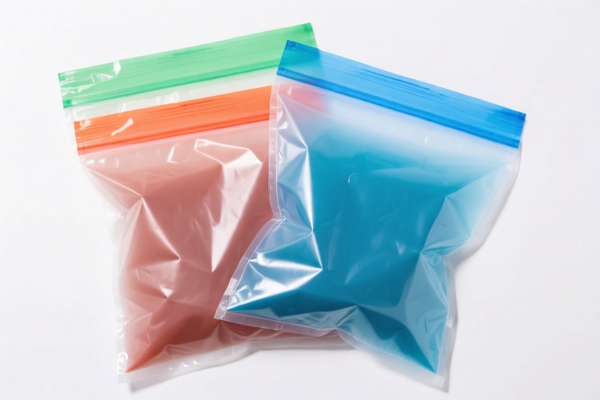
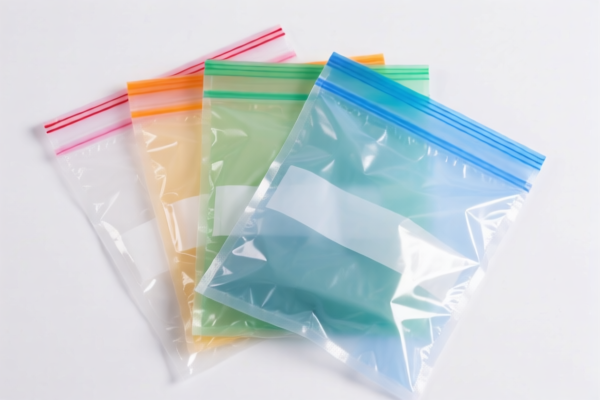
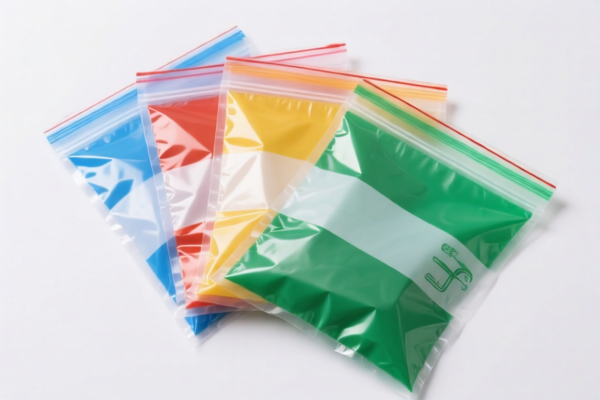
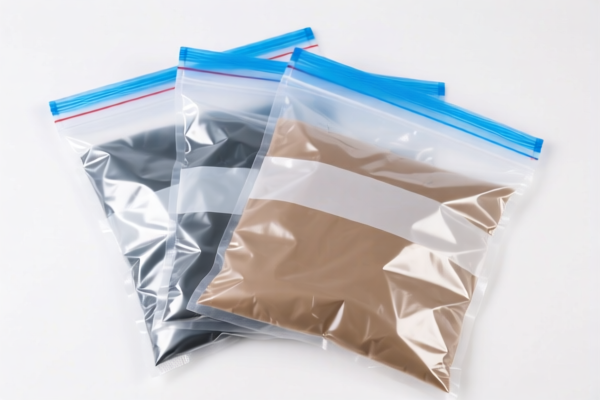
AI Analysis
🛍️ Polyethylene Zip Lock Bags: HS Code Classification & US Customs Clearance Guide 2026
🌐 HS Code Reference & Customs Clearance Strategy | 2026 Updated Tariff Analysis | Professional Entry Strategies 📌 I. Product Definition & Classification: Do You Really Understand "Polyethylene Zip Lock Bags"?
Polyethylene (PE) Zip Lock Bags are essential packaging solutions in global trade, widely used for food storage, retail goods, electronics accessories, and industrial parts. In international trade, they are primarily categorized under Chapter 39 (Plastics and Articles Thereof).
The classification depends heavily on the specific form and intended use: * Plastic Films/Sheets (Chapter 39.20/39.21): If classified as raw plastic film or sheeting with minimal processing, even if partially folded. * Articles of Packaging (Chapter 39.23): If classified as finished packaging articles, specifically sacks, bags, and pouches designed for containment.
⚠️ Critical Distinction Point: * If the product is strictly a flat film or sheet without specific packaging features → Likely falls under 3920.10.00.00 or 3920.99.20.00. * If the product is a finished bag (with zippers, handles, or specific shaping for packing) → Falls under 3923.21.00.11 or 3923.21.00.30. * If the material is a composite or non-PE plastic film used for packaging → May fall under 3921.19.00.90 or 3921.19.00.10.
📦 II. Detailed HS Code Classification (2026 Latest Tariff Authority Comparison)
Based on the provided data, here are the five potential HS Codes for Polyethylene Zip Lock Bags, categorized by material and form.
| HS Code | Product Description | Key Characteristics | Tax Rate (Total) |
|--------|--------------------------|-----------------------------|
| 3920.10.00.00 | Other Plates, Sheets, Film, Foil and Strip, of Polymers of Ethylene | Material: Polyethylene (PE).
Form: Plastic film/sheeting (non-cellular).
Inference: Treated as raw plastic material rather than a finished bag. | 39.2% |
| 3921.19.00.90 | Other Plates, Sheets, Film, Foil and Strip, of Plastics | Material: Plastic (PE/PP/etc.).
Form: Extended application of film/sheet/foil (bag-like).
Inference: "Catch-all" category for plastic films used in bag-like forms. | 41.5% |
| 3921.19.00.10 | Plates, Sheets, Film, Foil and Strip, of Plastics: Of Polyethylene | Material: Polyethylene (PE).
Form: Bag-like form (extension of film/sheet).
Inference: Specific PE film used in bag applications. | 41.5% |
| 3923.21.00.30 | Sacks and Bags, incl. Cones: Of Polymers of Ethylene | Form: Bags/Pouches/Resealable Bags.
Material: Ethylene polymers (Plastic).
Use: Packaging items.
Inference: Most accurate for finished Zip Lock Bags. | 38.0% |
| 3923.21.00.11 | Sacks and Bags, incl. Cones: Of Polymers of Ethylene: Of Polyethylene | Form: Resealable Bags/Sealed Bags.
Material: Polyethylene (PE).
Use: Packaging.
Inference: Most accurate for finished Zip Lock Bags. | 38.0% |
| 3920.99.20.00 | Other Plates, Sheets, Film, Foil and Strip, of Plastics: Other | Material: Plastic.
Form: Flexible film, tape, and sheets.
Inference: Generic flexible plastic film, not specifically identified as PE or packaging. | 39.2% |
🔍 Key Reminder: * Finished Bags vs. Raw Film: Customs authorities often scrutinize whether an item is a "film" (Chapter 39.20/39.21) or a "bag" (Chapter 39.23). Zip Lock Bags with zippers are generally considered finished packaging articles and should preferably fall under 3923.21. * Material Specificity: If the bag is clearly Polyethylene (PE), codes starting with 3923.21 (Bags of PE) or 3920.10 (PE Sheets) are the most precise. Avoid generic "Other Plastic" codes (3921/3920.99) if PE is clearly defined, as they may carry higher or less accurate tax implications.
💰 III. 2026 Latest Tariff Rate Breakdown (Including Additional Taxes & Policy Add-ons)
✅ Applicable Country: United States (US) ✅ Origin: China (CN) ✅ Effective Date: From November 10, 2025 (including subsequent imports)
The total tax rates listed below include Basic Tariff, Section 301 Additional Tariff (25%), and Section 122/IEEPA Tariff (10%).
🎯 1. 3923.21.00.11 & 3923.21.00.30 — Polyethylene Bags (Recommended for Zip Locks)
| Item | Content |
|---|---|
| Basic Tariff | 3.0% |
| Section 301 Additional Tariff | +25.0% |
| Section 122/IEEPA Additional Tariff | +10.0% |
| Total Tax Rate | 38.0% |
| Tax Calculation | CIF Value × 38.0% |
| De Minimis Exemption | ❌ Not Available (Denied) |
| Legal Basis Path | Basic: 3.0% → Section 301: 25% → Section 122/IEEPA: 10% |
📌 Explanation: * These codes represent finished packaging bags. * The 38.0% total rate is significantly lower than the 41.5% rate for generic PE films (3921.19), making this the most cost-effective classification for genuine Zip Lock Bags. * Base Tariff (3.0%) is low, but the 35% additional tariffs (25% + 10%) dominate the cost.
🎯 2. 3920.10.00.00 — Polymers of Ethylene (Sheets/Film)
| Item | Content |
|---|---|
| Basic Tariff | 4.2% |
| Section 301 Additional Tariff | +25.0% |
| Section 122/IEEPA Additional Tariff | +10.0% |
| Total Tax Rate | 39.2% |
| Tax Calculation | CIF Value × 39.2% |
| De Minimis Exemption | ❌ Not Available |
| Legal Basis Path | Basic: 4.2% → Section 301: 25% → Section 122/IEEPA: 10% |
📌 Note: * If customs reclassifies your "bags" as "rolled film," the rate jumps to 39.2%. * This is still cheaper than the 3921.19 codes but more expensive than 3923.21.
🎯 3. 3921.19.00.10 & 3921.19.00.90 — Other Plastic Plates/Sheets/Film
| Item | Content |
|---|---|
| Basic Tariff | 6.5% |
| Section 301 Additional Tariff | +25.0% |
| Section 122/IEEPA Additional Tariff | +10.0% |
| Total Tax Rate | 41.5% |
| Tax Calculation | CIF Value × 41.5% |
| De Minimis Exemption | ❌ Not Available |
| Legal Basis Path | Basic: 6.5% → Section 301: 25% → Section 122/IEEPA: 10% |
📌 Warning: * This is the highest tax bracket in the provided data (41.5%). * It applies if the product is considered a generic plastic film (not specifically PE sheets, or not finished bags) and falls under the "catch-all" for plastic films. * Avoid this classification if your product is clearly PE and bag-shaped.
🎯 4. 3920.99.20.00 — Other Plastic Films (Non-PE Specific)
| Item | Content |
|---|---|
| Basic Tariff | 4.2% |
| Section 301 Additional Tariff | +25.0% |
| Section 122/IEEPA Additional Tariff | +10.0% |
| Total Tax Rate | 39.2% |
| Tax Calculation | CIF Value × 39.2% |
| De Minimis Exemption | ❌ Not Available |
| Legal Basis Path | Basic: 4.2% → Section 301: 25% → Section 122/IEEPA: 10% |
📌 Note: * Similar to
3920.10, but for "other plastics" (non-PE or less specific). * Same 39.2% rate.
🛠️ IV. Customs Clearance Practical Advice (Avoid Pitfalls)
✅ 1. Required Documentation Checklist (Mandatory)
| Document | Must Provide | Description |
|---|---|---|
| ✅ Product Specification Sheet | ✔️ | Material: 100% Polyethylene (PE). Form: Zip Lock Bag, Size, Thickness (microns). |
| ✅ Commercial Invoice | ✔️ | Must clearly state "Polyethylene Zip Lock Bags" and HS Code. Avoid vague terms like "Plastic Sheet." |
| ✅ Packing List | ✔️ | Show unit count, weight, and dimensions. |
| ✅ Product Photos | ✔️ | Clear images showing the zipper mechanism and bag structure to prove it's a finished article, not raw film. |
| ✅ Customs Ruling (Pre-Ruling) | ✔️ | Highly recommended for large shipments to lock in HS Code 3923.21. |
✅ 2. Declaration Tips (Key Mantra)
🔥 “Be a Bag, Not a Film! Declare 3923.21, Save Money!”
| Scenario | Correct Declaration | Wrong Practice | Consequence |
|---|---|---|---|
| Finished Zip Lock Bag | HS: 3923.21.00.11 Desc: "Polyethylene Resealable Bag" |
Declaring as "Plastic Film" | Rate drops to 38.0% → Savings of 3.5%! |
| Bulk Rolls of PE Film | HS: 3920.10.00.00 Desc: "PE Plastic Film Roll" |
Declaring as "Bag" | Incorrect classification → Penalty + Back Taxes |
| Mixed Plastic Bags | HS: 3921.19.00.90 Desc: "Plastic Bag, Non-PE" |
Declaring as "PE Bag" | Wrong Material → 41.5% Rate + Audit Risk |
✅ 3. Special Case Handling
| Case | Handling Advice |
|---|---|
| B2B Bulk Rolls | If sold as unfinished rolls to be converted into bags, use 3920.10.00.00 (39.2%). |
| Retail Ready Bags | If sold with zippers, handles, or printing for direct consumer use, use 3923.21.00.11 (38.0%). |
| Composite Materials | If bag has a paper layer or other material, it may fall under 3921.19 (41.5%). Check composition carefully. |
| De Minimis | No exemption for Section 301/122 tariffs. Even small shipments are subject to full tax if declared properly. |
🌍 V. Global Market Clearance Comparison (2026 Update)
| Country/Region | Recommended HS Code | Total Tariff (China Origin) | Key Requirements | Notes |
|---|---|---|---|---|
| 🇺🇸 USA | 3923.21.00.11 |
38.0% | FDA (if food contact) | Highest tariff due to 301/122. 3921.19 is 41.5%. |
| 🇨🇳 China | 3923.21.00.11 |
5.0% (Import) | None | Low import duty. Export from CN has no tax. |
| 🇪🇺 EU | 3923.29.90 |
4.5% | REACH Compliance | Lower tariff, but strict chemical regulations. |
| 🇬🇧 UK | 3923.29.90 |
4.5% | UKCA Marking | Post-Brexit rules apply. |
| 🇯🇵 Japan | 3923.29.90 |
4.5% | Food Sanitation Law | Low tariff, high safety standards. |
📌 Conclusion: * USA is the most expensive market due to additional tariffs (35%). * Choosing the right HS Code (3923.21 vs 3921.19) can save 3.5% on the CIF value. * For Food-Grade bags, ensure compliance with FDA regulations (21 CFR) to avoid rejection.
📌 VI. Common Mistakes & Pitfalls (Lessons Learned)
❌ Mistake 1: Declaring "Plastic Bags" under 3921.19 (41.5%) when they are clearly PE Bags (3923.21).
👉 Consequence: Overpaying 3.5% on every shipment.
👉 Fix: Specify "Polyethylene" and "Bag" in the description.
❌ Mistake 2: Declaring "Zip Lock Bags" as "Plastic Sheets" (3920.10).
👉 Consequence: Customs may inspect and reclassify to 3923.21 anyway, but delays clearance for verification.
👉 Fix: Be honest. If it’s a finished bag, use 3923.21. If it’s 39.2% vs 38.0%, the difference is small, but accuracy prevents audits.
❌ Mistake 3: Ignoring FDA Food Contact requirements. 👉 Consequence: Shipment rejected or destroyed if used for food storage without proper documentation. 👉 Fix: Provide FDA compliance statements or test reports for food-grade bags.
❌ Mistake 4: Assuming De Minimis applies. 👉 Consequence: Small samples subject to full 38-41.5% tax. 👉 Fix: Factor in taxes for all shipments, regardless of value.
✅ Correct Declaration Example:
"Polyethylene Zip Lock Bags, 10x12 inch, Clear, 2 mil thickness, Food Grade, Model XYZ, HS Code 3923.21.00.11"
🎯 VII. Conclusion: Precision in Classification, Profit in Savings!
🎯 Key Takeaways:
🔹 "Finish the Bag, Use 3923.21, Save 3.5%!" 🔹 "PE is King, Film is Low, Bags are Best." 🔹 "35% Extra Tax is Real, Plan Ahead, Don't Leak Cash."
📌 Pro Tip:
If you are importing large volumes, consider applying for a Customs Ruling from US CBP to confirm the classification of 3923.21.00.11 for your specific Zip Lock Bags. This provides legal certainty and protects against future audits.
📣 Immediate Action:
📞 Contact your customs broker with the product photos and material composition. 🚀 Optimize your supply chain by ensuring your invoice and packing list match the HS Code
3923.21.00.11for Polyethylene Zip Lock Bags.
✨ Professional Clearance Starts with Accurate Classification! 💼 Every Percent Saved is Pure Profit!
Customer Reviews
About HS Code Classification
The Harmonized System (HS) is an internationally standardized nomenclature developed by the World Customs Organization (WCO) to classify traded products. Over 200 countries use the HS system as the basis for customs tariffs, trade statistics, and import/export regulations.
Each HS code follows a hierarchical structure:
- Chapter (2 digits) — Broad category of goods (e.g., Chapter 84: Machinery and Mechanical Appliances)
- Heading (4 digits) — More specific grouping within the chapter
- Subheading (6 digits) — Internationally standardized breakdown, used by all WCO member countries
- National subdivisions (8-10 digits) — Country-specific extensions for further classification, such as US HTSUS 10-digit codes
Correct HS code classification is essential for smooth customs clearance, accurate duty payment, and compliance with trade regulations. Misclassification can lead to customs delays, overpayment of duties, or penalties.
When importing from CN to US, the applicable tariff rates may include:
- Most-Favored-Nation (MFN) rate — The standard duty rate applied to WTO members
- General rate — Applied to countries without trade agreements
- Trade remedy duties — Additional tariffs such as Section 301 (anti-dumping), Section 232 (national security), or countervailing duties
The information provided on this page is for reference purposes only. For official classification, please consult with your local customs authority or a licensed customs broker.