Polyethylene Zip Lock Reclosable Bags
CN → US| HS Code | Tariff Rate | Origin | Destination | Doc |
|---|---|---|---|---|
| 3920100000 | 39.2% | CN | US | Official Doc |
| 3921190090 | 41.5% | CN | US | Official Doc |
| 3921190010 | 41.5% | CN | US | Official Doc |
| 3923210030 | 38.0% | CN | US | Official Doc |
| 3923210011 | 38.0% | CN | US | Official Doc |
| 3920992000 | 39.2% | CN | US | Official Doc |
Product Images
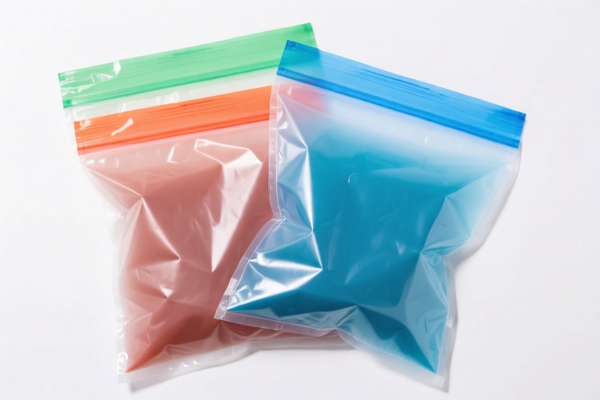
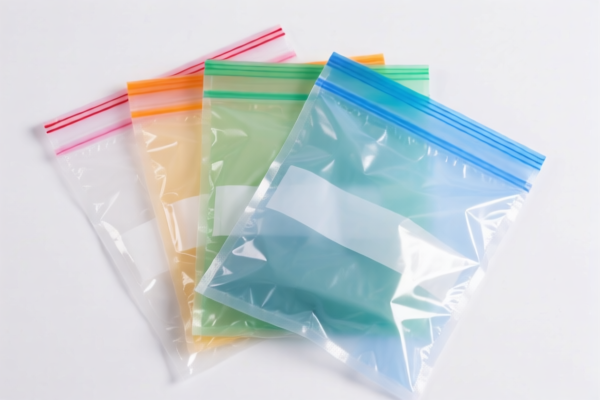
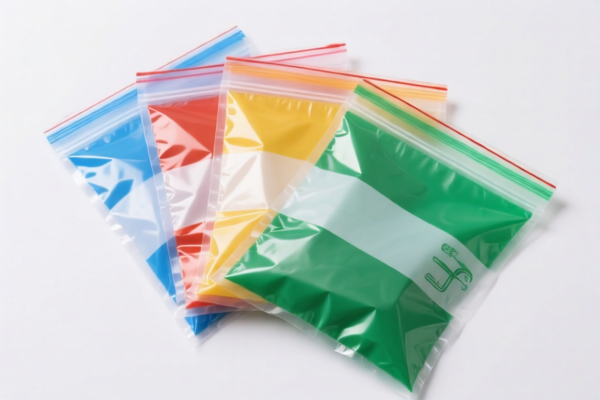
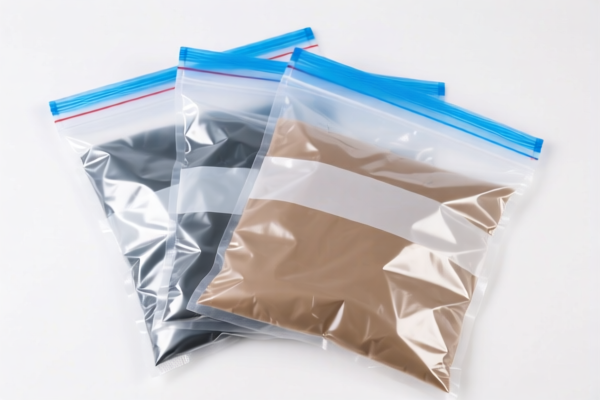
AI Analysis
📦 Polyethylene Zip-Lock Reclosable Bags (PE Bags)
🌐 HS Code Reference & Customs Clearance Guide | 2026 Latest Tariff Analysis | Professional通关 Strategy
📌 I. Product Definition & Classification: What Exactly Are "PE Zip-Lock Bags"?
Polyethylene Zip-Lock Bags are flexible packaging solutions made from Polyethylene (PE). They feature a mechanical sealing mechanism (interlocking ridges) allowing for repeated opening and closing. In international trade, they are classified under Chapter 39 (Plastics and Articles Thereof), specifically as articles of plastic.
⚠️ Critical Distinction:
- If the bag is strictly a film/roll without specific "bag" structure or is a generic flexible sheet → May fall under 3920.
- If the bag is a constructed article (sealed bottom, specific shape, zip-lock mechanism) intended for packaging → Falls under 3921 or 3923.
- Key Factor: The presence of the "zip-lock" mechanism and the "bag" form factor usually pushes classification towards 3923 (Articles for the conveyance or packing of goods) or 3921 (Other plates, sheets, film, etc.).
📦 II. HS Code Classification Details (2026 Latest Tariff Authority Comparison)
| HS Code | Product Description | Application Scenario | Key Classification Logic |
|---|---|---|---|
3920.10.00.00 |
Plates, sheets, film, foil and strip, of polymers of ethylene (PE), not cellular | Generic PE film, rolls, or large rolls of plastic sheeting | Inferred Material: PE. Form: Non-cellular plastic film/roll. Fits generic plastic sheeting. |
3921.19.00.90 |
Other plates, sheets, film, foil and strip, of plastics, not combined with other materials | Flexible plastic bags/films that don’t fit specific "zip-lock" or "sack" definitions | Material: Plastic (PE/PP). Form: Extended application of film/sheet (bag-like). Catch-all category. |
3921.19.00.10 |
Other plates, sheets, film, foil and strip, of plastics, not combined with other materials | Specific PE plastic bags/films with standard characteristics | Form: Bag-like. Material: Polyethylene (PE). Fits general plastic article characteristics. |
3923.21.00.30 |
Sacks and bags, including cones, of plastics | Zip-lock bags, gusseted bags, flexible pouches for packaging | Match Form: Sacks/Bags. Match Use: Packing. Inferred Material: Vinyl Polymers (Plastic). |
3923.21.00.11 |
Sacks and bags, including cones, of plastics | Self-sealing bags (Zip-lock), sealable bags for retail/packaging | Match Form: Self-sealing/Sealable bag. Match Use: Packaging. Inferred Material: Vinyl Polymers (PE). |
3920.99.20.00 |
Other plates, sheets, film, foil and strip, of plastics (not PE) | Flexible films, tapes, and sheets (non-PE plastics) | Inferred Material: Plastic. Form: Flexible membrane, tape, sheet. Fits "other" plastic sheeting. |
🔍 Key Reminder:
- 3923.21 is the most accurate for constructed zip-lock bags because they are "articles for conveyance or packing of goods."
- 3920 and 3921 are often used for raw film, rolls, or uncut bags (e.g., bag-in-roll form). If declared as "bags," customs may prefer 3923.
- Misclassification Risk: Declaring a finished zip-lock bag as "PE Film" (3920) may trigger inquiries about why it’s not a "bag" (3923).
💰 III. 2026 Latest Tariff Rate Breakdown (Including Additional Duties & Policy Add-ons)
✅ Applicable Country: United States (US)
✅ Country of Origin: China (CN)
✅ Effective Date: From November 10, 2025 (including subsequent imports)
🎯 1. 3920.10.00.00 – Plates, Sheets, Film, Foil/Strip of Polymers of Ethylene (PE)
| Item | Content |
|---|---|
| Base Duty Rate | 4.2% (ad valorem) |
| Section 301 Additional Duty | +25% (From USITC Footnote) |
| 122 Clause Duty | +10% (Targeted Chinese Goods) |
| Total Duty Rate | 39.2% |
| Tax Calculation | CIF Value × 39.2% |
| De Minimis Eligibility | ❌ NO (deny_de_minimis) |
| Legal Basis Path | Base: 4.2% → Section 301: +25% → 122 Clause: +10% |
📌 Explanation:
- Base Rate 4.2%: Standard MFN rate for PE film/plates.
- Section 301 (25%): Tariff imposed on Chinese plastics and articles thereof.
- 122 Clause (10%): Additional tariff targeting specific Chinese plastic packaging materials.
- Total 39.2%: High burden. Ensure your supplier can absorb or pass on this cost.
🎯 2. 3921.19.00.90 & 3921.19.00.10 – Other Plastic Plates, Sheets, Film (Catch-All)
| Item | Content |
|---|---|
| Base Duty Rate | 6.5% (ad valorem) |
| Section 301 Additional Duty | +25% |
| 122 Clause Duty | +10% |
| Total Duty Rate | 41.5% |
| Tax Calculation | CIF Value × 41.5% |
| De Minimis Eligibility | ❌ NO (deny_de_minimis) |
| Legal Basis Path | Base: 6.5% → Section 301: +25% → 122 Clause: +10% |
📌 Explanation:
- These codes are "catch-all" for plastic films/sheets not specifically mentioned elsewhere.
- Higher Base Rate (6.5%) than PE-specific film (3920) leads to a higher total duty (41.5%).
- Use only if the product does not clearly fit 3920 (pure PE film) or 3923 (finished bag).
🎯 3. 3923.21.00.30 & 3923.21.00.11 – Sacks, Bags, and Cones of Plastics
| Item | Content |
|---|---|
| Base Duty Rate | 3.0% (ad valorem) |
| Section 301 Additional Duty | +25% |
| 122 Clause Duty | +10% |
| Total Duty Rate | 38.0% |
| Tax Calculation | CIF Value × 38.0% |
| De Minimis Eligibility | ❌ NO (deny_de_minimis) |
| Legal Basis Path | Base: 3.0% → Section 301: +25% → 122 Clause: +10% |
📌 Explanation:
- Lowest Base Rate (3.0%) among all options, making it the most tax-efficient if correctly classified as a "bag."
- 3923 is specifically for "articles for the conveyance or packing of goods." Zip-lock bags fit this perfectly.
- Recommendation: If your product is a finished, cut-and-sealed zip-lock bag, strongly consider 3923.21 to save 1.2%–3.5% in base duty compared to 3920/3921.
🎯 4. 3920.99.20.00 – Other Plastic Plates, Sheets, Film (Non-PE)
| Item | Content |
|---|---|
| Base Duty Rate | 4.2% (ad valorem) |
| Section 301 Additional Duty | +25% |
| 122 Clause Duty | +10% |
| Total Duty Rate | 39.2% |
| Tax Calculation | CIF Value × 39.2% |
| De Minimis Eligibility | ❌ NO (deny_de_minimis) |
| Legal Basis Path | Base: 4.2% → Section 301: +25% → 122 Clause: +10% |
📌 Explanation:
- Similar to 3920.10, but for non-PE plastics (e.g., PP, PVC).
- If your bag is Polypropylene (PP), use this code.
- Total Rate: 39.2% – Same as PE film, but higher than 3923 bags (38.0%).
🛠️ IV. Customs Clearance Practical Advice (Battle-Tested Pitfall Guide)
✅ 1. Required Documentation Checklist (Non-negotiable)
| Document | Must Provide | Explanation |
|---|---|---|
| ✅ Product Specification Sheet | ✔️ | Material (PE/PP), Thickness, Dimensions, Zip-lock type. |
| ✅ Product Photos (Including Zip-Lock Close-up) | ✔️ | Prove it’s a "bag" with a closure mechanism, not just film. |
| ✅ Commercial Invoice | ✔️ | Clearly state "Polyethylene Zip-Lock Reclosable Bags." Avoid vague terms like "Plastic Sheet." |
| ✅ Packing List | ✔️ | Show units, weight, and packaging structure. |
| ✅ Material Safety Data Sheet (MSDS) | ✔️ | For PE/PP plastics, generally safe, but may be requested. |
| ✅ FCC/CE Certificates (If applicable) | ✔️ | Only if bags have electronic components (rare for standard bags). |
✅ 2. Declaration Tips (Key Mantra)
🔥 "Bag is Bag, Film is Film. Name it Right, Duty Gets Light!"
| Situation | Correct Declaration | Incorrect Practice |
|---|---|---|
| Finished Zip-Lock Bags (cut & sealed) | HS 3923.21 ("Sacks and bags of plastic") | Declare as "PE Film" (3920) → Risk of reclassification & penalty. |
| Bags on Rolls (uncut) | HS 3920.10 or 3921 ("Plates, sheets, film") | Declare as "Bags" (3923) → May be rejected if not constructed. |
| PP Material Bags | HS 3920.99.20 or 3923 | Declare as PE → Material mismatch audit. |
| Generic Plastic Packaging | HS 3923.21 | Vague term "Plastic Package" → Customs ambiguity. |
📌 Strategy:
- If your product is ready-to-use bags, choose 3923.21.00.11/30.
- If your product is film rolls that will be cut into bags later, choose 3920 or 3921.
- Base Duty Savings: 3923 (3.0%) vs 3920 (4.2%) = 1.2% savings on base. With 35% additional duties, this difference is significant in volume.
✅ 3. Special Cases Handling
| Situation | Handling Advice |
|---|---|
| OEM Custom Printed Bags | Provide print design files. Declares as "Printed Plastic Bags." Same HS code, but specify "Printed" in description. |
| Biodegradable PE Bags | Must provide biodegradability certification. If not certified, still classified as regular PE. Misleading claims can lead to fines. |
| Food-Grade Bags | Include FDA compliance statement. No HS code change, but required for customs release if inspected. |
| Mixed Material Bags (e.g., PE + Metal Layer) | If metal layer is significant, it may fall under Chapter 76 (Aluminum) or 74 (Copper). Consult a specialist. |
🌍 V. Global Market Customs Comparison (2026 Latest)
| Country/Region | Recommended HS Code | Duty Rate | Certification Requirements | Remarks |
|---|---|---|---|---|
| 🇺🇸 USA | 3923.21.00.11 |
38.0% | FDA (if food contact) | 39.2% for film. 122 Clause applies. |
| 🇨🇳 China | 3923.21.00.00 |
0–5% | None typically | Low import duty. Export focus. |
| 🇪🇺 EU | 3923.21.00.00 |
0% (if GSP/EBA) | REACH, LFGB (food) | No 301/122 clauses. |
| 🇦🇺 Australia | 3923.21.00.00 |
5% | Australian Packaging Covenant | Low duty, no major surcharges. |
| 🇯🇵 Japan | 3923.21.00.00 |
0–6% | JIS, Food Sanitation Act | Varies by material. |
📌 Conclusion:
- USA is the most expensive market due to Section 301 (25%) and 122 Clause (10%).
- EU and Japan offer much lower tariff burdens.
- Optimization: For US imports, accurately declaring as 3923 (38.0%) rather than 3920 (39.2%) saves 1.2% on base duty, which equals ~$120 savings per $10,000 shipment after all surcharges.
📌 VI. Common Errors & Pitfall Guide (Blood Lessons)
❌ Error 1: Declaring finished Zip-Lock Bags as "Plastic Film" (3920)
👉 Consequence: Customs may reclassify to 3923 (38.0%) or question the form. If already paid 39.2%, you might not get a refund easily. Better to declare correctly from start.
❌ Error 2: Ignoring the "122 Clause" (10%)
👉 Consequence: Underpayment. The 122 clause is mandatory for many plastic articles from China. Failing to include it leads to penalties + back taxes.
❌ Error 3: Vague Description "Plastic Bags"
👉 Consequence: Customs delay. Must specify Material (PE/PP), Type (Zip-Lock/Reclosable), and Use (Packaging).
❌ Error 4: Mixing Material Types
👉 Consequence: If a bag is PE but declared as PP, or vice versa, it’s a material misdeclaration. Use 3920.99 for non-PE.
✅ Correct Declaration Example:
"Polyethylene Zip-Lock Reclosable Plastic Bags, Size 6x9 inch, Food Grade, for Packaging, Model: XYZ-123, Made in China"
🎯 VII. Conclusion: Professional Declaration, Save Money, Clear Quickly!
🎯 Remember the Mantra:
🔹 "Bags go to 3923, Film goes to 3920/21. Name it clearly, duty will be low!"
🔹 "38% is the key for bags in USA, 39.2% for film. Don’t overpay!"
📌 Pro Tip:
If your bags are manufactured in Vietnam, Mexico, or Thailand, you may avoid Section 301 and 122 clauses, reducing total duty to 3%–5%.
Consider supply chain diversification for high-volume US-bound plastic packaging.
📣 Immediate Action:
📞 Contact a licensed customs broker + Provide product photos + Apply for HS Code Pre-Ruling
🚀 Ensure your Polyethylene Zip-Lock Bags clear customs smoothly, efficiently, and cost-effectively!
✨ Professional Customs Clearance Starts with Accurate Classification!
💼 Every cent saved in duty is pure profit!
Customer Reviews
About HS Code Classification
The Harmonized System (HS) is an internationally standardized nomenclature developed by the World Customs Organization (WCO) to classify traded products. Over 200 countries use the HS system as the basis for customs tariffs, trade statistics, and import/export regulations.
Each HS code follows a hierarchical structure:
- Chapter (2 digits) — Broad category of goods (e.g., Chapter 84: Machinery and Mechanical Appliances)
- Heading (4 digits) — More specific grouping within the chapter
- Subheading (6 digits) — Internationally standardized breakdown, used by all WCO member countries
- National subdivisions (8-10 digits) — Country-specific extensions for further classification, such as US HTSUS 10-digit codes
Correct HS code classification is essential for smooth customs clearance, accurate duty payment, and compliance with trade regulations. Misclassification can lead to customs delays, overpayment of duties, or penalties.
When importing from CN to US, the applicable tariff rates may include:
- Most-Favored-Nation (MFN) rate — The standard duty rate applied to WTO members
- General rate — Applied to countries without trade agreements
- Trade remedy duties — Additional tariffs such as Section 301 (anti-dumping), Section 232 (national security), or countervailing duties
The information provided on this page is for reference purposes only. For official classification, please consult with your local customs authority or a licensed customs broker.