Polyethylene Zipper Bag with Hanging Hole
CN → US| HS Code | Tariff Rate | Origin | Destination | Doc |
|---|---|---|---|---|
| 3923210011 | 38.0% | CN | US | Official Doc |
| 3923210030 | 38.0% | CN | US | Official Doc |
| 3923210020 | 38.0% | CN | US | Official Doc |
| 3923210095 | 38.0% | CN | US | Official Doc |
| 3923210030 | 38.0% | CN | US | Official Doc |
Product Images
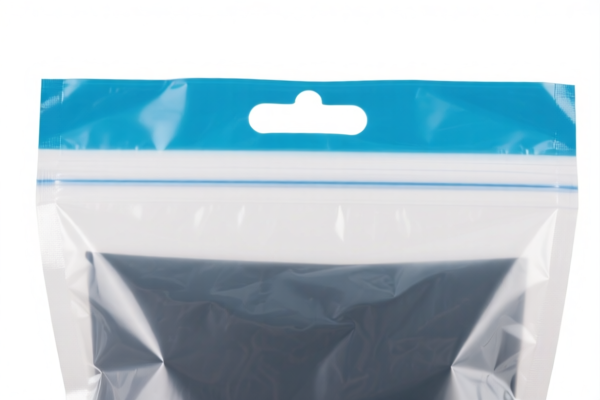
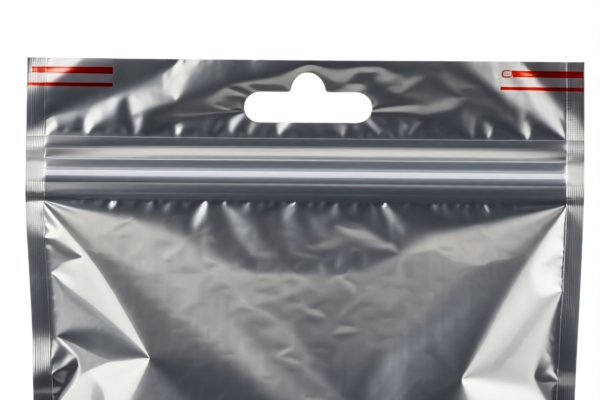
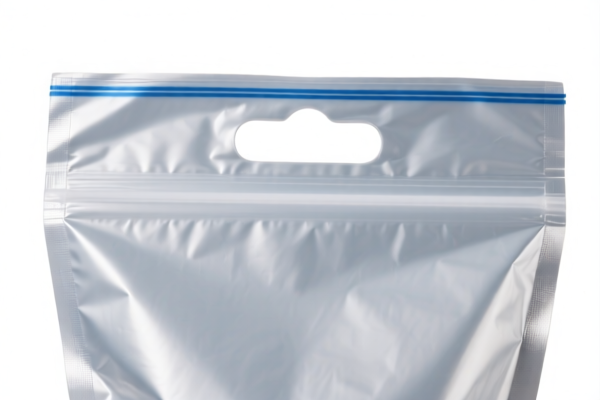
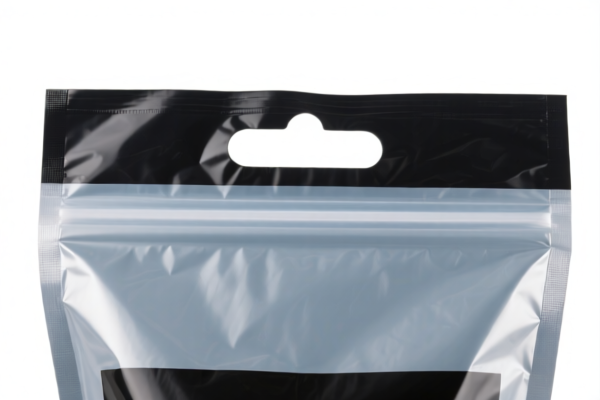
AI Analysis
📦 Polyethylene Zipper Bags with Hanging Holes (Hole-Punched PE Zipper Bags)
🌐 HS Code Reference & Customs Clearance Guide | 2026 Latest Tariff Analysis | Professional Clearance Strategy
📌 Part 1: Product Definition & Classification: What Exactly Are "PE Zipper Bags"?
Polyethylene Zipper Bags with hanging holes are flexible packaging solutions made from polyethylene (PE) resin. They feature a resealable zipper mechanism for repeated use and a perforated hole or slit at the top for retail display on pegs or hooks.
In international trade, these are classified under Chapter 39 (Plastics and Articles Thereof), specifically within heading 3923 (Articles for the conveyance or packing of goods, of plastics). The specific classification depends on the precise structural characteristics: whether it is strictly a "bag" with a slider, a "sealing device," or a "general bag."
⚠️ Key Distinction Points:
- With Slider/Zipper Mechanism: If the bag uses a separate slider to open/close → Often falls under specific subcategories for "bags with slider."
- General Bag with Zipper Seal: If the zipper is an integral part of the plastic seal → Falls under "other bags."
- Material Specifics: Must be confirmed as Polyethylene (PE). If mixed with other plastics, classification may vary, but the data provided specifies PE.
- Hanging Hole: The presence of a hole affects the "utility" description but does not change the fundamental HS code structure for plastic bags, though it ensures the product description matches customs requirements for "retail-ready" items.
📊 Part 2: HS Code Classification Details (2026 Latest Tariff Authority Comparison)
Based on the provided data, all variants fall under the broad heading 3923.21.00 (Sacks and bags, including cones, of plastics, with the top closing or lining of plastics). The specific 8-digit codes differentiate based on form (zipper vs. general bag).
| HS Code | Product Description Summary | Key Characteristics |
|---|---|---|
3923.21.00.11 |
Polyethylene Zipper Bag with Holes | Form: Zipper bag. Feature: Hanging holes. Matches "bag-like object and sealing part." |
3923.21.00.30 |
Hole-Punched Polyethylene Zipper Bag | Form: Bag type. Use: Packaging. Feature: Integral extruded closing device. |
3923.21.00.20 |
Perforated Polyethylene Zipper Bag | Form: Bag with slider, reusable closure. Material: Ethylene polymer. |
3923.21.00.95 |
Polyethylene Bag with Drawstring | Form: Bag type. Category: Other/Catch-all. (Note: Data says "drawstring," but product is "zipper." Use with caution for zipper items unless no other fits). |
3923.21.00.30 |
Hole-Punched Polyethylene Zipper Bag | Form: Bag. Feature: Zipper characteristic. Matches code requirements. |
🔍 Critical Note on
3923.21.00.95:
While listed in the data, this code is described as "Other category" and mentions "drawstring." For a zipper bag, codes ending in.11,.20, or.30are more precise..95is a residual category. Use.11or.30or.20if your bag has a functional zipper/slider.
💰 Part 3: 2026 Latest Tariff Rate Breakdown (Including Additional Duties)
✅ Applicable Market: United States (US)
✅ Origin: China (CN)
✅ Effective Date: Current rates apply (Based on data provided)
✅ Total Duty Rate: 38.0%
All HS codes listed (3923.21.00.11, .20, .30, .95) share the same tax structure.
🎯 1. Tax Structure Breakdown
| Component | Rate | Source / Legal Basis |
|---|---|---|
| Basic Duty (MFN) | 3.0% | Standard Most-Favored-Nation rate for plastic sacks/bags. |
| Section 301 Additional Duty | 25.0% | USITC Footnote related to Section 301 tariffs on Chinese goods. |
| Section 122 Tariff | 10.0% | Specific 122-clause tariff (often related to specific trade remedy or statutory provisions). |
| TOTAL EFFECTIVE RATE | 38.0% | Sum of Basic + Section 301 + Section 122. |
📌 Explanation of Tax Components:
- Basic 3%: The standard import duty for plastic packaging materials.
- 25% Section 301: This is the significant cost driver. Almost all plastic bags/packaging from China are subject to this retaliatory tariff.
- 10% Section 122: This refers to tariffs under Section 122 of the Trade Act of 1974 (or similar statutory provisions), often applied to specific categories of goods. In the context of this data, it is explicitly listed for these PE bags.
- No De Minimis Exemption: These rates apply to formal entries. Small parcels may be treated differently under informal entry, but for commercial imports, 38% is the effective landed cost multiplier.
🛠️ Part 4: Customs Clearance Practical Advice (Real-World Pitfall Guide)
✅ 1. Required Documentation Checklist
| Document | Must Provide? | Description |
|---|---|---|
| Commercial Invoice | ✅ Yes | Must clearly state: "Polyethylene Zipper Bag with Hanging Holes." |
| Packing List | ✅ Yes | Detail quantity, weight, and dimensions. |
| Product Specifications | ✅ Yes | Confirm material is 100% Polyethylene (PE). If recycled, state "Recycled PE." |
| HS Code Declaration | ✅ Yes | Specify one of: .11, .20, .30. Avoid .95 if possible unless no zipper/slider exists. |
| Certificate of Origin | ✅ Yes | Essential for proving Chinese origin to apply Section 301/122 correctly (or for any future exemption claims). |
| Photos of Product | ✅ Recommended | Show the zipper mechanism and the hanging hole. Helps customs verify it is not a "trash bag" or "garbage bag" (which may have different rates). |
✅ 2. Classification Strategy & Tips
🔥 "Be Precise About the Closure Type!"
| Scenario | Recommended HS Code | Why? |
|---|---|---|
| Bag has a separate plastic slider (like a sandwich bag) | 3923.21.00.20 |
"With slider, reusable closure" is the exact description. |
| Bag has a zip-lock seal (no separate slider) | 3923.21.00.30 or .11 |
Matches "sealing device" or "zipper bag" features. |
| Bag is heat-sealed only (no zipper) | 3923.21.00.95 |
Falls into "other" if no zipper/slider. |
| Bag has a drawstring tie | 3923.21.00.95 |
Data specifically links drawstrings to this code. |
⚠️ Warning: Do not declare these as "Plastic Sheets" or "Film" (Chapter 3901/3904). They are articles (bags), so Chapter 3923 is correct. Misclassification can lead to severe penalties.
✅ 3. Special Considerations for "Hanging Holes"
- Retail Ready: The hanging hole indicates the product is intended for direct retail sale. Ensure your invoice does not describe them as "industrial packaging" if they are clearly consumer-facing, to avoid discrepancies.
- Material Certification: If claiming "Recycled Content," ensure you have the certification. Some markets offer lower duties for recycled plastics, but in the US, the 38% rate likely still applies due to Section 301, unless specific exemptions are granted.
🌍 Part 5: Global Market Comparison (2026)
| Country | HS Code | Duty Rate | Notes |
|---|---|---|---|
| 🇺🇸 USA | 3923.21.00.xx |
38.0% | High due to Section 301 + 122. |
| 🇨🇳 China (Import) | 3923.21.00.00 |
Varies | China may have different rates for imported PE bags; usually lower without US-style penalties. |
| 🇪🇺 EU | 3923.21.00 |
~3-6% | Standard duty. No Section 301 equivalent. |
| 🇨🇦 Canada | 3923.21.00 |
~5-6% | Generally lower than US. |
| 🇬🇧 UK | 3923.21.00 |
~4-5% | Post-Brexit tariff schedule. |
📌 Conclusion:
The USA is the most expensive market for importing Chinese polyethylene zipper bags due to the cumulative 38% tariff.
- Strategy: Consider sourcing from non-China origins (e.g., Vietnam, Thailand) if possible to mitigate Section 301 duties, provided rules of origin are met.
- Domestic US Production: If manufactured in the US, the 38% tariff does not apply.
📌 Part 6: Common Mistakes & Pitfalls (Lessons Learned)
❌ Mistake 1: Declaring as "Plastic Bags" without specifying "Zipper"
👉 Consequence: Customs may classify as generic plastic sacks (.95), potentially leading to scrutiny if the specific zipper feature is missed, causing delays.
❌ Mistake 2: Ignoring the "Section 122" component
👉 Consequence: Underestimating the landed cost. Many importers only budget for the 3% base + 25% 301, forgetting the extra 10%, resulting in budget overruns.
❌ Mistake 3: Confusing "Zipper" with "Drawstring"
👉 Consequence: Using code .95 for a zipper bag might be accepted but is less precise. Using .20 for a non-slider bag is incorrect. Match the closure type exactly.
❌ Mistake 4: Not providing clear photos of the hanging hole
👉 Consequence: Customs may suspect the goods are not retail-ready, leading to additional verification requests or reclassification.
✅ Correct Declaration Example:
"POLYETHYLENE ZIPPER BAG WITH HANGING HOLE, FOR RETAIL PACKAGING, MATERIAL: 100% PE, HS CODE: 3923.21.00.30"
🎯 Part 7: Conclusion: Precision in Classification Saves Money
🎯 Key Takeaways:
🔹 Total Duty is 38%: 3% Base + 25% Section 301 + 10% Section 122.
🔹 Choose the Right Subcode:.20for sliders,.30/.11for zip-locks.
🔹 Document Clearly: Invoice must reflect "Polyethylene" and "Zipper."
📌 Pro Tip:
If your volume is high, consider applying for a Section 301 Exclusion if available for specific product types, though exclusions for basic plastic bags are rare. Alternatively, explore free trade agreements if manufacturing in a country with a US FTA.
📣 Immediate Action:
📞 Confirm your zipper type (Slider vs. Zip-Lock).
📊 Calculate landed cost using 38% duty.
🚀 Prepare accurate commercial invoices to avoid customs holds.
✨ Professional clearance starts with accurate classification!
💼 Every percentage point of duty impacts your bottom line—plan accordingly!
Customer Reviews
About HS Code Classification
The Harmonized System (HS) is an internationally standardized nomenclature developed by the World Customs Organization (WCO) to classify traded products. Over 200 countries use the HS system as the basis for customs tariffs, trade statistics, and import/export regulations.
Each HS code follows a hierarchical structure:
- Chapter (2 digits) — Broad category of goods (e.g., Chapter 84: Machinery and Mechanical Appliances)
- Heading (4 digits) — More specific grouping within the chapter
- Subheading (6 digits) — Internationally standardized breakdown, used by all WCO member countries
- National subdivisions (8-10 digits) — Country-specific extensions for further classification, such as US HTSUS 10-digit codes
Correct HS code classification is essential for smooth customs clearance, accurate duty payment, and compliance with trade regulations. Misclassification can lead to customs delays, overpayment of duties, or penalties.
When importing from CN to US, the applicable tariff rates may include:
- Most-Favored-Nation (MFN) rate — The standard duty rate applied to WTO members
- General rate — Applied to countries without trade agreements
- Trade remedy duties — Additional tariffs such as Section 301 (anti-dumping), Section 232 (national security), or countervailing duties
The information provided on this page is for reference purposes only. For official classification, please consult with your local customs authority or a licensed customs broker.