Polyethylene Zipper Bags with Printing
CN → US| HS Code | Tariff Rate | Origin | Destination | Doc |
|---|---|---|---|---|
| 3923210020 | 38.0% | CN | US | Official Doc |
| 3923210011 | 38.0% | CN | US | Official Doc |
| 3923210030 | 38.0% | CN | US | Official Doc |
| 3923290000 | 38.0% | CN | US | Official Doc |
| 3923210011 | 38.0% | CN | US | Official Doc |
Product Images

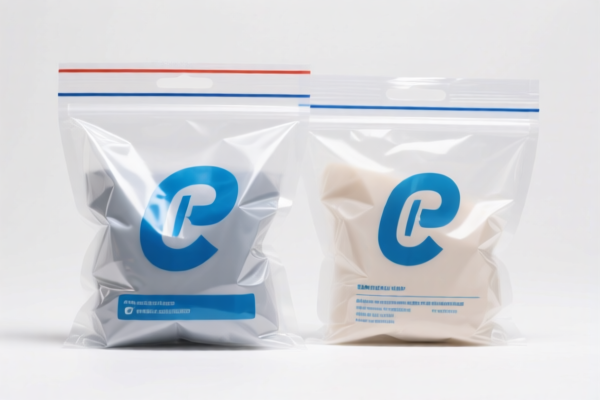
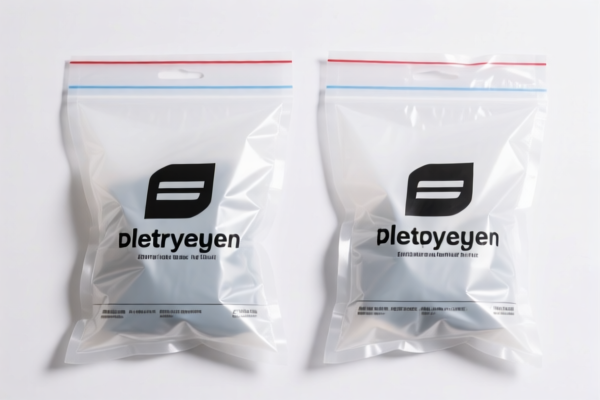
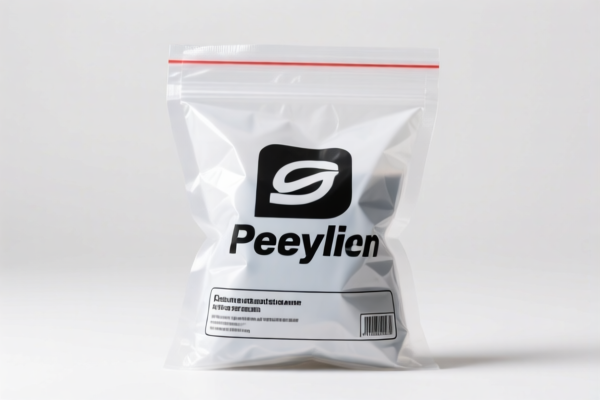
AI Analysis
🛍️ Polyethylene Zipper Bags with Printing (Custom Printed PE Resealable Bags)
🌐 HS Code Reference & Clearance Guide | 2026 Latest Tariff Analysis | Professional Customs Strategy for PE Pouches
📌 I. Product Definition & Classification: Do You Really Understand "PE Bags"?
Polyethylene (PE) zipper bags, often referred to as "ziplock bags" or "resizable seal bags," are flexible packaging solutions widely used in food storage, retail, logistics, and cosmetics. In international trade, their classification depends strictly on material composition and physical form.
Core Material: Polyethylene (PE) – The most common plastic for flexible packaging.
Key Features: Zipper seal mechanism, printable surface, varying thickness.
⚠️ Key Distinction Point:
- If the bag is made of Polyethylene and has a re-sealable zipper mechanism → It falls under Heading 3923.21.
- If the bag is merely a "pouch" without a specific zipper mechanism but is still PE → It may fall under Heading 3923.29.
- Note: The presence of printing does not change the HS Code classification; it is considered a secondary feature of the bag's surface.
📦 II. HS Code Classification Details (2026 Latest Tariff Authority Comparison)
Based on the provided data, all listed HS Codes are for Polyethylene products subject to 38.0% total tax due to US trade measures.
| HS Code | Product Description | Application Scenario | Key Characteristics |
|---|---|---|---|
3923.21.00.20 |
Polyethylene Re-sealable Zipper Bags | General purpose packaging, electronics, hardware | Material: PE; Form: Re-sealable zipper bag |
3923.21.00.11 |
Polyethylene Re-sealable Food Bags | Food storage, snacks, produce | Material: PE; Form: Re-sealable; Use: Food packaging |
3923.21.00.30 |
Polyethylene Re-sealable Food Bags | Retail food packaging | Material: PE; Form: Bag; Use: Re-sealable for food |
3923.29.00.00 |
Polyethylene Envelope Bags | Document storage, retail envelopes | Material: PE; Form: Envelope; Category: Other plastic pouches |
3923.21.00.11 |
Polyethylene Re-sealable Food Bags | General packaging | Material: PE; Form: Re-sealable; Use: Packaging |
🔍 Focus Reminder:
- All codes above start with 3923, which covers "Articles for the conveyance or packing of goods, of plastics."
- Sub-heading 21 specifically refers to "Sacks and bags."
- The .11, .20, .30 distinctions are often based on specific sub-descriptions (e.g., food vs. general, or specific zipper types).
- Code3923.29.00.00is for "Other" plastic pouches (e.g., envelope style), which is slightly different from the standard "zipper bag" structure of 3923.21.
💰 III. 2026 Latest Tariff Rate Breakdown (Including Additional Taxes & Policy Surcharges)
✅ Applicable Country: United States (US)
✅ Origin: China (CN) (Implied by the 38% total tax structure)
✅ Effective Date: Current trade policies apply (Section 301 & IEEPA)
🎯 1. 3923.21.00.20 / 3923.21.00.11 / 3923.21.00.30 – Polyethylene Re-sealable Bags
| Item | Content |
|---|---|
| Basic Tariff Rate | 3.0% (Ad valorem) |
| Section 301 Additional Tariff | +25.0% (Retaliatory tariff on Chinese goods) |
| Section 122 Tariff (IEEPA) | +10.0% (Specific surcharge on Chinese plastic/packaging goods) |
| Total Effective Rate | 38.0% |
| Tax Calculation | CIF Value × 38.0% |
| De Minimis Exemption? | ❌ NO (Section 301 tariffs generally do not apply to de minimis, but for commercial imports, this rate is strict. For < $800 shipments, check current CBP enforcement status on plastic goods, but commercial clearance requires full payment.) |
| Legal Basis Path | HTSUS: 3923.21 → USITC Footnote: Sec 301 → IEEPA: Sec 122 |
📌 Explanation:
- The 3.0% is the standard MFN (Most Favored Nation) rate for plastic sacks/bags.
- The 25.0% is the classic Section 301 tariff, which has been maintained or adjusted depending on the latest USTR list updates.
- The 10.0% is a specific "Section 122" tariff mentioned in the data, often associated with specific national security or emergency powers affecting Chinese imports.
- Combined Total: 38%. This is a significant cost driver for PE packaging exporters.
🎯 2. 3923.29.00.00 – Polyethylene Envelope Bags
| Item | Content |
|---|---|
| Basic Tariff Rate | 3.0% |
| Section 301 Additional Tariff | +25.0% |
| Section 122 Tariff (IEEPA) | +10.0% |
| Total Effective Rate | 38.0% |
| Tax Calculation | CIF Value × 38.0% |
| De Minimis Exemption? | ❌ NO |
| Legal Basis Path | HTSUS: 3923.29 → USITC Footnote: Sec 301 → IEEPA: Sec 122 |
📌 Note:
- Even though this is an "envelope" rather than a "zipper bag," the material (PE) and origin (China) trigger the same high tariff stack.
- Do not assume "different form" means "lower tax" in this specific trade environment.
🛠️ IV. Customs Clearance Practical Advice (Battle-Tested Pitfall Avoidance Guide)
✅ 1. Required Documentation Checklist (Non-Negotiable)
| Document | Mandatory? | Explanation |
|---|---|---|
| ✅ Commercial Invoice | ✔️ | Must clearly state: "Polyethylene Bags, Printed, With Zipper Seal." Avoid vague terms like "Plastic Bags." |
| ✅ Packing List | ✔️ | Detail dimensions, quantity, and weight. |
| ✅ Product Specification | ✔️ | Include: Material (100% PE or LDPE/LLDPE), Thickness (microns), Seal Type (Zipper). |
| ✅ Certificate of Origin (CO) | ✔️ | To prove origin. If not CN, tariffs may differ. |
| ✅ Printed Sample/Picture | ✔️ | To prove it's a "bag" and not "plastic film" (which might have different codes). |
✅ 2. Declaration Tips (Key Mantra)
🔥 "Material First, Form Second, Origin Critical!"
| Scenario | Correct Declaration | Wrong Practice |
|---|---|---|
| PE Zipper Bag | 3923.21.00.11/20/30 |
Misclassifying as 3920.43 (Plastic Sheet) → Risk of penalty |
| Envelope Style | 3923.29.00.00 |
Calling it a "Zipper Bag" if it lacks a zipper → Misdescription |
| Non-PE Material | Different HS Code | Claiming PE when it's PP (Polypropylene) → Customs seizure |
| Mixed Materials | Primary Material Rule | Ignoring lining layers (e.g., PE+Aluminum) → Wrong code |
✅ 3. Special Case Handling
| Situation | Handling Advice |
|---|---|
| Printed Content | Ensure printed images don't contain prohibited content (political, adult, etc.) which can lead to seizure. |
| Recycled PE | If made from recycled plastic, additional environmental regulations (EPA) may apply, but HS Code remains similar. |
| Small Samples | For samples < $800, de minimis may apply depending on current CBP enforcement on Section 301 items, but do not rely on this for bulk shipping. |
| Country of Origin | If manufactured in Vietnam/Malaysia but using Chinese PE, rules of origin must be strictly documented to avoid "Country of Origin" fraud allegations. |
🌍 V. Global Market Comparison (2026 Latest)
| Country/Region | Recommended HS Code | Tariff (China Origin) | Certification Required | Notes |
|---|---|---|---|---|
| 🇺🇸 USA | 3923.21.00.11/20/30 |
38.0% | FDA (if food contact) | High tariffs due to 301/122 |
| 🇨🇳 China | 3923.21.00.00 |
~3-6% | GB Standards | Low import tariff |
| 🇪🇺 EU | 3923.29.00 (varies) |
~6.5% | REACH, LFGB (food) | No Section 301, but strict chemical regs |
| 🇬🇧 UK | 3923.29.00 |
~6.5% | UKCA | Post-Brexit tariffs similar to EU |
| 🇨🇦 Canada | 3923.21.00 |
~5-6% | Health Canada | CUSMA (USMCA) benefits if from US/Mexico |
📌 Conclusion:
- USA is the highest-cost market for Chinese PE bags due to the 38% effective rate.
- Food Contact Compliance is critical for3923.21codes. Ensure PE meets FDA 21 CFR 177.1520 for food contact.
📌 VI. Common Errors & Pitfall Guide (Blood & Tears Lessons)
❌ Error 1: Declaring "Plastic Bags" without specifying "Polyethylene"
👉 Consequence: Customs may misclassify, leading to delays and potential fines.
👉 Fix: Always specify "100% Polyethylene" or "LDPE/LLDPE."
❌ Error 2: Ignoring the Zipper Type
👉 Consequence: Confusion between 3923.21 (Zipper) and 3923.29 (Other).
👉 Fix: Clearly state "Interlocking Zipper" or "Press-to-Close Zipper."
❌ Error 3: Assuming Print Affects Tariff
👉 Consequence: Overcomplicating the declaration.
👉 Fix: Printing is cosmetic. It does not change the HS Code. Focus on Material and Function.
❌ Error 4: Using "Ziplock" as the Product Name
👉 Consequence: "Ziplock" is a trademark. Customs may flag for IP violation.
👉 Fix: Use generic terms: "Resealable Polyethylene Bag," "PE Zipper Pouch."
✅ Correct Declaration Example:
"RESERVOIR BAGS, POLYETHYLENE, WITH INTERLOCKING ZIPPER SEAL, PRINTED, FOR FOOD STORAGE, HS 3923.21.00.11, ORIGIN: CHINA"
🎯 VII. Conclusion: Professional Declaration, Cost Savings, Risk Reduction
🎯 Remember the Mantra:
🔹 "Polyethylene First, Zipper Form Second, China Origin Third!"
🔹 "38% Tax is the Reality, Avoid 'Vague' Descriptions!"
🔹 "Print is Free, but Tariffs are Heavy!"
📌 Pro Tip:
If your bags are Food Contact grade, ensure you have FDA Compliance Letters ready. Customs may request proof of food safety compliance, especially for 3923.21 (Food Bags).
Consider Advance Ruling (APA) from CBP if you are unsure about the specific sub-code (.11 vs .20 vs .30) for your unique bag design.
📣 Immediate Action:
📞 Consult a Licensed Customs Broker
📦 Verify FDA Compliance for Food Bags
📝 Prepare Detailed Spec Sheets
🚀 Ensure Smooth Clearance, Avoid 38% Shock, Maximize Profit Margins!
✨ Professional Customs Clearance Starts with Accurate Classification!
💼 Every Percent of Tariff Counts!
Customer Reviews
About HS Code Classification
The Harmonized System (HS) is an internationally standardized nomenclature developed by the World Customs Organization (WCO) to classify traded products. Over 200 countries use the HS system as the basis for customs tariffs, trade statistics, and import/export regulations.
Each HS code follows a hierarchical structure:
- Chapter (2 digits) — Broad category of goods (e.g., Chapter 84: Machinery and Mechanical Appliances)
- Heading (4 digits) — More specific grouping within the chapter
- Subheading (6 digits) — Internationally standardized breakdown, used by all WCO member countries
- National subdivisions (8-10 digits) — Country-specific extensions for further classification, such as US HTSUS 10-digit codes
Correct HS code classification is essential for smooth customs clearance, accurate duty payment, and compliance with trade regulations. Misclassification can lead to customs delays, overpayment of duties, or penalties.
When importing from CN to US, the applicable tariff rates may include:
- Most-Favored-Nation (MFN) rate — The standard duty rate applied to WTO members
- General rate — Applied to countries without trade agreements
- Trade remedy duties — Additional tariffs such as Section 301 (anti-dumping), Section 232 (national security), or countervailing duties
The information provided on this page is for reference purposes only. For official classification, please consult with your local customs authority or a licensed customs broker.