Polyethylene Zipper Bags with Slider
CN → US| HS Code | Tariff Rate | Origin | Destination | Doc |
|---|---|---|---|---|
| 3920100000 | 39.2% | CN | US | Official Doc |
| 3921190090 | 41.5% | CN | US | Official Doc |
| 3921190010 | 41.5% | CN | US | Official Doc |
| 3923210030 | 38.0% | CN | US | Official Doc |
| 3923210011 | 38.0% | CN | US | Official Doc |
| 3920992000 | 39.2% | CN | US | Official Doc |
Product Images
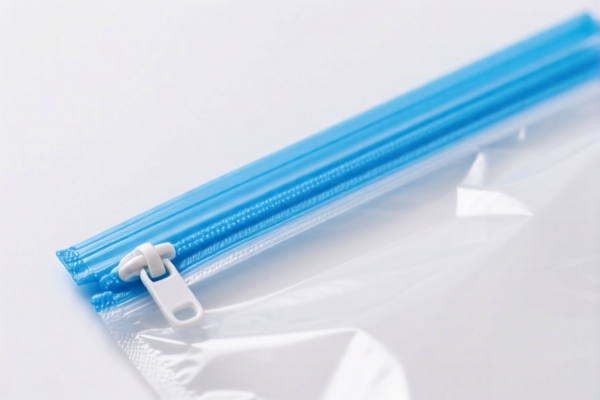
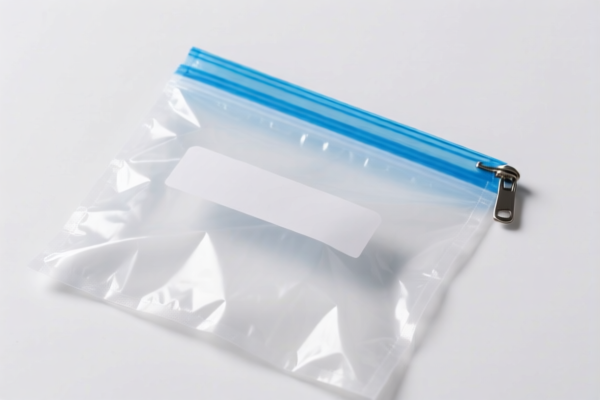
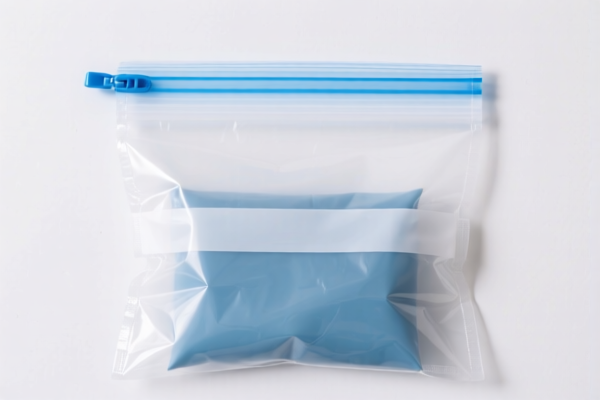
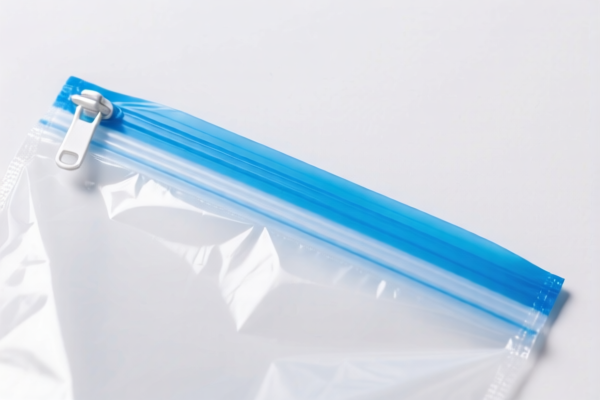
AI Analysis
🛍️ Polyethylene Zipper Bags with Slider (Self-Sealing Bags)
🌐 HS Code Reference & Customs Clearance Guide | 2026 Latest Tariff Analysis | Professional Strategy for Low-Cost Classification
📌 I. Product Definition & Classification: Do You Know What "Zipper Bags" Really Are?
Polyethylene Zipper Bags with Slider, commonly known as self-sealing bags, stand bags, or zipper pouches, are essential packaging materials in global trade. They are primarily used for food, hardware, electronics, and retail items.
In international trade classification, these bags are categorized based on Material Composition and Form/Structure:
- Polyethylene (PE) / Polypropylene (PP) Films: The vast majority of zipper bags are made from flexible plastic films.
- Form Factor: They are considered "bags, sacks, and cones" or extensions of "plates, sheets, film, foil, and strips."
⚠️ Key Classification Distinction:
- If the bag is made of Plastic (PE/PP) and is a flexible container → Look at Chapter 39 (Plastics).
- Sub-chapter 3920 vs. 3921: 3920 covers plates, sheets, film, foil, and strips (without joins). 3921 covers other plastic plates, sheets, film, etc. (including joined ones or specific manufactured forms).
- Sub-chapter 3923: Covers articles for the conveyance or packing of goods (e.g., specific types of sacks and bags). Note: Many customs authorities prefer 3923 for finished bags, while others argue for 3920/3921 if the bag is seen as a formed film. This guide focuses on the provided data which highlights 3920, 3921, and 3923.
📦 II. HS Code Classification Details (2026 Latest Tariff Data)
Based on the provided data, here are the 6 most likely HS Codes for Polyethylene Zipper Bags with Slider, along with their tax implications.
| HS Code | Product Description / Logic | Total Tax Rate | Tax Composition (Base + Additional) |
|---|---|---|---|
3920.10.00.00 |
Plastic Plates, Sheets, Film, Foil & Strips: Non-cellular PE. Classifies bags as formed films/strips. | 39.2% | Base: 4.2% + 301 Tariff: 25.0% + Section 122 Tariff: 10.0% |
3921.19.00.90 |
Other Plastic Plates, Sheets, Film, Foil & Strips: "Other" category for PE/PP bags, viewed as extended film applications. | 41.5% | Base: 6.5% + 301 Tariff: 25.0% + Section 122 Tariff: 10.0% |
3921.19.00.10 |
Other Plastic Plates, Sheets, Film, Foil & Strips: Similar to above, specific sub-category for PE bags. | 41.5% | Base: 6.5% + 301 Tariff: 25.0% + Section 122 Tariff: 10.0% |
3923.21.00.30 |
Articles for Conveyance/Packing: Sacks & Bags (Other). Matches the "Bag" form and packaging purpose. | 38.0% | Base: 3.0% + 301 Tariff: 25.0% + Section 122 Tariff: 10.0% |
3923.21.00.11 |
Articles for Conveyance/Packing: Sacks & Bags (Other). Specific sub-category for PE bags. | 38.0% | Base: 3.0% + 301 Tariff: 25.0% + Section 122 Tariff: 10.0% |
3920.99.20.00 |
Plastic Plates, Sheets, Film, Foil & Strips: Other plastic films. Classifies flexible bags as "film-like" products. | 39.2% | Base: 4.2% + 301 Tariff: 25.0% + Section 122 Tariff: 10.0% |
🔍 Critical Analysis:
- The lowest total tax rate is 38.0% (HS Codes3923.21.00.11and3923.21.00.30).
- These codes fall under Chapter 3923, which explicitly covers "Articles for the conveyance or packing of goods."
- Codes3920and3921are often used if customs views the bag primarily as a "formed plastic sheet/film" rather than a finished "bag."
- All these HS Codes are subject to US Trade War tariffs (25%) and Section 122 tariffs (10%) if imported from China.
💰 III. 2026 Latest Tariff Rate Breakdown (Including Surtaxes)
✅ Applicable Country: United States (US)
✅ Origin: China (CN) (Assumed based on Section 122 and 301 tariff structures)
✅ Effective Date: Current enforcement periods for Section 301 and 122
🎯 1. The Most Favorable Option: 3923.21.00.11 / 3923.21.00.30 (Sacks & Bags)
| Item | Details |
|---|---|
| Base Duty Rate | 3.0% (Ad Valorem) |
| USITC Section 301 Surtax | +25.0% (High tariffs on Chinese imports) |
| Section 122 Surtax | +10.0% (Retaliatory tariffs on specific Chinese goods) |
| Total Effective Duty Rate | 38.0% |
| Calculation | CIF Value × 38.0% |
| De Minimis Exemption | ❌ Not Eligible (Shipments under $800 are subject to scrutiny if classified here; typically, high-volume commercial shipments must pay duties) |
| Legal Basis Path | HTSUS:3923.21.00.11 → USITC Footnote: 9903.88.01 (301 Tariff) → Section 122 Authority |
📌 Why This Rate?
- Base 3.0% is significantly lower than the 4.2%-6.5% base rates in Chapter 3920/3921.
- However, the 35% combined surtax (25% + 10%) remains the same as other plastic films.
- Total 38.0% is the lowest possible tax burden for these products among the provided options.
🎯 2. The "Film" Classification: 3920.10.00.00 / 3920.99.20.00
| Item | Details |
|---|---|
| Base Duty Rate | 4.2% |
| USITC Section 301 Surtax | +25.0% |
| Section 122 Surtax | +10.0% |
| Total Effective Duty Rate | 39.2% |
| Difference vs. 3923 | +1.2% higher than the bag classification |
🎯 3. The "Other Plastic" Classification: 3921.19.00.10 / 3921.19.00.90
| Item | Details |
|---|---|
| Base Duty Rate | 6.5% |
| USITC Section 301 Surtax | +25.0% |
| Section 122 Surtax | +10.0% |
| Total Effective Duty Rate | 41.5% |
| Difference vs. 3923 | +3.5% higher (Most expensive option) |
🛠️ IV. Customs Clearance Practical Advice (Pitfall Avoidance Guide)
✅ 1. Required Documentation Checklist
| Document | Mandatory? | Notes |
|---|---|---|
| ✅ Commercial Invoice | ✔️ | Must specify "Polyethylene Zipper Bag with Slider" and material (PE). |
| ✅ Packing List | ✔️ | Include net weight/gross weight. |
| ✅ Product Description | ✔️ | Clear English description: "Flexible plastic bags, self-sealing, for packaging." |
| ✅ Material Declaration | ✔️ | Confirm 100% Polyethylene (PE) or Polypropylene (PP). Do not list as "Mixed Material" unless true. |
| ✅ Structure Diagram/Photo | ✔️ | Show the zipper/slider mechanism to prove it's a finished bag, not just film. |
| ✅ Certificate of Origin | ✔️ | Required for determining eligibility for surtax exemptions (if any). |
✅ 2. Classification Strategy: Bag vs. Film
🔥 "Finish the Bag, Claim the Bag Code!"
| Scenario | Recommended HS Code | Risk Level | Explanation |
|---|---|---|---|
| Finished Bag (Stamped, sealed edges, zipper installed) | 3923.21.00.11 or 3923.21.00.30 | 🟢 Low (Best Rate) | Customs views this as a "Packaging Article." Lower base duty (3%). |
| Unsealed Roll/Film (No zipper, just plastic film) | 3920.10.00.00 or 3920.99.20.00 | 🟡 Medium | Classified as "Plastic Film." Base duty 4.2%. |
| Mixed Material Bag (e.g., Paper + Plastic window) | 3921.19.00.xxxx | 🔴 High | Classified as "Other Plastic Articles." Highest base duty (6.5%). |
| Recycled Plastic Bag | 3923.21.00.xxxx | 🟢 Low | Still falls under 3923, but ensure "Recycled" is declared if claimed. |
✅ 3. Critical Warnings
| Risk | Consequence | Mitigation |
|---|---|---|
| Misclassification as Film | Pay 39.2% or 41.5% instead of 38.0% | Always emphasize "Finished Bag" in description. |
| Material Confusion | Incorrect HS Code → Penalties | Clearly state "100% PE" on invoice. Avoid vague terms like "Plastic Bag" without material. |
| Section 122 / 301 Exemption | No exemption for CN origin | No general exemption exists. Plan for 35% surtax. |
| De Minimis Abuse | Customs holds shipment | If shipping many small parcels, ensure they are commercial shipments, not B2C de minimis. |
🌍 V. Global Market Comparison (2026)
| Market | Recommended HS Code | Base Duty | Additional Tariffs (China) | Total Est. Duty |
|---|---|---|---|---|
| 🇺🇸 USA | 3923.21.00.11 |
3.0% | +35% (301 + 122) | 38.0% |
| 🇨🇳 China (Export) | 3923.21.00.11 |
0% (Export) | N/A | 0% (Export Duty) |
| 🇪🇺 EU | 3923.21.00 |
6.5% | None | 6.5% |
| 🇬🇧 UK | 3923.21.00 |
6.5% | None | 6.5% |
| 🇯🇵 Japan | 3923.21.00 |
6.0% | None | 6.0% |
📌 Insight:
- The USA has the highest total duty burden due to trade war tariffs.
- EU, UK, and Japan offer significantly lower duty rates (6-6.5%) with no additional surtaxes for Chinese origin (currently).
- Strategy: If cost is sensitive, consider exporting to non-US markets or exploring third-country routing (with legal compliance).
📌 VI. Common Mistakes & Pitfalls (Lessons Learned)
❌ Mistake 1: Labeling as "Plastic Film" when it is a finished bag
👉 Result: Misclassification as 3920 or 3921 → Pay 39.2%-41.5% instead of 38.0%.
👉 Fix: Use "Finished Zipper Bag" in description.
❌ Mistake 2: Omitting material composition
👉 Result: Customs may assess higher rates or demand testing → Delays.
👉 Fix: State "100% Polyethylene (PE)" clearly.
❌ Mistake 3: Ignoring Section 122 & 301 tariffs
👉 Result: Unexpected 35% surtax on top of base duty.
👉 Fix: Factor 35% into landed cost calculations.
❌ Mistake 4: Claiming De Minimis for large commercial shipments
👉 Result: Shipment seized or held.
👉 Fix: File proper entry (Type 86 or Type 11) for commercial goods.
✅ Correct Declaration Example:
"Polyethylene Zipper Bags with Slider, 100% PE, Flexible Packaging Bags, Size: 10x12 inches, For Retail Packaging, HS Code: 3923.21.00.11"
🎯 VII. Conclusion: Smart Classification Saves Money!
🎯 Key Takeaways:
🔹 Best HS Code:
3923.21.00.11or3923.21.00.30(Lowest Base Duty: 3%)
🔹 Total Duty Rate: 38.0% (for US imports from China)
🔹 Critical Action: Clearly declare "Finished Bag" to avoid higher film classifications.
🔹 Cost Saving: Avoid3921codes (41.5%) by proving the product is a finished packing article.
📌 Pro Tip:
Apply for a Binding Tariff Ruling (BTR) from US Customs and Border Protection (CBP) before large shipments. This locks in the 38.0% rate and protects against future audits.
📣 Immediate Action:
📞 Consult a Licensed Customs Broker to verify HS Code
3923.21.00.11eligibility.
📄 Prepare Product Photos showing the slider and sealed edges.
📦 Calculate Landed Cost including 38.0% duty.
✨ Accurate Classification is the First Step to Profitability!
💼 Minimize Duties, Maximize Margins!
Customer Reviews
About HS Code Classification
The Harmonized System (HS) is an internationally standardized nomenclature developed by the World Customs Organization (WCO) to classify traded products. Over 200 countries use the HS system as the basis for customs tariffs, trade statistics, and import/export regulations.
Each HS code follows a hierarchical structure:
- Chapter (2 digits) — Broad category of goods (e.g., Chapter 84: Machinery and Mechanical Appliances)
- Heading (4 digits) — More specific grouping within the chapter
- Subheading (6 digits) — Internationally standardized breakdown, used by all WCO member countries
- National subdivisions (8-10 digits) — Country-specific extensions for further classification, such as US HTSUS 10-digit codes
Correct HS code classification is essential for smooth customs clearance, accurate duty payment, and compliance with trade regulations. Misclassification can lead to customs delays, overpayment of duties, or penalties.
When importing from CN to US, the applicable tariff rates may include:
- Most-Favored-Nation (MFN) rate — The standard duty rate applied to WTO members
- General rate — Applied to countries without trade agreements
- Trade remedy duties — Additional tariffs such as Section 301 (anti-dumping), Section 232 (national security), or countervailing duties
The information provided on this page is for reference purposes only. For official classification, please consult with your local customs authority or a licensed customs broker.