Polymer Granules for Paint
CN → US| HS Code | Tariff Rate | Origin | Destination | Doc |
|---|---|---|---|---|
| 3208100000 | 38.7% | CN | US | Official Doc |
| 3209900000 | 40.9% | CN | US | Official Doc |
| 3209100000 | 40.1% | CN | US | Official Doc |
Product Images
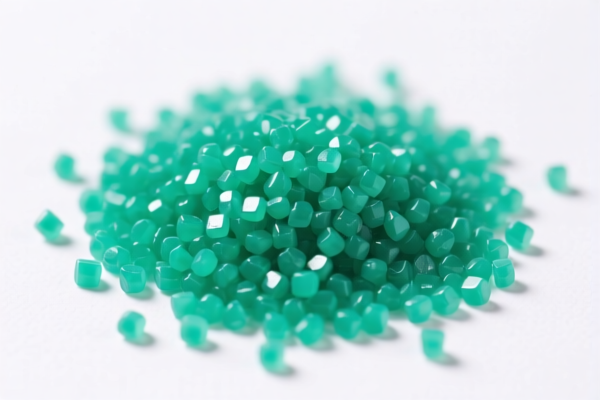
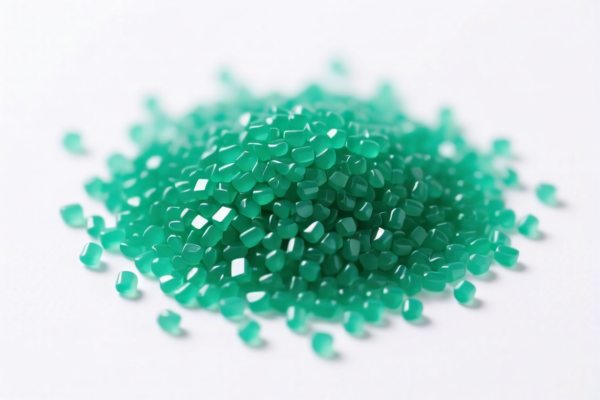
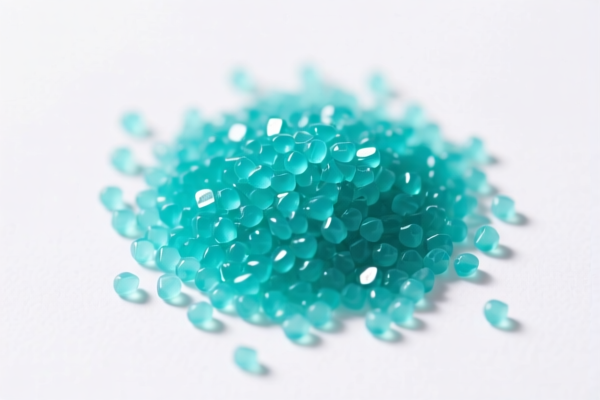

AI Analysis
🧪 Polymer Granules for Paint (Raw Material for Coatings)
🌐 HS Code Reference & Customs Clearance Guide | 2026 Latest Tariff Analysis | Professional Customs Strategy
📌 I. Product Definition & Classification: What Exactly Are "Polymer Granules"?
In the international trade of chemical raw materials, Polymer Granules for Paint refer to primary form synthetic or polymeric substances used as the binder or film-forming agent in paints, varnishes, and similar coatings. These are typically sold as pellets, powder, or flakes before being melted, dissolved, or emulsified by end-users.
Key Characteristics: 1. State of Matter: Primary form (granules/pellets), not ready-made paint. 2. Composition: Based on synthetic polymers (e.g., Polyester, Acrylic, Vinyl, or other Synthetic Polymers). 3. Intended Use: Raw material for manufacturing liquid/solid coatings (Paints/Varnishes).
⚠️ Critical Distinction:
- If the product is already liquid/emulsion ready for immediate use as paint → It might fall under Chapter 32 (Paints).
- If the product is solid granules/powder (Primary Form) → It falls under Chapter 39 (Plastics/Polymers) or specific sub-headings of Chapter 32 if classified as a specific paint raw material.
- Note: The provided data classifies these granules specifically under HS Codes in the 3208/3209 range (Paints/Varnishes), likely interpreting them as specific "base" components or resins dedicated to paint manufacture.
📦 II. HS Code Classification Details (Based on Provided Data)
| HS Code | Product Description | Application Logic | Tax Rate (Total) |
|---|---|---|---|
3208.10.00.00 |
Bases for paints/varnishes based on Polyesters or synthetic polymers in primary form. | Matches material (Polyester/Synthetic Polymer) + Form (Granules/Primary Form) + Use (Paint Raw Material). | 38.7% |
3209.90.00.00 |
Other paints/varnishes based on Synthetic Polymers in primary form. | "Granules" as primary form; inferred as raw material for synthetic paints. General synthetic polymer category. | 40.9% |
3209.10.00.00 |
Paints/varnishes based on Acrylic or Vinyl Polymers in primary form. | Granules match primary form; Acrylic/Vinyl polymer attributes align with specific paint resin types. | 40.1% |
🔍 Key Insight:
- All three codes classify the goods as Paint/Var nish bases (Chapter 32) rather than raw plastics (Chapter 39), likely due to their specific designation for coating applications.
- The difference lies in the specific polymer type (Polyester vs. General Synthetic vs. Acrylic/Vinyl).
💰 III. 2026 Latest Tariff Rate Breakdown (Including Surcharges)
✅ Applicable Country: United States (US)
✅ Origin: China (CN)
✅ Effective Date: Post-November 2025 (Subject to current trade policies)
🎯 1. 3208.10.00.00 —— Polyester-Based Paint Bases
| Item | Detail |
|---|---|
| Base Tariff | 3.7% (Standard MFN Rate) |
| Section 301 Surcharge | +25.0% (USITC Footnote 9903.88.01) |
| 122 Clause Surcharge | +10.0% (Section 122 of the Consolidated Appropriations Act) |
| Total Effective Rate | 38.7% |
| Calculation | CIF Value × 38.7% |
| De Minimis Exemption | ❌ Not Applicable (High total rate excludes low-value shipment exemptions in many contexts) |
| Legal Basis Path | USITC:3208.10.00.00 → SECTION301:9903.88.01 → SECTION122:10% |
📌 Explanation:
- 3.7% is the standard import duty for certain resin/paint bases.
- 25% is the heavy Section 301 tariff targeting Chinese chemical/plastic products.
- 10% is an additional surcharge often applied to specific chemical categories under recent legislative provisions (Section 122).
🎯 2. 3209.90.00.00 —— Other Synthetic Polymer Paint Bases
| Item | Detail |
|---|---|
| Base Tariff | 5.9% (Standard MFN Rate) |
| Section 301 Surcharge | +25.0% |
| 122 Clause Surcharge | +10.0% |
| Total Effective Rate | 40.9% |
| Calculation | CIF Value × 40.9% |
| De Minimis Exemption | ❌ Not Applicable |
| Legal Basis Path | USITC:3209.90.00.00 → SECTION301:9903.88.01 → SECTION122:10% |
📌 Note:
- This is the "General Synthetic Polymer" bucket. If your granules are not strictly Polyester or Acrylic/Vinyl, they likely fall here.
- Higher base tariff (5.9%) vs. Polyester (3.7%) makes this slightly more expensive.
🎯 3. 3209.10.00.00 —— Acrylic or Vinyl Polymer Paint Bases
| Item | Detail |
|---|---|
| Base Tariff | 5.1% (Standard MFN Rate) |
| Section 301 Surcharge | +25.0% |
| 122 Clause Surcharge | +10.0% |
| Total Effective Rate | 40.1% |
| Calculation | CIF Value × 40.1% |
| De Minimis Exemption | ❌ Not Applicable |
| Legal Basis Path | USITC:3209.10.00.00 → SECTION301:9903.88.01 → SECTION122:10% |
📌 Note:
- Common for Acrylic Emulsion Resins or Vinyl Resins used in water-based paints.
- Base tariff is 5.1%, making it the second-highest total rate.
🛠️ IV. Customs Clearance Practical Advice (Battle-Tested Tips)
✅ 1. Documentation Checklist (Do Not Miss Any)
| Document | Required | Explanation |
|---|---|---|
| ✅ Product Specification Sheet | ✔️ | Must explicitly state: "Polymer Type (e.g., Polyester, Acrylic)", "Form: Granules/Pellets", "Use: Paint/Coating Raw Material". |
| ✅ Formula/MSDS | ✔️ | Safety Data Sheet to prove non-hazardous nature (if applicable) and chemical composition. |
| ✅ Commercial Invoice | ✔️ | Clearly describe as "Polymer Resin Granules for Paint Manufacturing" NOT "Paint". |
| ✅ Bill of Lading | ✔️ | Ensure weight and quantity match invoice. |
| ✅ Certificate of Origin | ✔️ | To determine eligibility for any potential FTA benefits (though Section 301 usually negates benefits for China-origin). |
✅ 2. Declaration Strategy (Key Mnemonics)
🔥 "Granules Not Liquid, Resin Not Paint! Specify Polymer Type, Avoid Generalization!"
| Situation | Correct Declaration | Incorrect Declaration | Risk |
|---|---|---|---|
| Clear Polyester Resin | HS 3208.10.00.00 |
HS 3907.xxxx (Plastics) |
Misclassification penalty + Retention |
| Acrylic Granules | HS 3209.10.00.00 |
HS 3208.10.00.00 |
Wrong tax rate (40.1% vs 38.7%) |
| Mixed/Unknown Polymer | HS 3209.90.00.00 |
Generic "Chemical Raw Material" | High risk of audit + 40.9% rate applied |
| Already Liquid Paint | HS 3208.10 (Liquid) |
"Granules" | Contradiction in docs → Seizure |
📌 Critical Tip:
- Do NOT declare as "Plastic Pellets" (Chapter 39) if the intent and use are explicitly for paint. CBP may reclassify and apply different duties, but more importantly, misrepresentation can lead to fraud allegations.
- Emphasize "Primary Form" and "Base for Paints" in the description.
✅ 3. Special Handling Cases
| Scenario | Handling Advice |
|---|---|
| OEM/Custom Resin | Provide contract/order showing specific polymer composition to justify 3208.10 vs 3209.90. |
| Blended Granules | If it’s a mix of polyester and acrylic, use the principal character rule or the most specific code. Often, 3209.90 (Other) is the safe fallback if not clearly one type. |
| Small Samples | Even small samples are subject to Section 301 tariffs. De Minimis ($800) may still apply, but duty calculation must be correct on the entry. |
🌍 V. Global Market Comparison (2026 Update)
| Country/Region | Recommended HS Code | Estimated Duty | Certification | Notes |
|---|---|---|---|---|
| 🇺🇸 USA | 3208.10.00.00 |
38.7% | None specific | Highest burden due to Section 301 + 122. |
| 🇨🇳 China | 3208.10.00 |
~5-10% | None | Lower import duty, but check environmental regs. |
| 🇪🇺 EU | 3907.90 or 3208 |
0-6.5% | REACH Registration | EU may classify as plastics (Ch 39) first. REACH compliance is mandatory. |
| 🇬🇧 UK | 3208.10 |
~5-6% | UK REACH | Post-Brexit rules apply. |
📌 Conclusion:
- USA is the most expensive market due to layered tariffs.
- EU might treat these as plastics (Chapter 39) unless specifically registered as paint bases under REACH, which could lower duties but increase compliance complexity.
📌 VI. Common Mistakes & Pitfalls (Learn from Others)
❌ Mistake 1: Declaring as "Plastic Pellets" (HS 3907) to avoid higher Chapter 32 duties.
👉 Consequence: CBP investigates use, reclassifies, applies back-dated duties + penalties.
❌ Mistake 2: Omitting "Polymer Type" on the invoice.
👉 Consequence: CBP defaults to the highest general rate (3209.90.00.00 at 40.9%) or requests a binding ruling.
❌ Mistake 3: Ignoring the 122 Clause Surcharge.
👉 Consequence: Underpayment of 10% → Audit + Interest + Penalties.
❌ Mistake 4: Confusing "Paint" (Liquid) with "Paint Base" (Granules).
👉 Consequence: Wrong HS Code entirely (e.g., using 3215 for liquid paint). Granules are raw materials, not finished coatings.
✅ Correct Practice:
"Polyester Resin Granules, Primary Form, For Use in Manufacturing Automotive Paints, Model XYZ, MSDS Attached"
🎯 VII. Conclusion: Precision Classification Saves Money!
🎯 Remember the Formula:
🔹 "Granules = Primary Form. Polymer Type Dictates Code. Section 301 is Inevitable for China. Don't Guess, Specify!"
🔹 "3208.10 for Polyester (Lowest Rate: 38.7%)
3209.10 for Acrylic/Vinyl (40.1%)
3209.90 for Others (Highest Rate: 40.9%)"
📌 Pro Tip:
If your polymer can be technically classified as Chapter 39 (Plastics), consider if a Chapter 39 HS Code is more appropriate before import, as duties might be lower (though Chapter 301 still applies). However, if the product is exclusively marketed and used as a paint base, Chapter 32 is safer to avoid "Misuse of Goods" claims.
Recommendation: Obtain an ACE Ruling (Advance Classification Ruling) from CBP before large shipments.
📣 Immediate Action:
📞 Consult a licensed customs broker.
📄 Provide exact chemical composition (MSDS).
🚀 Avoid costly errors by getting the HS Code right the first time!
✨ Expert Customs Classification, Start with Accuracy!
💼 Every percentage point of tariff affects your bottom line!
Customer Reviews
About HS Code Classification
The Harmonized System (HS) is an internationally standardized nomenclature developed by the World Customs Organization (WCO) to classify traded products. Over 200 countries use the HS system as the basis for customs tariffs, trade statistics, and import/export regulations.
Each HS code follows a hierarchical structure:
- Chapter (2 digits) — Broad category of goods (e.g., Chapter 84: Machinery and Mechanical Appliances)
- Heading (4 digits) — More specific grouping within the chapter
- Subheading (6 digits) — Internationally standardized breakdown, used by all WCO member countries
- National subdivisions (8-10 digits) — Country-specific extensions for further classification, such as US HTSUS 10-digit codes
Correct HS code classification is essential for smooth customs clearance, accurate duty payment, and compliance with trade regulations. Misclassification can lead to customs delays, overpayment of duties, or penalties.
When importing from CN to US, the applicable tariff rates may include:
- Most-Favored-Nation (MFN) rate — The standard duty rate applied to WTO members
- General rate — Applied to countries without trade agreements
- Trade remedy duties — Additional tariffs such as Section 301 (anti-dumping), Section 232 (national security), or countervailing duties
The information provided on this page is for reference purposes only. For official classification, please consult with your local customs authority or a licensed customs broker.