Polymer Plastic Sheet
CN → US| HS Code | Tariff Rate | Origin | Destination | Doc |
|---|---|---|---|---|
| 3920435000 | 39.2% | CN | US | Official Doc |
| 3920490000 | 40.8% | CN | US | Official Doc |
| 3919905060 | 40.8% | CN | US | Official Doc |
| 3904210000 | 41.5% | CN | US | Official Doc |
| 3919905040 | 40.8% | CN | US | Official Doc |
| 3904100000 | 41.5% | CN | US | Official Doc |
Product Images
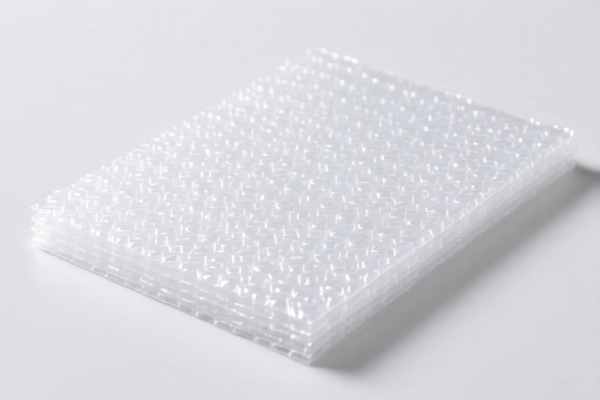
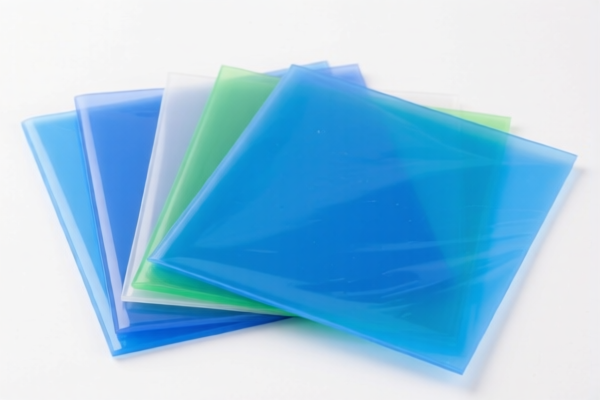

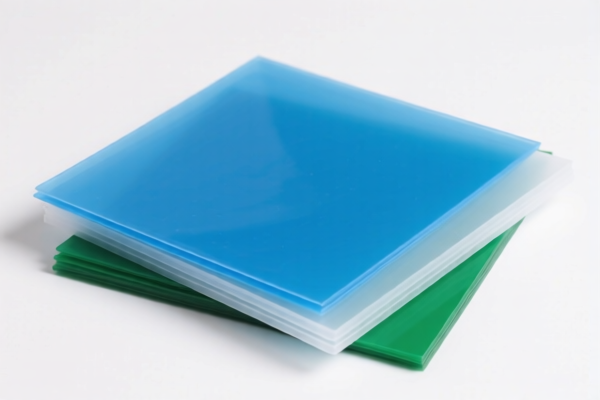
AI Analysis
🧪 Polymer Plastic Sheet (Polyvinyl Chloride & Vinyl Polymers)
🌐 HS Code Reference & Customs Clearance Guide | 2026 Latest Tariff Analysis | Professional Clearance Strategy
📌 I. Product Definition & Classification: Do You Really Understand "Polymer Plastic Sheets"?
Polymer plastic sheets, primarily composed of Polyvinyl Chloride (PVC) and Vinyl Polymers, are versatile industrial materials used in construction, signage, medical devices, and packaging. In international trade, they are strictly categorized based on their physical form (sheet/film/plate) and chemical state (plasticized vs. non-plasticized, primary form vs. processed).
Two Main Categories: 1. Self-Adhesive/Flat Vinyl Sheets (HS 3919): Finished sheets, often self-adhesive, ready for direct application (e.g., wall coverings, decals). 2. Raw/Unprocessed Sheets (HS 3904/3920): Sheets in primary or semi-processed forms, requiring further manufacturing (e.g., cutting, lamination, printing) before final use.
⚠️ Key Distinction Point:
- If the sheet is self-adhesive or finished as a flat plastic product → Look at HS 3919.
- If the sheet is non-plasticized PVC in primary form → Look at HS 3904.
- If the sheet is PVC plates/sheets/films (general use) → Look at HS 3920.
📦 II. HS Code Classification Details (2026 Latest Tariff Authority Match)
| HS Code | Product Description | Summary | Total Tax Rate | Tax Breakdown |
|---|---|---|---|---|
3920.43.50.00 |
PVC Sheets (Plate/Sheet/Film) | Matches plate, sheet, and film classification | 39.2% | Base: 4.2% Additional: 25.0% Section 122: 10% |
3920.49.00.00 |
Other Vinyl Polymer Sheets | Matches plate, sheet, and film category | 40.8% | Base: 5.8% Additional: 25.0% Section 122: 10% |
3919.90.50.60 |
PVC Sheets (Self-Adhesive) | Matches plastic self-adhesive flat shape classification | 40.8% | Base: 5.8% Additional: 25.0% Section 122: 10% |
3904.21.00.00 |
Non-Plasticized PVC Sheets | Matches primary form characteristics | 41.5% | Base: 6.5% Additional: 25.0% Section 122: 10% |
3919.90.50.40 |
PVC Sheets (Flat Shape) | Belongs to plastic flat shape goods | 40.8% | Base: 5.8% Additional: 25.0% Section 122: 10% |
3904.10.00.00 |
Vinyl Polymer Sheets | Matches primary form definition | 41.5% | Base: 6.5% Additional: 25.0% Section 122: 10% |
🔍 Key Insight:
- Non-plasticized PVC (3904) carries the highest base tariff (6.5%), leading to the highest total tax rate (41.5%).
- PVC Sheets/Films (3920) have the lowest base tariff (4.2%), resulting in the lowest total tax rate (39.2%).
- Self-adhesive/Final Shape (3919) and Other Vinyl (3920.49) share the same total rate (40.8%).
💰 III. 2026 Latest Tariff Rate Details (Including Additional Taxes)
✅ Applicable Country: United States (US)
✅ Origin: China (CN)
✅ Effective Time: 2025 onwards (including subsequent imports)
🎯 1. 3920.43.50.00 —— PVC Sheets (Plate/Sheet/Film)
Best for: General-purpose PVC sheets not specified as self-adhesive or non-plasticized primary form.
| Item | Content |
|---|---|
| Base Tariff | 4.2% (ad valorem) |
| Section 301 Additional Tax | +25.0% |
| Section 122 Tax | +10.0% |
| Total Tax Rate | 39.2% |
| Tax Calculation | CIF Value × 39.2% |
| De Minimis Exemption | ❌ Not Available (deny_de_minimis) |
| Legal Basis Path | USITC:3920.43.50.00 → Section 301: 25% → Section 122: 10% |
📌 Explanation:
- This code is for standard PVC sheets.
- The 39.2% rate is the most competitive among all listed codes due to the lower base tariff.
- Must not be classified as "non-plasticized primary form" (which jumps to 41.5%).
🎯 2. 3920.49.00.00 & 3919.90.50.60 & 3919.90.50.40 —— Other Vinyl & Self-Adhesive Sheets
Best for: Non-standard PVC sheets, self-adhesive tapes, or specific flat plastic shapes.
| Item | Content |
|---|---|
| Base Tariff | 5.8% (ad valorem) |
| Section 301 Additional Tax | +25.0% |
| Section 122 Tax | +10.0% |
| Total Tax Rate | 40.8% |
| Tax Calculation | CIF Value × 40.8% |
| De Minimis Exemption | ❌ Not Available (deny_de_minimis) |
| Legal Basis Path | USITC:3919/3920 codes → Section 301: 25% → Section 122: 10% |
📌 Note:
- These codes apply if the product is self-adhesive (3919) or other vinyl polymers not specified in 3920.43.
- The base rate is higher (5.8%) than general PVC sheets (4.2%), so total tax is higher.
🎯 3. 3904.21.00.00 & 3904.10.00.00 —— Non-Plasticized PVC / Vinyl Polymers (Primary Form)
Best for: Raw PVC resin sheets or primary form polymers before plasticization.
| Item | Content |
|---|---|
| Base Tariff | 6.5% (ad valorem) |
| Section 301 Additional Tax | +25.0% |
| Section 122 Tax | +10.0% |
| Total Tax Rate | 41.5% |
| Tax Calculation | CIF Value × 41.5% |
| De Minimis Exemption | ❌ Not Available (deny_de_minimis) |
| Legal Basis Path | USITC:3904 codes → Section 301: 25% → Section 122: 10% |
📌 Warning:
- Highest Tax Rate (41.5%).
- Only use if the product is strictly non-plasticized PVC or vinyl polymer in primary form.
- If your sheet is plasticized (flexible, common in construction), DO NOT use this code.
🛠️ IV. Customs Clearance Practical Advice (Battle-Tested Pitfall Guide)
✅ 1. Required Document Checklist (No Exceptions)
| Document | Required | Explanation |
|---|---|---|
| ✅ Product Specification Sheet | ✔️ | Must specify: Plasticized vs. Non-Plasticized, Thickness, Width, Material Composition (PVC %) |
| ✅ Photos (Label/Packaging) | ✔️ | Clear images of the product, including any "Self-Adhesive" labels or "Non-Plasticized" warnings |
| ✅ Commercial Invoice | ✔️ | Must clearly state "Polymer Plastic Sheet" and specify HS Code |
| ✅ Packing List | ✔️ | Detailed weight and dimensions |
| ✅ Certificate of Origin (CO) | ✔️ | To prove origin (China) and apply correct tariffs |
| ✅ Material Safety Data Sheet (MSDS) | ✔️ | May be required for chemical compliance |
✅ 2. Declaration Tips (Key Mnemonics)
🔥 "Plasticized? Go 3920. Non-Plasticized? 3904. Self-Adhesive? 3919."
| Scenario | Correct HS Code | Wrong Code | Consequence |
|---|---|---|---|
| Flexible PVC sheet (plasticized) | 3920.43.50.00 |
3904.21.00.00 |
Overpaid tax (39.2% vs 41.5%) + Risk of audit |
| Self-adhesive PVC roll | 3919.90.50.60 |
3920.43.50.00 |
Misclassification; may lead to duty adjustment |
| Raw PVC Resin Sheet (non-plasticized) | 3904.21.00.00 |
3920.43.50.00 |
Under-declared tariff (41.5% vs 39.2%) → Penalties & Back Taxes |
| Other Vinyl Polymer Sheet | 3920.49.00.00 |
3904.10.00.00 |
Misclassification; unclear origin/state |
✅ 3. Special Case Handling
| Scenario | Handling Advice |
|---|---|
| Multi-layer Laminated Sheets | If layers include non-plasticized PVC, declare as 3904 (highest component rule may apply). Verify layer composition. |
| PVC Sheets with Printing | If printing is decorative only, still 3920. If it becomes a finished sign, consider 3919. |
| Sample Imports | Even samples are subject to 39.2%-41.5% duties. No de minimis exemption. |
| OEM Custom Sizes | Provide custom size specs. If cut to size, ensure it’s still "sheet" (not "article") to stay in Chapter 39. |
🌍 V. Global Market Comparison (2026 Latest)
| Country/Region | Recommended HS Code | Tariff Rate | Certification Requirement | Notes |
|---|---|---|---|---|
| 🇺🇸 USA | 3920.43.50.00 |
39.2% | None specific | Highest total tax due to 301 + 122 |
| 🇨🇳 China | 3920.43.50.00 |
~5-8% | CCC (if applicable) | Lower base tariff, no Section 301 |
| 🇪🇺 EU | 3920.43.50.00 |
~6.5% | REACH + RoHS | No additional tariffs |
| 🇬🇧 UK | 3920.43.50.00 |
~6.5% | UKCA + REACH | Post-Brexit alignment with EU |
| 🇨🇦 Canada | 3920.43.50.00 |
~5-10% | None specific | NAFTA/USMCA may apply if from Mexico/US |
📌 Conclusion:
- USA imposes the highest effective duty (39.2%-41.5%) due to Section 301 and Section 122 tariffs.
- China, EU, and other regions have significantly lower tariffs (<10%).
- Strategic Tip: If importing to the US, consider supply chain diversification (e.g., source from Vietnam or Mexico) if possible, to avoid high tariffs.
📌 VI. Common Mistakes & Pitfall Guide (Blood & Tears Lessons)
❌ Mistake 1: Declaring plasticized PVC sheets as non-plasticized primary form (3904)
👉 Consequence: Overpaying tax (39.2% vs 41.5%? No, wait: 3904 is 41.5%, so declaring 3920 as 3904 means you overpay 2.3% per unit. But declaring 3904 as 3920 means underpaying, leading to penalties).
✅ Correction: Always verify if the PVC is plasticized (flexible) or non-plasticized (rigid/resin-like).
❌ Mistake 2: Declaring self-adhesive sheets as general PVC sheets (3920)
👉 Consequence: Misclassification. While tax rates are similar (40.8% vs 39.2%), customs may audit for finished goods vs. raw materials.
✅ Correction: Use 3919 for self-adhesive products to ensure accurate tracking.
❌ Mistake 3: Ignoring Section 122 Tariffs
👉 Consequence: Unexpected 10% charge on top of 301 tariffs.
✅ Correction: Always budget for Base + 301 (25%) + 122 (10%).
❌ Mistake 4: Using "Plastic Sheet" as a vague description
👉 Consequence: Customs cannot determine HS Code → Delay + Inspection.
✅ Correction: Use precise descriptions:
"PVC Polymer Sheet, Plasticized, Width 1.2m, Thickness 2mm, for Construction Waterproofing, Model ABC"
🎯 VII. Conclusion: Precision Classification Saves Money!
🎯 Remember the Mnemonic:
🔹 "Plasticized → 3920 (39.2%). Non-Plasticized → 3904 (41.5%). Self-Adhesive → 3919 (40.8%)."
🔹 "HS Code Determines Tax. 2.3% Difference Means Thousands in Savings."
📌 Pro Tip:
If your PVC sheets are imported from Vietnam, Mexico, or Thailand, they may be exempt from Section 301 Tariffs, reducing the total tax to Base + 122% (e.g., 4.2% + 10% = 14.2%).
Recommendation:
📞 Consult a licensed customs broker.
📋 Request an Advance Ruling from CBP for high-volume shipments.
🚀 Optimize your supply chain to minimize tariff impact.
✨ Professional Clearance Starts with Accurate Classification!
💼 Every Percent of Duty Saved is Profit Gained!
Customer Reviews
About HS Code Classification
The Harmonized System (HS) is an internationally standardized nomenclature developed by the World Customs Organization (WCO) to classify traded products. Over 200 countries use the HS system as the basis for customs tariffs, trade statistics, and import/export regulations.
Each HS code follows a hierarchical structure:
- Chapter (2 digits) — Broad category of goods (e.g., Chapter 84: Machinery and Mechanical Appliances)
- Heading (4 digits) — More specific grouping within the chapter
- Subheading (6 digits) — Internationally standardized breakdown, used by all WCO member countries
- National subdivisions (8-10 digits) — Country-specific extensions for further classification, such as US HTSUS 10-digit codes
Correct HS code classification is essential for smooth customs clearance, accurate duty payment, and compliance with trade regulations. Misclassification can lead to customs delays, overpayment of duties, or penalties.
When importing from CN to US, the applicable tariff rates may include:
- Most-Favored-Nation (MFN) rate — The standard duty rate applied to WTO members
- General rate — Applied to countries without trade agreements
- Trade remedy duties — Additional tariffs such as Section 301 (anti-dumping), Section 232 (national security), or countervailing duties
The information provided on this page is for reference purposes only. For official classification, please consult with your local customs authority or a licensed customs broker.