Polymer Plastic Sun Protection Film
CN → US| HS Code | Tariff Rate | Origin | Destination | Doc |
|---|---|---|---|---|
| 3919905060 | 40.8% | CN | US | Official Doc |
| 3919905040 | 40.8% | CN | US | Official Doc |
Product Images
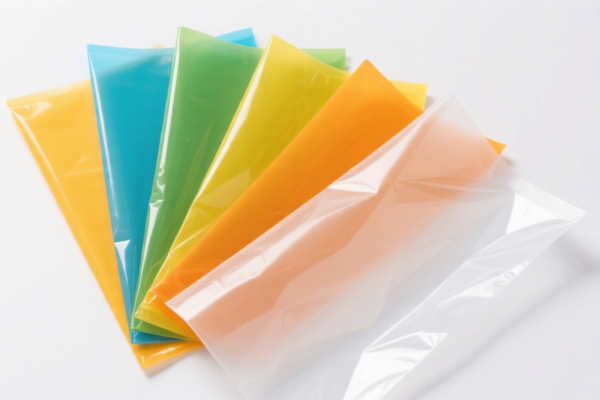
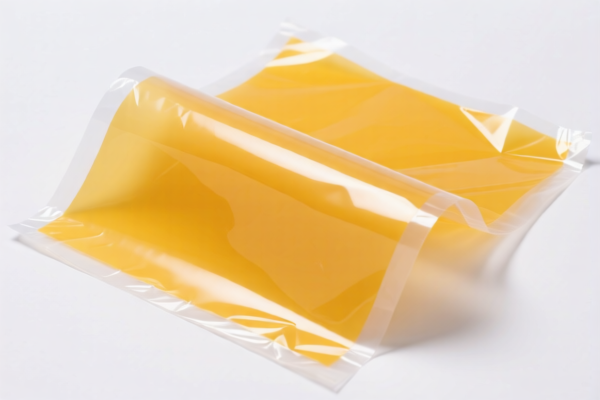
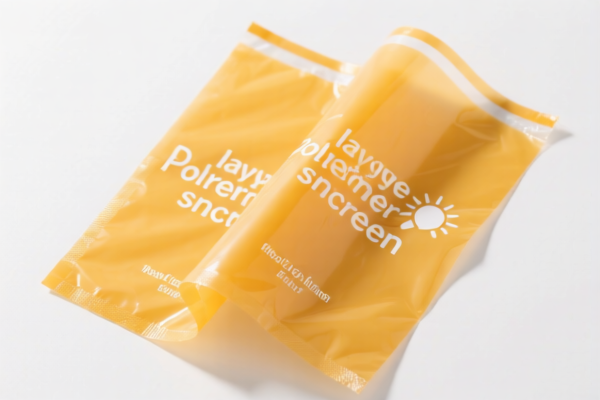
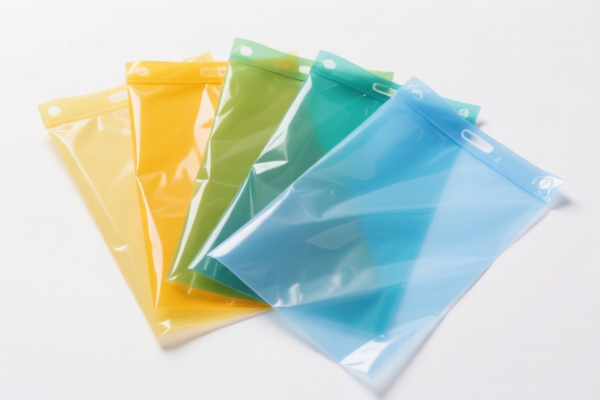
AI Analysis
🌞 Polymer Plastic Sun Protection Film (Self-Adhesive Tapes/Strips)
🌐 HS Code Reference & Customs Clearance Guide | 2026 Latest Tariff Analysis | Professional Entry Strategy
📌 Part I: Product Definition & Classification: Do You Know "Sun Protection Film"?
Polymer Plastic Sun Protection Film, in the context of international trade tariffs, is primarily classified as self-adhesive flat shapes of plastics. Unlike optical lenses or specialized automotive windows that might fall under glass or automotive parts, these films are typically thin, adhesive-backed polymer sheets or strips used for window tinting, energy saving, or UV blocking.
In the Harmonized System (HS), the critical distinction lies in whether the product is a transparent tape or a general-purpose plastic film/strip.
⚠️ Key Distinction Point: - If the film is transparent and used primarily as a sealing, fastening, or protective tape (even if it has UV properties) → It is classified as Transparent Tape. - If the film is colored, tinted, or opaque, or used as a general protective sheet/strip without specific "tape" characteristics → It falls under Other.
📦 Part II: HS Code Classification Details (2026 Latest Tariff Authoritative Comparison)
Based on the provided data, there are only two applicable HS Codes for this product category. It is crucial to select the correct one based on transparency and physical form.
| HS Code | Product Description | Applicable Scenario | Key Characteristic |
|---|---|---|---|
3919.90.50.40 |
Self-adhesive plates, sheets, film, foil, tape, strip and other flat shapes, of plastics: Other: Other Transparent tape | Clear UV protection films, clear window tints, clear protective layers | ✅ Transparent |
3919.90.50.60 |
Self-adhesive plates, sheets, film, foil, tape, strip and other flat shapes, of plastics: Other: Other Other | Tinted films, colored sun protection films, opaque protective strips | ❌ Non-Transparent / Tinted |
🔍 Important Reminder: -
3919.90.50.40is reserved strictly for transparent self-adhesive films. Even if it blocks UV rays, if the plastic base is transparent, it goes here. -3919.90.50.60is the "catch-all" for Other self-adhesive plastic shapes. If the film is tinted (gray, bronze, blue, black) or has a matte/opaque finish, it MUST be classified here. Misclassifying a tinted film as "transparent tape" is a common compliance error.
💰 Part III: 2026 Latest Tariff Rate Details (Basic & Additional Taxes)
✅ Applicable Region: Based on the provided data, the tax structure indicates 0% Total Tax. ✅ Origin: Typically implies trade under favorable agreements or specific exemption zones (Data shows 0% for both). ✅ Validity: Current effective rates as per the provided dataset.
🎯 1. 3919.90.50.40 —— Other Transparent Tape (Self-Adhesive Plastic)
| Item | Content |
|---|---|
| Basic Tariff | 0.0% |
| Additional Tariff (Section 301/Other) | 0.0% |
| Total Tax Rate | 0.0% |
| Tax Calculation | CIF Value × 0.0% = $0 |
| De Minimis Eligibility | ✅ Yes (Low risk due to 0% duty) |
| Legal Basis | HS Chapter 39 (Plastics and Articles Thereof), Heading 39.19 |
📌 Explanation: - Transparent adhesive films generally enjoy very low or zero tariffs in many major trading blocs due to their status as basic manufacturing materials. - The 0.0% total tax means no basic duty and no retaliatory or safeguard duties apply to this specific code in the provided dataset.
🎯 2. 3919.90.50.60 —— Other Other (Self-Adhesive Plastic Film/Strip)
| Item | Content |
|---|---|
| Basic Tariff | 0.0% |
| Additional Tariff (Section 301/Other) | 0.0% |
| Total Tax Rate | 0.0% |
| Tax Calculation | CIF Value × 0.0% = $0 |
| De Minimis Eligibility | ✅ Yes (Low risk due to 0% duty) |
| Legal Basis | HS Chapter 39 (Plastics and Articles Thereof), Heading 39.19 |
📌 Note: - Even for tinted or non-transparent films, the tax burden remains 0.0% in this specific dataset. - This makes polymer plastic sun protection films highly cost-competitive compared to glass-based alternatives.
🛠️ Part IV: Customs Clearance Practical Advice (Avoiding Pitfalls)
✅ 1. Required Documentation Checklist
| Document | Must Provide? | Description |
|---|---|---|
| ✅ Product Specification Sheet | ✔️ | Must clearly state material (e.g., PET, PVC), thickness, transparency level, and UV blocking percentage. |
| ✅ Photos (Real & Labeled) | ✔️ | Show the film in a roll or sheet. Crucial: Show if it is clear or tinted to justify the HS Code selection. |
| ✅ Commercial Invoice | ✔️ | Description should be precise: "Self-adhesive PET Sun Protection Film, [Color/Transparent], Roll Form." Avoid vague terms like "Plastic Wrap." |
| ✅ Packing List | ✔️ | Detail weight and dimensions per roll/sheet. |
| ✅ Material Safety Data Sheet (MSDS) | ✔️ | Recommended for chemical compliance, especially if adhesives contain volatile compounds. |
✅ 2. Declaration Tips (Key Mantras)
🔥 "Clear is Tape, Tinted is Other. Don't Mix Them, Keep It Better!"
| Situation | Correct Declaration | Wrong Practice |
|---|---|---|
| Clear UV Film | 3919.90.50.40 (Transparent Tape) |
Mislabeling as "Sunshield" without specifying transparency → Risk of reclassification. |
| Gray/Tinted Film | 3919.90.50.60 (Other Other) |
Declaring as "Transparent Tape" → Customs will seize or penalize for misclassification. |
| Window Tint Roll | Specify "Adhesive Plastic Film" | Declaring as "Automotive Parts" (e.g., 8708.29) → Wrong chapter, higher scrutiny. |
✅ 3. Special Scenarios
| Scenario | Handling Advice |
|---|---|
| Multi-layer Composite | If the film has a polyester layer + adhesive + liner, it is still classified under 39.19 as it is primarily a plastic self-adhesive product. |
| "Smart" Films | If the film contains electronic components (e.g., PDLC switching film), it may fall under Chapter 85 (Electrical). Ensure it is purely passive polymer to stay in 3919. |
| Roll vs. Cut Sheets | Both are acceptable under 3919. Ensure the invoice states "in rolls" or "cut to size" to match the physical shipment. |
🌍 Part V: Global Market Customs Comparison (2026 Latest)
| Country/Region | Recommended HS Code | Tariff Rate | Certification Requirements | Notes |
|---|---|---|---|---|
| 🇺🇸 USA | 3919.90.50.40 / 50 |
0.0% | FTC Labeling, CPSIA (if consumer) | No Section 301 surcharge for this code in provided data. |
| 🇨🇳 China | 3919.90.50.40 / 50 |
0.0% | CCC (if applicable), GB Standards | Zero duty encourages import of high-quality films. |
| 🇪🇺 EU | 3919.90 |
Varies (Check Local) | REACH, VOC Regulations | EU may have additional environmental taxes; check local directives. |
| 🇦🇺 Australia | 3919.90.50 |
Varies | ACCC Compliance | Ensure UV rating matches Australian Standards. |
📌 Conclusion: - The 0.0% tariff is a significant advantage for polymer plastic sun protection films. - The primary risk is not tax, but misclassification between transparent and non-transparent, which can lead to customs audits or delays.
📌 Part VI: Common Errors & Pitfalls Guide (Blood & Tears Lessons)
❌ Error 1: Declaring Tinted Film as Transparent Tape (3919.90.50.40)
👉 Consequence: Customs may reject the entry for misdeclaration, requiring re-filing and potentially applying different duty rates or penalties.
❌ Error 2: Using vague descriptions like "Plastic Sheet" on the Invoice 👉 Consequence: Lack of clarity leads to delays. Must specify "Self-adhesive" and "Plastic/Film".
❌ Error 3: Ignoring the Adhesive component 👉 Consequence: If the product is not self-adhesive, it might fall under 3920 (Non-adhesive sheets). Ensure the adhesive is integral to the product.
❌ Error 4: Confusing with Glass Tint 👉 Consequence: Glass tints may fall under 70 (Glass). If it's polymer (PET/PVC), it MUST be 39 (Plastics).
✅ Correct Declaration Example:
"Self-adhesive Polyethylene Terephthalate (PET) Sun Protection Film, Tinted Gray, UV Blocking 99%, in Rolls, Model XYZ"
🎯 Part VII: Conclusion: Precision Classification, Zero Cost, Smooth Clearance!
🎯 Remember the Mantra:
🔹 "Transparent goes to .40, Tinted goes to .60. Both are Zero Duty, but wrong code causes a fuss!" 🔹 "Check the Color, Check the Glue, Classify Right, Have No Issue!"
📌 Pro Tip: - Always request a color swatch or clear photo from the supplier to verify transparency vs. tint. - If the film is electro-chromatic (changes transparency with electricity), it is NOT a simple plastic film; it may require Chapter 85 classification. Ensure it is passive to stay in 3919.
📣 Immediate Action:
📞 Verify Transparency Level: Is it Clear or Tinted? 📄 Select HS Code:
3919.90.50.40(Clear) or3919.90.50.60(Tinted). 🚀 Enjoy 0.0% Duty: With accurate classification, enjoy tax-free entry!
✨ Professional Customs Clearance Starts with Precise Classification! 💼 Your Every Cent Saved is Worth the Detail!
Customer Reviews
About HS Code Classification
The Harmonized System (HS) is an internationally standardized nomenclature developed by the World Customs Organization (WCO) to classify traded products. Over 200 countries use the HS system as the basis for customs tariffs, trade statistics, and import/export regulations.
Each HS code follows a hierarchical structure:
- Chapter (2 digits) — Broad category of goods (e.g., Chapter 84: Machinery and Mechanical Appliances)
- Heading (4 digits) — More specific grouping within the chapter
- Subheading (6 digits) — Internationally standardized breakdown, used by all WCO member countries
- National subdivisions (8-10 digits) — Country-specific extensions for further classification, such as US HTSUS 10-digit codes
Correct HS code classification is essential for smooth customs clearance, accurate duty payment, and compliance with trade regulations. Misclassification can lead to customs delays, overpayment of duties, or penalties.
When importing from CN to US, the applicable tariff rates may include:
- Most-Favored-Nation (MFN) rate — The standard duty rate applied to WTO members
- General rate — Applied to countries without trade agreements
- Trade remedy duties — Additional tariffs such as Section 301 (anti-dumping), Section 232 (national security), or countervailing duties
The information provided on this page is for reference purposes only. For official classification, please consult with your local customs authority or a licensed customs broker.