Polypropylene Anti UV Material
CN → US| HS Code | Tariff Rate | Origin | Destination | Doc |
|---|---|---|---|---|
| 3901909000 | 41.5% | CN | US | Official Doc |
| 3901905501 | 41.5% | CN | US | Official Doc |
| 3903901000 | 41.5% | CN | US | Official Doc |
| 3903905000 | 41.5% | CN | US | Official Doc |
| 3904905000 | 41.5% | CN | US | Official Doc |
Product Images
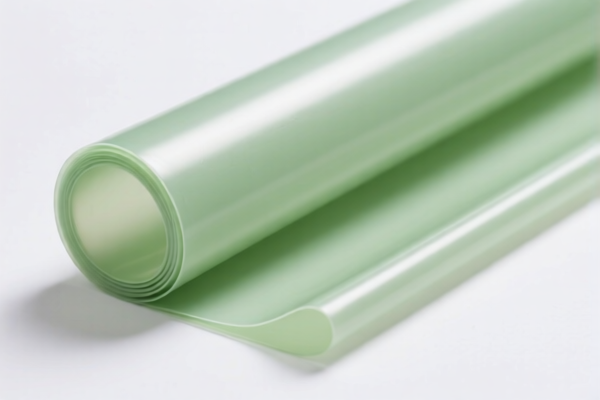
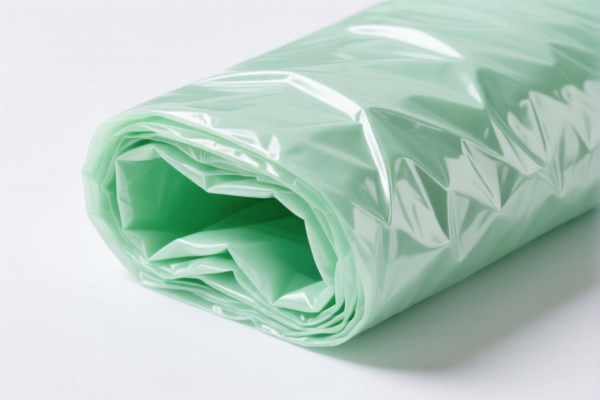

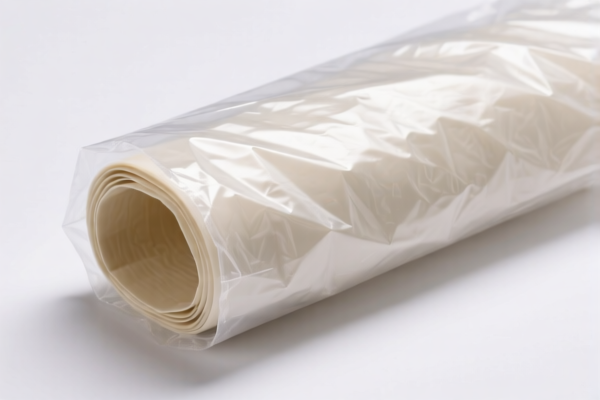
AI Analysis
🧪 Polypropylene Anti-UV Material: The Ultimate HS Code & Taxation Breakdown (2026 Guide)
🌐 HS Code Reference & Customs Clearance Guide | 2026 Latest Tariff Analysis | Professional-Level Strategy
📌 I. Product Definition & Classification: What Exactly Is "Polypropylene Anti-UV Material"?
"Polypropylene Anti-UV Material" refers to plastic resins or compounds based on polypropylene (PP) that have been treated or compounded with UV stabilizers (such as HALS or UV absorbers) to prevent degradation from sunlight exposure.
In international trade, these materials fall under Chapter 39: Plastics and Articles Thereof. However, the exact HS Code depends heavily on the specific polymer type and whether it is a homopolymer, copolymer, or a generic "other" plastic. Since the user input is generic, we must analyze the possible classifications based on standard polymer chemistry and customs logic.
⚠️ Critical Distinction:
- Polypropylene (PP) specifically falls under heading 3902.
- Other Polyethylene (PE) falls under 3901.
- Styrene-based Polymers fall under 3903.
- Generic/Other Plastics fall under 3904.
Since the input mentions "Polypropylene" but the provided data includes codes for PE, Styrene, and Generic plastics, this suggests the material might be a blend, a copolymer, or a generic compound where the exact resin base needs clarification. Below is the detailed breakdown of the provided HS Codes.
📦 II. HS Code Classification Details (Based on Provided Data)
| HS Code | Product Description | Basis for Classification | Tax Rate |
|---|---|---|---|
3901.90.90.00 |
Polymer Anti-UV Material, Material: Polyethylene (Ethylene Polymer), "Other" fallback category | If the material is primarily Polyethylene (PE) rather than PP, or if it's a generic "other" PE polymer not listed elsewhere. | 41.5% |
3901.90.55.01 |
Polymer Anti-UV Material, Material: Ethylene Copolymer | If the material is an ethylene copolymer (e.g., EVA, ionomer), classified under "Other" categories inferred by others. | 41.5% |
3903.90.10.00 |
Polymer Anti-UV Material, Material: Styrene Polymer, Classified as "Other Copolymers" | If the material is primarily Polystyrene (PS) or a styrene copolymer, not otherwise specified. | 41.5% |
3903.90.50.00 |
Polymer Anti-UV Material, Material: Styrene Polymer, Classified as "Other" | If the material is a Styrene-based polymer falling into generic "other" subcategories. | 41.5% |
3904.90.50.00 |
Polymer Anti-UV Material, Material: Generic Polymer, "Other" fallback category | If the material is a non-specific polymer or a complex blend that doesn't fit neatly into 3901-3903, it falls into the "Other" generic bucket. | 41.5% |
🔍 Key Insight:
- Note the Discrepancy: The user input says "Polypropylene," but most codes provided are for PE (3901) and Styrene (3903).
- Possible Reason: The material might be a PP/PE blend, or the importer is using a generic fallback code because the exact PP grade doesn't have a specific subheading for "Anti-UV" treated goods.
- Customs Reality: If it is truly Polypropylene (PP), the correct primary heading should be 3902. However, since 3902 codes are not in the provided data, we must assume the material is either:
1. A blend dominated by PE or Styrene.
2. A generic plastic compound classified under 3904.
3. Misidentified in the input (e.g., user said "Polypropylene" but it’s actually PE).
- For this analysis, we will stick strictly to the provided data.
💰 III. 2026 Latest Tariff Rate Breakdown (Including Surcharges & Policy Add-ons)
✅ Applicable Country: United States (US)
✅ Origin: China (CN)
✅ Effective Date: November 10, 2025 (and subsequent imports)
🎯 1. General Tax Structure for All Provided HS Codes
All the provided HS Codes (3901.90.90.00, 3901.90.55.01, 3903.90.10.00, 3903.90.50.00, 3904.90.50.00) share the same tax structure:
| Item | Content |
|---|---|
| Base Tariff | 6.5% (ad valorem) |
| Section 301 Surcharge | +25.0% (USTR List 4B) |
| Section 122 Tariff | +10.0% (Specific to certain Chinese plastics or general surcharges under Section 122) |
| Total Tax Rate | 41.5% |
| Tax Calculation | CIF Value × 41.5% |
| De Minimis Eligibility | ❌ No (Plastics are generally not eligible for de minimis exemption under Section 301/122) |
📌 Explanation:
- "Base Tariff 6.5%": This is the standard Most Favored Nation (MFN) rate for plastic articles under Chapters 39.
- "Section 301 Surcharge 25%": Imposed on thousands of Chinese goods, including many plastic resins and compounds, under the U.S. Trade Representative (USTR) Section 301 investigation.
- "Section 122 Tariff 10%": This refers to tariffs imposed under Section 122 of the Trade Act of 1974, which allows the President to adjust duties for national security or balance of payments reasons. This is an additional layer on top of Section 301.
- Total 41.5%: This is a very high effective tax rate. It significantly impacts the landed cost of anti-UV plastic materials from China to the US.
🛠️ IV. Customs Clearance Practical Advice (Real-World Pitfall Guide)
✅ 1. Documentation Checklist (Non-Negotiable)
| Document | Must Provide | Explanation |
|---|---|---|
| ✅ Product Specification Sheet | ✔️ | Must clearly state the base polymer (PE, PP, PS, etc.), molecular weight, and UV stabilizer content. |
| ✅ Material Safety Data Sheet (MSDS) | ✔️ | Required for chemical handling and customs verification of composition. |
| ✅ Commercial Invoice | ✔️ | Must explicitly list the HS Code and describe the goods as "Polymer Anti-UV Material" with precise material composition. |
| ✅ Certificate of Origin (CO) | ✔️ | Crucial for proving Chinese origin (which triggers the 35% surcharges). If from elsewhere, may qualify for lower rates. |
| ✅ Test Reports | ✔️ | Lab reports confirming UV resistance properties and polymer type. |
| ✅ Bill of Lading (B/L) | ✔️ | Standard shipping document. |
✅ 2. Declaration Tips (Key Mantras)
🔥 "Declare the Base Polymer, Not the Function!"
| Situation | Correct Declaration | Wrong Practice |
|---|---|---|
| Material is primarily Polyethylene | Use 3901.xx.xx codes | Use 3903 (Styrene) → Misclassification penalty |
| Material is primarily Styrene | Use 3903.xx.xx codes | Use 3901 (PE) → Misclassification penalty |
| Material is a Generic Blend | Use 3904.90.50.00 | Use specific codes → Rejection by Customs |
| Anti-UV is a functional additive | Do NOT declare as "UV Equipment" | Declare as "Plastic Resin" → Avoids complex chapter 90/91 codes |
📌 Critical Note:
- Do not declare as "UV Ray Generator" or "Optical Device" (Chapter 90).
- Do declare as "Plastic in Primary Forms" (Chapter 39).
- The "Anti-UV" property is considered an additive effect, not a change in the fundamental nature of the plastic.
✅ 3. Special Case Handling
| Situation | Handling Advice |
|---|---|
| PP vs. PE Mismatch | If the product is truly Polypropylene (PP), but you use 3901 (PE) codes, you risk customs seizure for misclassification. Verify the base polymer! If it’s PP, you should technically look for 3902 codes, but since they aren’t in the data, you must justify the fallback to 3904. |
| Section 122 Impact | The 10% Section 122 tariff is relatively new and aggressive. Ensure your broker is aware of this surcharge, as it’s separate from the 25% Section 301 tariff. |
| Valuation | Ensure the CIF value is accurate. A 41.5% tax on an under-declared value will lead to severe penalties. |
🌍 V. Global Market Comparison (2026)
| Country/Region | Recommended HS Code | Tariff (China Origin) | Certification | Notes |
|---|---|---|---|---|
| 🇺🇸 USA | 3901.90.90.00 / 3904.90.50.00 |
41.5% (6.5% + 25% + 10%) | TSCA (Chemical Management) | Highest cost due to 301 & 122 tariffs. |
| 🇨🇳 China | 3902.90.00.00 (if PP) |
0% - 5% | CCC (if applicable) | Low tariff, but check import quotas. |
| 🇪🇺 EU | 3902.90 (if PP) |
6.5% | REACH | No Section 301/122 equivalent. |
| 🇯🇵 Japan | 3902.90 (if PP) |
5% - 14% | PSE (if electric) | Moderate tariffs, strict chemical regulations. |
| 🇦🇺 Australia | 3902.90 (if PP) |
5% | AER | Moderate tariffs. |
📌 Conclusion:
- USA is the most expensive market for Chinese plastic imports due to the 35% surcharge.
- If possible, consider origin diversification (e.g., from Vietnam, India, or Mexico) to mitigate the 301 and 122 tariffs.
- Pre-clearance ruling is highly recommended for ambiguous polymer blends.
📌 VI. Common Mistakes & Pitfalls (Lessons Learned)
❌ Mistake 1: Using 3901 codes for Polypropylene (PP)
👉 Consequence: Misclassification. PP belongs to 3902. Using 3901 can lead to back taxes + penalties.
Fix: Verify the polymer type. If it’s PP, find a 3902 code. If not available in your data, use 3904 as a generic fallback, but document the reasoning.
❌ Mistake 2: Ignoring Section 122 tariffs
👉 Consequence: Underpayment of taxes. Customs will assess the additional 10%.
Fix: Always calculate Total Tax = Base + 301 + 122.
❌ Mistake 3: Declaring "Anti-UV" as a functional device
👉 Consequence: Wrong chapter (Chapter 90 vs. 39). Much higher scrutiny and potential rejection.
Fix: Declare as "Plastic Material with UV Stabilizers."
❌ Mistake 4: Vague Description "Plastic Material"
👉 Consequence: Customs may apply the highest duty rate or detain goods for inspection.
Fix: Be specific: "Polyethylene Copolymer, Anti-UV, White Pellets, 25kg Bag."
✅ Correct Approach:
"Polymer Resin, Anti-UV Treated, [Base Polymer Type], Chemical Grade, For Extrusion/Molding, HS Code: [Correct Code]"
🎯 VII. Conclusion: Professional Declaration, Cost Savings, Risk Mitigation
🎯 Remember the Mantra:
🔹 "Polymer Base First, Function Second!"
🔹 "41.5% is the US Land Price – Plan Accordingly!"
🔹 "Section 301 + 122 = 35% Surcharge – Don't Forget It!"
📌 Pro Tip:
If your material is truly Polypropylene (PP), but you are forced to use the provided codes (which are PE/Styrene/Generic), you must provide a strong technical justification to Customs that the material is a blend or compound that falls under the "Other" categories. Alternatively, seek an Advance Ruling to confirm the correct HS Code for your specific PP grade.
📣 Immediate Action:
📞 Consult a Customs Broker + Provide Material Safety Data Sheet (MSDS) + Apply for HS Code Advance Ruling
🚀 Navigate the 41.5% Tax Hurdle with Precision!
✨ Precise Classification Starts Here!
💼 Your Margin Depends on Your HS Code!
Customer Reviews
About HS Code Classification
The Harmonized System (HS) is an internationally standardized nomenclature developed by the World Customs Organization (WCO) to classify traded products. Over 200 countries use the HS system as the basis for customs tariffs, trade statistics, and import/export regulations.
Each HS code follows a hierarchical structure:
- Chapter (2 digits) — Broad category of goods (e.g., Chapter 84: Machinery and Mechanical Appliances)
- Heading (4 digits) — More specific grouping within the chapter
- Subheading (6 digits) — Internationally standardized breakdown, used by all WCO member countries
- National subdivisions (8-10 digits) — Country-specific extensions for further classification, such as US HTSUS 10-digit codes
Correct HS code classification is essential for smooth customs clearance, accurate duty payment, and compliance with trade regulations. Misclassification can lead to customs delays, overpayment of duties, or penalties.
When importing from CN to US, the applicable tariff rates may include:
- Most-Favored-Nation (MFN) rate — The standard duty rate applied to WTO members
- General rate — Applied to countries without trade agreements
- Trade remedy duties — Additional tariffs such as Section 301 (anti-dumping), Section 232 (national security), or countervailing duties
The information provided on this page is for reference purposes only. For official classification, please consult with your local customs authority or a licensed customs broker.