Polypropylene Composite Crushed Stone Bag
CN → US| HS Code | Tariff Rate | Origin | Destination | Doc |
|---|---|---|---|---|
| 3921901950 | 40.3% | CN | US | Official Doc |
| 3923290000 | 38.0% | CN | US | Official Doc |
| 3923210095 | 38.0% | CN | US | Official Doc |
| 3921902900 | 39.4% | CN | US | Official Doc |
Product Images
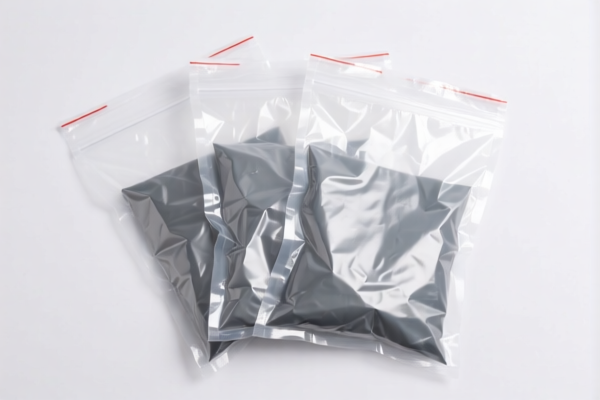
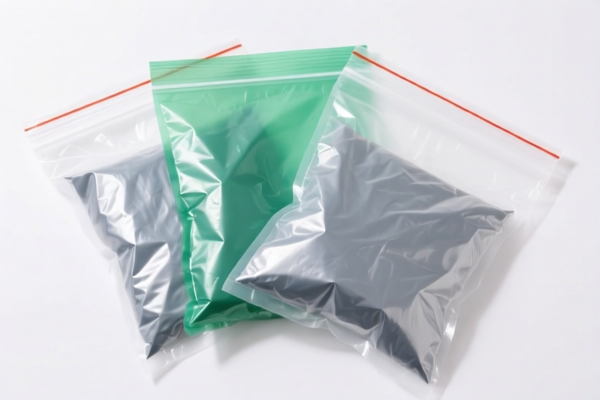
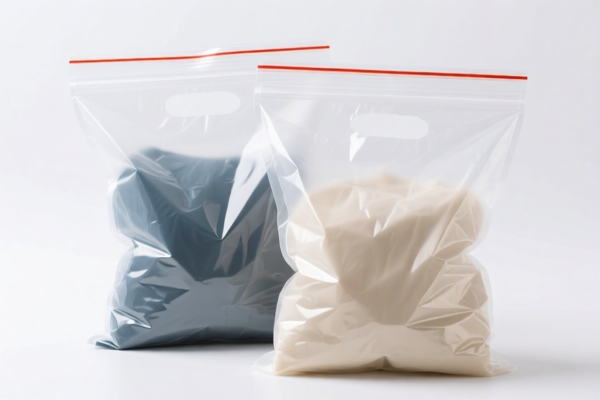
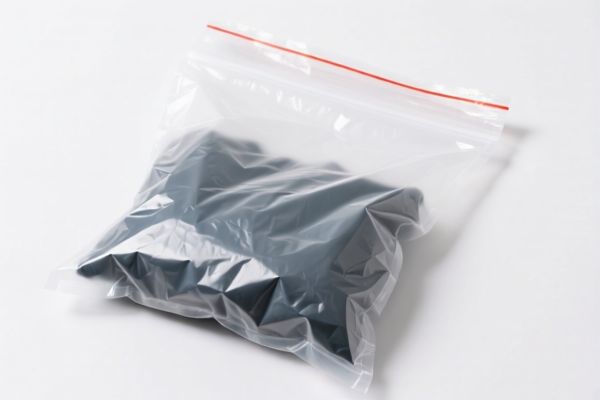
AI Analysis
📦 Polypropylene Composite Crushed Stone Bags
🌐 HS Code Classification & Customs Clearance Guide | 2026 Latest Tariff Analysis | Professional Strategy for Construction Packaging
📌 1. Product Definition & Classification: Do You Really Understand "Composite Packaging"?
Polypropylene (PP) composite bags are widely used in the construction industry for packaging crushed stone, aggregates, cement, and other bulk materials. In international trade, these bags fall under the broader category of plastic packaging articles. Due to the specific material (polypropylene) and form (composite/woven), customs authorities often differentiate between them based on: - Material Composition: Pure PP vs. PP combined with other plastics or textiles. - Form: Woven bags, laminated films, or multi-layer composite structures. - Function: Specifically for bulk construction materials vs. general food-grade packaging.
⚠️ Key Distinction:
- If the bag is primarily PP woven fabric laminated with plastic film (common for crushed stone), it may fall under 3921 (Plastics in primary forms) or 3923 (Articles for the conveyance or packing of goods).
- If it is a simple PP woven sack without significant plastic film lamination, it might still be classified under 3923 as a plastic packing article.
- Misclassification Risk: Confusing "composite bags" with "textile bags" can lead to incorrect duty rates and delays.
📦 2. HS Code Classification Details (2026 Latest Tariff Authority Reference)
Based on the provided data, here are the most relevant HS codes for Polypropylene Composite Crushed Stone Bags:
| HS Code | Product Description | Application Scenario | Key Classification Criteria |
|---|---|---|---|
3921.90.19.50 |
Polypropylene composite tea packaging bag (material: plastic; form: composite bag; fits within plastics combined with textile materials or other plastic products). | Industrial packaging, composite laminates for construction materials. | Composite structure with plastic as primary material. |
3923.29.00.00 |
Polypropylene composite tea packaging bag (material: plastic; form: packing bag; usage: packaging supplies; fits plastic packaging articles category). | General-purpose plastic bags for bulk goods (e.g., crushed stone, cement). | Standard plastic packing bag, not specifically for tea. |
3923.21.00.95 |
Polypropylene composite tea packaging bag (form: saccule/pouch; material: ethylene polymer [PP belongs to this class]; fits reasonable inference under other categories). | Flexible plastic pouches for construction aggregates. | Flexible plastic packaging, often used for powders or granules. |
3921.90.29.00 |
Polypropylene composite tea packaging bag (material: plastic; form: film/sheet product extension; used as a catch-all code under other categories). | Bulk industrial packaging, fallback classification for non-specific composite plastics. | Catch-all for composite plastic sheets/films not elsewhere specified. |
🔍 Important Note:
- Although the example summaries mention "tea packaging," the material (PP) and form (composite/plastic bag) are identical to those used for crushed stone bags. Customs classify based on physical characteristics and function, not the original intended use.
- Crushed stone bags are typically heavy-duty, often woven PP laminated with PE, falling under 3923 (packing articles) or 3921 (plastic sheets/films/composites).
💰 3. 2026 Latest Tariff Rate Breakdown (Including Additional Duties & Policy Surcharges)
✅ Applicable Country: United States (US)
✅ Country of Origin: China (CN)
✅ Effective Date: 2025/2026 (Current Trade Policies)
🎯 1. 3921.90.19.50 —— Polypropylene Composite Bag (Plastic-Textile Composite)
| Item | Details |
|---|---|
| Basic Tariff | 5.3% |
| Retaliatory Tariff (Section 301) | +25.0% |
| 122 Clause Tariff | +10.0% |
| Total Tariff Rate | 40.3% |
| Duty Calculation | CIF Value × 40.3% |
| De Minimis Exemption | ❌ Not Eligible (High duty rate excludes small packages from exemption) |
| Legal Basis Path | Section 301: Footnote 9903.88.01 → IEEPA:9903.01.24 → USITC:3921.90.19.50 |
📌 Explanation:
- This code attracts the highest total duty (40.3%) due to the composite nature, which may be viewed as a "finished plastic article."
- The 122 Clause (10%) is an additional surcharge for certain Chinese-origin goods.
🎯 2. 3923.29.00.00 —— Polypropylene Composite Bag (Plastic Packing Article)
| Item | Details |
|---|---|
| Basic Tariff | 3.0% |
| Retaliatory Tariff (Section 301) | +25.0% |
| 122 Clause Tariff | +10.0% |
| Total Tariff Rate | 38.0% |
| Duty Calculation | CIF Value × 38.0% |
| De Minimis Exemption | ❌ Not Eligible |
| Legal Basis Path | Section 301: Footnote 9903.88.01 → IEEPA:9903.01.24 → USITC:3923.29.00.00 |
📌 Explanation:
- Slightly lower rate than 3921 due to being classified as a standard "packing article" rather than a "composite material."
- Still subject to full 35% additional duties (25% + 10%).
🎯 3. 3923.21.00.95 —— Polypropylene Composite Bag (Plastic Saccule/Pouch)
| Item | Details |
|---|---|
| Basic Tariff | 3.0% |
| Retaliatory Tariff (Section 301) | +25.0% |
| 122 Clause Tariff | +10.0% |
| Total Tariff Rate | 38.0% |
| Duty Calculation | CIF Value × 38.0% |
| De Minimis Exemption | ❌ Not Eligible |
| Legal Basis Path | Section 301: Footnote 9903.88.01 → IEEPA:9903.01.24 → USITC:3923.21.00.95 |
📌 Explanation:
- Identical rate to 3923.29.00.00.
- Suitable if the bag is structured as a flexible pouch/saccule rather than a rigid sack.
🎯 4. 3921.90.29.00 —— Polypropylene Composite Bag (Plastic Film/Sheet Extension)
| Item | Details |
|---|---|
| Basic Tariff | 4.4% |
| Retaliatory Tariff (Section 301) | +25.0% |
| 122 Clause Tariff | +10.0% |
| Total Tariff Rate | 39.4% |
| Duty Calculation | CIF Value × 39.4% |
| De Minimis Exemption | ❌ Not Eligible |
| Legal Basis Path | Section 301: Footnote 9903.88.01 → IEEPA:9903.01.24 → USITC:3921.90.29.00 |
📌 Explanation:
- A "fallback" code for plastic films/sheets not specifically listed.
- Higher base rate (4.4%) than other 3923 codes, leading to a higher total duty.
🛠️ 4. Customs Clearance Practical Advice (Best Practices to Avoid Pitfalls)
✅ 1. Required Documentation Checklist (Non-Negotiable)
| Document | Required? | Notes |
|---|---|---|
| ✅ Product Specifications | ✔️ | Material composition (e.g., "Woven PP laminated with PE"), dimensions, weight capacity. |
| ✅ Bill of Lading & Commercial Invoice | ✔️ | Must clearly state "Polypropylene Composite Bag for Crushed Stone" and HS Code. |
| ✅ Certificate of Origin (CO) | ✔️ | If applicable, to claim any preferential rates (though unlikely for China-US). |
| ✅ Material Test Report | ✔️ | Confirming PP content and compliance with environmental standards (e.g., REACH, RoHS). |
| ✅ Packing List | ✔️ | Detailing bag count, weight, and packaging method. |
| ✅ Prior Ruling (if available) | ✔️ | US CBP Advance Ruling strengthens classification validity. |
✅ 2. Classification Strategy (Key Tips)
🔥 "Material First, Function Second, Composite Carefully!"
| Scenario | Correct HS Code | Incorrect Practice | Risk |
|---|---|---|---|
| Woven PP Bag with PE Lamination | 3923.29.00.00 or 3921.90.19.50 |
Classify as textile bag (5407) |
Higher duty + potential fraud penalty |
| Pure PP Woven Bag (No Lamination) | 3923.21.00.95 |
Classify as composite | Overpayment or mismatch |
| Bag with Printing/Logo | Same as above | Declare as "printed plastic" | No impact, but specify printing type |
| Small Sample Bags (<2kg) | Same HS Code | Try to use De Minimis | ❌ Failed: Duty rate >25% excludes de minimis |
📌 Critical Insight:
- De Minimis Exemption (Section 321): Not available for these HS codes because the total duty rate exceeds 25% (38-40%).
- Do Not Split Declaration: Declare all bags under one HS code. Splitting into "plastic" and "textile" parts may trigger audits.
✅ 3. Special Cases & Handling
| Situation | Recommendation |
|---|---|
| OEM Custom Bags | Provide design proof to confirm material structure. |
| Biodegradable PP Bags | Must provide certification; otherwise, treated as standard PP. |
| Reused/Second-Hand Bags | May face stricter scrutiny; declare as "used plastic articles." |
| High-Volume Bulk Shipments | Apply for CBP Advance Ruling to lock in HS code and duty rate. |
🌍 5. Global Market Comparison (2026 Update)
| Country/Region | Recommended HS Code | Duty Rate (China Origin) | Key Requirements | Notes |
|---|---|---|---|---|
| 🇺🇸 USA | 3923.29.00.00 |
38.0% | FCC/REACH (if plasticizers used) | High duty due to trade tensions |
| 🇨🇳 China | 3923.29.00.00 |
5% | None | Low duty for domestic export |
| 🇪🇺 EU | 3923.29.00.00 |
0% (if MFN) | CE, REACH | No Section 301-style tariffs |
| 🇬🇧 UK | 3923.29.00.00 |
5% | UKCA | Post-Brexit rules apply |
| 🇯🇵 Japan | 3923.29.00.00 |
0% | JIS Standards | No additional surcharges |
📌 Conclusion:
- USA is the most challenging market due to 38-40% total duties.
- EU/UK/Japan offer more favorable rates, but REACH/UKCA compliance is critical for plastic products.
📌 6. Common Mistakes & Pitfalls (Lessons Learned)
❌ Mistake 1: Classifying composite PP bags as textile bags (HS 5407) to avoid duty.
👉 Consequence: Customs audit, penalty, and back taxes. PP is a plastic, not a textile.
❌ Mistake 2: Claiming De Minimis for small shipments.
👉 Consequence: Seizure or demand for full duty payment. Duty rate >25% disqualifies de minimis.
❌ Mistake 3: Vague description: "Plastic Bag."
👉 Consequence: Customs may assign a higher default code or request additional documentation, causing delays.
❌ Mistake 4: Ignoring 122 Clause surcharge.
👉 Consequence: Underpayment by 10%, leading to penalties and interest.
✅ Correct Approach:
"Polypropylene Woven Bags, Laminated with Polyethylene, for Construction Aggregate Packaging, HS Code 3923.29.00.00"
🎯 7. Conclusion: Precision in Classification Saves Money!
🎯 Key Takeaways:
🔹 Total Duty Rate: 38.0% - 40.3% for US imports from China.
🔹 De Minimis: Not Available.
🔹 Best HS Code:3923.29.00.00(38.0%) for standard composite packing bags.
🔹 Action: Obtain CBP Advance Ruling for high-volume shipments.
📌 Pro Tip:
If your supplier is outside China (e.g., Vietnam, Thailand), duty rates may be significantly lower. Consider supply chain diversification to reduce costs.
📣 Immediate Action:
📞 Consult a Customs Broker + Provide Product Specifications + Apply for Pre-Ruling
🚀 Ensure Smooth Clearance, Minimize Costs, and Avoid Delays!
✨ Professional Customs Clearance Starts with Accurate Classification!
💼 Every Percent of Duty Counts!
Customer Reviews
About HS Code Classification
The Harmonized System (HS) is an internationally standardized nomenclature developed by the World Customs Organization (WCO) to classify traded products. Over 200 countries use the HS system as the basis for customs tariffs, trade statistics, and import/export regulations.
Each HS code follows a hierarchical structure:
- Chapter (2 digits) — Broad category of goods (e.g., Chapter 84: Machinery and Mechanical Appliances)
- Heading (4 digits) — More specific grouping within the chapter
- Subheading (6 digits) — Internationally standardized breakdown, used by all WCO member countries
- National subdivisions (8-10 digits) — Country-specific extensions for further classification, such as US HTSUS 10-digit codes
Correct HS code classification is essential for smooth customs clearance, accurate duty payment, and compliance with trade regulations. Misclassification can lead to customs delays, overpayment of duties, or penalties.
When importing from CN to US, the applicable tariff rates may include:
- Most-Favored-Nation (MFN) rate — The standard duty rate applied to WTO members
- General rate — Applied to countries without trade agreements
- Trade remedy duties — Additional tariffs such as Section 301 (anti-dumping), Section 232 (national security), or countervailing duties
The information provided on this page is for reference purposes only. For official classification, please consult with your local customs authority or a licensed customs broker.