Polypropylene Container Raw Material
CN → US| HS Code | Tariff Rate | Origin | Destination | Doc |
|---|---|---|---|---|
| 3902100000 | 41.5% | CN | US | Official Doc |
| 3902900050 | 41.5% | CN | US | Official Doc |
| 3915900090 | 35.0% | CN | US | Official Doc |
Product Images


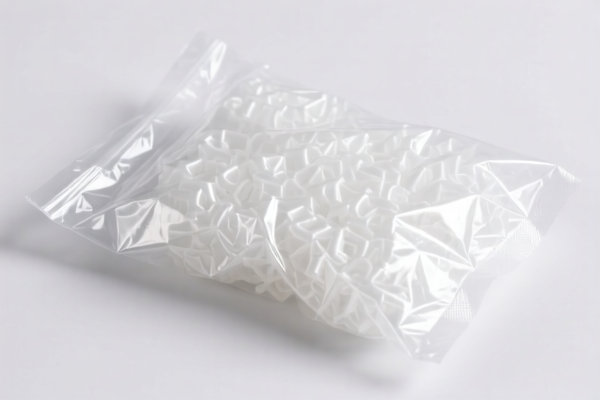
AI Analysis
🧪 Polypropylene Container Raw Material (PP Resin)
🌐 HS Code Reference & Customs Clearance Guide | 2026 Latest Tariff Analysis | Professional Clearance Strategy
📌 I. Product Definition & Classification: What is "PP Container Raw Material"?
Polypropylene (PP) resin is the most widely used plastic raw material for manufacturing food containers, packaging films, and industrial parts. In international trade, it is primarily classified under Chapter 39 (Plastics and Articles Thereof), specifically focusing on its primary form (granules, powder, flakes) or semi-finished sheets.
The classification hinges on two critical factors: 1. Chemical Composition: Is it pure homopolymer, copolymer, or recycled waste? 2. Physical Form: Is it virgin resin (primary form) or scrap/waste?
⚠️ Key Distinction:
- Virgin Resin/Granules: Classified under 3902 (Primary Forms). Subject to high base tariffs + Section 301 + Section 122 tariffs.
- Scrap/Waste/Off-cuts: Classified under 3915 (Waste, Scrap, and By-products). Subject to lower base tariffs but high punitive tariffs (Section 122).
📦 II. HS Code Classification Details (2026 Latest Tariff Authority Match)
Based on the provided dataset, here are the three specific HS Codes applicable to Polypropylene Container Raw Materials, along with their tax breakdowns.
| HS Code | Product Description | Material Logic | Form/State | Applicable Scenario |
|---|---|---|---|---|
3902.10.00.00 |
Polypropylene Sheets/Sheets Material | Polypropylene Polymer | Sheet Material (Semi-finished) | PP sheets used directly for thermoforming containers (e.g., blister packs, clamshells). |
3902.90.00.50 |
Polypropylene Primary Form | Propylene Polymer | Primary Form (Granules/Powder) | Standard virgin PP resin pellets/granules used for injection molding or extrusion. |
3915.90.00.90 |
PP Waste/Scrap/Off-cuts | Polypropylene (Other Plastic) | Raw Material (Scrap/Debris) | Recycled PP, trimmings, rejected container parts, or non-PET plastic waste. |
🔍 Critical Note:
-3902covers virgin/primary polymers. If the material is new resin, it must go here.
-3915covers waste, scrap, and off-cuts. If the material is recycled or rejected production waste, it goes here. Misdeclaring scrap as virgin resin (or vice versa) leads to severe customs penalties.
💰 III. 2026 Latest Tariff Rate Breakdown (Including Surcharges & Policy Add-ons)
✅ Applicable Country: United States (US)
✅ Origin: China (CN)
✅ Effective Date: Current rates apply (including Section 301 and Section 122 add-ons)
🎯 1. 3902.10.00.00 & 3902.90.00.50 —— Virgin PP Resin/Sheets (Primary Forms)
These two codes share the exact same tariff structure according to the dataset. They represent high-value virgin materials.
| Item | Detail |
|---|---|
| Base Duty Rate | 6.5% (Ad Valorem) |
| Section 301 Surcharge | +25.0% (USITC Footnote 9903.88.01 – China Origin) |
| Section 122 Surcharge | +10.0% (IEEPA – Targeting Specific Chinese Imports) |
| Total Effective Tax Rate | 41.5% |
| Tax Calculation | CIF Value × 41.5% |
| De Minimis Exemption | ❌ Not Eligible (De Minimis denied for Section 301/122 goods) |
| Legal Basis Path | Base Tariff 6.5% → USITC Footnote 301: +25% → IEEPA Section 122: +10% |
📌 Explanation:
- Base Tariff (6.5%): Standard MFN rate for polyolefins.
- Section 301 (25%): Retaliatory tariff on Chinese-made plastics.
- Section 122 (10%): Additional surcharge specifically targeting polypropylene imports from China under recent executive orders.
- Total: 41.5%. This is a very high tariff burden, significantly impacting profit margins for virgin PP imports.
🎯 2. 3915.90.00.90 —— PP Scrap/Recycled/Off-cuts (Waste Category)
This code applies to waste, scraps, and non-primary forms. While the base duty is lower, the punitive tariffs remain high.
| Item | Detail |
|---|---|
| Base Duty Rate | 0.0% (Ad Valorem) |
| Section 301 Surcharge | +25.0% (USITC Footnote 9903.88.01 – China Origin) |
| Section 122 Surcharge | +10.0% (IEEPA – Targeting Specific Chinese Imports) |
| Total Effective Tax Rate | 35.0% |
| Tax Calculation | CIF Value × 35.0% |
| De Minimis Exemption | ❌ Not Eligible (De Minimis denied for Section 301/122 goods) |
| Legal Basis Path | Base Tariff 0% → USITC Footnote 301: +25% → IEEPA Section 122: +10% |
📌 Explanation:
- Base Tariff (0%): Scrap and waste often enter duty-free in normal trade, but...
- Punitive Tariffs Apply: The 35% total rate is still extremely high due to the叠加 of Section 301 and Section 122.
- Logical Fit: The dataset specifies this for "non-PET plastic waste" logic. If your material is truly recycled PP waste, this is the correct code, saving 6.5% compared to virgin resin, but the punitive taxes remain identical.
🛠️ IV. Customs Clearance Practical Advice (Real-World Pitfall Avoidance)
✅ 1. Documentation Checklist (Non-Negotiable)
| Document | Required? | Purpose |
|---|---|---|
| ✅ Product Specification Sheet | ✔️ | Must state: "Polypropylene Homopolymer/Copolymer", "Virgin" or "Recycled", "Color/Grade". |
| ✅ MSDS (Material Safety Data Sheet) | ✔️ | Proves chemical composition and non-hazardous status. |
| ✅ Commercial Invoice | ✔️ | Must explicitly state: "Polypropylene Resin/Sheets/Scrap", Origin: China. |
| ✅ Bill of Lading (B/L) | ✔️ | Ensure packaging details match invoice (e.g., "Bags" vs. "Sheets"). |
| ✅ Certificate of Origin (CO) | ✔️ | To confirm China origin for Section 301/122 application. |
| ✅ Third-Party Lab Report | ✔️ | Recommended to prove polymer type (PP vs. Other Plastic) if contested. |
✅ 2. Declaration Strategy (Key Mantras)
🔥 "Form Defines Code, Origin Defines Tax!"
| Scenario | Correct HS Code | Wrong Code | Consequence |
|---|---|---|---|
| Virgin PP Granules | 3902.90.00.50 |
3915.90.00.90 |
Under-declaration Penalty: Customs will assess 6.5% base + back taxes + fines. |
| PP Trim/Rejects | 3915.90.00.90 |
3902.10.00.00 |
Over-declaration Penalty: Pay 6.5% base unnecessarily; risk of fraud investigation if mixed. |
| PP Sheets (Thermoform) | 3902.10.00.00 |
3902.90.00.50 |
Minor discrepancy, but ensure "Sheet" is declared, not "Granule". |
| Mixed Load (Granules + Scrap) | Split Lines | Single Line | Customs Hold: Mixed goods cannot be declared under one HS code. Split shipment or split invoice. |
✅ 3. Special Case Handling
| Situation | Recommendation |
|---|---|
| OEM Private Label PP | Provide brand authorization + specs. Declare as "Polypropylene Resin". |
| Food-Grade PP | Add "Food Contact Grade" in description. May require FDA compliance docs. |
| Recycled PP (PCR) | Clearly label as "Post-Consumer Recycled". Use 3915.90.00.90. Provide proof of recycling process. |
| PP Sheeting for Containers | Clearly describe as "Polypropylene Sheets for Thermoforming". Use 3902.10.00.00. |
🌍 V. Global Market Comparison (2026 Latest)
| Market | Recommended HS Code | Total Tax Rate (China Origin) | Key Certifications | Notes |
|---|---|---|---|---|
| 🇺🇸 USA | 3902.90.00.50 / 3902.10.00.00 |
41.5% | FDA (if food grade) | Highest burden due to Sec 301 + Sec 122. |
| 🇺🇸 USA | 3915.90.00.90 |
35.0% | FDA (if food grade) | Slightly lower base, but still punitive. |
| 🇨🇳 China | 3902.90.00.50 |
5.0% | CCC (if applicable) | Low base duty. No Section 301. |
| 🇪🇺 EU | 3902.10.00 |
6.5% | REACH / RoHS | No Section 301 equivalent, but strict REACH registration needed. |
| 🇯🇵 Japan | 3902.10.00 |
6.0% | JIS / Food Sanitation Act | Liberal trade agreement may offer lower rates if RCEP/JP-EPA applies. |
📌 Conclusion:
- USA is the most challenging market for PP imports from China due to 41.5% (virgin) and 35.0% (scrap) effective rates.
- EU & Japan are more favorable in terms of base tariffs, but require strict environmental compliance (REACH, Food Sanitation).
📌 VI. Common Errors & Pitfalls (Lessons Learned)
❌ Error 1: Declaring "Plastic Pellets" without specifying "Polypropylene".
👉 Consequence: Customs may classify under generic "Other Plastics" (higher base duty) or hold shipment for clarification.
✅ Fix: Always declare "Polypropylene (PP) Resin, Grade XXX".
❌ Error 2: Mixing Virgin Resin and Recycled Scrap in one shipment.
👉 Consequence: Complete Shipment Hold. Customs cannot clear mixed HS codes on one BL.
✅ Fix: Ship separately or split the invoice/B/L clearly.
❌ Error 3: Under-declaring value to reduce 41.5% tax.
👉 Consequence: Severe Penalties. CBP uses market data to verify PP prices.
✅ Fix: Declare accurate CIF value. Consider hedging or sourcing from non-China origins if possible.
❌ Error 4: Misclassifying "PP Sheets" as "Plastic Sheets of Other Plastics" (3921).
👉 Consequence: Different base duty, potential classification error fines.
✅ Fix: PP is specifically covered under 3902. Do not use 3921 for PP.
🎯 VII. Conclusion: Professional Declaration, Cost Optimization, Risk Mitigation!
🎯 Remember the Mantra:
🔹 "Virgin PP: 41.5% (3902). Scrap PP: 35.0% (3915). Never Mix!"
🔹 "Section 122 + Section 301 = High Tax. Document Everything!"
🔹 "Form determines Code. Origin determines Tax."
📌 Pro Tip:
If your PP material is originating from Vietnam, Mexico, or Thailand, you MAY be eligible to avoid Section 301/122 tariffs, reducing the rate to 0%~6.5%.
- Action: Verify Country of Origin carefully.
- Action: Apply for Advance Ruling (Pre-classification) from CBP if unsure about "Sheet" vs. "Granule" status.
📣 Immediate Action Required:
📞 Consult a licensed Customs Broker + Provide Material Specs + Verify Origin
🚀 Ensure your Polypropylene Raw Materials clear customs smoothly, minimize tax leakage, and maximize your supply chain efficiency!
✨ Professional Clearance Starts with Precise Classification!
💼 Your Cost Savings Are Built on Accurate HS Codes!
Customer Reviews
About HS Code Classification
The Harmonized System (HS) is an internationally standardized nomenclature developed by the World Customs Organization (WCO) to classify traded products. Over 200 countries use the HS system as the basis for customs tariffs, trade statistics, and import/export regulations.
Each HS code follows a hierarchical structure:
- Chapter (2 digits) — Broad category of goods (e.g., Chapter 84: Machinery and Mechanical Appliances)
- Heading (4 digits) — More specific grouping within the chapter
- Subheading (6 digits) — Internationally standardized breakdown, used by all WCO member countries
- National subdivisions (8-10 digits) — Country-specific extensions for further classification, such as US HTSUS 10-digit codes
Correct HS code classification is essential for smooth customs clearance, accurate duty payment, and compliance with trade regulations. Misclassification can lead to customs delays, overpayment of duties, or penalties.
When importing from CN to US, the applicable tariff rates may include:
- Most-Favored-Nation (MFN) rate — The standard duty rate applied to WTO members
- General rate — Applied to countries without trade agreements
- Trade remedy duties — Additional tariffs such as Section 301 (anti-dumping), Section 232 (national security), or countervailing duties
The information provided on this page is for reference purposes only. For official classification, please consult with your local customs authority or a licensed customs broker.