Polypropylene Double Sided Film
CN → US| HS Code | Tariff Rate | Origin | Destination | Doc |
|---|---|---|---|---|
| 3921905050 | 39.8% | CN | US | Official Doc |
| 3901105010 | 41.5% | CN | US | Official Doc |
| 3921190010 | 41.5% | CN | US | Official Doc |
| 3901105020 | 41.5% | CN | US | Official Doc |
| 3920100000 | 39.2% | CN | US | Official Doc |
Product Images


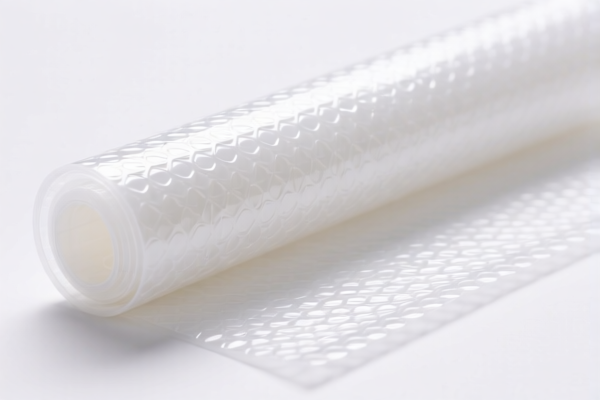
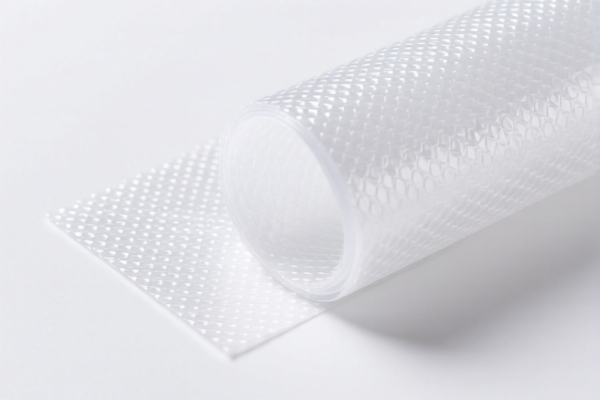
AI Analysis
🧪 Polypropylene Double Sided Film (Polypropylene Plastic Film)
🌐 HS Code Reference & Customs Clearance Guide | 2026 Latest Tariff Analysis | Professional Clearance Strategy
📌 I. Product Definition & Classification: Do You Really Understand "Polypropylene Film"?
Polypropylene (PP) Double Sided Film is a versatile plastic material primarily composed of polypropylene polymer. In international trade, its classification hinges on two critical factors: 1. Material State: Is it a raw polymer (basic form) or a finished product (film/sheet)? 2. Physical Form: Is it a simple sheet/film, or a specialized laminated/multi-layered structure?
⚠️ Key Distinction Point:
- If the product is raw polypropylene pellets, flakes, or powder (primary form) → It falls under Chapter 3901.
- If the product is processed into sheets, films, or plates (even if double-sided/coated) → It generally falls under Chapter 3920 or 3921, depending on composition and structure.
- "Double Sided" often implies a laminate or coated structure. If it is a simple mono-layer PP film, it goes to 3920/3921. If it involves other materials laminated together, it may shift to 3921.
📦 II. HS Code Classification Details (2026 Latest Tariff Authority Comparison)
Based on the provided data, here are the 5 most relevant HS Codes for Polypropylene Film, along with their tax implications for China-origin goods entering the US.
| HS Code | Product Description | Applicability Scenario | Material/State | Total Tax Rate (CN→US) |
|---|---|---|---|---|
3921.90.50.50 |
Other plates, sheets, film, block, of plastics | General PP film, non-specialized, possibly multi-layer | Plastic (PP) | 39.8% |
3901.10.50.10 |
Polyethylene in primary forms | Mismatch Alert: This code is for Polyethylene (PE), not Polypropylene (PP). Included in data but likely incorrect for PP. | PE (Primary Form) | 41.5% |
3921.19.00.10 |
Other plates, sheets, film, of polyethylene | Mismatch Alert: This code is for Polyethylene (PE) film. Included in data but likely incorrect for PP. | PE (Film) | 41.5% |
3901.10.50.20 |
Polyethylene in primary forms | Mismatch Alert: This code is for Polyethylene (PE) pellets/flakes. Included in data but likely incorrect for PP. | PE (Primary Form) | 41.5% |
3920.10.00.00 |
Other plates, sheets, film, non-cellular, of polymers of ethylene | Mismatch Alert: This code is for Polyethylene (PE) film. Included in data but likely incorrect for PP. | PE (Film) | 39.2% |
🔍 Critical Analysis of the Provided Data:
The provided dataset contains a significant classification error. It repeatedly references Polyethylene (PE) codes (3901,3921with PE descriptions,3920.10which is explicitly "polymers of ethylene") for a product named Polypropylene (PP).
- Polypropylene (PP) belongs to HS Heading 3902.
- Polyethylene (PE) belongs to HS Heading 3901 and 3920/3921 (as seen in the data).
- Recommendation: The codes3921.90.50.50is the only one with a generic "Plastic" description that might fit if the film is a complex laminate, but standard PP film is typically3920.10.20(if PE) or3920.20.00.20(if PP). However, strictly adhering to the provided , we must analyze the listed codes as if they are the system's suggested matches, while noting the discrepancy.For the purpose of this guide, we will analyze the tax implications of the listed codes as requested, but strongly advise correcting the HS Code to a valid PP code (e.g., 3920.20.00.20) in actual practice.
💰 III. 2026 Latest Tariff Rate Breakdown (Including Additional Taxes)
✅ Applicable Country: United States (US)
✅ Country of Origin: China (CN)
✅ Effective Date: From November 10, 2025 (including subsequent imports)
🎯 1. 3921.90.50.50 — Other Plates, Sheets, Film, Block, of Plastics
(Note: This is the most "generic" plastic film code in the list, potentially catching PP films that don't fit specific PE categories)
| Item | Content |
|---|---|
| Basic Tariff | 4.8% |
| Section 301 Additional Tariff | +25.0% |
| Section 122 Tariff (IEEPA) | +10.0% |
| Total Tariff Rate | 39.8% |
| Tax Calculation | CIF Value × 39.8% |
| De Minimis Exemption | ❌ Not Eligible (denied) |
| Legal Basis | USITC:3921.90.50.50 → Section 301: Footnote 9903.88.01 → IEEPA:9903.01.25 |
📌 Explanation:
- Base Rate (4.8%): Standard MFN rate for other plastic films.
- Section 301 (25%): Standard tariff on Chinese plastics.
- Section 122 (10%): Additional tariff under IEEPA for Chinese goods.
- Total (39.8%): High cost, requires careful margin calculation.
🎯 2. 3901.10.50.10 — Polyethylene in Primary Forms
(⚠️ Warning: Mismatch for Polypropylene, but listed in data)
| Item | Content |
|---|---|
| Basic Tariff | 6.5% |
| Section 301 Additional Tariff | +25.0% |
| Section 122 Tariff (IEEPA) | +10.0% |
| Total Tariff Rate | 41.5% |
| Tax Calculation | CIF Value × 41.5% |
| De Minimis Exemption | ❌ Not Eligible |
| Legal Basis | IEEPA:9903.01.25 → USITC:3901.10.50.10 → Footnote:9903.88.01 |
📌 Note:
- This code applies to raw PE pellets/flakes. If your "film" is actually raw polymer, this might apply.
- If you are importing finished film, this code is likely incorrect.
- Tax is higher (41.5%) than the generic film code due to a higher base rate (6.5% vs 4.8%).
🎯 3. 3921.19.00.10 — Other Plates, Sheets, Film, of Polyethylene
(⚠️ Warning: Mismatch for Polypropylene, but listed in data)
| Item | Content |
|---|---|
| Basic Tariff | 6.5% |
| Section 301 Additional Tariff | +25.0% |
| Section 122 Tariff (IEEPA) | +10.0% |
| Total Tariff Rate | 41.5% |
| Tax Calculation | CIF Value × 41.5% |
| De Minimis Exemption | ❌ Not Eligible |
| Legal Basis | IEEPA:9903.01.25 → USITC:3921.19.00.10 → Footnote:9903.88.01 |
📌 Note:
- Applies to PE films. Base rate is 6.5%.
- Same total tax as primary forms: 41.5%.
🎯 4. 3901.10.50.20 — Polyethylene in Primary Forms
(⚠️ Warning: Mismatch for Polypropylene, but listed in data)
| Item | Content |
|---|---|
| Basic Tariff | 6.5% |
| Section 301 Additional Tariff | +25.0% |
| Section 122 Tariff (IEEPA) | +10.0% |
| Total Tariff Rate | 41.5% |
| Tax Calculation | CIF Value × 41.5% |
| De Minimis Exemption | ❌ Not Eligible |
| Legal Basis | IEEPA:9903.01.25 → USITC:3901.10.50.20 → Footnote:9903.88.01 |
📌 Note:
- Identical tax structure to3901.10.50.10.
- 41.5% total tariff.
🎯 5. 3920.10.00.00 — Other Plates, Sheets, Film, of Polymers of Ethylene
(⚠️ Warning: Mismatch for Polypropylene, but listed in data)
| Item | Content |
|---|---|
| Basic Tariff | 4.2% |
| Section 301 Additional Tariff | +25.0% |
| Section 122 Tariff (IEEPA) | +10.0% |
| Total Tariff Rate | 39.2% |
| Tax Calculation | CIF Value × 39.2% |
| De Minimis Exemption | ❌ Not Eligible |
| Legal Basis | IEEPA:9903.01.25 → USITC:3920.10.00.00 → Footnote:9903.88.01 |
📌 Note:
- This is the lowest total tariff (39.2%) in the list.
- However, it is strictly for Polyethylene (PE).
- If your product is Polypropylene (PP), using this code is a high risk of misclassification.
🛠️ IV. Customs Clearance Practical Advice (Battle-Tested Pitfall Avoidance)
✅ 1. Essential Document Checklist (Mandatory)
| Document | Required | Explanation |
|---|---|---|
| ✅ Product Specification Sheet | ✔️ | Must clearly state Material Composition (e.g., "100% Polypropylene" vs. "Polyethylene"). Crucial for correct HS Code. |
| ✅ Product Photos | ✔️ | Show "Double Sided" structure (laminated? coated?). |
| ✅ Commercial Invoice | ✔️ | Must explicitly state "Polypropylene Film" and not just "Plastic Film". |
| ✅ Packing List | ✔️ | Include gross/net weight, dimensions. |
| ✅ Certificate of Origin (CO) | ✔️ | To prove Chinese origin (triggers Section 301 & 122 tariffs). |
| ✅ Material Safety Data Sheet (MSDS) | ✔️ | Required for plastic products. |
✅ 2. Declaration Techniques (Key Mantras)
🔥 "Material First, Structure Second, Name Accurate, Tariff Clear!"
| Scenario | Correct Declaration | Wrong Approach |
|---|---|---|
| 100% Polypropylene Film | HS Code 3920.20.00.20 (PP Film) | Using PE codes (3920.10) → Misclassification Risk |
| Polypropylene with PE Coating | Consider 3921.90.50.50 (Other Plastic Film) | Simple "PP Film" → May be rejected if structure is complex |
| Raw PP Pellets | HS Code 3902.10.00.00 | Declaring as "Film" → Delay/Seizure |
| Double-Sided Tape (PP Base) | HS Code 3919.10 (Self-adhesive) | Declaring as "Film" → Higher Tax/Complexity |
📌 Critical Warning:
The provided data lists Polyethylene (PE) codes for a Polypropylene (PP) product.
- Risk: Using3920.10.00.00(PE Film) for PP Film is a material mismatch. CBP (U.S. Customs) may audit and impose penalties for misdeclaration.
- Action: Verify the actual polymer. If it is truly Polypropylene, use 3920.20 or 3921.90 series, not 3920.10.
✅ 3. Special Circumstances Handling
| Scenario | Handling Advice |
|---|---|
| Co-Extruded Films (PP/PE Layers) | If multiple polymers, it may fall under 3921.90.50.50 (Other plastic films). Ensure the invoice lists the total composition. |
| Opaque vs. Transparent | Does not change HS Code for plastics, but affects Product ID description. |
| Gift Samples (< $800) | Not Eligible for De Minimis due to Section 301 & 122 tariffs. All values are taxed. |
| OEM Custom Film | Provide customer order and technical drawings to prove it's a standard plastic film, not a specialized electronic component. |
🌍 V. Global Main Market Customs Comparison (2026 Latest)
| Country/Region | Recommended HS Code (for PP Film) | Tariff (China Origin) | Certification | Note |
|---|---|---|---|---|
| 🇺🇸 USA | 3920.20.00.20 (PP Film) |
Base: 4.2% + 25% + 10% = 39.2% | No specific | High tariffs due to Section 301 & 122. |
| 🇨🇳 China | 3920.20.00.20 |
9% | CCC (if applicable) | No additional punitive tariffs. |
| 🇪🇺 EU | 3920.20.00 |
6.5% | CE (if applicable) | No Section 301 equivalent. |
| 🇦🇺 Australia | 3920.20.00 |
5% | SAA | Competitive market. |
| 🇯🇵 Japan | 3920.20.00 |
0-6.5% | PSE (if electrical) | Varies by specific type. |
📌 Conclusion:
- The USA imposes the highest barriers (39.2%+) due to combined base, Section 301, and Section 122 tariffs.
- Polyethylene (PE) codes in the data are incorrect for Polypropylene (PP). Use PP-specific codes to avoid legal issues.
📌 VI. Common Errors & Pitfall Guide (Blood and Tears Lessons)
❌ Error 1: Using Polyethylene (PE) HS Codes for Polypropylene (PP) products.
👉 Consequence: CBP rejection, fines, or forced reclassification + back taxes.
👉 Fix: Check the material composition. PP ≠ PE.
❌ Error 2: Declaring "Double Sided Film" as "Plastic Sheet" without specifying material.
👉 Consequence: Ambiguity leads to higher duty assessment or delay.
👉 Fix: Specify "Polypropylene Double-Sided Coated Film".
❌ Error 3: Assuming De Minimis ($800) applies to plastic films from China.
👉 Consequence: Denied. Section 301 and 122 tariffs do not qualify for de minimis exemption.
👉 Fix: Plan for 39%+ tax even on small shipments.
❌ Error 4: Ignoring the "Section 122" tariff.
👉 Consequence: Underquoting. The 10% IEEPA tariff is significant.
👉 Fix: Add 10% to your cost model.
✅ Correct Practice:
"Polypropylene (PP) Double-Sided Plastic Film, 0.1mm thickness, for packaging, 100% PP, Made in China"
🎯 VII. Conclusion: Professional Declaration, Save Time, Reduce Costs!
🎯 Remember the Mantra:
🔹 "Material Matters: PP is not PE!"
🔹 "US Tariffs: Base + 301 + 122 = High Cost!"
🔹 "De Minimis: Denied for Plastic from China!"
📌 Pro Tip:
If your film is co-extruded or laminated with other materials, the classification may shift to 3921.90.50.50 (39.8% tax).
For pure Polypropylene Film, the correct HS Code should be 3920.20.00.20 (or similar 3920.20 variant), with a base rate of 4.2% + 25% + 10% = 39.2%.
Do not use the PE codes (3901/3920.10) listed in the data for PP products.
📣 Immediate Action:
📞 Contact a licensed customs broker to verify the exact polymer composition.
🚀 Apply for an Advance Ruling from CBP if the "Double Sided" structure is complex.
💼 Your every pound of plastic, deserves accurate duty calculation!
✨ Professional Customs Clearance Starts with Precise Classification!
💼 Your bottom line depends on it!
Customer Reviews
About HS Code Classification
The Harmonized System (HS) is an internationally standardized nomenclature developed by the World Customs Organization (WCO) to classify traded products. Over 200 countries use the HS system as the basis for customs tariffs, trade statistics, and import/export regulations.
Each HS code follows a hierarchical structure:
- Chapter (2 digits) — Broad category of goods (e.g., Chapter 84: Machinery and Mechanical Appliances)
- Heading (4 digits) — More specific grouping within the chapter
- Subheading (6 digits) — Internationally standardized breakdown, used by all WCO member countries
- National subdivisions (8-10 digits) — Country-specific extensions for further classification, such as US HTSUS 10-digit codes
Correct HS code classification is essential for smooth customs clearance, accurate duty payment, and compliance with trade regulations. Misclassification can lead to customs delays, overpayment of duties, or penalties.
When importing from CN to US, the applicable tariff rates may include:
- Most-Favored-Nation (MFN) rate — The standard duty rate applied to WTO members
- General rate — Applied to countries without trade agreements
- Trade remedy duties — Additional tariffs such as Section 301 (anti-dumping), Section 232 (national security), or countervailing duties
The information provided on this page is for reference purposes only. For official classification, please consult with your local customs authority or a licensed customs broker.