Polypropylene Festival Ribbon
CN → US| HS Code | Tariff Rate | Origin | Destination | Doc |
|---|---|---|---|---|
| 5606000090 | 43.0% | CN | US | Official Doc |
| 3919102055 | 40.8% | CN | US | Official Doc |
| 3919905060 | 40.8% | CN | US | Official Doc |
| 3926909905 | 22.8% | CN | US | Official Doc |
| 3926903500 | 24.0% | CN | US | Official Doc |
Product Images
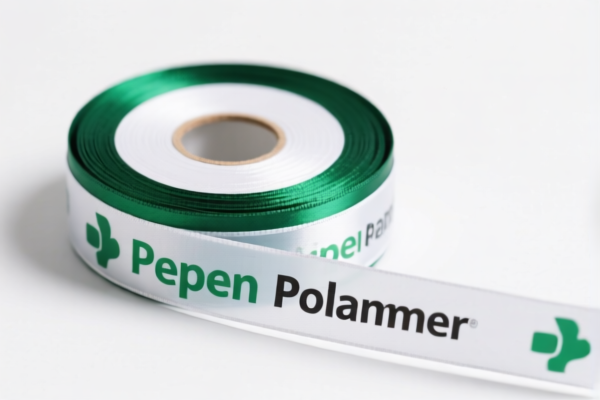


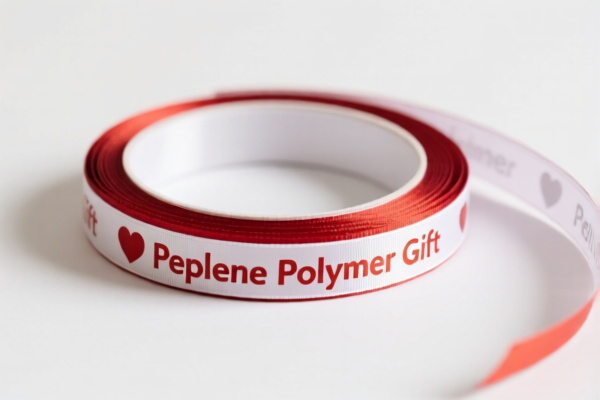
AI Analysis
🎀 Polypropylene Festival Ribbon (PP Ribbon)
🌐 HS Code Reference & Customs Clearance Guide | 2026 Latest Tariff Analysis | Professional Clearance Strategy
📌 I. Product Definition & Classification: Do You Really Know "PP Ribbon"?
Polypropylene Festival Ribbon is a versatile synthetic ribbon made from polypropylene, widely used for packaging, gift wrapping, and decorative purposes. In international trade, its classification depends heavily on its physical form (twisted vs. flat) and material composition (plastic vs. textile-like).
Two Main Categories: 1. Twisted/Yarn-like Ribbons: Shaped like cords or strips, often used for binding. Classified under Textile-like products (Chapter 56). 2. Flat Plastic Strips: Shaped like flat tape or film. Classified under Plastic Products (Chapter 39).
⚠️ Key Distinction Point:
- If the ribbon is twisted and resembles a yarn/strip →归入 5606.00.00.90
- If the ribbon is flat and made of plastic → 归入 3919 or 3926 categories depending on adhesion and elasticity.
📦 II. HS Code Classification Details (2026 Latest Tariff Authority Comparison)
| HS Code | Product Description | Applicable Scenario | Tax Rate (Total) | Key Tax Components |
|---|---|---|---|---|
5606.00.00.90 |
Twisted yarn, strips, and similar products (PP material, non-elastic) | Twisted PP ribbons, non-elastic binding tapes | 43.0% | Base: 8.0% + Section 301: 25.0% + Section 122: 10% |
3919.10.20.55 |
Self-adhesive plastic strips, flat shape | Adhesive PP tapes/ribbons (sticky backing) | 40.8% | Base: 5.8% + Section 301: 25.0% + Section 122: 10% |
3919.90.50.60 |
Other plastic self-adhesive/flat strips | Non-adhesive or general flat plastic strips (fallback) | 40.8% | Base: 5.8% + Section 301: 25.0% + Section 122: 10% |
3926.90.99.05 |
Other plastic articles, elastic bands/straps | Elastic PP bands or specialized plastic straps | 22.8% | Base: 5.3% + Section 301: 7.5% + Section 122: 10% |
3926.90.35.00 |
Other plastic articles, not strung | Non-elastic, non-adhesive, general PP plastic strips | 24.0% | Base: 6.5% + Section 301: 7.5% + Section 122: 10% |
🔍 Important Reminder:
- Twisted vs. Flat: The physical shape (twisted cord vs. flat tape) is the primary determinant between Chapter 56 and Chapter 39. - Adhesion: If the ribbon has a self-adhesive backing, it falls under 3919; otherwise, it may fall under 3926. - Elasticity: Elastic bands are taxed differently than non-elastic plastic strips.
💰 III. 2026 Latest Tariff Rate Details (Including Surtaxes & Policy Add-ons)
✅ Applicable Country: United States (US)
✅ Origin: China (CN)
✅ Effective Time: November 10, 2025 (including subsequent imports)
🎯 1. 5606.00.00.90 —— Twisted PP Ribbon (Non-Elastic)
| Item | Content |
|---|---|
| Base Tariff | 8.0% (ad valorem) |
| USITC Surtax (Section 301) | +25.0% |
| Section 122 Surtax | +10.0% (Targeted on specific Chinese imports) |
| Total Tariff Rate | 43.0% |
| Tax Calculation | CIF Value × 43.0% |
| De Minimis Exemption | ❌ Not Eligible |
| Legal Basis Path | USITC:5606.00.00.90 → FOOTNOTE:301 → SECTION:122 |
📌 Explanation:
- "Base 8.0%": Standard MFN duty for twisted yarns/strips. - "Section 301 25%": Standard USITC surtax on Chinese goods. - "Section 122 10%": Additional surtax applicable to this category. - Total 43% is a high tariff category. Pre-calculation is essential.
🎯 2. 3919.10.20.55 & 3919.90.50.60 —— Flat Plastic Strips (Self-Adhesive/General)
| Item | Content |
|---|---|
| Base Tariff | 5.8% |
| USITC Surtax (Section 301) | +25.0% |
| Section 122 Surtax | +10.0% |
| Total Tariff Rate | 40.8% |
| Tax Calculation | CIF Value × 40.8% |
| De Minimis Exemption | ❌ Not Eligible |
| Legal Basis Path | USITC:3919.x → FOOTNOTE:301 → SECTION:122 |
📌 Note:
- These codes apply to flat PP ribbons. If self-adhesive, use 3919.10.20.55; if not, use 3919.90.50.60. - The tax structure is identical (40.8%) due to similar surtax applications.
🎯 3. 3926.90.99.05 & 3926.90.35.00 —— Elastic or General Plastic Strips
| Item | Content |
|---|---|
| Base Tariff | 5.3% (Elastic) / 6.5% (General) |
| USITC Surtax (Section 301) | +7.5% (Lower surtax for these subcategories) |
| Section 122 Surtax | +10.0% |
| Total Tariff Rate | 22.8% (Elastic) / 24.0% (General) |
| Tax Calculation | CIF Value × Rate |
| De Minimis Exemption | ❌ Not Eligible |
| Legal Basis Path | USITC:3926.9 → FOOTNOTE:301 → SECTION:122 |
📌 Note:
- Elastic bands (3926.90.99.05) benefit from a lower Section 301 surtax (7.5%) compared to flat tapes (25%). - Non-elastic, non-adhesive plastic strips (3926.90.35.00) also enjoy a lower surtax (7.5%). - Total 22.8%-24.0% is significantly cheaper than the 40.8%-43.0% range.
🛠️ IV. Customs Clearance Practical Advice (Actionable Pitfall Avoidance Guide)
✅ 1. Preparation Checklist (Essential Documents)
| Document | Required? | Notes |
|---|---|---|
| ✅ Product Specification Sheet | ✔️ | Must detail: Material (PP), Shape (Twisted/Flat), Elasticity, Adhesive presence. |
| ✅ Physical Samples/Photos | ✔️ | Clear photos showing twist structure or flat surface, adhesive backing if any. |
| ✅ Commercial Invoice | ✔️ | Accurate description: e.g., "Polypropylene Twisted Ribbon" vs. "Plastic Adhesive Tape". |
| ✅ Packing List | ✔️ | Weight and dimensions per carton. |
| ✅ Certification (if applicable) | ✔️ | REACH/RoHS if required by importer, though not always mandatory for clearance. |
✅ 2. Declaration Strategy (Key Tips)
🔥 "Shape is King, Adhesion Matters, Elasticity Saves Money!"
| Scenario | Correct HS Code | Error to Avoid |
|---|---|---|
| Twisted PP Ribbon (Non-adhesive, non-elastic) | 5606.00.00.90 |
Misdeclaring as "Plastic Tape" → 43% vs 40.8% (minor diff, but wrong classification). |
| Flat PP Ribbon with Adhesive Backing | 3919.10.20.55 |
Misdeclaring as non-adhesive → Wrong subcategory. |
| Flat PP Ribbon without Adhesive | 3919.90.50.60 or 3926.90.35.00 |
Critical Check: If it’s just a flat plastic strip, 3926.90.35.00 (24%) might be better than 3919 (40.8%) if not self-adhesive. |
| Elastic PP Bands | 3926.90.99.05 |
Best Option: Lowest total tax (22.8%) if product is elastic. |
✅ 3. Special Circumstances Handling
| Situation | Handling Advice |
|---|---|
| OEM Custom Ribbons | Provide design files and order details to prove specific use. |
| Mixed Shipments | Clearly separate PP Twisted Ribbons from other textiles to avoid misclassification. |
| Elastic vs. Non-Elastic | If the ribbon has rubber/elastic threads inside, it may be classified differently. Pure PP is non-elastic. |
| Adhesive Type | Specify "Self-Adhesive" if applicable; otherwise, declare as "Non-Adhesive Plastic Strip". |
🌍 V. Global Market Customs Comparison (2026 Latest)
| Country/Region | Recommended HS Code | Tariff Rate | Certification | Notes |
|---|---|---|---|---|
| 🇺🇸 USA | 5606.00.00.90 / 3919.x / 3926.x |
22.8% - 43.0% | None specific | High surtaxes apply to all Chinese origins. |
| 🇨🇳 China | 5606.00.00.90 / 3919.x / 3926.x |
0% - 8% | N/A | Low base tariffs, no surtaxes. |
| 🇪🇺 EU | 5607.99 / 3920.62 |
0% - 4.5% | REACH | No Section 301/122 equivalents. |
| 🇬🇧 UK | 5607.99 / 3920.62 |
0% - 4.5% | UK REACH | Post-Brexit rules apply. |
| 🇯🇵 Japan | 5607.99 / 3920.62 |
0% - 6.0% | JIS | No surtaxes. |
📌 Conclusion:
- USA has the highest effective tariff burden due to Section 301 and Section 122. - Choosing the right HS Code (especially distinguishing between elastic/non-elastic and adhesive/non-adhesive) can save up to 20% in duties. - Elastic PP bands (3926.90.99.05) are the most cost-effective if the product allows.
📌 VI. Common Errors & Pitfall Avoidance (Lessons Learned)
❌ Error 1: Misclassifying Twisted PP Ribbon as Plastic Tape (3919).
👉 Consequence: While both have high taxes, the base rates differ. Misclassification leads to audits and penalties.
❌ Error 2: Ignoring Adhesive Properties.
👉 Consequence: Declaring adhesive tape as non-adhesive (3919.90 vs 3919.10) can lead to misdeclaration findings.
❌ Error 3: Failing to distinguish Elastic vs. Non-Elastic.
👉 Consequence: Missing the 22.8% tax rate for elastic bands (3926.90.99.05) and paying 40.8% or 43%.
❌ Error 4: Vague Description "Plastic Ribbon".
👉 Consequence: Customs cannot determine the correct subcategory → Delayed clearance or manual examination.
✅ Correct Declaration Example:
"Polypropylene Twisted Festival Ribbon, Non-Adhesive, Non-Elastic, For Gift Packaging, Model XYZ"
vs.
"Self-Adhesive Polypropylene Flat Tape, Plastic, 10mm Width, For Sealing"
🎯 VII. Conclusion: Precision Classification, Cost Optimization!
🎯 Remember the Mantra:
🔹 "Twisted = 5606 (43%), Flat Adhesive = 3919 (40.8%), Elastic = 3926 (22.8%).
Check Shape, Check Adhesion, Check Elasticity. Save 20% if you classify right!"
📌 Pro Tip:
If your product is elastic, always declare it as Elastic Plastic Bands (3926.90.99.05) to benefit from the lower Section 301 surtax (7.5% vs 25%).
For non-elastic flat strips, compare 3919.90.50.60 (40.8%) vs 3926.90.35.00 (24.0%) based on whether it’s considered "self-adhesive" or "other plastic articles".
📣 Immediate Action:
📞 Consult your customs broker with physical samples and product specs.
🚀 Apply for Advance Ruling if unsure about elastic/adhesive classification.
💡 Optimize your HS Code to save 18-20% in duties!
✨ Professional Customs Clearance Starts with Accurate Classification!
💼 Every dollar saved in tariffs is pure profit!
Customer Reviews
About HS Code Classification
The Harmonized System (HS) is an internationally standardized nomenclature developed by the World Customs Organization (WCO) to classify traded products. Over 200 countries use the HS system as the basis for customs tariffs, trade statistics, and import/export regulations.
Each HS code follows a hierarchical structure:
- Chapter (2 digits) — Broad category of goods (e.g., Chapter 84: Machinery and Mechanical Appliances)
- Heading (4 digits) — More specific grouping within the chapter
- Subheading (6 digits) — Internationally standardized breakdown, used by all WCO member countries
- National subdivisions (8-10 digits) — Country-specific extensions for further classification, such as US HTSUS 10-digit codes
Correct HS code classification is essential for smooth customs clearance, accurate duty payment, and compliance with trade regulations. Misclassification can lead to customs delays, overpayment of duties, or penalties.
When importing from CN to US, the applicable tariff rates may include:
- Most-Favored-Nation (MFN) rate — The standard duty rate applied to WTO members
- General rate — Applied to countries without trade agreements
- Trade remedy duties — Additional tariffs such as Section 301 (anti-dumping), Section 232 (national security), or countervailing duties
The information provided on this page is for reference purposes only. For official classification, please consult with your local customs authority or a licensed customs broker.