Polypropylene Gift Packaging Ribbon
CN → US| HS Code | Tariff Rate | Origin | Destination | Doc |
|---|---|---|---|---|
| 5604909000 | 40.0% | CN | US | Official Doc |
| 3926909905 | 22.8% | CN | US | Official Doc |
| 3926909989 | 22.8% | CN | US | Official Doc |
| 5606000090 | 43.0% | CN | US | Official Doc |
| 3923290000 | 38.0% | CN | US | Official Doc |
Product Images
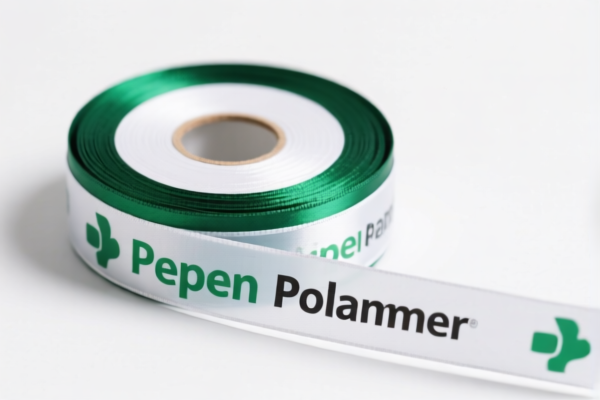
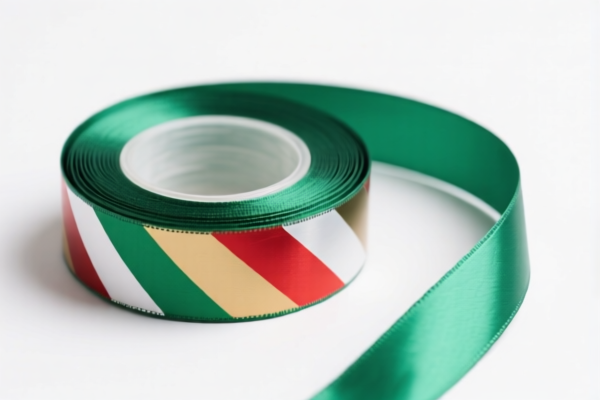
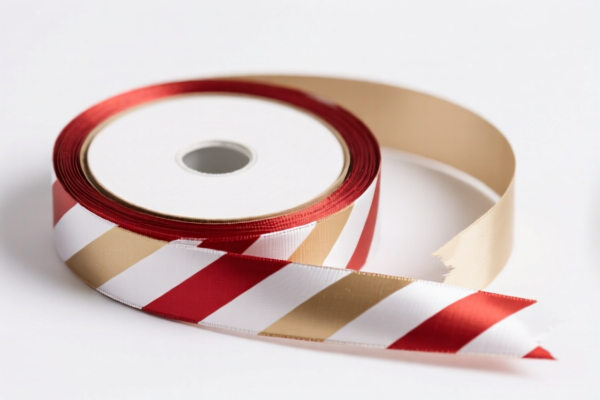
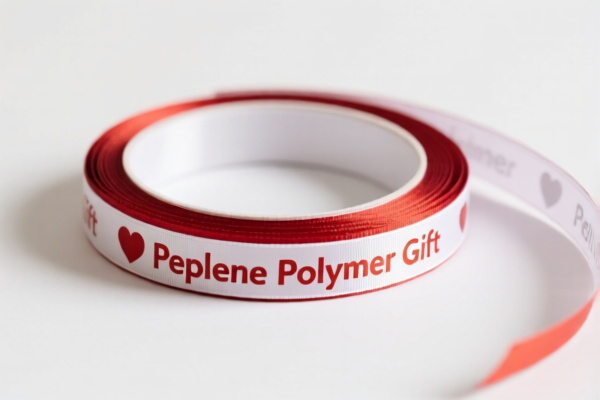
AI Analysis
🎀 Polypropylene Gift Packaging Ribbon (PP Ribbon)
🌐 HS Code Reference & Customs Clearance Guide | 2026 Latest Tariff Analysis | Professional Entry Strategies
📌 I. Product Definition & Classification: Do You Truly Understand "PP Ribbon"?
Polypropylene (PP) gift packaging ribbons are essential accessories in the global gift, fashion, and industrial packaging industries. In international trade, their classification depends heavily on the material composition, physical form (woven, knitted, or plastic tape), and processing method.
The core debate lies in whether to classify them as Textile/Synthetic Fiber Articles (Chapter 56) or Plastic Articles (Chapter 39).
⚠️ Key Distinction Point:
- If the ribbon is essentially a textile structure (woven/knitted) coated or impregnated with plastic → Generally falls under Chapter 56 (e.g., 5604 or 5606).
- If the ribbon is a solid plastic extrusion or strictly defined as a "plastic tape" without textile fiber structure → Generally falls under Chapter 39 (e.g., 3926 or 3923).
- Risk Alert: Misclassification can lead to massive tariff differences (up to 20%+) and customs delays.
📦 II. HS Code Classification Details (2026 Latest Tariff Authority Comparison)
Based on the provided data, here are the five potential HS Codes with their specific rationales:
| HS Code | Summary / Rationale | Total Tax Rate | Key Characteristics |
|---|---|---|---|
5604.90.90.00 |
Plastic-Coated Textile: PP ribbon falls under "plastic-coated or impregnated textile/synthetic fibers." | 40.0% | Base: 5% + Section 301: 25% + Section 301 (Item 122): 10% |
3926.90.99.05 |
Plastic Article (Elastic/Strap): PP is plastic; ribbon shape fits "elastic bands/strips," classified as plastic products. | 22.8% | Base: 5.3% + Section 301: 7.5% + Section 301 (Item 122): 10% |
3926.90.99.89 |
Other Plastic Articles: PP is plastic; ribbon belongs to "other plastic articles." | 22.8% | Base: 5.3% + Section 301: 7.5% + Section 301 (Item 122): 10% |
5606.00.00.90 |
Twisted Yarns/Tapes: Ribbon form fits "twisted yarns, strips and the like"; PP material matches this heading. | 43.0% | Base: 8% + Section 301: 25% + Section 301 (Item 122): 10% |
3923.29.00.00 |
Packaging Materials: While originally for films, PP plastic material + packaging use allows reference to this logic. | 38.0% | Base: 3% + Section 301: 25% + Section 301 (Item 122): 10% |
🔍 Critical Observation:
- Chapter 56 Codes (5604,5606) carry higher tariffs (40-43%) due to higher base duties and/or Section 301 rates.
- Chapter 39 Codes (3926,3923) offer lower tariffs (22-38%).
- The difference is driven by whether Customs views the product as a "Textile Product" or a "Plastic Product."
💰 III. 2026 Latest Tariff Rate Breakdown (Including Surtaxes & Policy Surcharges)
✅ Applicable Country: United States (US)
✅ Origin: China (CN)
✅ Effective Date: Post-November 2025 (Including subsequent imports)
🎯 1. 5604.90.90.00 – Plastic-Coated Synthetic Fiber (Textile Category)
| Item | Content |
|---|---|
| Base Duty | 5.0% |
| Section 301 (Trade War) | +25.0% |
| Section 301 (Item 122) | +10.0% |
| Total Tax Rate | 40.0% |
| Calculation | CIF Value × 40% |
| De Minimis Exemption | ❌ Not Eligible |
| Legal Basis | Base: 5604.90.90.00 → Section 301: Footnote 9903.88.01 → Item 122 Surcharge |
📌 Explanation:
- Customs may view woven PP ribbons as "textiles coated with plastic."
- The 40% rate is significantly high. Importers must prove the "textile" nature if challenging this classification.
🎯 2. 3926.90.99.05 / 3926.90.99.89 – Other Plastic Articles (Plastic Category)
| Item | Content |
|---|---|
| Base Duty | 5.3% |
| Section 301 (Trade War) | +7.5% |
| Section 301 (Item 122) | +10.0% |
| Total Tax Rate | 22.8% |
| Calculation | CIF Value × 22.8% |
| De Minimis Exemption | ❌ Not Eligible |
| Legal Basis | Base: 3926.90.99.xx → Section 301: Footnote 9903.01.24 → Item 122 Surcharge |
📌 Explanation:
- This is often the preferred classification for solid plastic PP ribbons or those perceived primarily as plastic goods.
- Savings: 17.2% less than the 5604 classification. This is a massive cost advantage.
🎯 3. 5606.00.00.90 – Twisted Yarns/Strips (Textile Category)
| Item | Content |
|---|---|
| Base Duty | 8.0% |
| Section 301 (Trade War) | +25.0% |
| Section 301 (Item 122) | +10.0% |
| Total Tax Rate | 43.0% |
| Calculation | CIF Value × 43.0% |
| De Minimis Exemption | ❌ Not Eligible |
| Legal Basis | Base: 5606.00.00.90 → Section 301: Footnote 9903.88.01 → Item 122 Surcharge |
📌 Explanation:
- Highest tariff rate (43%).
- Applies if the ribbon is technically classified as a "twisted strip" of synthetic fiber. Rare for standard flat PP gift ribbons but possible for braided types.
🎯 4. 3923.29.00.00 – Packaging Articles (Plastic Category)
| Item | Content |
|---|---|
| Base Duty | 3.0% |
| Section 301 (Trade War) | +25.0% |
| Section 301 (Item 122) | +10.0% |
| Total Tax Rate | 38.0% |
| Calculation | CIF Value × 38.0% |
| De Minimis Exemption | ❌ Not Eligible |
| Legal Basis | Base: 3923.29.00.00 → Section 301: Footnote 9903.01.24 → Item 122 Surcharge |
📌 Explanation:
- Uses the logic of "packaging materials."
- Note: While the base duty is low (3%), the Section 301 rate jumps to 25%, resulting in a 38% total. This is higher than the 3926 category (22.8%) but lower than the 5604/5606 categories.
- Use this only if the product is explicitly sold as a packaging accessory with no other primary function.
🛠️ IV. Customs Clearance Practical Advice (Battle-Tested Pitfall Avoidance)
✅ 1. Document Preparation Checklist (Non-Negotiable)
| Document | Required? | Description |
|---|---|---|
| ✅ Product Specification Sheet | ✔️ | Must specify: Material (100% Polypropylene), Width, Thickness, Weight (GSM), Weaving/Knitting Type. |
| ✅ Product Photos | ✔️ | Clear images showing the surface texture. Is it shiny (plastic) or textured (woven)? |
| ✅ Bill of Lading / Invoice | ✔️ | Description should be precise. Avoid generic terms like "Ribbon." Use "Polypropylene Packaging Tape" or "Synthetic Fiber Ribbon." |
| ✅ Composition Statement | ✔️ | Explicitly state: "100% Polypropylene, Plastic Material" OR "Synthetic Fiber, Woven Structure." |
| ✅ Third-Party Test Report | ✔️ | Optional but helpful: Confirm polymer composition (PP vs. PET vs. Nylon). |
✅ 2. Declaration Strategies (Key Mnemonics)
🔥 “Plastic Base, Lower Tax; Textile Base, Higher Tax.”
| Scenario | Recommended HS Code | Reason |
|---|---|---|
| Flat, Extruded, Shiny PP Ribbon | 3926.90.99.05 or 89 |
Best for tax optimization (22.8%). Looks like plastic tape. |
| Woven/Knitted PP Ribbon | 5604.90.90.00 |
If clearly textile structure, declare as coated textile. Risk: 40% tax. |
| Braided/Twisted PP Ribbon | 5606.00.00.90 |
Highest risk (43%). Avoid if possible. |
| Bulk Packaging Rolls | 3923.29.00.00 |
If sold strictly as packaging supply, not finished ribbon goods. Tax: 38%. |
📌 Strategic Tip:
- If your ribbon is solid plastic or has a plastic coating on a minimal base, argue for Chapter 39 (3926).
- If your ribbon is clearly woven fabric made of PP fibers, you may be forced into Chapter 56 (5604).
- Do NOT mix categories in one shipment to avoid scrutiny.
✅ 3. Special Situation Handling
| Situation | Handling Advice |
|---|---|
| OEM Custom Printed Ribbons | Provide print templates. Ensure the substrate material (PP) is clearly stated, not the ink. |
| Mixed Material Ribbons (PP + Polyester) | If PP is >50% by weight, you may argue for PP classification. Be prepared with weight ratios. |
| Small Sample Shipments | Even for samples, if declared as commercial goods, tariffs apply. Use express courier carefully to avoid classification errors. |
| Dispute with Customs | If Customs classifies as 5604 (40%) but you believe it’s 3926 (22.8%), submit a Binding Ruling Request or appeal with technical data showing the plastic nature. |
🌍 V. Global Market Clearance Comparison (2026 Latest)
| Country/Region | Recommended HS Code | Total Tax (CN Origin) | Certification Requirements | Remarks |
|---|---|---|---|---|
| 🇺🇸 USA | 3926.90.99.05 |
22.8% | No special certs | Best Rate. Avoid 5604 unless necessary. |
| 🇺🇸 USA | 5604.90.90.00 |
40.0% | No special certs | High risk. Only for true textile structures. |
| 🇪🇺 EU | 5903.20.20 |
~12-15% | CE (if applicable) | EU often classifies coated textiles here. |
| 🇨🇳 China | 5604.90.90.00 |
~5-10% | No special certs | Import duty is lower, but check VAT. |
| 🇬🇧 UK | 5604.90.90.00 |
~12-15% | UKCA (if applicable) | Post-Brexit rules similar to EU. |
📌 Conclusion:
- USA is the most critical market for tariff optimization.
- The 17.2% difference between3926(22.8%) and5604(40%) is significant.
- For PP Ribbons, pushing for Chapter 39 (3926) is the standard cost-saving strategy, provided the physical characteristics support it.
📌 VI. Common Mistakes & Pitfall Guide (Lessons Learned)
❌ Mistake 1: Declaring all ribbons as "Textile" (5604) without justification.
👉 Consequence: Pay 40% tax when 22.8% was possible. Overpayment by ~17%!
❌ Mistake 2: Declaring woven PP ribbon as "Plastic" (3926) when it’s clearly fabric.
👉 Consequence: Customs rejects declaration, audits, back-taxes, and potential penalties. Risk of 100% fine!
❌ Mistake 3: Ignoring "Item 122" surcharges.
👉 Consequence: Underestimating total cost. Even base duty is low, but the 10% Item 122 adds up.
✅ Correct Action:
- Product Name: "Polypropylene (PP) Packaging Ribbon, Woven/Extruded"
- Material: 100% Polypropylene
- Structure: [Specify: Extruded Plastic Tape / Woven Synthetic Fiber]
- Use: Gift Packaging
🎯 VII. Conclusion: Precision Classification Saves Money!
🎯 Remember the Golden Rule:
🔹 "Plastic Appearance = 3926 (22.8%)! Textile Weave = 5604 (40%)!"
🔹 "Don't let 'Ribbon' fool you; look at the 'Material'!"
🔹 "Save 17%, optimize supply chain, boost profit margins!"
📌 Pro Tip:
If your PP ribbon has a fabric-like texture but is plastic-coated, consult a customs broker for a Pre-Ruling. Document the manufacturing process (extrusion vs. weaving) thoroughly.
📣 Immediate Action:
📞 Contact your customs broker with material specs and photos.
🚀 Choose3926.90.99.05if physically possible to save significant costs!
✨ Professional clearance starts with accurate classification!
💼 Every percentage point counts in global trade!
Customer Reviews
About HS Code Classification
The Harmonized System (HS) is an internationally standardized nomenclature developed by the World Customs Organization (WCO) to classify traded products. Over 200 countries use the HS system as the basis for customs tariffs, trade statistics, and import/export regulations.
Each HS code follows a hierarchical structure:
- Chapter (2 digits) — Broad category of goods (e.g., Chapter 84: Machinery and Mechanical Appliances)
- Heading (4 digits) — More specific grouping within the chapter
- Subheading (6 digits) — Internationally standardized breakdown, used by all WCO member countries
- National subdivisions (8-10 digits) — Country-specific extensions for further classification, such as US HTSUS 10-digit codes
Correct HS code classification is essential for smooth customs clearance, accurate duty payment, and compliance with trade regulations. Misclassification can lead to customs delays, overpayment of duties, or penalties.
When importing from CN to US, the applicable tariff rates may include:
- Most-Favored-Nation (MFN) rate — The standard duty rate applied to WTO members
- General rate — Applied to countries without trade agreements
- Trade remedy duties — Additional tariffs such as Section 301 (anti-dumping), Section 232 (national security), or countervailing duties
The information provided on this page is for reference purposes only. For official classification, please consult with your local customs authority or a licensed customs broker.