Polypropylene Gift Packaging Tape
CN → US| HS Code | Tariff Rate | Origin | Destination | Doc |
|---|---|---|---|---|
| 3923290000 | 38.0% | CN | US | Official Doc |
| 3920200020 | 39.2% | CN | US | Official Doc |
| 3923900080 | 38.0% | CN | US | Official Doc |
| 3921190010 | 41.5% | CN | US | Official Doc |
| 3921905050 | 39.8% | CN | US | Official Doc |
| 3920200015 | 39.2% | CN | US | Official Doc |
Product Images
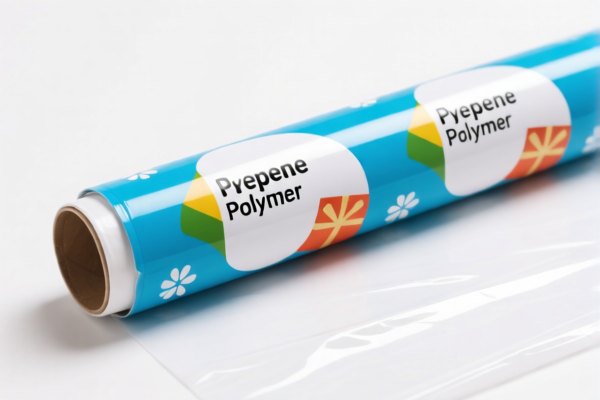

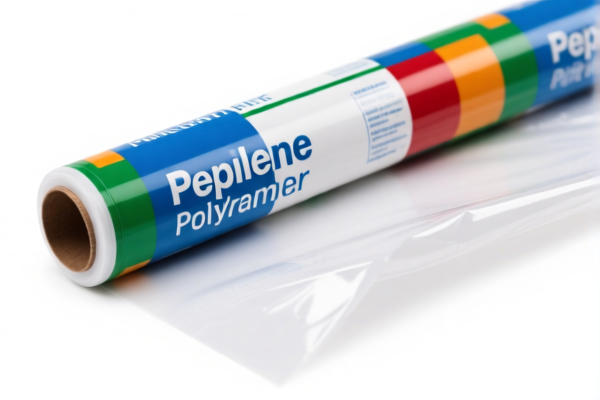

AI Analysis
🎁 Polypropylene Gift Packaging Tape (Plastic Packaging Film)
🌐 HS Code Reference & Customs Clearance Guide | 2024/2025 Latest Tariff Analysis | Professional Strategy for PP Films 📌 I. Product Definition & Classification: What Exactly Is "PP Gift Packaging Tape"?
"Polypropylene Gift Packaging Tape" generally refers to plastic films made from polypropylene (PP) resin, processed into thin sheets, strips, or rolls, primarily used for wrapping, bundling, or sealing gifts.
In international trade, the classification depends heavily on the physical form and specific function: * Is it a standalone packaging article? (e.g., rigid boxes, specialized wrapping kits) → Often falls under Chapter 39.23. * Is it a raw material film? (e.g., large rolls of plain PP film cut to size) → Often falls under Chapter 39.20 (Plastics in primary forms) or 39.21 (Plastics sheets, plates, films, foil, and strip).
⚠️ Key Distinction:
- If the product is a pre-formed, specialized packaging item (like a specific gift wrap roll designed for retail), it may lean towards 3923.
- If it is a general-purpose plastic film used for packaging (whether for gifts or other goods), it typically falls under 3920 or 3921.
- Crucial Note: Misclassification between "Packaging Articles" (3923) and "Plastic Films" (3920/3921) can lead to significant duty discrepancies due to differing base rates and 122-section tax treatments.
📦 II. HS Code Classification Details (Based on Provided Data)
Below is the detailed breakdown of the specific HS Codes provided in the dataset, their summaries, and tax implications.
| HS Code | Product Summary & Description | Primary Material & Form | Estimated Total Tax Rate |
|---|---|---|---|
| 3923.29.00.00 | PP Gift Packaging Film: Plastic material, film form, specifically for packaging. | Polypropylene / Film | 38.0% |
| 3920.20.00.20 | PP Film: Polypropylene material, film form, used for gift packaging. | Polypropylene / Film | 39.2% |
| 3923.90.00.80 | Plastic Packaging Articles: Polypropylene material, film form for packaging. | Polypropylene / Packaging Article | 38.0% |
| 3921.19.00.10 | PP Membrane: Material and form meet core classification limits. | Polypropylene / Membrane | 41.5% |
| 3921.90.50.50 | Plastic Membrane: Polypropylene material, membrane form, fits classification features. | Polypropylene / Membrane | 39.8% |
| 3920.20.00.15 | Acrylic Polymer Membrane: PP material, film form, for gift packaging. | Polypropylene / Film | 39.2% |
🔍 Key Observation:
- 3923 Codes (3923.29.00.00, 3923.90.00.80) are generally classified as "Articles for the conveyance or packaging of goods." They have a 38.0% total tax rate. - 3920/3921 Codes are classified as "Plastics in primary forms" or "Plates, sheets, films..." They have varying rates ranging from 39.2% to 41.5%. - 3921.19.00.10 carries the highest tax burden at 41.5%, often due to stricter "core limitation" interpretations or specific subheading duties.
💰 III. 2024/2025 Latest Tariff Rate Breakdown (Detailed Tax Structure)
✅ Applicable Context: Based on the provided data, these rates reflect the combination of Base Tariffs and Specific Add-on Tariffs (likely US-China Trade Context given "Section 122" and "Add-on Tariffs").
🎯 1. 3923.29.00.00 & 3923.90.00.80 – PP Packaging Films/Articles
- Total Tax Rate: 38.0%
- Tax Composition:
- Base Tariff: 3.0%
- Add-on Tariff (Section 301/Retaliatory): 25.0%
- Section 122 Tariff: 10.0%
- Calculation Formula:
CIF Value × 3.0%+CIF Value × 25.0%+CIF Value × 10.0%= 38.0% - De Minimis Exemption: ❌ NOT Eligible. High ad-valorem rates usually disqualify small packages from duty-free thresholds (e.g., US $800 rule often excludes goods subject to Section 301/122 duties).
🎯 2. 3920.20.00.20 & 3920.20.00.15 – General PP Films
- Total Tax Rate: 39.2%
- Tax Composition:
- Base Tariff: 4.2%
- Add-on Tariff (Section 301/Retaliatory): 25.0%
- Section 122 Tariff: 10.0%
- Calculation Formula:
CIF Value × 4.2%+CIF Value × 25.0%+CIF Value × 10.0%= 39.2% - Note: Slightly higher base tariff (4.2% vs 3.0%) compared to 3923 items.
🎯 3. 3921.90.50.50 – Other Plastic Membranes
- Total Tax Rate: 39.8%
- Tax Composition:
- Base Tariff: 4.8%
- Add-on Tariff (Section 301/Retaliatory): 25.0%
- Section 122 Tariff: 10.0%
- Calculation Formula:
CIF Value × 4.8%+CIF Value × 25.0%+CIF Value × 10.0%= 39.8%
🎯 4. 3921.19.00.10 – PP Membranes (Core Limitation)
- Total Tax Rate: 41.5% ⚠️ HIGHEST RATE
- Tax Composition:
- Base Tariff: 6.5%
- Add-on Tariff (Section 301/Retaliatory): 25.0%
- Section 122 Tariff: 10.0%
- Calculation Formula:
CIF Value × 6.5%+CIF Value × 25.0%+CIF Value × 10.0%= 41.5% - Warning: This subheading often catches general-purpose films that do not fit neatly into "packaging articles" but are strictly defined as "membranes" with specific physical characteristics. Avoid this code if possible due to the high base rate.
🛠️ IV. Customs Clearance Practical Advice (Avoiding Pitfalls)
✅ 1. Preparation Checklist (Non-Negotiable)
| Document | Requirement | Explanation |
|---|---|---|
| ✅ Product Specification Sheet | ✔️ Mandatory | Must detail: Material (100% PP or blend), Thickness (microns), Width, Roll Length, Color, Surface Treatment (Glossy/Matte). |
| ✅ Commercial Invoice | ✔️ Mandatory | Must clearly state: "Polypropylene Gift Packaging Film," HS Code, Unit Price, Total Value. Avoid vague terms like "Plastic Wrap." |
| ✅ Packing List | ✔️ Mandatory | Detail net/gross weight. Ensure weight matches invoice. |
| ✅ Certificate of Origin | ✔️ Recommended | If shipped from non-China countries, may reduce/eliminate Section 122/301 duties. |
| ✅ Test Reports (RoHS/REACH) | ✔️ Recommended | Many buyers require proof of non-toxic materials for gift packaging. |
✅ 2. Declaration Tips (Critical Keywords)
🔥 Golden Rule: "Describe the Function, Not Just the Material!"
| Scenario | Recommended Description | Risk if Vague |
|---|---|---|
| Gift Wrap Rolls | "Polypropylene Film for Gift Packaging" | If declared just as "Plastic Film," customs may assign 3921 (higher base rate) or require additional proof of use. |
| Strapping Tape | "Polypropylene Strapping Tape" | Ensure it is described as "strapping" if intended for bundling, not just wrapping. |
| Clear Cellophane Roll | "Transparent PP Film, 20mic, for Retail Packaging" | Specify thickness and transparency. Vague "Cellophane" (which is actually cellulose) can cause re-classification issues. |
✅ 3. Strategic Classification Advice
- Aim for 3923: If the product is clearly intended for end-user packaging (e.g., gift wrap sold in rolls for wrapping presents), argue for 3923.29.00.00 or 3923.90.00.80. The 38.0% rate is lower than the 41.5% of 3921.19.00.10.
- Avoid 3921.19.00.10: This code has a 6.5% base rate plus 35% add-ons. Only use if the product is a raw industrial film not specifically shaped for packaging.
- Section 122 & 301 are Cumulative: Remember, the 25% and 10% are added to the base rate. They are not alternatives. Do not assume "25% total" – it is Base + 25% + 10%.
🌍 V. Global Market Comparison (2024/2025 Snapshot)
| Region | Typical HS Code | Est. Tariff (China Origin) | Key Considerations |
|---|---|---|---|
| 🇺🇸 USA | 3923.29.00.00 / 3920.20.00.20 | 38.0% - 41.5% | High tariffs due to Section 301 & 122. De Minimis ($800) often blocked for these codes. |
| 🇨🇳 China | 3920.20.00.20 / 3923.29.00.00 | 0% - 5% (Import Duty) | Low import duties. VAT (13%) applies. No Section 301/122. |
| 🇪🇺 EU | 3920.20.00.20 / 3923.29.00.00 | 4.5% - 6.5% | Standard MFN rates. No additional geopolitical tariffs like US Section 122. REACH compliance critical. |
| 🇬🇧 UK | 3920.20.00.20 / 3923.29.00.00 | 5.0% - 6.5% | Post-Brexit tariffs align closely with EU. Check for specific UK trade agreements. |
📌 Conclusion for US Imports:
The tax burden is very high (38-41.5%).
Strategy:
- Consolidate shipments to maximize efficiency.
- Ensure documentation is flawless to avoid delays (which incur demurrage).
- Consider if the product can be classified under 3923 (packaging articles) rather than 3921 (films) to save 3.5% (41.5% -> 38.0%).
📌 VI. Common Mistakes & Pitfalls (Lessons Learned)
❌ Mistake 1: Declaring "Plastic Film" generically.
👉 Result: Customs may assign the worst-case scenario HS Code (e.g., 3921.19.00.10 at 41.5%) or request manual classification, causing delays.
✅ Fix: Be specific: "PP Film for Gift Packaging, 20 Micron."
❌ Mistake 2: Ignoring Section 122 (10%).
👉 Result: Underpaying duties by 10%, leading to penalties and audits upon arrival.
✅ Fix: Always add 10% to the calculation if from China.
❌ Mistake 3: Confusing "Polypropylene" with "Cellophane" (Cellulose).
👉 Result: "Cellophane" often falls under different HS codes (e.g., 3920.20 vs 3919) with different duties.
✅ Fix: Confirm material composition. If it's PP, state "Polypropylene." If it's cellulose, state "Cellulose."
🎯 VII. Conclusion: Smart Classification Saves Money!
🎯 Remember This Rule:
🔹 "3923 is often cheaper (38%) than 3921 (41.5%)."
🔹 "Section 122 + 301 = 35% Extra. Plan for it!"
🔹 "Be Specific: 'PP Film for Gifts' beats 'Plastic Wrap'."
📌 Pro Tip:
For large volume imports, consider applying for a Pre-Ruling from Customs (e.g., US CBP Ruling) to lock in the HS Code classification before shipment. This prevents surprises at the border.
📣 Action Step:
📞 Contact your freight forwarder with the exact product specs.
📄 Prepare a detailed Packing List and Invoice highlighting "Gift Packaging Use."
🚀 Optimize for 3923.29.00.00 to secure the 38.0% rate instead of 41.5%.
✨ Professional Clearance Starts with Precise Classification!
💼 Your Profit Margin Depends on Accurate Tariff Calculation!
Customer Reviews
About HS Code Classification
The Harmonized System (HS) is an internationally standardized nomenclature developed by the World Customs Organization (WCO) to classify traded products. Over 200 countries use the HS system as the basis for customs tariffs, trade statistics, and import/export regulations.
Each HS code follows a hierarchical structure:
- Chapter (2 digits) — Broad category of goods (e.g., Chapter 84: Machinery and Mechanical Appliances)
- Heading (4 digits) — More specific grouping within the chapter
- Subheading (6 digits) — Internationally standardized breakdown, used by all WCO member countries
- National subdivisions (8-10 digits) — Country-specific extensions for further classification, such as US HTSUS 10-digit codes
Correct HS code classification is essential for smooth customs clearance, accurate duty payment, and compliance with trade regulations. Misclassification can lead to customs delays, overpayment of duties, or penalties.
When importing from CN to US, the applicable tariff rates may include:
- Most-Favored-Nation (MFN) rate — The standard duty rate applied to WTO members
- General rate — Applied to countries without trade agreements
- Trade remedy duties — Additional tariffs such as Section 301 (anti-dumping), Section 232 (national security), or countervailing duties
The information provided on this page is for reference purposes only. For official classification, please consult with your local customs authority or a licensed customs broker.