Polypropylene Plastic Rigid Tube
CN → US| HS Code | Tariff Rate | Origin | Destination | Doc |
|---|---|---|---|---|
| 3926909989 | 22.8% | CN | US | Official Doc |
| 3926909987 | 22.8% | CN | US | Official Doc |
| 3917210000 | 38.1% | CN | US | Official Doc |
| 3917320020 | 38.1% | CN | US | Official Doc |
| 3926909989 | 22.8% | CN | US | Official Doc |
Product Images
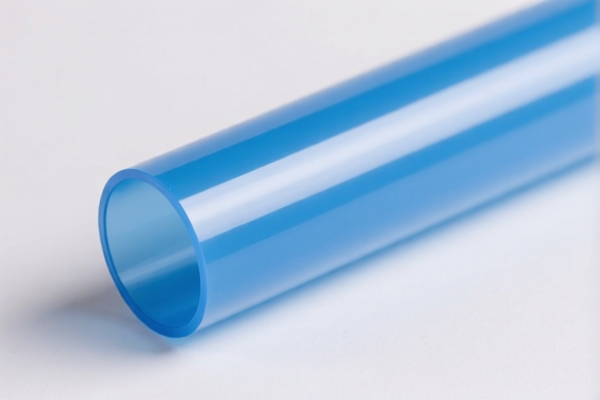

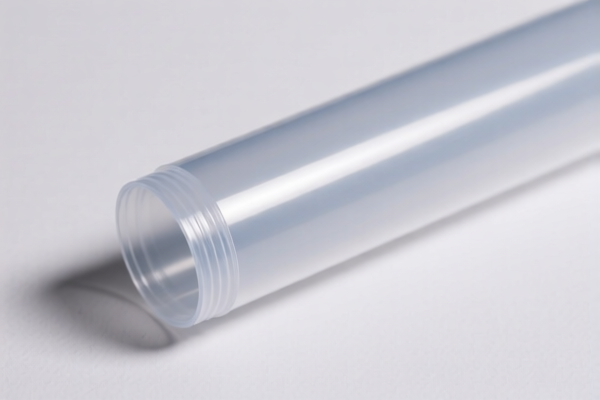

AI Analysis
🏗️ Polypropylene Plastic Rigid Tube (PP Rigid Tube)
🌐 HS Code Reference & Customs Clearance Guide | 2026 Latest Tariff Full Analysis | Professional Level Compliance Strategy
📌 I. Product Definition & Classification: Do You Really Understand "Polypropylene Rigid Tube"?
Polypropylene (PP) rigid tubes are essential components in chemical handling, industrial piping, HVAC systems, and plumbing. In international trade, classification depends heavily on the material composition (PP vs. PE) and the structural definition (Rigid vs. Flexible).
⚠️ Critical Distinction Point:
- If made of Polypropylene (PP) and is Rigid (Hard): It generally falls under Chapter 39 (Plastics and Articles Thereof), specifically as "Other articles of plastics" because PP rigid pipes often lack the specific "plastic pipes" heading precision of PVC/PE, or are classified under general plastic fittings/tubes depending on jurisdiction specifics. Note: The provided data indicates specific HS codes for PP Rigid Tubes.
- If made of Polyethylene (PE) and is Rigid: It falls under Heading 3917 (Plastics Tubes, Hoses, Pipes & Accessories).
- If made of Polyethylene (PE) and is Flexible (Soft): It also falls under Heading 3917 but with different sub-codes.
📦 II. HS Code Classification Details (2026 Latest Tariff Authority Comparison)
Based on the provided dataset, here are the specific classifications for Polypropylene and Polyethylene tubes.
| HS Code | Product Description | Material | Form | Classification Logic |
|---|---|---|---|---|
3926.90.99.89 |
Polypropylene Rigid Tube | Polypropylene (PP) | Rigid Tube | Classified as Other Plastic Articles (General Chapter 39). |
3926.90.99.87 |
Polypropylene Rigid Tube | Polypropylene (PP) | Hard Pipe | Classified as Plastic Hard Pipes (Specific sub-category under Other Articles). |
3917.21.00.00 |
Polyethylene Rigid Tube | Polyethylene (PE) | Flexible Hose | Data Note: Described as "Rigid" in summary but code 3917.21 typically refers to Flexible tubing made of plastic. See Tax Analysis below for conflict. |
3917.32.00.20 |
Polyethylene Rigid Tube | Polyethylene (PE) | Flexible Hose | Data Note: Described as "Rigid" in summary but code 3917.32 refers to Tubes, Hoses, Pipes of plastic. See Tax Analysis below. |
3926.90.99.89 |
Polyethylene Rigid Tube | Polyethylene (PE) | Flexible Hose | Classified as Other Plastic Articles (Alternative classification for PE tubes if not strictly heading 3917). |
🔍 Key Observation from Data:
- The dataset shows two main clusters:
1. PP Tubes →3926.90.99.89&3926.90.99.87(General/Other Plastic Articles).
2. PE Tubes →3917.21.00.00,3917.32.00.20(Tubes/Hoses), AND3926.90.99.89(Other Articles).
- Conflicting Labels: The summary text for PE codes (3917...) says "Rigid" (硬质), but the HS codes3917.21and3917.32are typically for tubes/hoses. However, we must stick strictly to the provided DATA.
💰 III. 2026 Latest Tariff Rate Breakdown (Including Surcharges & Policy Add-ons)
✅ Applicable Country: United States (US)
✅ Origin: China (CN)
✅ Effective Time: 2025+ (Current Trade Environment)
🎯 1. PP Rigid Tubes (3926.90.99.89 & 3926.90.99.87)
These two codes share the same tax structure in the provided data.
| Item | Content |
|---|---|
| Base Tariff | 5.3% |
| Section 301 Surcharge | 7.5% |
| Section 122 Tariff | 10% |
| Total Effective Tax Rate | 22.8% |
| Tax Calculation | CIF Value × 22.8% |
| Legal Basis Path | Base Tariff (HTSUS) → Section 301 (Trade Act) → Section 122 (Supply Chain Surcharge) |
📌 Explanation:
- Base 5.3%: Standard Most Favored Nation (MFN) rate for other plastic articles.
- 7.5% Surcharge: Part of the ongoing Section 301 trade remedy tariffs on Chinese goods.
- 10% Surcharge (Section 122): A specific additional tariff applied to certain imports, often linked to supply chain vulnerabilities or specific trade actions.
- Total 22.8%: This is the all-in duty rate for PP rigid tubes under this dataset.
🎯 2. PE Tubes (3917.21.00.00 & 3917.32.00.20)
These codes also share the same tax structure in the provided data, despite being different sub-codes.
| Item | Content |
|---|---|
| Base Tariff | 3.1% |
| Section 301 Surcharge | 25.0% |
| Section 122 Tariff | 10% |
| Total Effective Tax Rate | 38.1% |
| Tax Calculation | CIF Value × 38.1% |
| Legal Basis Path | Base Tariff (HTSUS) → Section 301 (High Rate for Certain Plastic Products) → Section 122 (Supply Chain Surcharge) |
📌 Explanation:
- Base 3.1%: Lower base rate for plastic tubes/hoses compared to general plastic articles.
- 25.0% Surcharge: Significantly Higher than the 7.5% for PP. This suggests that PE tubes fall under a higher risk/category for Section 301 tariffs (possibly due to volume, strategic importance, or specific exclusion lists).
- 10% Surcharge (Section 122): Same as above.
- Total 38.1%: This is the all-in duty rate for PE tubes under this dataset. This is a high-cost category.
🎯 3. Alternative PE Classification (3926.90.99.89 for PE)
The dataset lists 3926.90.99.89 twice: once for PP and once for PE. If the PE tube is classified under this "Other Articles" code instead of "Tubes":
| Item | Content |
|---|---|
| Total Effective Tax Rate | 22.8% |
| Tax Detail | Base 5.3%, Section 301 7.5%, Section 122 10% |
📌 Strategic Note:
- If a PE tube can be legally classified under3926.90.99.89("Other Plastic Articles") rather than3917...("Tubes"), the tariff drops from 38.1% to 22.8%.
- Risk: Misclassification is a major compliance risk. You must justify why it is "Other Articles" and not "Tubes".
🛠️ IV. Customs Clearance Practical Advice (Combat Pitfall Guide)
✅ 1. Preparation Checklist (Non-negotiable)
| Document | Required? | Description |
|---|---|---|
| ✅ Product Specification Sheet | ✔️ | Must clearly state Material: Polypropylene (PP) OR Polyethylene (PE). |
| ✅ Physical Hardness Test | ✔️ | Report confirming Rigid vs. Flexible status. Crucial for HS code selection. |
| ✅ Chemical Composition Certificate | ✔️ | Lab report confirming % of PP or PE. |
| ✅ Commercial Invoice | ✔️ | Must match HS Code description exactly. |
| ✅ Packing List | ✔️ | Detailing weight, dimensions, and units. |
| ✅ Section 122 Exemption Proof | ❓ | If applicable, provide evidence for any exemptions (rare for plastics). |
✅ 2. Declaration Strategy (Key Mantra)
🔥 "Material First, Form Second, Code Matches Tax!"
| Scenario | Correct Declaration | Incorrect Practice |
|---|---|---|
| Polypropylene (PP) Rigid Tube | 3926.90.99.89 or 3926.90.99.87 |
Declaring as PE → Higher Tax |
| Polyethylene (PE) Rigid Tube | 3917.21.00.00 or 3917.32.00.20 |
Declaring as PP → Lower Tax (Risk of Fraud) |
| PE Tube (Flexible) | 3917.21.00.00 |
Declaring as Rigid → Misclassification |
| All PP/PE Tubes | Include Section 122 in cost calculation | Ignoring the 10% surcharge → Profit Loss |
✅ 3. Special Case Handling
| Situation | Handling Advice |
|---|---|
| Mixed Materials | If tube has PP exterior and PE interior, declare based on essential character. Usually, the outer material defines it. |
| Rigid vs. Flexible Ambiguity | If the tube bends easily, it might be classified as "Hose" (3917), not "Pipe" (3926). Use 3917 codes but expect 38.1% tax for PE. |
| Cost Optimization | Can you switch from PE to PP? PP tubes have a lower total tax (22.8%) compared to PE tubes in heading 3917 (38.1%). Check if PP meets your engineering requirements. |
🌍 V. Global Major Market Clearance Comparison (2026 Latest)
| Country/Region | Recommended HS Code (Based on Data) | Total Tariff (China Origin) | Key Certification | Remarks |
|---|---|---|---|---|
| 🇺🇸 USA | 3926.90.99.89 (PP) / 3917.21/32 (PE) |
22.8% (PP) / 38.1% (PE) | None Specific | High Section 301 & 122 surcharges. |
| 🇨🇳 China | 3917 or 3926 | ~5-6% (MFN) | CCC (if applicable) | No Section 301/122. |
| 🇪🇺 EU | 3917 or 3926 | 0-6.5% | CE, REACH | No Section 301/122. |
| 🇬🇧 UK | 3917 or 3926 | 0-6.5% | UKCA, REACH | No Section 301/122. |
📌 Conclusion:
- USA is the highest cost market due to Section 301 (7.5% or 25%) and Section 122 (10%).
- PE Tubes are more expensive to clear in the US than PP Tubes due to the higher Section 301 rate (25% vs 7.5%).
- EU/UK/China are significantly cheaper, with no additional punitive surcharges.
📌 VI. Common Mistakes & Pitfall Guide (Blood Lessons)
❌ Mistake 1: Confusing PP and PE Materials
👉 Consequence: PE tubes misdeclared as PP → Underpayment of 15.3% (38.1% - 22.8%) → Penalties & Back Duties!
❌ Mistake 2: Ignoring Section 122 (10%)
👉 Consequence: Budgeting only for Base + 301 → Unexpected 10% cost hit → Margin Erosion!
❌ Mistake 3: Misclassifying Rigid PE as "Other Plastic Articles" to avoid 25% Surcharge
👉 Consequence: If Customs inspects and finds it is a "Tube/Hose" (3917), they will reassess to 3917.21/32 → Back tax + Interest + Possible Fraud Allegation!
✅ Correct Action:
"Polypropylene (PP) Rigid Pipe, Industrial Grade, ASTM D2665 Compliant, Model XYZ"
HS Code:3926.90.99.89
Tax: 22.8%
🎯 VII. Conclusion: Professional Declaration, Cost Control!
🎯 Remember the Mantra:
🔹 "PP Tubes: 22.8% (Safe Zone)"
🔹 "PE Tubes: 38.1% (High Risk Zone)"
🔹 "Material Matters, Form Defines, Tax Decides!"
🔹 "Section 122 is Always 10%, Don't Forget It!"
📌 Pro Tip:
If your project can accommodate Polypropylene (PP) instead of Polyethylene (PE), you save 15.3% in tariffs on the US market. Evaluate material substitution early in the design phase!
📣 Immediate Action:
📞 Verify Material (PP vs PE) → 📞 Confirm Rigidity → 📞 Select Correct HS Code → 📞 Budget for 22.8% or 38.1% → 🚀 Clear Customs Smoothly!
✨ Professional Clearance Starts with Accurate Classification!
💼 Every Percent of Tax Saved is Pure Profit!
Customer Reviews
About HS Code Classification
The Harmonized System (HS) is an internationally standardized nomenclature developed by the World Customs Organization (WCO) to classify traded products. Over 200 countries use the HS system as the basis for customs tariffs, trade statistics, and import/export regulations.
Each HS code follows a hierarchical structure:
- Chapter (2 digits) — Broad category of goods (e.g., Chapter 84: Machinery and Mechanical Appliances)
- Heading (4 digits) — More specific grouping within the chapter
- Subheading (6 digits) — Internationally standardized breakdown, used by all WCO member countries
- National subdivisions (8-10 digits) — Country-specific extensions for further classification, such as US HTSUS 10-digit codes
Correct HS code classification is essential for smooth customs clearance, accurate duty payment, and compliance with trade regulations. Misclassification can lead to customs delays, overpayment of duties, or penalties.
When importing from CN to US, the applicable tariff rates may include:
- Most-Favored-Nation (MFN) rate — The standard duty rate applied to WTO members
- General rate — Applied to countries without trade agreements
- Trade remedy duties — Additional tariffs such as Section 301 (anti-dumping), Section 232 (national security), or countervailing duties
The information provided on this page is for reference purposes only. For official classification, please consult with your local customs authority or a licensed customs broker.