Polypropylene Sheet Raw Material
CN → US| HS Code | Tariff Rate | Origin | Destination | Doc |
|---|---|---|---|---|
| 3915900090 | 35.0% | CN | US | Official Doc |
| 3902900050 | 41.5% | CN | US | Official Doc |
| 3902100000 | 41.5% | CN | US | Official Doc |
Product Images
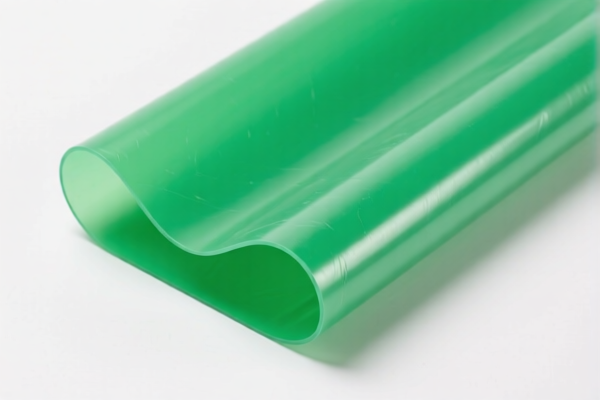
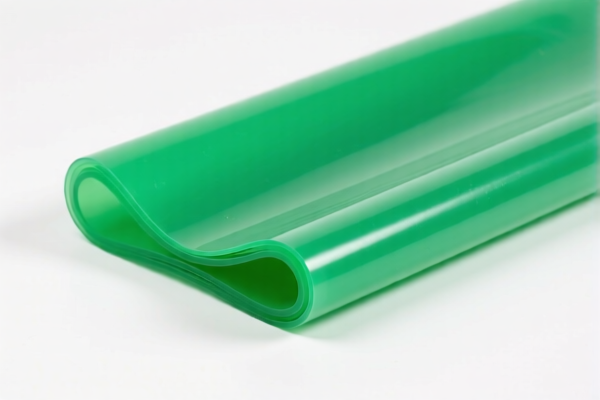
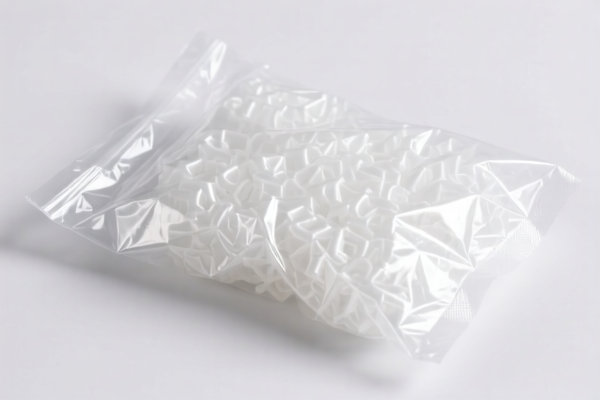
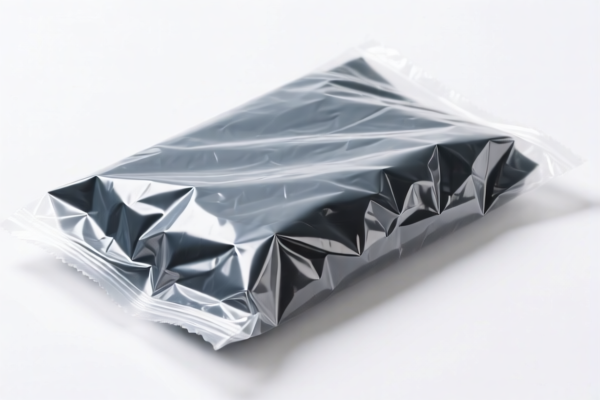
AI Analysis
📦 Polypropylene Sheet Raw Material (PP Sheets)
🌐 HS Code Reference & Customs Clearance Guide | 2026 Latest Tariff Breakdown | Professional Entry Strategy
📌 I. Product Definition & Classification: Is it "Scrap" or "Raw Material"?
Polypropylene (PP) sheet raw materials are a critical component in the plastics manufacturing industry. However, in international trade, they sit at a delicate intersection between plastic waste/recyclates and primary plastic forms. The classification depends heavily on the physical state (sheet form vs. primary shape) and the nature of the material (virgin vs. non-PET plastic waste).
In the provided data, three distinct HS Codes emerge, reflecting different interpretations of the product's form and origin logic. Understanding the nuance between "Sheet Raw Material" (3915) and "Primary Form" (3902) is the key to accurate duty calculation.
⚠️ Key Distinction Point:
- If the material is defined as non-PET plastic waste, fragments, or trimmings (even if in sheet form initially processed), it may fall under 3915.90.
- If the material is explicitly defined as Polypropylene Polymer in Primary Form (resins, pellets, or raw stock not yet processed into final shapes), it falls under 3902.90 or 3902.10.
- The "Sheet Raw Material" label in the summary for 3915 suggests a specific logic where sheet forms are categorized under plastic waste/trimmings if not strictly "primary form" in the regulatory sense.
📊 II. HS Code Classification Details (2026 Latest Tariff Authority Comparison)
| HS Code | Product Description | Application Scenario | Tax Logic |
|---|---|---|---|
3915.90.00.90 |
Plastic Waste, Scrap & Trimmings: Non-PET class plastic waste, fragments, and trimmings (including primary form raw materials per specific material logic). | Recycled PP sheets, trimmings from sheet production, non-virgin raw stock classified as waste/fragments. | Low Base Tariff (0%) |
3902.90.00.50 |
Other Polyolefins in Primary Form: Polypropylene polymers in primary form, consistent with material and form requirements of classification explanations. | Virgin PP resins, primary form raw materials, standard polymer inputs. | High Base Tariff (6.5%) |
3902.10.00.00 |
Homopolymers of Propylene in Primary Form: Polypropylene polymer in primary form, meeting the definition of primary form. | Standard virgin Polypropylene (Homopolymer) resins/pellets. | High Base Tariff (6.5%) |
🔍 Critical Reminder:
- 3915.90 is often used for recycled or waste-derived materials. If your "sheet raw material" is virgin PP but classified as "trimmings" or "fragments," it might be forced into this category by customs if documentation doesn't prove "primary form" status.
- 3902.90/3902.10 are for Virgin/Primary materials. These carry higher base duties but are the standard for new production inputs.
- Do not mix classifications: Claiming "Primary Form" when it is "Waste/Scrap" can lead to fraud allegations. Conversely, classifying Virgin PP as Waste reduces duties but risks penalties if the product is 100% new.
💰 III. 2026 Latest Tariff Rate Breakdown (Including Additional Duties & Policy Surcharges)
✅ Applicable Country: United States (US)
✅ Country of Origin: China (CN)
✅ Effective Time: Post-2025 Import Policies
🎯 1. 3915.90.00.90 —— Plastic Waste, Scrap & Trimmings (Non-PET)
| Item | Content |
|---|---|
| Base Tariff | 0.0% (ad valorem) |
| USITC Additional Duty | +25.0% (Section 301 / USITC Footnote) |
| 122 Clause Duty (IEEPA) | +10.0% (Specific clause for Chinese products) |
| Total Tariff Rate | 35.0% |
| Tax Calculation | CIF Value × 35% |
| De Minimis Exemption | ❌ Not Eligible (High duty rate disqualifies it) |
| Legal Basis Path | USITC:3915.90.00.90 → Footnote:301 → 122 Clause:10% |
📌 Explanation:
- This code has zero base duty, making it attractive for recycled materials.
- However, the 25% Section 301 tariff and 10% 122 Clause tariff still apply, totaling 35%.
- Key Advantage: Compared to the 3902 codes, this saves 6.5% in base duty, but you must prove the material falls under "Waste/Scrap/Trimmings" logic.
🎯 2. 3902.90.00.50 —— Other Polyolefins in Primary Form
| Item | Content |
|---|---|
| Base Tariff | 6.5% (ad valorem) |
| USITC Additional Duty | +25.0% (Section 301 / USITC Footnote) |
| 122 Clause Duty (IEEPA) | +10.0% (Specific clause for Chinese products) |
| Total Tariff Rate | 41.5% |
| Tax Calculation | CIF Value × 41.5% |
| De Minimis Exemption | ❌ Not Eligible |
| Legal Basis Path | USITC:3902.90.00.50 → Footnote:301 → 122 Clause:10% |
📌 Explanation:
- This is for Polypropylene in Primary Form (e.g., granules, powders) that is not homopolymer.
- The 6.5% base duty pushes the total to 41.5%.
- Must provide proof of "Primary Form" status (not sheets, but raw polymer).
🎯 3. 3902.10.00.00 —— Homopolymers of Propylene in Primary Form
| Item | Content |
|---|---|
| Base Tariff | 6.5% (ad valorem) |
| USITC Additional Duty | +25.0% (Section 301 / USITC Footnote) |
| 122 Clause Duty (IEEPA) | +10.0% (Specific clause for Chinese products) |
| Total Tariff Rate | 41.5% |
| Tax Calculation | CIF Value × 41.5% |
| De Minimis Exemption | ❌ Not Eligible |
| Legal Basis Path | USITC:3902.10.00.00 → Footnote:301 → 122 Clause:10% |
📌 Explanation:
- This is the standard code for Virgin Polypropylene (Homopolymer) in primary form.
- Identical tax structure to 3902.90 (41.5% total).
- If your "sheet raw material" is actually virgin PP resin, this is the most accurate technical classification.
🛠️ IV. Customs Clearance Practical Advice (Battle-Tested Pitfall Avoidance Guide)
✅ 1. Documentation Checklist (Non-Negotiable)
| Document | Required | Explanation |
|---|---|---|
| ✅ Product Specification Sheet | ✔️ | Must clearly state: Material (PP), Form (Sheet/Primary), Origin (China). |
| ✅ Material Safety Data Sheet (MSDS) | ✔️ | Confirms chemical composition and lack of hazardous waste status. |
| ✅ Certificate of Origin (CO) | ✔️ | Critical for verifying China origin to apply correct 301/122 duties. |
| ✅ Commercial Invoice | ✔️ | Description must match HS Code logic (e.g., "PP Waste Sheets" vs. "PP Primary Resin"). |
| ✅ Packaging List | ✔️ | Detail weight, quantity, and packaging type. |
| ✅ Proof of "Primary Form" or "Waste Status" | ✔️ | Crucial: If claiming 3915, provide evidence of waste/recycled status. If claiming 3902, provide proof of virgin/primary form (e.g., lab test, manufacturing certificate). |
✅ 2. Declaration Strategy (Key Mnemonics)
🔥 "Form Dictates Code, Waste Lowers Base, Primary Raises Base, 301 Hits All!"
| Scenario | Correct Declaration | Common Mistake |
|---|---|---|
| Virgin PP Resin/Pellets | 3902.10.00.00 or 3902.90.00.50 |
Calling it "Sheet Raw Material" without proving primary form → Risk of reclassification to 3915 or penalties. |
| Recycled PP Sheets/Trimmings | 3915.90.00.90 |
Calling it "Primary Form" when it's recycled → Fraud/Audit risk. |
| Virgin PP Sheets (Cut from rolls) | Caution: May still be 3902 if considered "Primary Form" input, but often scrutinized. | Misdeclaring as 3915 to save 6.5% base duty → High audit risk. |
| Mixed PP Waste | 3915.90.00.90 |
Splitting waste and virgin → Complex customs review. |
✅ 3. Special Case Handling
| Situation | Handling Advice |
|---|---|
| "Sheet Raw Material" Ambiguity | If the product is sheets but used as raw input for further processing, Customs may still classify under 3915 if it's considered "trimmings" or "non-primary form." Provide clear intent documentation. |
| 122 Clause Impact | The 10% 122 Clause applies to all three codes. There is no exemption for PP sheets from China. Factor this into cost calculations. |
| Section 301 (25%) | Unavoidable for Chinese origin. No workaround unless the product is re-exported from a third country with substantial transformation (high bar to meet). |
| De Minimis (Section 321) | Not Eligible. Total duties > $800 threshold disqualifies de minimis. Full formal entry required. |
🌍 V. Global Market Clearance Comparison (2026 Latest)
| Country/Region | Recommended HS Code | Tariff Rate | Certification | Notes |
|---|---|---|---|---|
| 🇺🇸 USA | 3915.90.00.90 / 3902.x0 |
35% - 41.5% | None specific for PP | Highest Duty Market. 301 + 122 clauses apply. |
| 🇨🇳 China | 3915.90 / 3902.10 |
0% - 6.5% | RoHS/CCC (if recycled) | Base duty varies by form. |
| 🇪🇺 EU | 3915.90 / 3902.10 |
0% - 6.5% | REACH/ROHS | No Section 301 equivalent, but CE marking may be needed for end-use. |
| 🇦🇺 Australia | 3915.90 / 3902.10 |
0% - 5% | ABR Approval | Generally lower duties than US. |
| 🇯🇵 Japan | 3915.90 / 3902.10 |
0% - 6% | JIS Standards | Free Trade Agreement (JTEPA) may offer reductions if eligible. |
📌 Conclusion:
- The USA is the most expensive market due to Section 301 (25%) + 122 Clause (10%).
- 3915.90 is the cheapest option (35% total) but strictly for waste/trimmings.
- 3902 codes (41.5% total) are for virgin/primary materials.
- Strategy: If you are importing recycled PP sheets, use 3915.90.00.90 to save 6.5% base duty. If virgin, you must pay the higher rate.
📌 VI. Common Errors & Pitfall Guide (Blood & Tears Lessons)
❌ Mistake 1: Classifying Virgin PP Sheets as 3915.90 (Waste)
👉 Consequence: Customs audit for fraud. Back taxes + Penalties if proven virgin.
✅ Correction: If virgin, classify under 3902.
❌ Mistake 2: Assuming De Minimis applies because it's "raw material"
👉 Consequence: Seizure of shipment. Duties > $800 threshold.
✅ Correction: Full formal entry required.
❌ Mistake 3: Ignoring the 122 Clause (10%) in cost calculations
👉 Consequence: Profit margin erosion. 10% is significant on high-value shipments.
✅ Correction: Include 122 Clause in all CIF-based quotes.
❌ Mistake 4: Using vague descriptions like "Plastic Sheets"
👉 Consequence: Customs Hold for classification uncertainty.
✅ Correction: Use precise terms: "Polypropylene (PP) Sheet Raw Material, Non-PET Waste/Trimmings" or "Polypropylene Homopolymer, Primary Form."
🎯 VII. Conclusion: Precision Classification Saves Money!
🎯 Remember the Mnemonic:
🔹 "Waste = 3915 (35%), Primary = 3902 (41.5%), 301 & 122 Hit Both!"
🔹 "Check the Form: If it's waste, save 6.5%. If it's virgin, pay the premium."
🔹 "Documentation is King: Prove the nature of the material to avoid audits."
📌 Pro Tip:
If your Polypropylene Sheet Raw Material is 100% Virgin, do not try to force it into 3915.90 unless it truly meets the "waste/trimming" definition under US customs law. The risk of reclassification and penalties outweighs the 6.5% savings.
For Recycled/Non-PET Waste sheets, 3915.90.00.90 is the optimal choice.
📣 Immediate Action:
📞 Contact Your Customs Broker + Provide Lab Tests/Manufacturing Certificates + Request Advance Ruling if uncertain about "Primary Form" vs. "Waste" status.
🚀 Clearance is Smooth, Costs are Controlled, Profits are Maximized!
✨ Professional Clearance Starts with Accurate Classification!
💼 Every Percent of Duty is a Dollar of Profit!
Customer Reviews
About HS Code Classification
The Harmonized System (HS) is an internationally standardized nomenclature developed by the World Customs Organization (WCO) to classify traded products. Over 200 countries use the HS system as the basis for customs tariffs, trade statistics, and import/export regulations.
Each HS code follows a hierarchical structure:
- Chapter (2 digits) — Broad category of goods (e.g., Chapter 84: Machinery and Mechanical Appliances)
- Heading (4 digits) — More specific grouping within the chapter
- Subheading (6 digits) — Internationally standardized breakdown, used by all WCO member countries
- National subdivisions (8-10 digits) — Country-specific extensions for further classification, such as US HTSUS 10-digit codes
Correct HS code classification is essential for smooth customs clearance, accurate duty payment, and compliance with trade regulations. Misclassification can lead to customs delays, overpayment of duties, or penalties.
When importing from CN to US, the applicable tariff rates may include:
- Most-Favored-Nation (MFN) rate — The standard duty rate applied to WTO members
- General rate — Applied to countries without trade agreements
- Trade remedy duties — Additional tariffs such as Section 301 (anti-dumping), Section 232 (national security), or countervailing duties
The information provided on this page is for reference purposes only. For official classification, please consult with your local customs authority or a licensed customs broker.