Polypropylene Star Ribbon
CN → US| HS Code | Tariff Rate | Origin | Destination | Doc |
|---|---|---|---|---|
| 3926903500 | 24.0% | CN | US | Official Doc |
| 3926904000 | 12.8% | CN | US | Official Doc |
| 5606000090 | 43.0% | CN | US | Official Doc |
| 5604909000 | 40.0% | CN | US | Official Doc |
| 3926909905 | 22.8% | CN | US | Official Doc |
Product Images
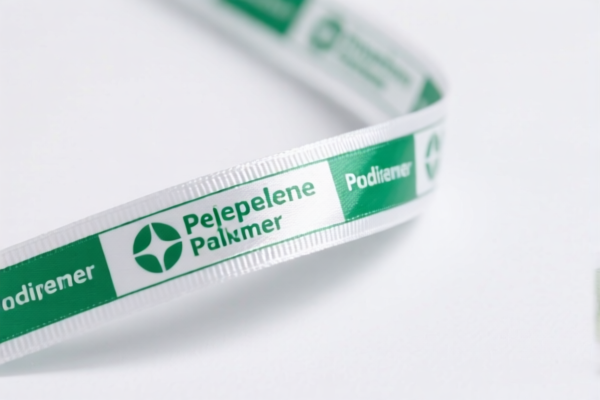
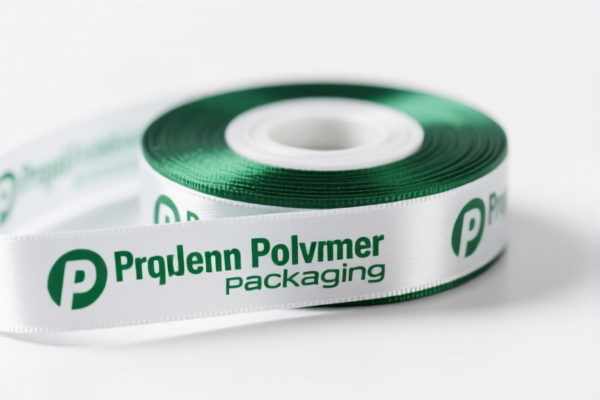
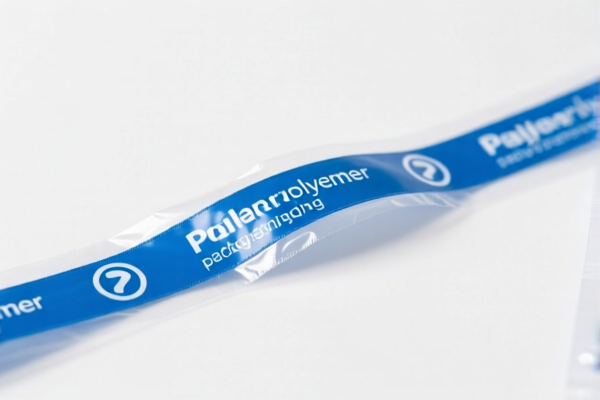
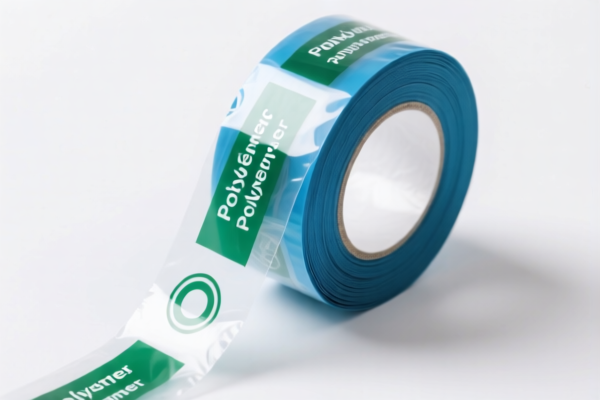
AI Analysis
🎀 Polypropylene Star Ribbon (PP Star Ribbon)
🌐 HS Code Reference & Customs Clearance Guide | 2026 Latest Tariff Analysis | Professional Clearance Strategy
📌 I. Product Definition & Classification: What is "Polypropylene Star Ribbon"?
Polypropylene (PP) Star Ribbon is a decorative textile/plastic composite product characterized by its star-shaped cross-section and material composition. In international trade, its classification depends heavily on how customs authorities interpret the material nature (Plastic vs. Textile) and the processing method (Woven/Non-woven vs. Extruded/Plastic).
⚠️ Key Classification Conflict:
- If viewed strictly as a Plastic Product (extruded/polymerized): It falls under Chapter 39.
- If viewed as a Textile/Thread (twisted strips/yarns): It falls under Chapter 56 or 54/55.
- If viewed as a Plastic-Coated Textile: It falls under Chapter 56.
📦 II. HS Code Classification Details (2026 Latest Tariff Authority Comparison)
Based on the provided data, here are the specific HS Codes applicable to Polypropylene Star Ribbons, along with their logical justifications:
| HS Code | Product Description & Logic | Applicable Scenario | Total Tax Rate |
|---|---|---|---|
3926.90.35.00 |
Plastic Product (General): PP material, ribbon shape, classified as "Other plastic articles." | Standard industrial PP star ribbons where the plastic nature dominates. | 24.0% |
3926.90.40.00 |
Plastic Strip (Specific): PP material star ribbon, classified under "Plastics of headings 3901–3914." | PP ribbons specifically identified as strips/bands from plastic raw materials. | 12.8% |
5606.00.00.90 |
Twisted Yarns/Tapes: PP material conforms to characteristics of "Twisted yarns, strips, and similar products." | Ribbons processed as twisted tapes, with no conflict from elastic filaments. | 43.0% |
5604.90.90.00 |
Plastic-Coated/Impregnated Textile: PP material conforms to "Textile/Synthetic fibers coated or impregnated with plastic." | If the ribbon is technically a fabric thread covered in PP plastic. | 40.0% |
3926.90.99.05 |
Elastic Ribbon/Band: PP material star ribbon, classified as "Elastic tapes/bands" under plastic articles. | PP star ribbons with elastic properties or used as elastic bands. | 22.8% |
🔍 Critical Distinction:
- Chapter 39 (Plastics) vs. Chapter 56 (Textiles):
- If the product is extruded plastic (melted PP formed into stars), it leans toward 3926.
- If the product is woven or twisted PP fibers treated as textiles, it leans toward 5606 or 5604.
- Tax Implication: Misclassification can lead to a 30%+ difference in tax (e.g., 12.8% vs. 43.0%).
💰 III. 2026 Latest Tariff Rate Breakdown (Including Surcharges & Policy Add-ons)
✅ Applicable Country: United States (US)
✅ Origin: China (CN)
✅ Effective Time: 2025–2026 (Includes Section 301 & Section 232 implications)
🎯 1. 3926.90.35.00 —— Plastic Products (General)
| Item | Content |
|---|---|
| Base Tariff | 6.5% (ad valorem) |
| Section 301 Surcharge | +7.5% (Retaliatory/Trade War Tariff) |
| Section 232/Tariff 122 | +10% (Specific Section 232/Tariff 122 Application) |
| Total Tax Rate | 24.0% |
| Tax Calculation | CIF Value × 24% |
| De Minimis Exemption | ❌ Not Eligible (High-value commercial imports) |
| Legal Basis Path | USITC:3926.90.35.00 → Section 301: 7.5% → Section 232/122: 10% |
📌 Explanation:
- This is a moderate-high tax bracket.
- The 122 Clause Tariff (10%) is a specific add-on often applied to certain plastic goods from China.
- Total 24% is significantly lower than textile equivalents but still substantial.
🎯 2. 3926.90.40.00 —— Plastic Strips/Bands
| Item | Content |
|---|---|
| Base Tariff | 2.8% |
| Section 301 Surcharge | +0.0% (Exempted or Lower Rate) |
| Section 122 Tariff | +10% |
| Total Tax Rate | 12.8% |
| Tax Calculation | CIF Value × 12.8% |
| De Minimis Exemption | ❌ Not Eligible |
| Legal Basis Path | USITC:3926.90.40.00 → Section 122: 10% |
📌 Note:
- This is the most cost-effective plastic classification.
- The 0% Section 301 surcharge makes it attractive for cost control.
- Justification: Must prove the product is strictly a "strip" of plastic material under headings 3901–3914.
🎯 3. 5606.00.00.90 —— Twisted Yarns/Tapes (Textile Logic)
| Item | Content |
|---|---|
| Base Tariff | 8.0% |
| Section 301 Surcharge | +25.0% (High Retaliatory Tariff on Textiles) |
| Section 122 Tariff | +10% |
| Total Tax Rate | 43.0% |
| Tax Calculation | CIF Value × 43.0% |
| De Minimis Exemption | ❌ Not Eligible |
| Legal Basis Path | USITC:5606.00.00.90 → Section 301: 25% → Section 122: 10% |
📌 Warning:
- This is the highest tax bracket.
- The 25% Section 301 tariff is standard for many textile-related items from China.
- Do not use this code unless the product is explicitly defined as "twisted yarns/tapes" in textile terms.
🎯 4. 5604.90.90.00 —— Plastic-Coated Textiles
| Item | Content |
|---|---|
| Base Tariff | 5.0% |
| Section 301 Surcharge | +25.0% |
| Section 122 Tariff | +10% |
| Total Tax Rate | 40.0% |
| Tax Calculation | CIF Value × 40.0% |
| De Minimis Exemption | ❌ Not Eligible |
| Legal Basis Path | USITC:5604.90.90.00 → Section 301: 25% → Section 122: 10% |
📌 Note:
- High tax due to 25% Section 301.
- Applicable only if the ribbon is technically a textile fiber that has been coated/impregnated with plastic.
🎯 5. 3926.90.99.05 —— Elastic Plastic Bands
| Item | Content |
|---|---|
| Base Tariff | 5.3% |
| Section 301 Surcharge | +7.5% |
| Section 122 Tariff | +10% |
| Total Tax Rate | 22.8% |
| Tax Calculation | CIF Value × 22.8% |
| De Minimis Exemption | ❌ Not Eligible |
| Legal Basis Path | USITC:3926.90.99.05 → Section 301: 7.5% → Section 122: 10% |
📌 Note:
- Moderate tax rate.
- Suitable if the star ribbon has elastic properties or is used as a band/strap.
🛠️ IV. Customs Clearance Practical Advice (Pitfall Avoidance Guide)
✅ 1. Documentation Checklist (Non-Negotiable)
| Document | Required? | Description |
|---|---|---|
| ✅ Product Specifications | ✔️ | Detail the material (PP), shape (Star), width, thickness, and usage (decorative/industrial). |
| ✅ Material Composition Test | ✔️ | Certificate showing 100% Polypropylene content to support Chapter 39 classification. |
| ✅ Product Photos | ✔️ | Clear images of the star cross-section. Show both side and end views. |
| ✅ Invoice & Packing List | ✔️ | Clearly state "Polypropylene Star Ribbon" – avoid vague terms like "Decoration." |
| ✅ Certificate of Origin (CO) | ✔️ | For origin verification (China) and potential FTZ applications. |
| ✅ Structure Diagram | ✔️ | If claimed as "Coated Textile," provide proof of textile base. If "Extruded Plastic," provide molding info. |
✅ 2. Declaration Strategy (Key Mantras)
🔥 "Plastic or Textile? Shape Matters! If PP Extruded, Go 3926. If Twisted Yarn, Go 5606. But Watch Out for Section 301!"
| Scenario | Correct Declaration | Wrong Action | Consequence |
|---|---|---|---|
| Pure PP Extruded Star Ribbon | 3926.90.40.00 (12.8%) |
Declare as "Textile Tape" | Tax jumps to 40–43%! |
| PP Ribbon on Woven Fabric Base | 5604.90.90.00 (40.0%) |
Declare as "Plastic Ribbon" | Customs may reclassify to Chapter 39 or penalize for false declaration. |
| Elastic PP Star Ribbon | 3926.90.99.05 (22.8%) |
Declare as "Non-Elastic" | Incorrect description may lead to audit. |
| Twisted PP Strips (No Fabric Base) | 5606.00.00.90 (43.0%) |
Declare as "Plastic Strip" | High tax (43%) vs. Plastic (12.8%). Strategic Choice: If possible, argue for Plastic classification if processing is extrusion-based. |
✅ 3. Special Circumstances Handling
| Situation | Handling Advice |
|---|---|
| OEM Custom Colors | Provide Pantone codes and approval letters. Do not claim "Standard Product" if custom. |
| Mixed Packaging | If ribbons are mixed with tags or other items, declare separately to avoid misclassification of the whole lot. |
| Pre-Import Testing | Conduct a fiber test to confirm if the PP is extruded (plastic) or spun/weaved (textile). This is the #1 factor for HS Code selection. |
| Section 301 Exemptions | Check if your specific PP ribbon is on the Exclusion List. If yes, Section 301 surcharge may be waived, reducing tax significantly. |
🌍 V. Global Market Clearance Comparison (2026 Latest)
| Country/Region | Recommended HS Code | Tariff (China Origin) | Certification Requirements | Notes |
|---|---|---|---|---|
| 🇺🇸 USA | 3926.90.40.00 |
12.8% (Plastic) | No special certs | Best Rate. Avoid Textile codes (40–43%). |
| 🇨🇳 China | 3926.90.40.00 |
6.5% | No extra tariffs | Import tariff is lower. |
| 🇪🇺 EU | 3926.90.99 |
6.5% | REACH (Chemicals) | No Section 301. Standard EU tariff. |
| 🇬🇧 UK | 3926.90.99 |
6.5% | UKCA (if applicable) | Post-Brexit tariff mirrors EU in many cases. |
| 🇦🇺 Australia | 3926.90.99 |
5% | No special certs | Lower base tariff. |
📌 Conclusion:
- USA is the most complex due to Section 301/122 tariffs.
- Plastic Classification (Chapter 39) is significantly cheaper than Textile Classification (Chapter 56) for PP Star Ribbons.
- Key Strategy: Prove the product is Extruded Plastic to secure the 12.8% rate.
📌 VI. Common Errors & Pitfalls (Lessons Learned)
❌ Error 1: Classifying Extruded PP Star Ribbon as a Textile (5606).
👉 Result: Tax jumps from 12.8% to 43.0%. Overpayment!
❌ Error 2: Declaring "Plastic Ribbon" but customs finds it is Woven.
👉 Result: Customs reclassifies to 5604 or 5606. Back taxes + Penalties!
❌ Error 3: Ignoring Section 122 Tariff (10%).
👉 Result: All codes listed include this. If you forget it, you will owe it later.
✅ Correct Approach:
"Polypropylene Extruded Star Ribbon, Decorative Use, Width 10mm, Material: 100% PP, Process: Extrusion"
HS Code:3926.90.40.00(Lowest Tax)
🎯 VII. Conclusion: Precision Classification, Cost Optimization!
🎯 Remember the Mantra:
🔹 "PP Star Ribbon: Is it Plastic or Textile? Plastic is Cheaper!"
🔹 "Extruded = 3926 (12.8%). Twisted = 5606 (43.0%). Choose Wisely!"
🔹 "Section 122 (10%) Applies to All. Don't Forget It!"
📌 Pro Tip:
If your PP Star Ribbon is exclusively extruded and has no textile base, insist on Chapter 39. If it is woven or twisted PP yarns, you may be forced into Chapter 56, but ensure you have documentation to support the lower-rate subheading if available.
📣 Immediate Action:
📞 Consult a Customs Broker + Provide Product Samples + Request HS Code Pre-Ruling
🚀 Avoid 43% Tax by Proving Plastic Nature!
💰 Save 30%+ in Taxes by Correct Classification!
✨ Professional Clearance Starts with Precise Classification!
💼 Every Percent of Tax Saved is Pure Profit!
Customer Reviews
About HS Code Classification
The Harmonized System (HS) is an internationally standardized nomenclature developed by the World Customs Organization (WCO) to classify traded products. Over 200 countries use the HS system as the basis for customs tariffs, trade statistics, and import/export regulations.
Each HS code follows a hierarchical structure:
- Chapter (2 digits) — Broad category of goods (e.g., Chapter 84: Machinery and Mechanical Appliances)
- Heading (4 digits) — More specific grouping within the chapter
- Subheading (6 digits) — Internationally standardized breakdown, used by all WCO member countries
- National subdivisions (8-10 digits) — Country-specific extensions for further classification, such as US HTSUS 10-digit codes
Correct HS code classification is essential for smooth customs clearance, accurate duty payment, and compliance with trade regulations. Misclassification can lead to customs delays, overpayment of duties, or penalties.
When importing from CN to US, the applicable tariff rates may include:
- Most-Favored-Nation (MFN) rate — The standard duty rate applied to WTO members
- General rate — Applied to countries without trade agreements
- Trade remedy duties — Additional tariffs such as Section 301 (anti-dumping), Section 232 (national security), or countervailing duties
The information provided on this page is for reference purposes only. For official classification, please consult with your local customs authority or a licensed customs broker.