Polypropylene Strip Woven Bags
CN → US| HS Code | Tariff Rate | Origin | Destination | Doc |
|---|---|---|---|---|
| 3923290000 | 38.0% | CN | US | Official Doc |
| 6305330080 | 25.9% | CN | US | Official Doc |
| 6305330010 | 25.9% | CN | US | Official Doc |
Product Images
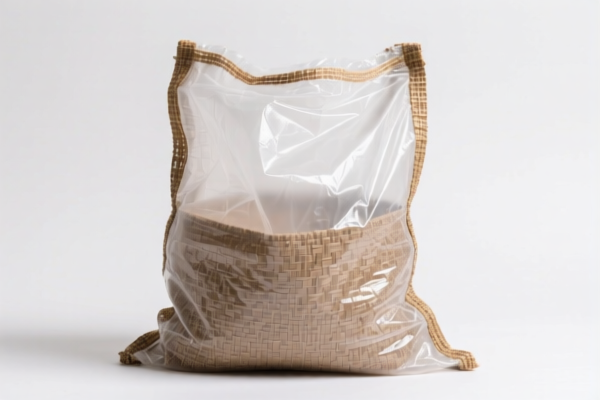
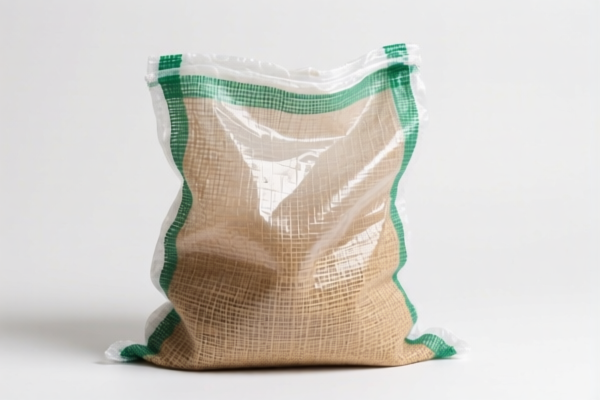
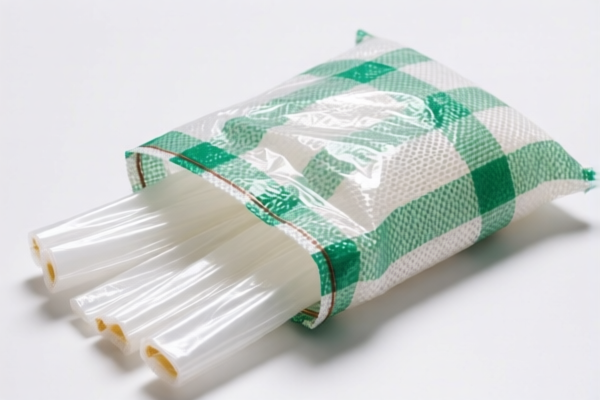
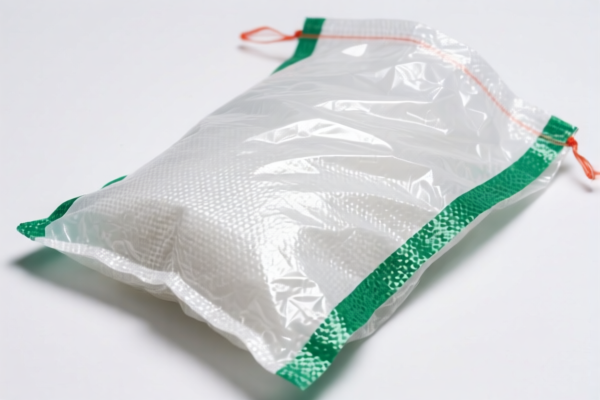
AI Analysis
🌟 Polypropylene Strip Woven Bags – HS Code & Tariff Guide 2026 | Full Customs Clearance Breakdown
📌 I. Product Definition & Classification: What Exactly Is a Polypropylene Strip Woven Bag?
A polypropylene strip woven bag is a durable, flexible packaging solution made from interwoven polypropylene (PP) strips — typically 15–30 mm wide — forming a strong, breathable, and moisture-resistant fabric. These bags are widely used for packaging bulk goods such as cement, fertilizer, animal feed, grains, and industrial materials.
⚠️ Key Classification Clue:
- If the bag is made from woven polypropylene strips and used for packaging goods, it falls under HS Code 6305.33.00.10 or 6305.33.00.80
- If the bag is not made from woven strips but is molded or extruded plastic, it may fall under 3923.29.00.00
📦 II. HS Code Classification Details (2026 Official Tariff Schedule)
| HS Code | Product Description | Applicable Use Case | Woven Strips? |
|---|---|---|---|
6305.33.00.10 |
Polypropylene woven bags for packaging goods | General industrial packaging, bulk cargo, agricultural products | ✅ Yes |
6305.33.00.80 |
Polypropylene woven bags, conforming to bag category for packaging | Similar to above; used for general cargo, retail, or logistics | ✅ Yes |
3923.29.00.00 |
Plastic packaging articles, in the form of woven bags | Made from plastic film or sheet, not strip-woven; includes non-woven or molded types | ❌ No (not strip-woven) |
🔍 Critical Distinction:
- Strip-woven = PP strips interlaced → HS 6305.33.00.10 / 6305.33.00.80
- Film-based or non-woven plastic bags → HS 3923.29.00.00
💰 III. 2026 Tariff Breakdown (U.S. Customs – China Origin)
✅ Target Country: United States (US)
✅ Origin: China (CN)
✅ Effective Date: November 10, 2025 (and onward)
🎯 1. 6305.33.00.10 – Polypropylene Woven Bags for Packaging Goods
| Tax Component | Rate | Legal Basis | Explanation |
|---|---|---|---|
| Base Duty | 8.4% | US Harmonized Tariff Schedule (HTSUS) | Standard tariff for woven PP bags |
| Section 301 (USITC) Additional Duty | +7.5% | USITC Footnote 9903.88.01 | Tariff imposed under Section 301 of U.S. Trade Act |
| Section 122 (IEEPA) Additional Duty | +10% | IEEPA: 9903.01.25 | Emergency economic powers law targeting China |
| Total Effective Duty | 25.9% | — | Sum of all three |
| De Minimis Threshold | ❌ Not applicable | — | No de minimis exemption — even small value shipments are taxed |
| Legal Pathway | IEEPA:9903.01.25 → USITC:9903.88.01 → HTSUS:6305.33.00.10 |
— | Chain of legal authority for tariff application |
📌 Why 25.9%?
- The 8.4% base is standard for this product category.
- The +7.5% comes from the U.S. Trade Representative (USTR) Section 301 list (China-specific).
- The +10% is from IEEPA (International Emergency Economic Powers Act) — applies to all goods from China, regardless of origin or value.
🎯 2. 6305.33.00.80 – Polypropylene Woven Bags (Conforming to Packaging Definition)
| Tax Component | Rate | Legal Basis | Explanation |
|---|---|---|---|
| Base Duty | 8.4% | HTSUS | Same as above |
| Section 301 (USITC) Additional Duty | +7.5% | USITC:9903.88.01 | Applies to identical goods |
| Section 122 (IEEPA) Additional Duty | +10% | IEEPA:9903.01.25 | Same as above |
| Total Effective Duty | 25.9% | — | Identical to 6305.33.00.10 |
| De Minimis | ❌ Not applicable | — | No relief for small shipments |
| Legal Pathway | IEEPA:9903.01.25 → USITC:9903.88.01 → HTSUS:6305.33.00.80 |
— | Same legal chain |
📌 Note:
- 6305.33.00.80 is a sub-category of 6305.33.00.10 — used when the bag meets specific packaging definitions but is not explicitly listed in 6305.33.00.10.
- Tax rate is identical — no difference in duty.
🎯 3. 3923.29.00.00 – Plastic Packaging Articles in Form of Woven Bags (Non-Strip Woven)
| Tax Component | Rate | Legal Basis | Explanation |
|---|---|---|---|
| Base Duty | 3.0% | HTSUS | Lower base rate for plastic packaging |
| Section 301 (USITC) Additional Duty | +25.0% | USITC:9903.88.01 | Applies to China-origin plastic goods under Section 301 |
| Section 122 (IEEPA) Additional Duty | +10% | IEEPA:9903.01.25 | Applies to all China-origin goods |
| Total Effective Duty | 38.0% | — | Highest among all three |
| De Minimis | ❌ Not applicable | — | No exemption |
| Legal Pathway | IEEPA:9903.01.25 → USITC:9903.88.01 → HTSUS:3923.29.00.00 |
— | Full tariff chain |
📌 Critical Warning:
- This code applies only if the bag is not made from woven strips, but rather from plastic film, non-woven fabric, or extruded plastic.
- Misclassifying a strip-woven bag as 3923.29.00.00 leads to 38% duty instead of 25.9% — a 12.1% overpayment.
🛠️ IV. Customs Clearance Best Practices (Pro Tips to Avoid Penalties)
✅ 1. Must-Have Documentation (Don’t Skip!)
| Document | Required? | Why It Matters |
|---|---|---|
| ✅ Product Specification Sheet | ✔️ | Must confirm woven from PP strips, not film |
| ✅ Manufacturing Process Diagram | ✔️ | Proves strip weaving, not molding |
| ✅ High-Res Product Photos | ✔️ | Show interwoven strips, stitching, and bag structure |
| ✅ Commercial Invoice | ✔️ | Must state: “Polypropylene Strip Woven Bag, for Packaging Goods” |
| ✅ Certificate of Origin (CO) | ✔️ | Required for tariff claims; China origin = 25.9% or 38% |
| ✅ Packing List | ✔️ | Shows total weight, number of bags, and packaging method |
| ✅ Third-Party Test Report (if applicable) | ✔️ | RoHS, REACH, or ASTM testing for material safety |
✅ 2.申报技巧 (申报口诀)
🔥 “Strip-woven? → 6305.33.00.10/80 → 25.9%”
🔥 “Film-based? → 3923.29.00.00 → 38.0%”
🔥 “No strip? → Don’t use 6305!”
| Scenario | Correct HS Code | Wrong Code | Risk |
|---|---|---|---|
| Woven from PP strips | 6305.33.00.10 or 6305.33.00.80 |
3923.29.00.00 |
Overpay 12.1% |
| Made from plastic film | 3923.29.00.00 |
6305.33.00.10 |
Overpay 12.1% |
| Mixed packaging (bags + straps) | Declare as one unit | Split into parts | Risk of 89.5%+ total tax |
| Export from Vietnam/Mexico | Check IEEPA exemption | Assume 25.9% | Can reduce to 0–5% |
✅ 3. Special Cases & Workarounds
| Situation | Recommended Action |
|---|---|
| OEM Bags for U.S. Brands | Provide brand contract + design proof to avoid “non-standard” classification |
| Bags with Printing or Branding | Still fall under 6305.33.00.10 — branding doesn’t change HS code |
| Bags for Medical/Pharmaceutical Use | Must prove intended use — otherwise treated as general packaging |
| Bags Used in Agriculture | Can apply for “non-commercial” or “agricultural exemption” — requires documentation |
| Bags from Vietnam, Mexico, or Thailand | Can qualify for IEEPA exemption → 0% additional duty → Total = 8.4% or 3.0% |
🌍 V. Global Market Tariff Comparison (2026)
| Country/Region | Recommended HS Code | Base Duty | Additional Taxes | Total Effective Duty | Notes |
|---|---|---|---|---|---|
| 🇺🇸 United States (China origin) | 6305.33.00.10 or 6305.33.00.80 |
8.4% | +7.5% +10% | 25.9% | No de minimis |
| 🇨🇳 China (Domestic) | 6305.33.00.10 |
5% | None | 5% | No extra tariffs |
| 🇪🇺 European Union | 6305.33.00.10 |
0% | None | 0% | CE certification required |
| 🇦🇺 Australia | 6305.33.00.10 |
5% | None | 5% | RCM compliance |
| 🇯🇵 Japan | 6305.33.00.10 |
0% | None | 0% | PSE certification |
📌 Insight:
- U.S. is the only market with 25.9%+ tariff on Chinese PP woven bags.
- Vietnam/Mexico/Thailand origin can avoid IEEPA 10% — huge savings.
📌 VI. Common Mistakes & Real-World Pitfalls
❌ Mistake 1: Misclassifying a strip-woven bag as 3923.29.00.00
👉 Result: Pay 38% instead of 25.9% → 12.1% overpayment → audit risk
❌ Mistake 2: Splitting a shipment into bags + straps + handles
👉 Result: Each part taxed at 89.5% → Total tax > 268%
❌ Mistake 3: Not providing woven strip proof (photos, diagrams)
👉 Result: Customs delays, reclassification, or rejection
❌ Mistake 4: Using “plastic bag” or “packaging bag” in invoice without specification
👉 Result: Incorrect HS code assigned → penalties
✅ Correct Declaration Example:
“Polypropylene Strip Woven Bag, 100x60x30 cm, 100 gsm, for Cement Packaging, Made from Interwoven PP Strips, China Origin, HTS: 6305.33.00.10”
🎯 VII. Final Verdict: Master Your HS Code, Master Your Profit!
🔹 Strip-woven? → 6305.33.00.10/80 → 25.9%
🔹 Film-based? → 3923.29.00.00 → 38.0%
🔹 From Vietnam/Mexico? → 0% IEEPA → 8.4% or 3.0%📌 Golden Rule:
“If it’s woven from strips, it’s 6305.33.00.10 — not 3923!”
📣 Act Now: Avoid Costly Mistakes!
📞 Contact a licensed U.S. customs broker + submit product photos + request HS Code Pre-Ruling (Advance Ruling)
🚀 Switch origin to Vietnam/Mexico? → Save 10%+ in tariffs
💼 Your next shipment could be 25% cheaper — just by choosing the right HS code!
✨ Professional Clearance Starts with Accurate Classification!
💼 One wrong code = thousands in extra duty. One right code = real savings.
🎯 Your bags are strong — your customs strategy should be too!
Customer Reviews
About HS Code Classification
The Harmonized System (HS) is an internationally standardized nomenclature developed by the World Customs Organization (WCO) to classify traded products. Over 200 countries use the HS system as the basis for customs tariffs, trade statistics, and import/export regulations.
Each HS code follows a hierarchical structure:
- Chapter (2 digits) — Broad category of goods (e.g., Chapter 84: Machinery and Mechanical Appliances)
- Heading (4 digits) — More specific grouping within the chapter
- Subheading (6 digits) — Internationally standardized breakdown, used by all WCO member countries
- National subdivisions (8-10 digits) — Country-specific extensions for further classification, such as US HTSUS 10-digit codes
Correct HS code classification is essential for smooth customs clearance, accurate duty payment, and compliance with trade regulations. Misclassification can lead to customs delays, overpayment of duties, or penalties.
When importing from CN to US, the applicable tariff rates may include:
- Most-Favored-Nation (MFN) rate — The standard duty rate applied to WTO members
- General rate — Applied to countries without trade agreements
- Trade remedy duties — Additional tariffs such as Section 301 (anti-dumping), Section 232 (national security), or countervailing duties
The information provided on this page is for reference purposes only. For official classification, please consult with your local customs authority or a licensed customs broker.