Polypropylene Woven Bag Material
CN → US| HS Code | Tariff Rate | Origin | Destination | Doc |
|---|---|---|---|---|
| 3902100000 | 41.5% | CN | US | Official Doc |
| 3926909989 | 22.8% | CN | US | Official Doc |
| 6305330080 | 25.9% | CN | US | Official Doc |
| 3923290000 | 38.0% | CN | US | Official Doc |
| 6305330010 | 25.9% | CN | US | Official Doc |
Product Images
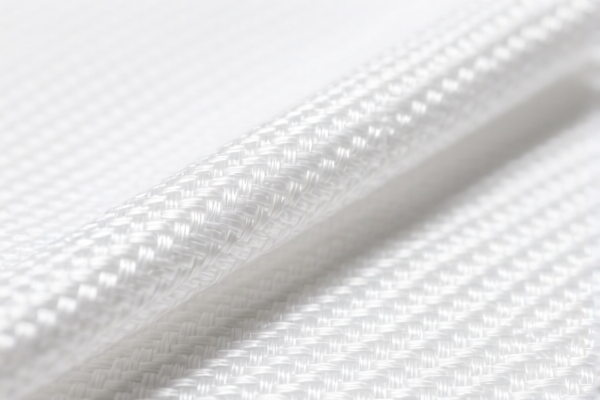
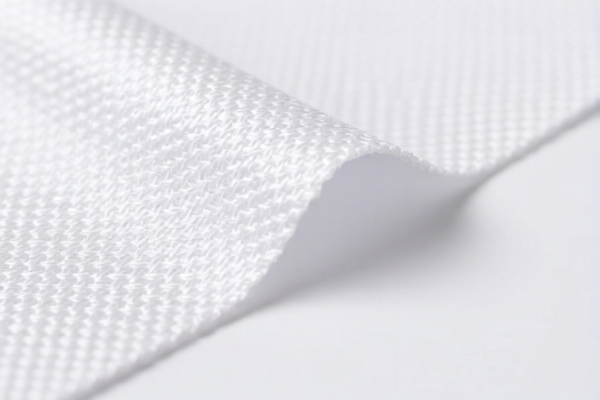
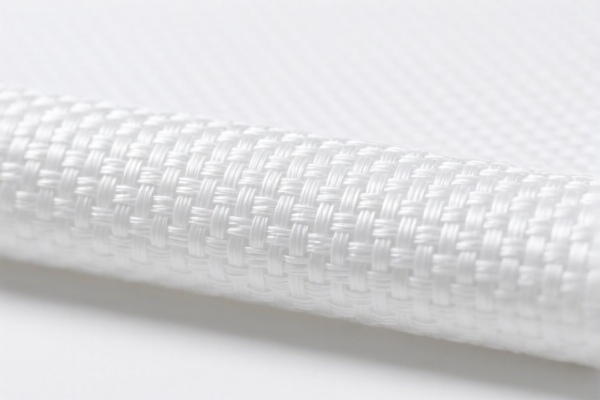
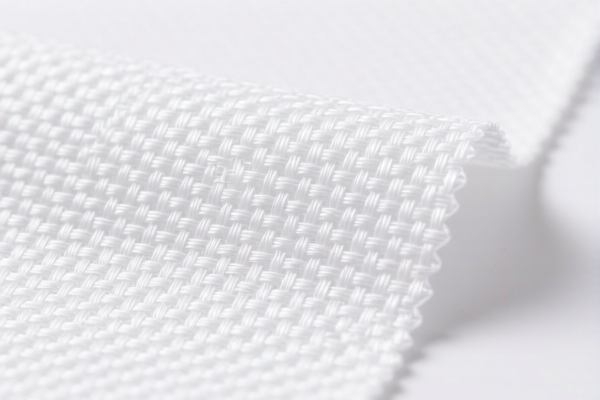
AI Analysis
🎒 Polypropylene (PP) Woven Bag Material & Products
🌐 HS Code Reference & Customs Clearance Guide | 2026 Latest Tariff Analysis | Professional Clearance Strategy
📌 1. Product Definition & Classification: What Exactly is "Polypropylene Woven Bag Material"?
In international trade, "Polypropylene Woven Bag Material" is a broad term that can refer to the raw material itself or the finished packaging product. The classification depends entirely on the degree of processing and the specific application.
Raw Material (Semi-finished/Intermediate):
- PP pellets, strips, or tapes used as the base for weaving.
- Key Feature: No final shape or specific end-use structure yet.
Finished/Primary Form Articles:
- Pre-made sacks, bags, or containers (e.g., fertilizer bags, PP woven sacks).
- Key Feature: Has a defined shape, seams, or specific packaging function.
⚠️ Critical Distinction Point:
- If the item is PP Resin/Pellets (raw polymer) → Classified under Chapter 39 (Plastics and Articles Thereof).
- If the item is a Woven Sack/Bag (finished article) → Classified under Chapter 63 (Other Made Up Articles).
- Note: Misclassification here can lead to significant duty differences due to the "122 Section" and "Section 301" tariffs.
📦 2. HS Code Classification Details (2026 Latest Tariff Authority Match)
Based on the provided dataset, here are the precise classifications for Polypropylene items:
| HS Code | Product Description | Applicable Scenario | Tax Rate (Total) |
|---|---|---|---|
3902.10.00.00 |
Polypropylene Raw Material, Primary Form | PP pellets, resin, granules for manufacturing | 41.5% |
3926.90.99.89 |
Other PP Article, Raw Material Form | PP items not elsewhere specified, semi-finished articles | 22.8% |
6305.33.00.80 |
PP Woven Bag, Used for Fertilizer Packaging | Industrial woven sacks specifically for fertilizer | 25.9% |
3923.29.00.00 |
PP Bags/Conveyances for Packaging | General PP sacks, pouches, bags for packaging goods | 38.0% |
6305.33.00.10 |
PP Woven Bag, Fertilizer Bag Purpose | Dedicated fertilizer woven bags (Specific sub-heading) | 25.9% |
🔍 Key Observation:
- Raw Material (3902.10.00.00) carries the highest total tax (41.5%).
- Fertilizer Bags (6305.33.00.80/6305.33.00.10) are taxed at a lower rate (25.9%) compared to general PP packaging bags (3923.29.00.00at 38.0%).
- This creates a strategic incentive to classify correctly based on end-use if applicable.
💰 3. Detailed Tariff Breakdown (With Additional Taxes & Policy Surcharges)
✅ Applicable Country: United States (US)
✅ Origin: China (CN)
✅ Effective Date: 2025/2026 (Based on 2026 tariff structure)
🎯 1. 3902.10.00.00 – Polypropylene Raw Material, Primary Form
| Item | Content |
|---|---|
| Base Tariff | 6.5% |
| Section 301 Tariff | +25.0% |
| Section 122 Tariff | +10.0% |
| Total Tax Rate | 41.5% |
| Calculation | CIF Value × 41.5% |
| De Minimis Exemption | ❌ Not Eligible (High duty rate blocks de minimis) |
| Legal Path | USITC:3902.10.00.00 → FOOTNOTE:301 → IEEPA:122 |
📌 Explanation:
- Base 6.5%: Standard MFN rate for PP resins.
- +25% Section 301: Trump-era tariffs on Chinese plastics/raw materials.
- +10% Section 122: National Security tariffs (if applicable to specific raw materials).
- Total 41.5%: This is a high-cost entry point. Importers must consider supply chain diversification (e.g., sourcing from Vietnam or Thailand) to avoid this burden.
🎯 2. 6305.33.00.80 / 6305.33.00.10 – PP Woven Bags (Fertilizer)
| Item | Content |
|---|---|
| Base Tariff | 8.4% |
| Section 301 Tariff | +7.5% |
| Section 122 Tariff | +10.0% |
| Total Tax Rate | 25.9% |
| Calculation | CIF Value × 25.9% |
| De Minimis Exemption | ❌ Not Eligible |
| Legal Path | USITC:6305.33.00.80 → FOOTNOTE:301 → IEEPA:122 |
📌 Explanation:
- Lower Base Rate (8.4%): Finished goods like bags often have lower base duties than raw resins.
- Lower Section 301 (7.5%): Textiles and packaging items may fall under different 301 lists with lower rates than industrial raw materials.
- Strategic Advantage: If you are exporting fertilizer bags, this classification offers significant savings compared to raw PP (41.5%vs25.9%).
🎯 3. 3923.29.00.00 – PP Bags/Conveyances for Packaging
| Item | Content |
|---|---|
| Base Tariff | 3.0% |
| Section 301 Tariff | +25.0% |
| Section 122 Tariff | +10.0% |
| Total Tax Rate | 38.0% |
| Calculation | CIF Value × 38.0% |
| De Minimis Exemption | ❌ Not Eligible |
📌 Explanation:
- Although the base tariff is very low (3.0%), the Section 301 tariff is high (25.0%), similar to raw materials.
- This makes general PP packaging bags more expensive than fertilizer-specific bags (25.9%).
- Risk: Misclassifying a general bag as a "fertilizer bag" to get the 25.9% rate is a customs fraud risk if not used for fertilizer.
🎯 4. 3926.90.99.89 – Other PP Article, Raw Material Form
| Item | Content |
|---|---|
| Base Tariff | 5.3% |
| Section 301 Tariff | +7.5% |
| Section 122 Tariff | +10.0% |
| Total Tax Rate | 22.8% |
| Calculation | CIF Value × 22.8% |
| De Minimis Exemption | ❌ Not Eligible |
📌 Explanation:
- This code is for miscellaneous PP articles not covered elsewhere.
- Lowest Total Tax (22.8%) among all listed codes.
- Caution: Only use if the product truly fits "Other PP articles." Misclassification here can lead to penalties.
🛠️ 4. Customs Clearance Practical Advice (Pitfall Avoidance Guide)
✅ 1. Required Documentation Checklist
| Document | Mandatory? | Description |
|---|---|---|
| ✅ Commercial Invoice | ✔️ | Must clearly state: "Polypropylene Woven Bag" OR "PP Resin," including material composition. |
| ✅ Packing List | ✔️ | Detail weight, quantity, and dimensions. |
| ✅ Product Specifications | ✔️ | For bags: Specify if intended for fertilizer, food, or general use. For resins: Specify Melt Flow Index (MFI), density. |
| ✅ Proof of End-Use (if claiming 6305.33) | ✔️ | If classifying as fertilizer bag (6305.33), provide documentation showing the bag is designed/printed for fertilizer use. |
| ✅ Certificate of Origin | ✔️ | Critical for determining Section 301 applicability. |
✅ 2. Declaration Tips (Key Mnemonics)
🔥 "Raw is High, Fertilizer is Low, General is Medium!"
| Scenario | Correct HS Code | Tax Rate | Wrong Declaration Consequence |
|---|---|---|---|
| PP Pellets/Resin | 3902.10.00.00 |
41.5% | Declaring as "Bag" → Penalty for misclassification |
| Fertilizer Woven Bag | 6305.33.00.80/10 |
25.9% | Declaring as "General Bag" → Overpaying 12.1% |
| General PP Bag | 3923.29.00.00 |
38.0% | Declaring as "Fertilizer Bag" → Customs Fraud Risk |
| Misc PP Article | 3926.90.99.89 |
22.8% | Declaring as "Raw Material" → Overpaying 18.7% |
✅ 3. Special Considerations
| Case | Recommendation |
|---|---|
| OEM Custom Bags | If bags are printed with "Fertilizer" branding or specifications, use 6305.33 for lower tax. Provide print proofs to CBP. |
| Mixed Shipments | If shipping both raw PP and bags in one container, declare separately. Mixing codes can trigger audits. |
| Material Composition | Ensure the product is 100% Polypropylene. Blends with other plastics may shift classification to different subheadings. |
| Country of Origin | Products from Vietnam, Thailand, or Malaysia may be exempt from Section 301/122 tariffs. Apply for Foreign Direct Transit (FDT) rules if applicable. |
🌍 5. Global Market Comparison (2026)
| Country/Region | Recommended HS Code | Tariff (China Origin) | Notes |
|---|---|---|---|
| 🇺🇸 USA | 6305.33.00.80 (for Fertilizer Bags) |
25.9% | Lowest effective rate for finished bags. Avoid 3902.10.00.00 (41.5%). |
| 🇨🇳 China | 6305.33.00.80 |
~9-10% | Lower import duties for PP bags. |
| 🇪🇺 EU | 6305.33.00 |
0-10% | Varies by exact type. No Section 301/122. |
| 🇬🇧 UK | 6305.33.00 |
0-10% | Post-Brexit tariff schedule. |
📌 Conclusion:
- For US imports, fertilizer-specific PP woven bags are the most cost-effective finished product classification.
- Raw PP material is heavily taxed (41.5%), making it expensive for US manufacturers. Consider sourcing from non-China origins if possible.
📌 6. Common Mistakes & Pitfalls (Lessons Learned)
❌ Mistake 1: Classifying all PP bags as 3923.29.00.00 (General Packaging)
👉 Result: Paying 38.0% tax instead of 25.9% for fertilizer bags. Loss: 12.1% per shipment.
❌ Mistake 2: Claiming 6305.33 (Fertilizer Bag) for general-purpose bags
👉 Result: Customs Penalty, Back Duties, and Potential Fraud Charges. CBP cross-checks with importers' domestic sales records.
❌ Mistake 3: Misdeclaring raw PP resin as "Plastic Articles" to avoid 25% Section 301
👉 Result: High audit risk. Raw materials are scrutinized for Section 301 eligibility.
✅ Best Practice:
"Polypropylene Woven Sack, for Fertilizer, 50kg, Woven, Unlined, Model: FERT-50"
vs.
"Polypropylene Resin, Homopolymer, MFI: 25, Pellets, 25kg Bag"
🎯 7. Conclusion: Smart Classification, Cost Optimization!
🎯 Key Takeaway:
🔹 "Fertilizer Bags = Cheapest (25.9%)"
🔹 "General PP Bags = Expensive (38.0%)"
🔹 "Raw PP = Most Expensive (41.5%)"
📌 Action Item:
If you are exporting PP Woven Bags to the US, ensure they are clearly designated and documented as Fertilizer Bags (
6305.33) if applicable. This can save you 12-15% in duties compared to other classifications.
✨ Professional Clearance Starts with Precise Classification!
💼 Your Bottom Line Depends on the Right HS Code!
Customer Reviews
About HS Code Classification
The Harmonized System (HS) is an internationally standardized nomenclature developed by the World Customs Organization (WCO) to classify traded products. Over 200 countries use the HS system as the basis for customs tariffs, trade statistics, and import/export regulations.
Each HS code follows a hierarchical structure:
- Chapter (2 digits) — Broad category of goods (e.g., Chapter 84: Machinery and Mechanical Appliances)
- Heading (4 digits) — More specific grouping within the chapter
- Subheading (6 digits) — Internationally standardized breakdown, used by all WCO member countries
- National subdivisions (8-10 digits) — Country-specific extensions for further classification, such as US HTSUS 10-digit codes
Correct HS code classification is essential for smooth customs clearance, accurate duty payment, and compliance with trade regulations. Misclassification can lead to customs delays, overpayment of duties, or penalties.
When importing from CN to US, the applicable tariff rates may include:
- Most-Favored-Nation (MFN) rate — The standard duty rate applied to WTO members
- General rate — Applied to countries without trade agreements
- Trade remedy duties — Additional tariffs such as Section 301 (anti-dumping), Section 232 (national security), or countervailing duties
The information provided on this page is for reference purposes only. For official classification, please consult with your local customs authority or a licensed customs broker.